

Call us: +86-137-2353-4866

Custom membrane switches help you control things by touching them. You use them to work many machines. These switches are special because you can change their shape and look. Many people pick membrane switches instead of mechanical ones. They like the smooth surface, thin size, and flexible style.
| Feature | Membrane Switches | Mechanical Switches |
|---|---|---|
| Design | Smooth and easy to clean | Spaces can hold dirt |
| Profile | Thin and fits small places | Bigger and takes up space |
| Flexibility | Works with many shapes | Only works with set shapes |
| Durability | Has fewer moving parts | Moving parts can break |
| Customizability | Easy to change and design | Not many ways to change |
You find custom membrane switches in medical tools, electronics, and cars. They work well in lots of places.
Table of Contents
Key Takeaways
Custom membrane switches let you control things with a touch. This makes them easy for people to use. These switches are thin and can bend. They are also simple to clean. This makes them good for many uses. You can change the design, colors, and features. This helps match your brand and what you need. Membrane switches are strong and last a long time. They can handle millions of presses. This makes them good for daily use. Many industries use them, like medical, cars, and electronics. They work well in many places. The sealed design keeps out dust, water, and chemicals. This helps them last longer. You can add things like backlighting and tactile feedback. These features make them easier and better to use. Membrane switches can save money over time. They do not need much care and last a long time.
What Are Custom Membrane Switches
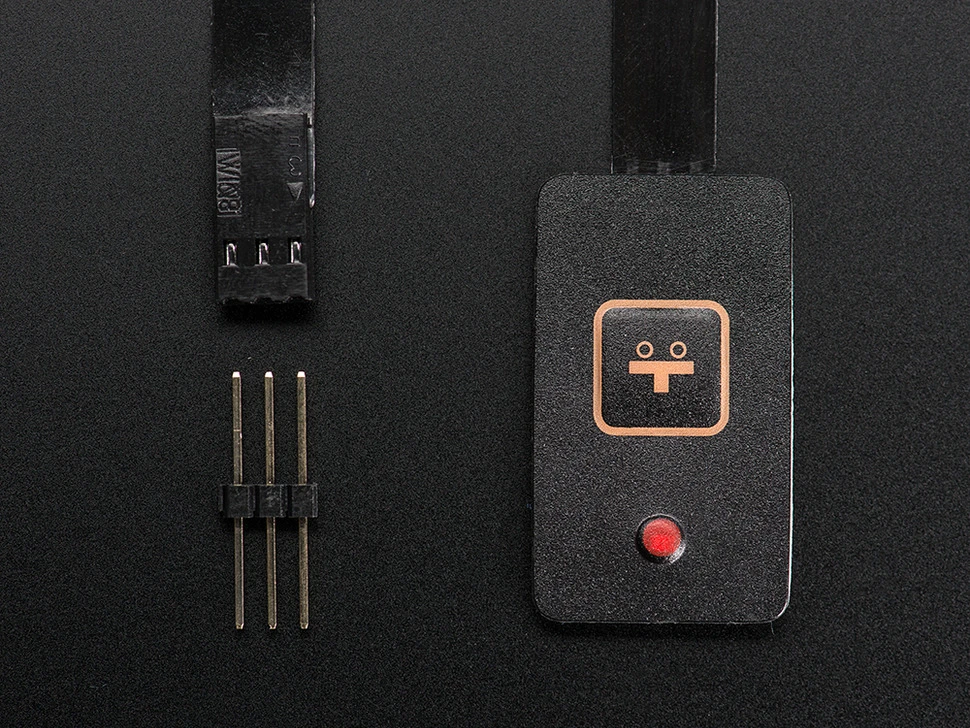
Membrane Switch Overview
When you press a flat button on a device, you use a membrane switch. This switch has thin, bendy layers that help you control machines. You can find these switches on microwaves and medical monitors. They are also on exercise machines. The surface is smooth, so it is easy to wipe clean. Custom membrane switches are special because you can change how they look and work. You can pick the shape, color, and features you want. Some switches have sealed surfaces and tough materials for hard jobs. SOUSHINE gives you many choices, so your switch fits your device and works well.
The market for custom membrane switches is getting bigger.
- In 2024, it was worth $7.93 billion.
- By 2025, it may reach $8.69 billion, growing by 9.6%.
- By 2029, it could be $12 billion.
More electronic devices and the need for flexible controls help this market grow.
Customization Explained
You can change almost every part of a custom membrane switch. You can pick the pictures, colors, and shapes. You can choose how the buttons feel when you press them. Many people want tactile feedback, which gives a click or snap. You can add backlighting, so buttons glow in the dark. You can also add shielding to block electrical problems. SOUSHINE lets you design switches with silicone rubber keypads for comfort. You can also use Duraswitch® technology for tough jobs.
| Customization Option | Description |
|---|---|
| Tactile Feedback | Metal or polyester domes make buttons feel better and easier to use. |
| Backlighting Options | LEDs, fiber optics, and light films help you see buttons in the dark. |
| Shielding | Aluminum foil and other materials protect the switch and make it last longer. |
| Silicone Rubber Keypads | These keypads keep out water and dust and feel soft. |
| Duraswitch® Technology | Strong keypads work well in hard places and last a long time. |
These switches can last through millions of presses. You can match the design to your brand. You can make the switch fit any space or shape. SOUSHINE lets you make the switch you want.
Typical Applications
Custom membrane switches are used in many fields. Medical devices use them for blood pressure monitors and testing tools. Appliance makers use them in microwaves and ovens. Car companies use them in card readers and cashier systems. Factories use them in floor scrubbers and test machines. Fitness brands use them in bikes and treadmills.
| Industry | Application Examples |
|---|---|
| Medical | Blood pressure monitors, dialysis machines, scan and testing equipment, glucose meters |
| Appliance | Microwaves, air conditioner panels, ovens, dishwashers, refrigerators, washing machines, dryers |
| Automotive | Card readers, point-of-sale systems, cashier setups |
| Industrial | Floor scrubbers, electronic test equipment, diagnostic equipment |
| Fitness | Stationary bikes, stair steppers, treadmills, weightlifting interfaces |
SOUSHINE has membrane switch solutions for all these uses. You get switches that resist water, oil, and cleaning in kitchens. You get strong switches for fitness gear that can handle sweat and lots of use. You see membrane switches in many things you use every day, like home appliances and medical tools.
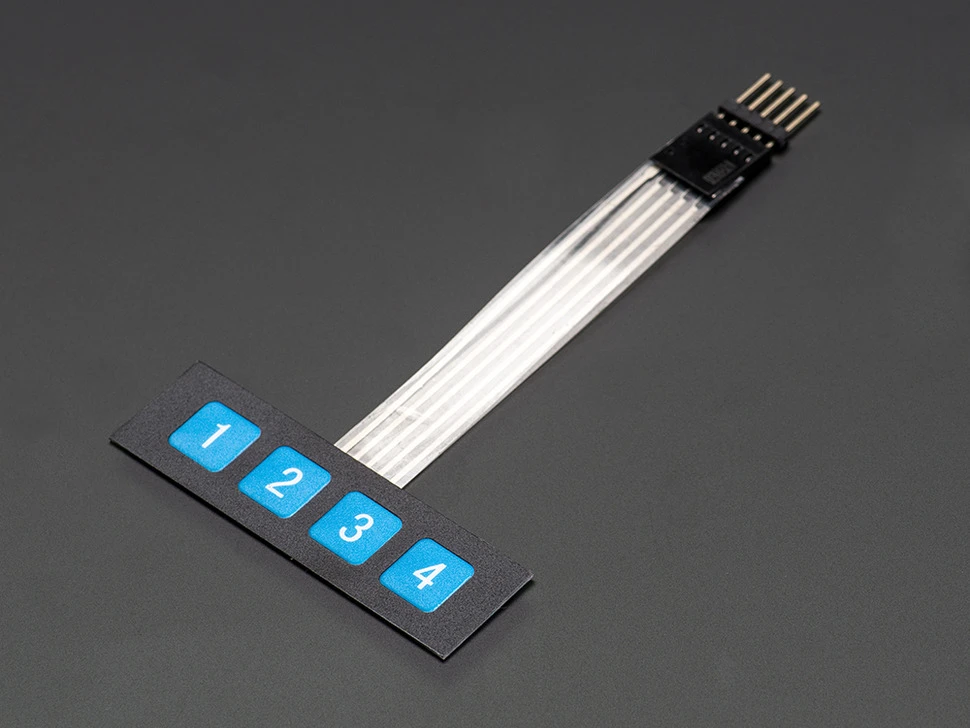
Membrane Switch Structure
Layered Design
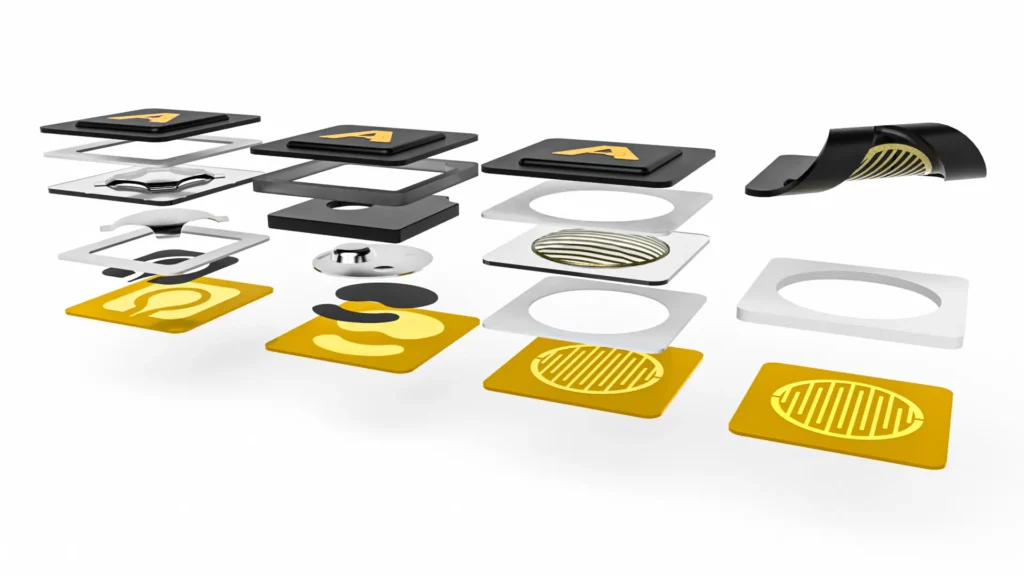
A membrane switch looks flat on the outside. Inside, it has many thin layers. Each layer has a special job. These layers help the switch work well and last longer.
Graphic Overlay
The graphic overlay is the top part you touch. It shows where the buttons and symbols are. This layer uses strong materials like polyester or polycarbonate. These materials do not scratch or break easily. The overlay keeps water, dust, and chemicals out. SOUSHINE makes sure the surface is sealed to protect the inside.
Spacer Layer
The spacer layer is under the graphic overlay. It makes a gap between the top and bottom circuit layers. This gap keeps the switch off until you press a button. The spacer stops mistakes from happening. It uses tough materials that do not break under pressure.
Circuit Layer
The circuit layer sends signals to your device. It has special ink printed on a bendy film. When you press a button, the top touches the circuit layer. This closes the path and sends your command. The circuit layer helps signals move fast and right.
Backer/Adhesive
The backer or adhesive layer holds all the layers together. It sticks the switch to your device. Acrylic adhesive works well in hot, cold, or wet places. This layer keeps the switch in place and safe from harm.
The static layer helps support the switch and holds the conductive parts. You find materials like polyester, transparent conductor, ITO, polyimide, and printed circuit board in this layer.
Materials Used
Each layer uses different materials for strength and long life. Polyester and polycarbonate make the switch strong. Acrylic adhesive sticks the layers and handles heat and cold. Conductive ink makes the circuit and sends signals. Stainless steel domes give a clicky feel and last a long time.
| Material | Function/Advantage |
|---|---|
| Polyester | Used for graphic overlay, spacer layer, and backer layer; provides durability. |
| Polycarbonate | Used for graphic overlay; offers impact resistance. |
| Acrylic Adhesive | Bonds layers; resists temperature and humidity. |
| Conductive Ink | Creates electrical connections in the circuit layer. |
| Stainless Steel | Used for dome switches; gives tactile feedback and strength. |
SOUSHINE uses top materials to make switches that resist heat, cold, water, and chemicals. These switches work well in tough places.
Design Variations
You can pick many design choices for your membrane switch. You choose graphics, colors, and textures that match your brand. You can add LEDs so you see buttons in the dark. You pick finishes that feel nice to touch. These choices make machines easy to use.
| Description | Impact on Performance and User Experience |
|---|---|
| Custom graphics, colors, and textures | Improves interaction and matches your product style |
| Intuitive interface design | Makes it easy to use and navigate functions |
| Textured finishes | Adds tactile feel and improves usability |
SOUSHINE lets you design switches that fit your needs. You can make products easier and better for people to use.
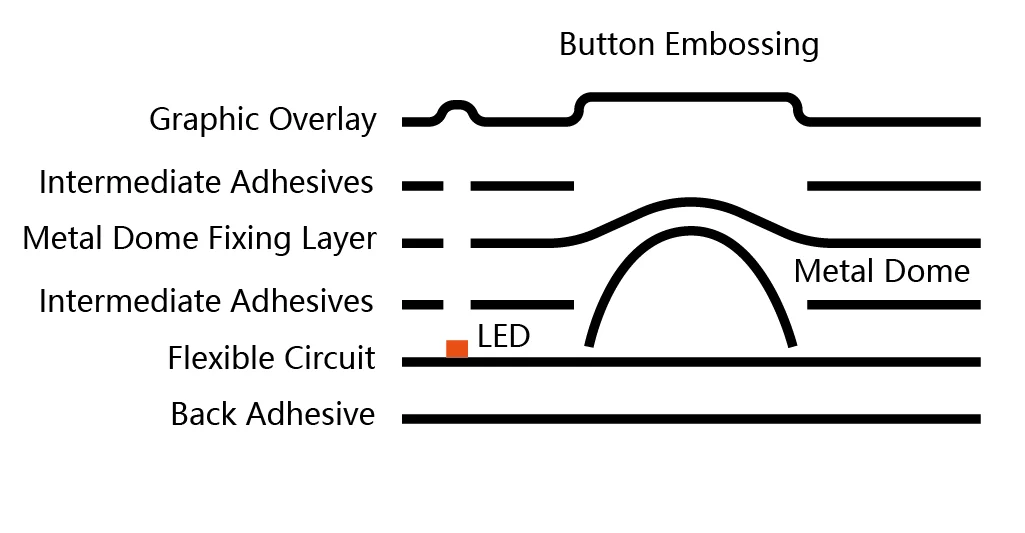
How Custom Membrane Switches Work
When you use a membrane switch, you control a device by pressing a flat button. This button acts as a touch sensitive device. You do not need much force. The switch responds quickly and gives you control over many types of equipment.
Operating Principle
A membrane switch works by using layers of conductive material. When you press a button, you push the top layer down. This layer touches the bottom circuit layer. The contact closes the circuit and sends a signal to your device. When you lift your finger, the layers separate and the circuit opens again. This simple action gives you fast and reliable results every time.
Circuit Activation
You activate the circuit when you press the button. Here is how it happens:
- You press down on the graphic overlay.
- The top and bottom circuit layers touch each other.
- The closed circuit sends a signal to your device.
- When you stop pressing, the layers move apart and the signal stops.
This process lets you control your device with a light touch.
Contact Points
Each button on the switch has its own contact point. When you press a button, only that spot closes the circuit. This design helps prevent mistakes. You can trust that each press sends the right command. The contact points use strong materials, so they last through many uses.
Tactile vs. Non-Tactile
You can choose between tactile and non-tactile switches. Tactile switches give you a physical response when you press a button. You feel a small click or snap. This feedback helps you know that your input worked. Non-tactile switches do not give this feeling. You may hear a beep or see a light instead.
Tactile switches use a metal or plastic dome under each button. When you press down, the dome bends and then pops back up. This action gives you a clear signal that the button worked. Non-tactile switches connect directly to the circuit pad. They cost less and have a simpler design, but you do not get the same feedback.
SOUSHINE offers many tactile feedback options for custom membrane switches. You can pick the level of feedback you want. Here is what you get with SOUSHINE tactile switches:
| Feature | Description |
|---|---|
| Tactile Feedback | You feel a response when you press a button. |
| User Accessibility | Easy for people of all ages and abilities to use. |
| Improved Accuracy | You know your input worked with each press. |
- You get clear feedback with every press.
- You feel more confident using your device.
- You make fewer mistakes.
Tactile feedback is important in places where you need to know your input worked, like medical devices or industrial controls. Non-tactile switches work well in simple devices where feedback is not as important.
Custom membrane switches from SOUSHINE let you choose the best option for your needs. You get a switch that matches your device and gives users the right experience.
Customization Features
Graphics and Branding
You can make your membrane switch look special with custom graphics. The top layer, called the graphic overlay, shows your logo, colors, and symbols. This helps people know your brand right away. You can pick different textures and coatings for the surface. These make it easy to use and clean. Embossing adds raised shapes or letters you can feel. This helps users find buttons by touch. You can also add windows or cutouts for screens or lights.
- Graphic overlays help your design and brand stand out.
- Textures and coatings make it easier to use and last longer.
- Embossing lets you feel buttons and adds style.
- Windows and cutouts let you add more features.
Your logo and colors help people remember your brand. Raised buttons make it simple to use the switch. Strong materials help it last in tough places.
Tactile Feedback Options
Tactile feedback lets you feel when you press a button. You feel a click or snap under your finger. This happens because of dome-shaped contacts inside the switch. When you press down, the dome bends and then pops back up. This tells you the button worked. Tactile feedback is important when you need to be sure, like in medical tools or factory machines.
You can pick different types of feedback:
- Metal domes give a sharp, clear click. These are good for factories or places where you need strong feedback.
- Poly-domes feel softer and quieter. Many people use these in home electronics.
Tactile feedback makes your device easier to use. You know right away when you press a button. This helps you avoid mistakes and work faster.
Backlighting and Illumination
You can add backlighting to your membrane switch to see it in the dark. This helps users find buttons at night or in dim rooms. There are many ways to add backlighting. Each type has its own good points.
| Backlighting Technology | Advantages |
|---|---|
| Light Guide Film (LGF) | Thin, fits small devices, spreads light evenly, does not change how buttons feel |
| Light Emitting Diodes (LEDs) | Lasts long, saves power, comes in many colors and brightness levels |
| Electroluminescent (EL) | Gives even light, works in many designs, comes in different colors |
| Fiber Optic | Lasts long, uses little power, gives steady light, works in tough places |
- Light Guide Film spreads light evenly and keeps the switch thin.
- LEDs last a long time and use little power.
- Electroluminescent panels give smooth, even light.
- Fiber optic backlighting works well in harsh places.
SOUSHINE gives you these backlighting choices. You can pick the best way to light up your switch and make it easy to use any time.
Environmental Protection
You want your membrane switch to work in hard places. SOUSHINE makes switches that can handle dust, water, heat, and chemicals. The sealed top keeps out dirt and wetness. You can use these switches in kitchens, factories, hospitals, and outside.
Here is how SOUSHINE keeps your switch safe:
| Feature | Description |
|---|---|
| Ingress Protection Ratings | You get IP65, IP67, or higher. These ratings mean your switch is dust-tight and waterproof. |
| No Exposed Moving Parts | The design uses printed circuits and pressure-sensitive layers. This reduces points where things can break. |
| UV, Heat, and Chemical Resistance | Materials like polyester and polycarbonate resist sunlight, high temperatures, and chemicals. |
| Tightly Bonded Graphic Overlays | The top layer bonds tightly. This protects against spills and scratches. |
| Reliable Operation in Rugged Conditions | Metal domes and flexible circuits help your switch work in harsh places. |
Tip: If you need a switch for outside or tough jobs, ask for a higher IP rating. This helps your device last longer.
You can count on SOUSHINE membrane switches to work even when things get dirty or rough. The strong parts and sealed layers help your device stay safe and work well.
Integration Capabilities
You might want your membrane switch to work with other device parts. SOUSHINE makes it simple to connect your switch to different systems. You can add special connectors or wires on the back. This helps you fit the switch into many kinds of equipment.
| Integration Aspect | Benefit |
|---|---|
| Construction on FR4 PCBs | You can use any connector on the back. This fits specialty connectors or separate wires. |
- SOUSHINE builds switches to meet industry rules.
- You can change each switch for your needs in medical, industrial, or home products.
Membrane switches use layers with printed circuits and keys you can feel. This design gives you a flexible way to control your device. You can add LEDs, screens, or other things. The switch fits into your system without problems.
Note: You can talk to SOUSHINE about your project. They help you pick the right connectors and features for your device.
You get a switch that works with your electronics and fits your needs. This makes your product easier to build and use.
Key Advantages
Durability and Reliability
You want a switch that works well every time. SOUSHINE membrane switches use strong polyester. These switches last through many presses. You can use them in factories and warehouses. They also work at construction sites. The sealed top keeps out water and dust. It also blocks chemicals from getting inside. This protects the parts inside from harm. You do not need to worry about grease or spills. The switch keeps working, so your machines do not stop.
Here are reasons these switches last long:
| Attribute | Description |
|---|---|
| Material | Polyester |
| Market Share | 45.2% in 2025 |
| Durability | Good tensile strength, stable shape, resists chemicals and moisture |
| Performance | Handles vibrations, impacts, dust, grease, and liquid spills |
| Flexibility | Works after thousands of presses |
| Application | Used in manufacturing, construction, and warehouses |
| Cost Efficiency | Long life lowers total cost |
| Reliability | Helps factories avoid downtime and losses |
You get a switch that can handle heavy use. You do not need to fix or replace it often. This means your work does not stop.
- Strong build helps it last a long time.
- Sealed design keeps out harsh things.
- It works for years with little care.
Flexible Design
You want a switch that fits your product well. SOUSHINE gives you many ways to design it. You can pick the shape and size you want. You can add backlighting or tactile feedback. Working with SOUSHINE early helps you finish faster. You do not need costly tools to make changes. You can test new ideas and make your product better.
- Early teamwork helps you finish faster.
- You save money on tools.
- You get more ways to design.
- You can try new ideas and improve your product.
Flexible design lets you meet your needs. You can make your device stand out from others.
Low Profile and Lightweight
You need devices that fit in small spaces. SOUSHINE membrane switches are thin and light. Most switches are between 0.005 and 0.030 inches thick. Thin switches fit in tight spaces. Thicker ones work well in tough places.
- Thin switches fit in small devices.
- Light switches are easy to move.
- You can pick the right thickness for your job.
A thin switch helps you build sleek products. Light switches make your devices easy to carry and install. You get what you need without extra weight.
Cost-Effectiveness
You want your devices to work well without costing too much. Custom membrane switches help you save money in many ways. You pay less at the start because these switches use fewer materials and simple designs. You also save money over time because they last longer and do not break easily.
When you choose SOUSHINE membrane switches, you get a product that fits your budget. You do not need to buy expensive parts or tools. The thin layers and printed circuits keep the price low. You can order switches in large or small amounts, so you only pay for what you need.
Here is a quick look at how membrane switches help you save:
| Cost Factor | Membrane Switches | Mechanical Switches |
|---|---|---|
| Upfront Price | Lower | Higher |
| Maintenance Costs | Minimal | Can be high |
| Replacement Parts | Rarely needed | Often needed |
| Customization Cost | Affordable | Expensive |
You do not need to worry about hidden costs. The simple build means fewer things can go wrong. You do not spend extra money fixing or replacing parts. This makes membrane switches a smart choice for schools, hospitals, factories, and homes.
Tip: If you want to lower your project costs, choose a membrane switch. You get a reliable product that does not need much care or money to keep working.
Easy Maintenance
You want switches that work every day with little effort. Membrane switches make this possible. You do not need to clean or fix them often. The flat surface keeps out dirt and dust. You can wipe them clean with a cloth. You do not need special tools or cleaners.
Here are some reasons why membrane switches are easy to maintain:
- You do not need to replace keys one by one.
- You spend less time and money on repairs.
- You can clean the surface quickly.
- You do not need to take the switch apart to fix it.
- You avoid problems with stuck or broken keys.
Mechanical switches often need more care. You might have to replace single keys or fix moving parts. This takes time and can cost more money. Membrane switches do not have these problems. You get a switch that keeps working with little effort.
SOUSHINE designs switches that last. You do not need to worry about frequent repairs. You can trust your device to work when you need it. This saves you time and helps you focus on your work.
Note: If you want a switch that is easy to care for, a membrane switch is a good choice. You spend less time fixing problems and more time using your device.
Applications and Industries
Medical Devices
Membrane switches are used in many medical tools. They help you use equipment in hospitals and labs. You see them on blood analyzers and patient monitors. The design keeps out water and cleaning chemicals. This helps meet strict FDA rules. These switches are thin and light, so they fit in small tools. You can clean them fast, which keeps things safe and clean.
| Application Type | Key Features |
|---|---|
| Laboratory Equipment | Must meet FDA standards, moisture-resistant, withstand cleaning chemicals |
| Medical Devices | Highly reliable, user interfaces for touch screens and membrane switches |
| Handheld Medical Devices | Lightweight, low profile, durable, easy to clean, RoHS compliant |
- Lab tools use these switches to follow FDA rules.
- Many medical devices have them, even touch screens.
- Handheld tools use them because they are strong and light.
Custom membrane switches give you a safe way to control medical tools. You get a surface that is easy to clean every time.
Industrial Controls
Factories and plants use membrane switches to run machines. These switches help control automation systems. They have layers with printed circuits and tough materials. You can add lights, resistors, or feedback you can feel. This lets you pick what you need.
You can choose options like multi-color printing, backlighting, tactile or non-tactile feedback, antimicrobial coatings, display windows, EMI shielding, and special layouts for your job or rules.
You find these switches in:
- Control panels
- Machine interfaces
- Automation systems
People pick membrane switches for industrial controls because they last long. They work well in places with dust, oil, or heat. You can choose the features you want for your work.
- You save money because they cost less.
- They last in tough places.
- You can change the switch for your needs.
Consumer Electronics
Membrane switches are in many home and office gadgets. They help you use microwaves, remotes, and printers. The flat shape fits in thin products. You get a smooth surface that is easy to wipe clean. These switches last through lots of presses, so your devices work longer.
You can add lights or special pictures to match your product. You see these switches in:
- Kitchen appliances
- Home entertainment systems
- Office equipment
People choose membrane switches for electronics because they are thin, light, and simple to use. You get a way to control your devices that works every day.
Automotive Interfaces
You use membrane switches in many parts of a car. These switches help you control features inside the vehicle. You find them in dashboards, steering wheels, and door panels. They also appear in seat controls and climate systems. When you press a button to adjust your seat or turn on the air conditioning, you often use a membrane switch.
Automotive designers pick membrane switches because they fit well in tight spaces. The thin design lets you add controls without making the car bulky. You can shape the switch to match the look of the dashboard or door. This helps car makers create smooth and modern interiors.
SOUSHINE membrane switches work well in cars because they handle heat, cold, and vibration. You drive in many conditions. The switch must keep working if it is hot in summer or cold in winter. SOUSHINE uses strong materials that do not wear out quickly. The sealed surface keeps out dust and moisture. This protects the electronics inside the switch.
You can add lights to the switch. This helps you see the buttons at night. You can also choose tactile feedback. When you press a button, you feel a click. This helps you know the switch worked, even if you do not look at it. Many car makers want this feature for safety. You keep your eyes on the road and still control the car.
Here are some places you find membrane switches in vehicles:
- Dashboard controls for lights and wipers
- Steering wheel buttons for audio and phone
- Climate control panels
- Window and mirror adjustment panels
- Seat adjustment controls
Note: SOUSHINE designs switches that meet automotive standards. You get a product that passes tests for heat, cold, and vibration. This means the switch works well for many years.
You can also add your brand logo or special symbols to the switch. This helps drivers find the right button fast. You can use colors and shapes that match the rest of the car. SOUSHINE helps you design a switch that fits your needs.
A table below shows why membrane switches work well in cars:
| Feature | Benefit in Automotive Use |
|---|---|
| Thin profile | Fits in small spaces |
| Sealed surface | Keeps out dust and moisture |
| Tactile feedback | Helps drivers use controls safely |
| Custom graphics | Matches car design and branding |
| Strong materials | Handles heat, cold, and vibration |
You get a switch that lasts a long time and works in many conditions. SOUSHINE helps you build safe and easy-to-use controls for any vehicle.
You now know how custom membrane switches help you control devices with a simple touch. These switches give you a smooth surface, easy cleaning, and strong performance. You can choose the look, feel, and features that fit your needs. SOUSHINE offers many options for your projects. If you want a switch that matches your design, reach out to SOUSHINE for help and more details.
- Get a switch that fits your device.
- Ask SOUSHINE for custom solutions.
FAQ
What is a custom membrane switch?
You use a custom membrane switch to control devices. You choose the shape, color, and features. This switch fits your needs and works in many products.
How do you clean a membrane switch?
You wipe the surface with a soft cloth. You use mild soap and water. You avoid harsh chemicals. The sealed design keeps dirt and moisture out.
Can you add lights to a membrane switch?
You can add LED or other backlighting. This helps you see buttons in the dark. You choose the color and brightness for your device.
Where do you use membrane switches?
You find membrane switches in medical tools, factory machines, home electronics, and cars. You use them for control panels and user interfaces.
How long does a membrane switch last?
You use a membrane switch for millions of presses. The strong materials and sealed layers help it work for years without problems.
Can you design the look of your switch?
You choose graphics, logos, and button shapes. You match your brand and style. You work with SOUSHINE to create the design you want.