

Call us: +86-137-2353-4866
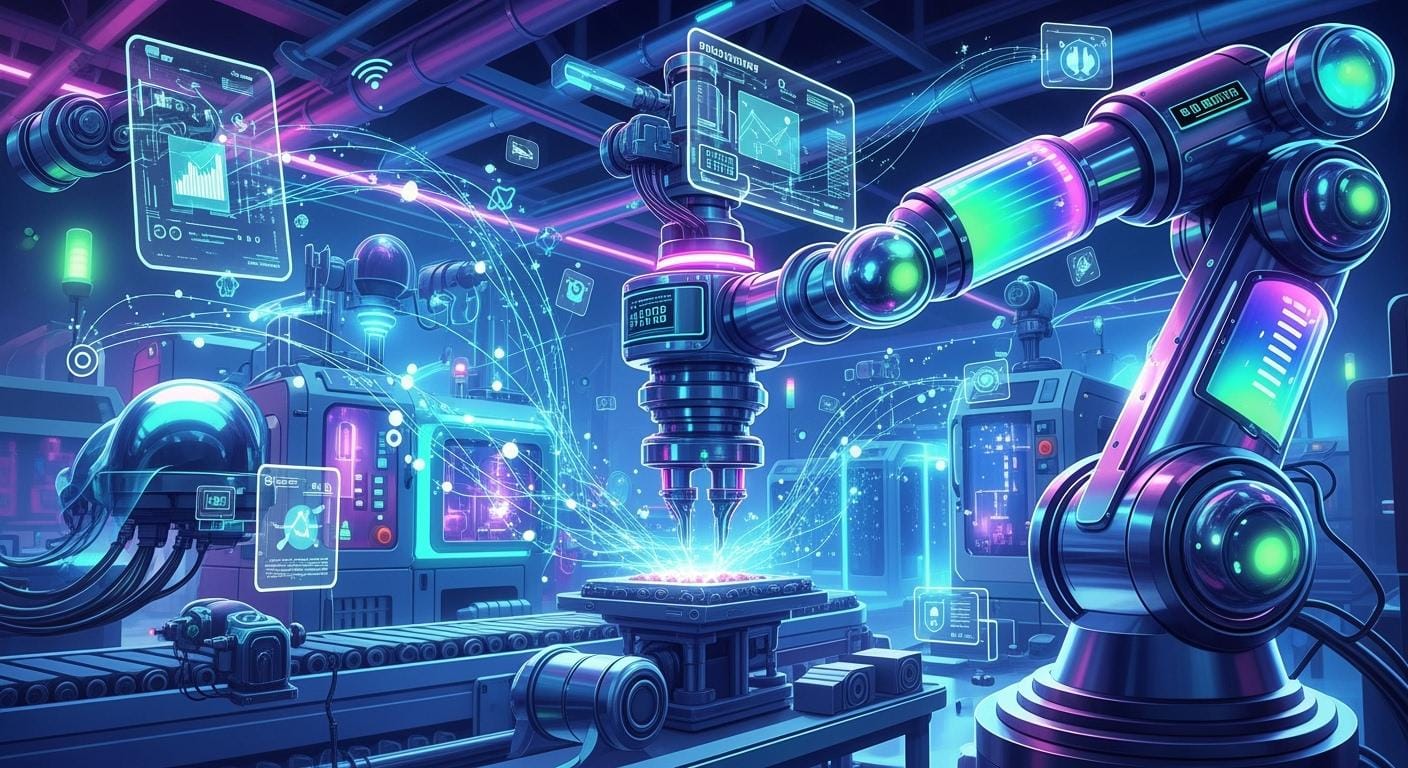

Sensors act like the eyes and ears for robots in smart factories. You need sensors for robotics so robots can see objects and watch people move. Robots use real-time data from these sensors to change what they do. Sensors help robots work alone, move around, and make choices in factories. Robots utilize force sensing and force sensing resistor technology to touch things and finish jobs safely. The Industrial Internet of Things needs sensors to make factories more automatic and use data for making things.
| Evidence Description | Key Points |
|---|---|
| Sensors help robots see better | Robots can see their area, work safely with people, and change actions using real-time data. |
| Why sensor types matter | Different sensors are needed for things like avoiding obstacles and working with people. |
| What RGB-D cameras do | RGB-D cameras give strong data for planning moves and guessing what people will do, which helps robots make better choices. |
Table of Contents
Key Takeaways
- Sensors help robots see and hear what is around them. This lets robots understand their surroundings and make quick choices.
- Robots need different sensors for different jobs. Some sensors help robots avoid things in their way. Other sensors help robots work safely with people.
- Vision sensors, like cameras and lidar, help robots find objects. These sensors also help robots check the quality of items fast.
- Proximity sensors stop robots from bumping into things. This makes factories safer for everyone.
- Force sensing resistors help robots hold fragile items gently. This keeps things safe and lets robots work with care.
- Sensors give robots real-time data. This helps robots change quickly when things around them change. It also helps robots work better and stop wasting time.
- Sensors in factories help control quality. They find problems faster than people can.
- Buying good sensors can make factories work better. It also makes factories safer and more flexible.
The Role of Sensors in Robotics
Perception and Awareness
Environmental Sensing
Sensors help robots connect with the world around them. Robots use different sensors to notice what is happening nearby. These devices let robots see, hear, and feel things. Cameras and lidar help robots spot objects, people, and things in their way. Robots use these sensors to avoid bumping into things and to move safely. Some sensors check temperature, humidity, and air quality. These checks help keep factory work steady and safe.
- Sensors help robots:
- Notice their surroundings and make quick choices.
- Keep factories safe and running well.
- Move and find their way, which is important for mobile robots.
- Look for problems in products using cameras.
- Stop accidents by seeing when people are close.
- Do careful work with touch sensors.
- Watch over important conditions for special jobs.
There are two main sensor groups in robotics:
- Proprioceptive sensors tell robots about their own body, like accelerometers and gyroscopes.
- Exteroceptive sensors give robots information about the outside world, like cameras and ultrasonic sensors.
Real-Time Data
Robots need real-time data from sensors to act fast. This data helps robots change what they do right away. If a robot senses a person, it can slow down or stop. Lidar scans the area and helps robots make maps. Sensor resolution and sensor sensitivity are important for finding small changes. Better sensors help robots work more carefully and exactly. In smart factories, sensors link to the Industrial Internet of Things. These sensors watch how things are made and spot problems early. They also give quick feedback about product quality, so you can find mistakes fast and waste less.
Interaction and Adaptation
Feedback for Precision
Sensors give robots feedback so they can do jobs well. When a robot picks up something fragile, force sensors check how hard it squeezes. This feedback lets the robot hold things gently and not break them. Lidar and vision sensors help robots move and work with objects. You can pick the best sensor for each job by looking at sensor specifications. Good sensor sensitivity helps robots notice even tiny changes.
Dynamic Response
Robots need to change when things around them change. Sensors help robots react to new things. If a robot finds something in its way, it can go around it. Lidar helps robots make maps and not crash into things. The table below shows how sensors help robots connect in different ways:
| Connection Type | Description |
|---|---|
| Physical Connection | Measures forces and torques to know what people want and help robots act the right way. |
| Contactless Connection | Uses speech, gestures, machine vision, and haptic feedback to understand what people mean. |
Sensors are important for IIoT and smart factories. Vibration sensors help you fix machines before they break. These sensors warn you about problems. Accelerometers find small changes, so you can fix things before they stop working. Adding local computing to sensors has made them smart sensors. Smart sensors can do hard math and help with advanced factory work.
Sensors for robotics give robots what they need to see, act, and change in smart factories. The right sensors make factories safer, faster, and better at making good products.
Types of Robotic Sensors
Vision Sensors
Object Detection
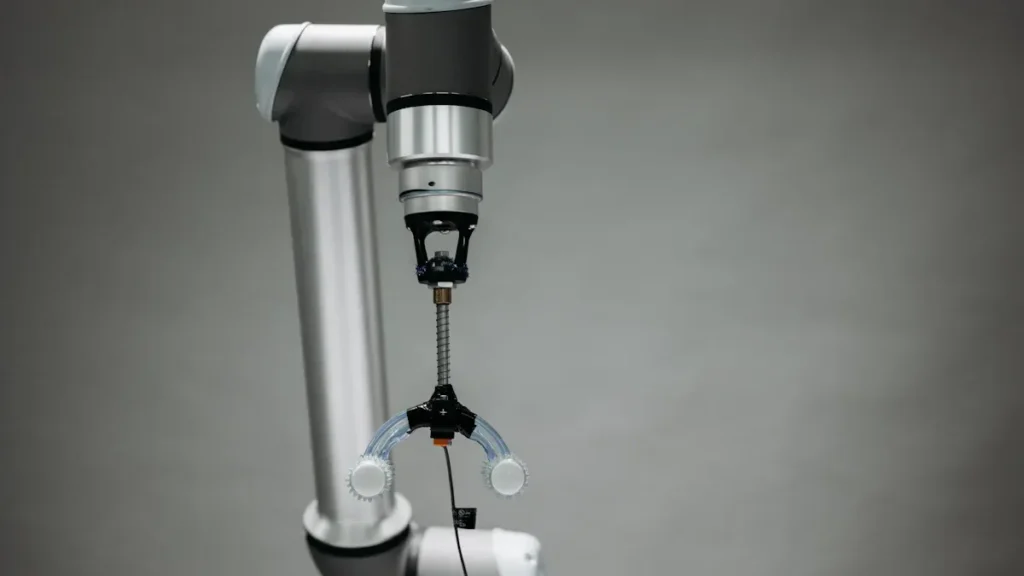
Vision sensors help robots see what is around them. These sensors use cameras and lidar to find objects and people. Robots need vision sensors to pick things up or sort items. Stereo cameras let robots know how far things are. This helps robots not make mistakes. Factories use vision sensors with AI to check fruit color and texture. This keeps food safe and meets rules. About 72% of factories use vision systems for finding objects and checking quality. These sensors make robots work faster and better.
Quality Inspection
Vision sensors are important for checking product quality. Robots use cameras and lidar to look for problems in products. Automated systems find mistakes that people might not see. These sensors check for cracks, wrong colors, or missing pieces. Vision sensors help keep products the same and waste less. AI and machine learning help find tiny problems. Robots can check items quickly and keep the line moving.
Proximity Sensors
Collision Avoidance
Proximity sensors stop robots from having accidents. These sensors find objects without touching them. Robots use infrared sensors to see things close by. Ultrasonic sensors use sound waves to measure distance. Capacitive sensors find soft or non-metal things by sensing electric fields. Proximity and distance sensors keep robots from hitting people or machines. Robots stop or turn when something is near, so safety is better.
Navigation
Robots use proximity sensors to move in factories. Navigation sensors like GPS and digital compasses help robots know their place. Lidar scans areas and makes maps for robots to follow. Robots use these sensors to go between workstations and bring parts. Proximity sensors track tools and parts, so work does not stop. These sensors work well in hard places and help robots stay working.
Force Sensing Resistors (FSRs)
SOUSHINE FSR Technology
SOUSHINE makes special force sensing resistors for robots. These sensors measure force and pressure very well. You find SOUSHINE FSRs in medical tools, cars, and factory robots. The sensors use polydimethylsiloxane and conductive polymers to work better. SOUSHINE FSRs are used in surgery robots, rehab tools, and fake limbs. You can change these sensors to fit different shapes and sizes. Sensor arrays and robot skins use SOUSHINE FSRs to show pressure in many places.
Tip: SOUSHINE FSRs help robots feel touch and stay safe with people.
Touch and Pressure Sensing
Force sensing resistors let robots feel touch. Robots use these sensors to hold things gently and not break them. You see FSRs in robot arms that pick up soft items. Sensor grids find touch in many spots, which helps robots be safe with people. SOUSHINE FSRs help robots change when force changes. These sensors are needed for jobs that need gentle and careful moves.
Robots use many kinds of sensors like light, sound, temperature, contact, pressure, tilt, and IMUs. Each sensor helps robots work safer and better in smart factories.
Temperature and Environmental Sensors
Temperature and environmental sensors help you take care of machines. These sensors watch the area around your equipment and inside your factory. You use them to notice changes that might hurt machines or make products worse. Adding these sensors gives you more control and better results in your smart factory.
Machine Health
Sensors help machines work well for a long time. Temperature sensors check if machines get too hot. If a machine gets too warm, it might break or stop. Environmental sensors look for changes in humidity, air quality, and other things. These sensors send alerts right away when something is wrong. You can fix problems before they get bigger.
- Tracking and alerts help you find problems early.
- Early warning lets you fix things before they break.
- Sensors help machines work their best.
- Things like humidity can change how machines work.
- Sensors help keep workers safe by finding dangers.
- You spend less fixing things because you catch problems early.
- You get more work time and fewer surprise stops.
- Machines make better products when conditions are right.
Temperature sensors are important for keeping machines healthy. If you see the temperature go up, something might be wrong. You can act fast to stop damage. These sensors help machines last longer and work better.
Product Quality
Sensors help you make good products every time. When you use temperature and environmental sensors, you control things that affect your goods. If the air is too wet or too dry, products can change. Sensors let you fix the environment so products stay the same.
You use sensors to check for dust, moisture, and other things that can hurt products. Keeping the environment steady means better quality and less waste. Sensors help you follow safety rules and keep products safe for people.
You can use many sensors in your factory. Temperature and environmental sensors work with vision sensors and proximity sensors to show you what is happening. Robotic sensors use this data to make smart choices and keep work going well.
Tip: Using the right sensors protects machines and helps you make better products. You also save money and keep your factory working smoothly.
Sensors in Smart Factory Operations
Quality Control Automation
Defect Detection
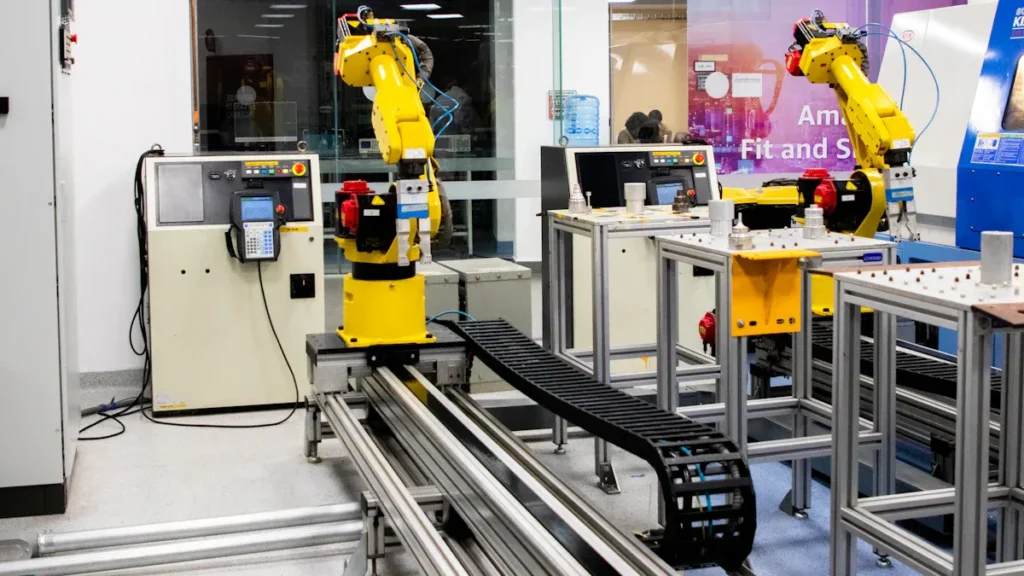
Sensors help robots find problems in products as they move. Cameras and lidar check each item for cracks or missing parts. These robotic sensors work faster than people and never get tired. Sensors can see tiny color changes or small cracks that people might miss. Lidar scans surfaces and measures shapes to make sure products are right. This helps every product meet your standards.
Here is how automated quality control works in smart factories:
| Source | Key Points |
|---|---|
| Automated inspection and quality control | Automated systems use cameras and sensors to check products and reduce mistakes. |
| The Ultimate Guide to Automated Inspection Systems | Cameras, sensors, and algorithms work together to find defects and keep quality steady. |
| AI-Powered Quality Control in Manufacturing | AI systems check products quickly and accurately, so every item gets inspected. |
You can trust robotic sensors to check all your products. You will not miss defects, and your customers will be happy.
Process Optimization
Sensors help you run your factory better every day. You use sensors to watch machines and stop problems before they start. Sensors track temperature, pressure, and force to keep things working. Lidar checks where items are on the line. Real-time data helps you fix issues before they stop production. You also look at sensor specifications to pick the best sensor for each job.
- Sensors help you work faster by stopping downtime and raising productivity.
- Sensors keep product quality steady by controlling important process steps.
- You waste less and use resources better when you use sensors.
- Sensors help you find dangers and follow safety rules.
Sensor resolution and sensor sensitivity help you spot small changes. This lets you make better products and save money.
Predictive Maintenance
Equipment Monitoring
Robotic sensors let you watch your machines all the time. Vibration sensors, temperature sensors, and lidar check for signs of trouble. Smart sensors send alerts if something changes. You use sensor specifications to pick sensors that fit your machines. Robotic sensors help you find problems early, so you do not wait for a breakdown.
- Predictive maintenance finds machine issues early, not after they break.
- You avoid extra repairs and keep machines running longer.
Smart sensors for robotics give you the data you need to keep your factory moving.
Downtime Reduction
You want your machines to work without stopping. Sensors help you cut unplanned downtime. IoT-enabled smart sensors can lower downtime by 30% or more. Some factories have seen a 40% drop in downtime after adding smart sensor monitoring. Lidar and other sensors spot problems fast, so you can fix them before they stop your line.
Smart sensors watch equipment health and performance. For example, vibration sensors find spikes that show a machine might fail. You act fast and keep your factory running.
Adaptive Automation
Flexible Production
Sensors let you change your production line quickly. Real-time data from sensors helps you adjust machines and processes. Lidar and other sensors track items and help robots move parts. Adaptive production uses data, AI, and automation to keep your factory flexible.
- Sensors and monitoring systems collect real-time data for quick adjustments.
- Technologies create a feedback loop from sensing to action.
Custom Manufacturing
Sensors help you make custom products in your factory. Sensors track each step and make sure every item meets your needs. Lidar checks shapes and sizes, so you get the right product every time. You use sensor specifications to match sensors to your process. This helps you support many product types and keep quality high.
Tip: Use sensors to make your factory flexible and ready for any order.
Safety and Collaboration
Accident Prevention
You want everyone in your factory to be safe. Sensors help you do this. These devices watch for people and things near robots. When someone steps into a robot’s area, sensors notice fast. The robot can slow down or stop to keep people safe. Vision-based sensors watch how people move and stand. These sensors help robots know when someone is close or in danger.
Sensors do more than just stop robots. They help you stop accidents before they happen. Distance sensors measure how close things are to robots. If something gets too close, the robot changes its path. Tactile sensors feel when a robot touches something. If the robot bumps into someone or something, the sensor sends a signal. The robot then stops or moves away.
- Sensors help you:
- Notice what people are doing.
- Find people in shared spaces.
- Avoid hitting people or machines.
- Act fast if there is contact.
You can trust sensors to keep your team safe. These devices work all the time and never get tired. You lower the chance of injury and keep your factory working.
Human-Robot Interaction
You want robots and people to work together. Sensors make this happen. Collaborative robots, called cobots, use smart sensors to share space with people. These robots use vision sensors to see people and things. They also use gesture sensors to understand hand signals. This makes working with robots easy.
Some robots use special units like DiGeTac. This unit uses gesture, distance, and tactile sensors together. The distance sensor checks how close people are. The tactile sensor feels bumps and tells the robot to stop. Gesture recognition lets you control robots with simple hand moves. You do not need special tools or buttons.
- With sensors, you get:
- Good proximity detection for safe teamwork.
- Impact detection for quick safety actions.
- Easy communication using gestures.
Note: Sensors help robots know what you do and feel. This makes working with robots safer and more natural.
You make safety and teamwork better when you use sensors in your factory. Robots can sense, react, and change for people. You build trust between your team and your machines. This leads to better results and a safer place to work.
Benefits of Sensors for Robotics
Efficiency and Productivity
Faster Cycles
Sensors help your factory work faster. They give you real-time data about machines. You can change things quickly when you see problems. MEMS sensors watch every step in your line. You find slow spots and fix them fast. IoT sensors send instant feedback to you. This helps you adjust machines and speed up work. Many factories get up to 20% faster cycles with sensors. You also track energy use and cut waste. This saves money and helps you work better.
Error Reduction
Sensors help you make fewer mistakes. Robots use sensors to check their work. They fix errors before they get worse. You can trust sensors to find defects. Your products stay the same every time. Sensors help you plan maintenance too. They watch machines and warn you about problems. You fix things before your line stops. Some factories cut breakdowns by 60% with sensors. Robots do jobs the same way each time. This lowers human error.
Tip: Use sensors to watch resources. You will find waste and stop it before it costs you money.
Enhanced Safety
Hazard Detection
Sensors help keep your team safe. They find dangers before someone gets hurt. These devices watch for heat, gas, or movement. If something changes, you get an alert fast. You can act quickly to stop accidents. Sensors also check air and temperature. This keeps your workplace safe for everyone.
Risk Minimization
Sensors help lower risks in your factory. Robots with sensors control how machines move. If a person gets close, the robot stops or slows down. This keeps people safe and stops injuries. Sensors help you follow safety rules. You can show your machines work safely every day.
Flexibility and Scalability
Rapid Reconfiguration
Sensors help your factory change fast. You can switch products or processes quickly. IoT devices and sensors collect real-time data. This data helps you change your line without stopping work. You can meet new orders or fix problems fast.
Diverse Product Support
Sensors help you make many products. You can change your setup without long waits. Sensors show you real-time status of machines. You can manage your factory from anywhere. This makes it easy to grow and add new products.
| Evidence Type | Description |
|---|---|
| Internet of Things (IoT) | IoT devices and sensors collect real-time data from machines, enabling predictive maintenance. |
| Operational Visibility | Provides real-time status of all connected assets and processes, enhancing flexibility. |
| Remote Monitoring | Enables management from anywhere, supporting scalability. |
| Rapid Reconfiguration | Facilitates quick adjustments in production systems to meet changing demands. |
- Modular production lets you change your line fast.
- You keep quality steady at any size.
- You switch between products quickly.
- You can grow your automation as your business grows.
Sensors for robotics give you tools to work faster, safer, and smarter. You can meet new challenges and keep your factory strong.
Data-Driven Decisions
Analytics Integration
Sensors collect data from all parts of your factory. These devices send details about machines, products, and how things work. When you link sensors to analytics software, you see what is happening right now. You do not have to wait for reports or guess the problem. You notice issues as soon as they start.
Analytics software uses sensor data to show clear results. You can tell which machines work well and which need fixing. You spot slow areas and fix them quickly. You also see how much energy you use and where you can save. Using analytics helps you make better choices every day.
Here is a table that shows how analytics and sensors help in factories:
| Description | Impact on Manufacturing |
|---|---|
| Real-time data collection and analytics improve decisions | You work more efficiently |
| Connected devices reduce manual data collection | You save time and increase productivity |
| Analytics detect issues before they happen | You keep machines running and avoid problems |
| Analytics give you real-time awareness | You stay competitive and keep costs low |
| Manufacturing analytics use data from equipment | You boost productivity and profits |
Tip: When you use sensors with analytics, you see your whole factory clearly. You act fast and keep your business strong.
Continuous Improvement
Sensors help you make your factory better every day. You watch how machines and workers do their jobs. You use the data to find ways to improve. When you see a problem, you fix it right away. You do not wait for things to get worse.
You set goals for your team and check progress with sensor data. You see if changes work or if you need to try something else. You learn from each job and make your process stronger. You also use sensors to check if your products meet quality rules. If something goes wrong, you know where to look.
You keep your factory moving forward. You use what you learn to make better products and help your customers. Sensors give you the facts you need to grow and succeed.
Challenges of Robotic Sensors
When you add sensors in robotics to your factory, you face some problems. These problems can make your systems work less well and slow down results.
System Integration
Compatibility
New sensors might not fit with your old machines. Sometimes, software does not let systems talk to each other. Every factory is different, so you may need special changes. This can cost more money. If your team does not know robotics, it can take longer to finish. Bad planning or wrong parts can also slow you down.
- Custom changes can be expensive
- Software may not match
- Not enough robotics skills
- Tools or settings may not match
- Not planning for changes
You must think about space, power, and other needs before adding sensors. Many factories do not plan for robots when they build. This makes adding sensors later harder and costs more.
Legacy Upgrades
Old machines may not work with new sensors. You might have to fix or swap out some parts. This takes time and money. If you do not have enough power or air, it gets harder. You also need to teach workers how to use new tools. This can slow down your work.
Data Management
Volume Handling
Robotics sensors make a lot of data. You need to handle this data the right way. First, look for places where data is kept apart. Make all your data the same type to help systems work together. Use one main data system to keep things simple. Master Data Management helps you fix data problems and keep things in order. Teach everyone to use data so your team works better.
- Check your data
- Make data types the same
- Use one main data system
- Use Master Data Management
- Build a team that uses data
Security
You must keep your data safe from harm. More sensors mean more risks for your data. AI agents can help by checking data rules all the time. They can also find problems before they get big.
By 2026, AI agents will clean and check data by themselves. This will cut down on problems and help you make good choices with true data.
Reliability
Calibration
Robotic sensors need to be checked often to stay right. If you do not check them, you get wrong numbers. This can mess up how robots move and work. You need a good plan to check sensors. Things like heat and wet air can make sensors wrong. Change your sensors to match these things. Checking sensors often keeps your data steady.
- Checking sensors is important for good numbers
- Change for heat and wet air
- Check sensors often for steady data
Performance Consistency
You want sensors to work the same every time. Watch how they work to keep things running well. Use math tools to check if sensors are working right. Checking sensors often keeps your robots safe and working well. Sensor sensitivity can change, so you must check it a lot. Keeping sensors steady helps robots do their jobs right.
Robotic sensors are important in your factory, but you must fix these problems to get the best results.
Future of Sensors in Robotics
Sensor Miniaturization
Sensors are getting much smaller now. Small sensors help you build tiny robots. These robots can work in tight spaces. Ultra-compact multi-axis sensors give you better control. You use them in small robots for precise moves. High-strength micro load cells measure heavy things with tiny parts. Low-profile torque transducers save space in your designs. These new sensors make it easy to add sensing everywhere in your factory.
| Sensor Type | Description |
|---|---|
| Ultra-compact multi-axis sensors | Made for exact moves in small robots. |
| High-strength micro load cells | Hold heavy loads in small spaces. |
| Low-profile torque transducers | Fit in places with little room. |
Mini sensors let robots move faster and fit in small areas. You can put sensors in robot arms and grippers. You can even put them inside moving parts. This helps you get more data and control. You do not need to make machines bigger.
AI and Data Processing
Artificial intelligence is changing how you use sensors. AI helps you look at data quickly and make smart choices. You do not have to sort data by hand anymore. AI makes your work easier and more reliable. When you add more sensors, you get more data. AI helps you find patterns that make your factory better.
Edge AI lets you use data right where you collect it. Robots can react in less than 10 milliseconds. This speed helps robots avoid crashes or change direction fast. Neuromorphic sensors help robots understand what they sense. These sensors give you quick and clear information for moving and making choices.
You use AI to make sensors smarter. Robots learn from data and get better at their jobs. You see fewer mistakes and faster actions.
Wireless and IoT Sensors
Wireless sensors change how machines connect in your factory. You use Bluetooth, Wi-Fi, and Zigbee to send data without wires. This makes it easy to move machines and add sensors. You track tools and watch equipment with RTLS. RTLS helps you find things fast and saves time.
| Connection Type | Frequency | Range |
|---|---|---|
| Bluetooth | 2.4 GHz | 10 meters (30 feet) |
| Wi-Fi | 5 GHz | 57.9 meters (190 feet) indoors |
| Zigbee | 2.4 GHz | 10-100 meters (32.8-328 feet) |
Wireless sensors help you watch machines and automate jobs. You see data right away and make changes fast. These sensors help machines talk to each other. You make production better and use energy wisely.
- Cost Reduction: You spend less to set up and fix sensors.
- Energy Efficiency: Many sensors use little power and last long.
- Data-Driven Insights: You get more data for smart choices.
Wireless sensors keep your factory flexible. You add new machines and sensors without stopping work. You see more data and use it to make things better. New ideas like energy harvesting, AI, and 5G will make sensors even more helpful soon.
Tip: Use wireless sensors to make your factory smarter and work better.
SOUSHINE Innovations
Every year, robotics gets new ideas. SOUSHINE is a leader with smart sensor technology. SOUSHINE’s Force Sensing Resistors help solve problems in many fields. These sensors measure force very accurately. You can use them in healthcare, factories, and cars. SOUSHINE makes sensors that last long and work well every day.
Here is a table that shows why SOUSHINE’s sensors are special:
| Feature/Advantage | Description |
|---|---|
| High accuracy | SOUSHINE’s FSR sensors measure force better than most. |
| Durability | The sensors last long, even with lots of use. |
| Customization | SOUSHINE makes many shapes and sizes for all needs. |
| Low power use | These sensors use little energy, good for portable things. |
| Easy to add | SOUSHINE’s FSR sensors fit easily into new or old products. |
You can use SOUSHINE’s sensors in many places:
- In healthcare, robots use FSRs to help doctors in surgery and care.
- In factories, robots use FSRs to check quality and handle items gently.
- In cars, FSRs help with seat safety and smart controls.
You get sensors that match your needs. SOUSHINE offers many shapes and sizes. You can add these sensors to new machines or old ones. You do not need to change your whole system. These sensors use little power, so you save energy and money.
SOUSHINE works to make sensor technology better for the earth. You help the planet when you pick sensors that use less power. SOUSHINE chooses green materials and supports recycling. These steps help make factories cleaner and safer for the future.
You see SOUSHINE’s sensors in robotics projects that need smart touch and careful moves. You get strong performance and easy setup. You can trust these sensors to work well in hard jobs. SOUSHINE keeps making new sensor ideas to help you build better robots and smarter factories.
Tip: When you use SOUSHINE’s sensors, you get reliable tools for robotics and smart factories. You help your business grow and support a cleaner world.
Choosing Robotic Sensors
Application Assessment
First, you should think about what your robots need to do. Every job in your factory needs its own sensors. Some robots pick up tiny parts. Others check if products are good or move big things. You have to choose the right sensors for each job.
Here are some important things to think about when picking sensors in robotics:
- Accuracy and sensitivity
- Output signal and compatibility
- Size and mounting
- Energy and voltage needs
- Resolution and range
- Response speed
- Linearity
- Environmental durability
- Certifications and standards compliance
- Connectivity options
You can use this table to help you pick:
| Criteria | Description |
|---|---|
| Application Requirements | Decide what the robot will do and where it will work. |
| Types of Sensors Needed | Choose sensors like force, load, or proximity sensors for each job. |
| Performance Specifications | Look at sensitivity, range, speed, and how tough the sensor is. |
| Integration and Compatibility | Make sure sensors work with your systems and fit where you need them. |
Tip: Always look at sensor specifications before buying. This helps you avoid problems later.
Performance and Cost
You want sensors that work well and do not cost too much. How accurate the sensors are and how they work together is very important. If sensors do not match, robots might not work right. You do not always need the most expensive sensor. The best sensor depends on what you need and how sensors in robotics work together.
- Sensor accuracy and how they work together change your results.
- Price is important. You want good value for your money.
- Expensive sensors are not always better. Sometimes, a cheaper sensor is enough if you check the sensor specifications.
You should look at both price and how well the sensor works. This helps you make smart choices for your factory.
SOUSHINE Custom Solutions
SOUSHINE gives you lots of choices for sensors in robotics. You can pick different shapes and sizes. If you need something special, SOUSHINE can make a custom sensor for you. These sensors work for many jobs, like picking up soft things or checking pressure in machines.
You get sensors that last long and use little energy. SOUSHINE sensors work in factories, cars, and healthcare. You can trust these sensors to give you good information. SOUSHINE helps you match sensor specifications to your needs. You can talk to SOUSHINE about your project and get help picking the best sensors for your robots.
Note: Custom solutions from SOUSHINE help you fix hard problems in robotics and make your factory smarter.
You need sensors for robotics to help your factory work well. Sensors let you control machines, check if products are good, and keep people safe. The right sensors make every part of your robots better. SOUSHINE’s FSRs and other smart sensors help you fix problems and get more done. Look for sensor solutions to make your factory smarter. Ask SOUSHINE to help you pick the best sensor for your job.
FAQ
What do sensors do in smart factories?
Sensors help robots see, touch, and measure things. You use them to check products, watch machines, and keep people safe. Sensors send real-time data to your systems.
Why should you use SOUSHINE FSRs in robotics?
SOUSHINE FSRs measure force and pressure with high accuracy. You can use them in many shapes and sizes. These sensors help robots handle objects gently and work safely with people.
How do sensors improve safety in factories?
Sensors notice people and objects near robots. You get alerts if something is too close. Robots can stop or slow down to prevent accidents. This keeps your team safe.
Can you add sensors to old machines?
Yes, you can add sensors to older machines. You may need some changes or adapters. SOUSHINE sensors fit many systems and help you upgrade your factory.
What types of sensors do robots use?
Robots use vision, proximity, force, temperature, and environmental sensors. Each type helps with different jobs. You choose sensors based on what your robots need to do.
How do sensors help with quality control?
Sensors check products for defects. You get fast feedback about cracks, color changes, or missing parts. This helps you fix problems early and keep quality high.
Are SOUSHINE sensors customizable?
Yes, you can ask SOUSHINE for custom sensors. You pick the shape, size, and features you need. Custom sensors help you solve special problems in your factory.
How do you choose the right sensor?
You look at what your robot needs to do. Check the sensor’s accuracy, size, and how it connects to your system. You can ask SOUSHINE for help picking the best sensor.