

Call us: +86-137-2353-4866
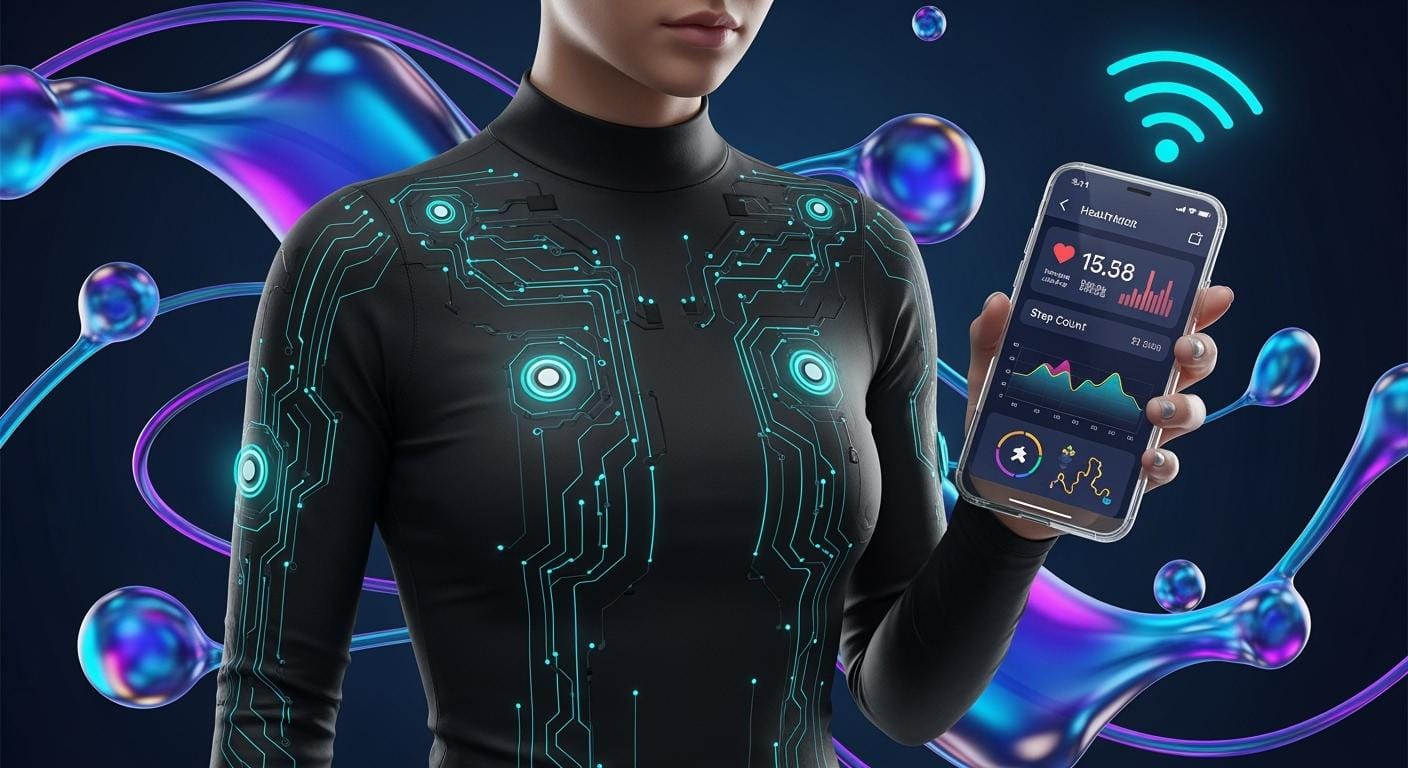

Smart clothing uses special fabrics and e-textiles. These materials can sense and react to your body. The fabrics have force sensing technology inside. For example, a force sensing resistor can detect pressure and movement. You can wear smart clothing to help your muscles relax. It can also help your blood flow better and reduce soreness. The technology helps you recover faster. It also helps you move with better alignment.
| Benefit | Description |
|---|---|
| Performance Optimization | Tracks muscle activity and tiredness to help you do better in sports. |
| Environmental Adaptation | Changes insulation and breathability to keep you comfortable in different situations. |
| Faster Recovery | Helps your body recover naturally so you can train more often. |
Table of Contents
Key Takeaways
- Smart clothing has special fabrics with sensors. These sensors track your health and activity.
- Wearable technology in smart clothing helps your muscles recover. It also helps you perform better.
- Sensors check important signs like heart rate and body temperature. This lets you see your health in real time.
- Smart clothing changes with the environment. It keeps you comfortable in different conditions.
- You can wash smart clothing like normal clothes. This makes it simple to take care of.
- Smart textiles mix fashion and technology. You can wear them and look stylish while they work.
- Smart clothing helps you reach fitness goals. It gives you feedback about how you are doing.
- Privacy is important, so check how your data is used. Always do this before you buy smart clothing.
Smart Clothing Overview
What Is Smart Clothing
Smart clothing helps you learn about your body and surroundings. These clothes have sensors and small electronics inside the fabric. The sensors are part of the textiles and e-textiles. They check things like how you move, how much pressure you use, and your temperature. You get updates about your health and what you are doing right away. Smart clothing is not the same as regular wearable devices. You do not need to put extra gadgets on your body. The sensors and electronics are hidden in the fabric, so you stay comfy and can move easily.
Smart clothing does more than just basic tracking. You can see details about how your muscles work and how you breathe. You do not have to charge smart clothing as much as a fitness band. You can wash smart clothing and wear it every day.
Here is a table that shows the main types of smart clothing you can buy:
| Category | Description | Applications |
|---|---|---|
| Ultra-smart Textile | Textiles with sensors and microelectronics for real-time data collection | Healthcare, military, professional sports |
| Upper wear | Shirts, jackets, and vests with sensors for health monitoring | Sports, fitness, healthcare |
| Lower wear | Pants, leggings, and shorts for tracking activity and posture | Fitness, rehabilitation, sports |
Key Features
Smart clothing uses special fabrics with cool features. You find sensors, microcontrollers, and wireless connections inside the clothes. These things help you check your health, do better in sports, and feel good.
Here is a table that lists the main features you get in smart clothing:
| Feature | Description |
|---|---|
| Embedded Electronics | Electronic parts like sensors and microcontrollers inside the fabric |
| Sensors | Sensors such as accelerometers and heart rate monitors collect data |
| Connectivity | Wireless connections like Bluetooth or Wi-Fi send data to your devices |
| Data Collection and Analysis | Collects and analyzes data about your body and environment |
| Functionality | Tracks fitness, corrects posture, and heats clothing |
| User Interaction | Touch-sensitive areas or buttons let you control functions |
| Washable and Durable | You can wash and wear smart clothing many times |
| Fashion and Aesthetics | Looks like regular clothing and fits into your daily life |
| Future Potential | New energy-saving designs and better sensors may appear soon |
Smart clothing mixes fabric and technology together. You get sensors that watch your body signals and notice changes in movement or heat. You use smart clothing to track your health, check your performance, and wear every day. The special fabrics help you stay active and comfortable.
- Sensors track your body signals.
- Smart clothing notices movement, pressure, and temperature.
- You use smart clothing for health, fitness, and comfort.
- Smart clothing looks and feels like normal clothes.
Smart Clothing Technology
Integrated Sensors
Smart clothing has sensors inside the fabric. These sensors touch your skin when you wear the clothes. They measure things like how you move, how much pressure you use, and your body temperature. You get updates about your health and activity right away.
Force Sensing Resistors (FSRs)
SOUSHINE’s Force Sensing Resistors, or FSRs, are important in smart clothing. FSRs are inside the fabric and e-textiles. They measure how hard you press on them. When you push on an FSR, its resistance goes down. This helps the sensor know how much force you use. FSRs have a bendy base, a spacer, and a layer that carries electricity. The sensor gives you good readings because it reacts to different pressure levels.
You can use FSRs in many smart clothing products. They help you track muscle use in sports. They also help doctors watch how patients move. FSRs give you exact data without big devices. The sensors fit in the fabric, so you stay comfy.
Tip: SOUSHINE has FSRs in many shapes and sizes. You can pick the one that works best for you.
Other Sensor Types
Smart clothing also has other sensors. Accelerometers check how you move. Heart rate monitors watch your pulse. Temperature sensors check your body heat. Some shirts have soft strips in the fabric that touch your skin. These strips can check your breathing and heart rate.
Here is a table that shows what sensors do in smart clothing:
| Feature | Description |
|---|---|
| Sensor Integration | Sensors in the fabric collect data from your body. |
| Data Transmission | Sensors send signals to your phone with Bluetooth. |
| Example Product | SKIIN innerwear has six sensors to check heart rate and body temperature. |
| Unique Feature | Some smart clothes use wireless charging to make charging easy. |
The sensors send data to your phone or tablet. You can see your health and activity right away.
Connectivity and Power
Smart clothing uses wireless ways to send data. Bluetooth lets your clothes talk to your phone nearby. Wi-Fi lets you get your data from anywhere with internet.
- Bluetooth sends data from your clothes to your phone.
- Wi-Fi lets you see your data from far away.
Some smart clothes use wireless charging. You do not need to plug in wires. The technology does not use much power, so you do not charge it often.
Here is a list of ways smart clothing connects:
- Bluetooth
- Wi-Fi
Smart clothing mixes sensors, fabric, and wireless tech. You get good data, easy charging, and comfort. You use these clothes to watch your health, do better in sports, and stay connected.
Types of Smart Clothing

Health and Fitness Wear
Smart clothing helps you check your health and fitness. The clothes have sensors inside the fabric. These sensors measure your heart rate and steps. They also check how your muscles move. You can see your progress on your phone or tablet. Athletes wear these clothes to get better at sports. Doctors use smart clothing to watch patients as they heal. SOUSHINE’s Force Sensing Resistors give you exact data about movement and pressure. You find these sensors in shirts, leggings, and socks. The sensors are inside the fabric, so you feel comfortable when you move.
You can wear smart clothing every day. It helps you learn about your body and reach your fitness goals.
Temperature-Regulating Apparel
Some smart clothing helps you control your body temperature. These clothes use special fabrics that react to heat and cold. CELLIANT technology uses minerals in the fabric. The minerals catch your body heat and turn it into infrared light. This light goes back into your skin. It helps your blood flow and keeps your temperature steady. You feel cooler after exercise when you wear CELLIANT clothes. The technology also helps you warm up when you need it.
- CELLIANT fabrics help your body lose extra heat fast.
- The textiles help you avoid chills after you cool down.
- You feel comfortable in many kinds of weather.
Some temperature-regulating clothes use Thermocules™. These fabrics soak up heat when you get hot. They store the heat and let it out when you cool down. This helps you stay comfortable all day.
Studies show that sports clothes with these fabrics help you do better in hot weather. The right design and fabric choice change how you feel when you exercise.
Smart Accessories
You can find smart accessories that work with your clothes. These items use e-textiles and other technology to connect with your devices. Some popular smart accessories are:
You can use these accessories with smart clothing or other wearable devices. Many of these products use textiles and e-textiles to help you use technology every day.
Smart Textiles and Materials
Smart textiles are the main part of smart clothing. You find these materials in shirts, pants, and accessories. They collect data and send it to other devices. These textiles help your clothes sense your body and the world. You get feedback about your health, movement, and comfort right away. Smart textiles make your clothes more helpful. Your clothing becomes a tool you use every day.
Conductive Fabrics
Conductive fabrics are very important in smart clothing. You see these fabrics in lots of products. They let electricity move through the material. This helps your clothes work with sensors and small devices. Conductive fabrics are soft and bend easily. They fit your body and move with you. They last a long time, even after many washes.
- Conductive fabrics let electricity pass through, which is needed for smart clothing.
- You can bend and stretch these fabrics, so they stay comfy.
- These fabrics keep working after you wash them many times.
- Sensors in the fabrics check for moisture, temperature, and pressure.
- You use these fabrics in health monitors and smart bandages.
- In sports, these fabrics track your activity and can charge small devices.
Conductive fabrics help smart clothing sense and react to what you need. You get good data about your body and the world because of these materials.
Passive, Active, Ultra-Smart Textiles
There are three main types of textiles in smart clothing. They are passive, active, and ultra-smart. Each type works in its own way and has a special job.
| Type of Textile | Performance | Application |
|---|---|---|
| Passive | Uses its structure for things like UV protection or stopping germs | You see these in outdoor gear and medical wearables |
| Active | Changes how it works when the environment changes, like keeping you warm or sensing if you sit down | You find these in jackets and car seats |
| Ultra-smart | Has advanced technology for more features and better interaction | You see these in new, high-tech products |
Passive textiles give simple benefits, like blocking sunlight or fighting germs. Active textiles change when things around you change. For example, they keep you warm when it gets cold. Ultra-smart textiles use advanced technology for more control and feedback. You might use these in smart uniforms or special sports gear.
Smart textiles make your clothing smarter and more useful. E-textiles have electronics inside for extra features. This technology helps you track your health, stay comfy, and connect with your devices.
Everyday Uses
Health Monitoring
Smart clothing helps you check your health every day. The sensors in the fabric touch your skin. They watch your body signals and send data to your phone. You see your health info right away. Many people use smart clothing to find health problems early. Some use it to track long-term health issues.
Some common health monitoring features are:
- Respiration rate, lung capacity, and breathing patterns
- Muscle activity (EMG)
- Body temperature and hydration levels
- Posture, gait, and movement quality
You get alerts if something changes in your body. The textiles help you and your doctor make better choices. You do not need extra devices. The sensors work inside the fabric, so you stay comfy.
Fitness Tracking
Smart clothing helps you reach your fitness goals. The sensors in the fabric count your steps and heart rate. They also check how your muscles move. You see how hard you work when you exercise. The sensors give feedback on your form. They help you avoid getting hurt. You can set goals and watch your progress.
Athletes use smart clothing to get better at sports. The textiles show how your body moves. You learn which muscles you use most. You can change your workout for better results. The fabric stretches and moves with you. You do not feel tight or uncomfortable. You can wash these clothes like normal shirts and pants.
Entertainment and Work
Smart clothing makes work and fun easier. The textiles connect with your devices. They help you stay safe and get more done. You can use touch areas on your clothes to play music or answer calls. Some smart clothing can sense dangerous gases. Some help you keep good posture at your desk.
Here is a table that shows how smart clothing helps at work and play:
| Application Type | Description |
|---|---|
| Health Monitoring | Smart clothing can help workers stay safe and healthy, like exosuits that lower strain. |
| Productivity Enhancement | Clothes with sensors show when a worker is focused, helping with social distancing and fewer interruptions. |
| Efficiency Improvement | Touch-screen clothes let workers see notifications without a phone. |
| Risk Reduction | IoT sensors in clothes can find harmful gases, making dangerous places safer. |
| Movement Encouragement | Sensors in clothes help workers sit and move better, which is good for office jobs. |
| Comfort Improvement | Smart clothing can control temperature, making workers more comfortable in different places. |
You can use smart textiles in many jobs. People in factories, hospitals, and offices all benefit. The fabrics and e-textiles help you stay safe and connected while you work or have fun.
Cost, Brands, and Accessibility
Price Range
Smart clothing costs more than normal clothes. This is because it has technology inside. Smart fabrics have sensors and electronics. These help you track health and activity. That makes the price higher than regular clothes. Some people think the extra cost is worth it. They like the special things smart clothing can do.
- Smart textiles cost more because they have sensors.
- Health tracking features make the price seem fair.
- You pay for comfort and new technology together.
Where to Buy
You can buy smart clothing in lots of places. Big sports stores sell shirts and pants with sensors. Online shops have more choices. You can compare products there. Some brands sell smart clothing on their own websites. Tech stores also have e-textiles and smart accessories.
Tip: Look at product details before you buy. Make sure the smart clothing fits you and works with your devices.
Leading Brands
Many brands make smart clothing with special textiles. Some brands focus on sports. Others mix fashion and technology. Here is a table with top brands and what they offer:
| Brand | Innovations | Description |
|---|---|---|
| Under Armour | UA Record-Equipped | Smart clothing tracks how you perform. Athletes use it to get better. |
| Ralph Lauren | PoloTech | Shirts have sensors to track activity. These shirts look stylish and use new technology. |
| Levi’s | Jacquard Jacket | You control your phone with gestures. The jacket shows how tech can fit into clothes. |
SOUSHINE
SOUSHINE is known for Force Sensing Resistors. You can use these sensors in many smart clothes. SOUSHINE lets you pick the sensor you need. You choose the size, shape, and how sensitive it is. Their engineers help you pick the right materials. You can get square, round, or custom shapes. The thickness and glue change for different force levels. The signals match what you need. SOUSHINE’s team helps you make sure the sensor works for your project.
- SOUSHINE uses bendy bases for foldable clothes.
- Strong plastics help sensors last longer.
- Material thickness changes for different sensitivity.
- Special inks help with electrical needs in e-textiles.
SOUSHINE’s engineers help you during design. This makes adding sensors to clothes easier. SOUSHINE’s FSRs work well in sports, healthcare, and wearable tech.
Benefits and Challenges
Advantages
Smart clothing has many good points that normal clothes do not have. You can check your health, feel comfortable, and do better in sports. The fabric has sensors that watch your heart rate, body temperature, and stress. You see your health numbers on your phone or tablet. You do not need extra gadgets because the sensors are inside the clothes.
Here is a table that shows the main good things about smart clothing:
| Advantage | Description |
|---|---|
| Health Monitoring | You can check important signs like heart rate and blood pressure. |
| Enhanced Convenience | Sensors in the fabric make it easy to see health numbers. |
| Performance Improvement | Athletes use smart clothing to get quick data and do better in sports. |
| Environmental Sustainability | Smart clothing uses materials that help the planet. |
| Comprehensive Data Tracking | You get lots of details about posture, hydration, and movement. |
You also get other good things:
- Smart clothing changes with the weather to keep you comfy.
- The fabric helps you stand and move the right way.
- You can use gestures to control music and calls.
- Some smart clothes make electricity from heat, so you need fewer batteries.
- You need fewer clothes because smart clothing works in many kinds of weather, which helps cut down on waste.
- Smart clothing helps track clothes and stops making too many.
You feel good because the fabric fits your body and moves with you. The soft feel makes smart clothing nice to wear. You do not feel pain or get hurt if you pick the right size and style. Smart clothing helps you move easily.
Limitations
Smart clothing has some problems. You might not always feel comfy or get a good fit. The technology should not make your skin itch. Some people say there are not enough styles, so you may not find what you like. Many people worry about privacy and safety. A survey showed that 60% of people worry about privacy with smart clothing. Sometimes companies do not tell you how they use your data, which can make you feel worried.
Here are some common problems:
- Comfort and fit are different for everyone, and some fabrics may not work for all.
- Privacy and safety worries may stop you from using smart clothing.
- Not enough styles can make it hard to show your own look.
- Companies do not always use what people say to make clothes better.
- Few smart clothes change comfort rules based on what users say.
Smart clothing collects private data. You should read privacy rules before you buy. Some brands try to be clear, but many need to do more. You may want more styles and designs. The technology keeps getting better, and new smart clothes may fix these problems.
You can see how smart clothing mixes fabric and technology. These clothes have sensors that watch your health and movement. They also give you feedback to help you improve. New studies show that some fabrics can clean themselves. Some materials can also change to fit your needs. These new features help in healthcare, sports, and saving the planet. Experts think most clothes will soon have electronics inside. This will make them more comfortable and help you track your health. You can pick smart clothing to help your health and sports. It can also make your daily life easier.
Key takeaways:
- Sensors in textiles check your vital signs and posture.
- E-textiles and special fabrics help you stay safe and comfy.
- More people are buying smart clothing, so the market is growing.
FAQ
What is smart clothing?
Smart clothing has special fabrics and sensors. It tracks your body signals. You wear it just like normal clothes. The sensors collect data about movement, heart rate, or temperature.
How do you wash smart clothing?
You can wash smart clothing by hand or in a gentle cycle. Always look at the care label first. Take off any removable electronics before you wash it.
Can you wear smart clothing every day?
Yes, you can wear smart clothing every day. The fabric feels just like regular clothes. The sensors do not bother you when you do normal things.
What devices connect with smart clothing?
Most smart clothing connects to your phone or tablet with Bluetooth. Some products also work with computers or smartwatches.
How does SOUSHINE’s FSR help in smart clothing?
SOUSHINE’s Force Sensing Resistors measure pressure and movement. You get exact data about your activity. These sensors fit inside the fabric and do not change how comfy it feels.
Is smart clothing safe for your skin?
Smart clothing uses materials that are safe for skin. The sensors do not bother most people. If your skin is sensitive, check the fabric before you buy.
Does smart clothing need charging?
Some smart clothing needs charging if it has active features. Many items use little power and last several days on one charge.