

Call us: +86-137-2353-4866
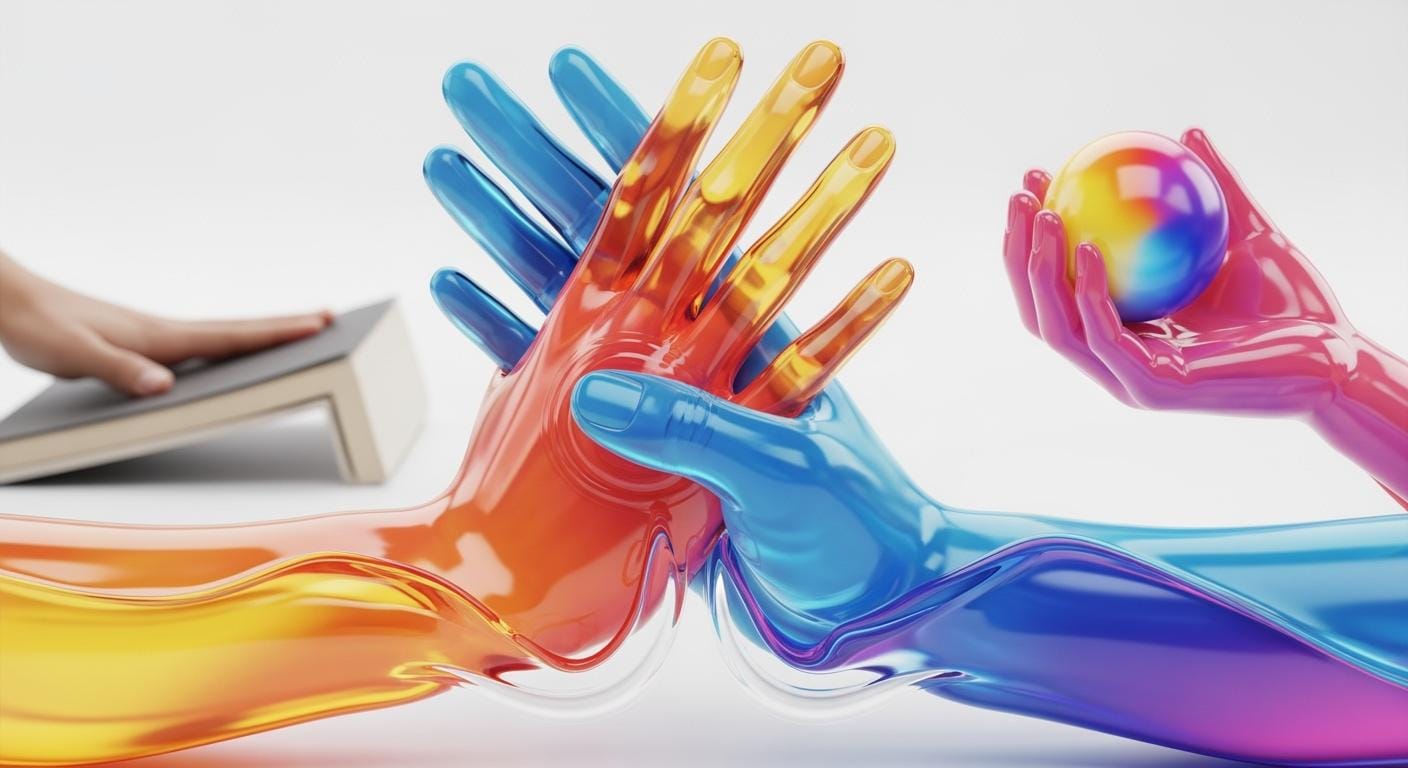

A contact force happens when two objects touch and push or pull each other. For example, when someone pushes a door open, their hand and the door meet, and the door moves because of that push. People see contact force every day, from walking to picking up a cup. Knowing how contact force works helps people understand why things move or stop. Many tools use force sensing to measure these pushes and pulls, and a force sensing resistor can help track these changes in real time.
Table of Contents
Key Takeaways
- Contact forces happen when two things touch and push or pull.
- Some contact forces are friction, normal force, tension, and applied force.
- Friction stops things from slipping and helps us move.
- It lets us walk or drive without falling or sliding.
- Normal force holds things up and stops them from falling.
- Tension is found in ropes or strings that lift or hold things.
- Air resistance slows things down when they move through air.
- Parachutes use air resistance to slow people down.
- Knowing about contact forces helps keep tools and activities safe.
- Force sensing resistors (FSRs) measure contact forces for design and safety.
Contact Force Explained
What Is a Contact Force
A contact force happens when two objects touch and push or pull each other. This type of force only works through direct contact. For example, when someone pushes a chair, their hand and the chair meet, and the chair moves. Contact forces always need two objects to touch. Without this touch, the force cannot act.
Scientists group contact forces into different types. Here is a table that shows some main types and how they work:
| Type of Force | Description |
|---|---|
| Normal Force | Acts straight out from the surface where two objects meet. |
| Friction Force | Acts along the surface, stopping objects from sliding past each other. |
| Tension Force | Pulls along a rope or string when it is tight between two objects. |
Key Features
Contact forces have some clear features that set them apart from other forces. They always need physical touch between objects. These forces can push or pull in different ways, depending on the situation. Some contact forces, like friction, work along the surface. Others, like normal force, push away from the surface.
Here is a table that compares contact forces with non-contact forces:
| Feature | Contact Forces | Non-Contact Forces |
|---|---|---|
| Physical Interaction | Needs objects to touch | No touch needed |
| Representation | Can use vectors to show direction | Cannot use vectors |
| Nature | Can be natural or applied | Usually natural |
| Examples | Friction, normal, applied | Gravity, magnetism, electricity |
Contact forces can be natural, like friction, or applied, like a push from a hand. The size of these forces depends on the surfaces and how hard the objects press together. Friction can be static, keeping things still, or kinetic, slowing things down when they move.
Everyday Contact Forces
People see contact forces all the time. These forces help with many daily tasks. Here are some common examples:
- Walking or running: Friction between shoes and the ground helps move forward.
- Writing: The pencil presses on paper, leaving marks.
- High-fiving a friend: Hands meet, and both feel the force.
- Jumping on a trampoline: The surface pushes back, sending the person up.
- Stretching a rubber band: Tension grows as the band stretches.
- Using a yo-yo: Tension in the string keeps it moving.
- Walking on ice: Friction changes, making it slippery.
- Rubbing hands together: Friction creates warmth.
- Sticking a hand out of a car window: Air resistance pushes against the hand.
- Parachute descent: Air resistance slows the fall.
Tip: Next time you open a door, notice how your hand and the door must touch for the door to move. That is a contact force in action!
Contact forces shape how people move, play, and work. They make many activities possible and safe.
How Contact Forces Work
Physical Interaction
Contact forces begin when two things touch. If you push a box, your hand meets the box. This touch makes a push or pull happen. The objects press together, and this causes the contact force. Friction, tension, and normal force all come from touching. Every time two things meet, they make forces that move or stop things. People see these forces every day, like when walking, writing, or playing sports.
When two things touch, they always push or pull each other. This push or pull is called a contact force by scientists.
Force Transmission
Contact forces pass from one thing to another by touch. If you pull a rope, the force moves along the rope. Scientists have tested how these forces move in many ways. Here is a table that shows some ways they test force movement:
| Experiment Type | Key Findings |
|---|---|
| Hypergravity Tests | Measured contact forces between grains under strong gravity. |
| Surface Pressure Tests | Studied pressure, showing force stays steady across surfaces. |
| Discrete Element Method | Looked at small force patterns, showing stronger forces in hypergravity. |
These tests help people learn how contact forces move through things. If you press one side of a table, the force spreads through the table. This can change how the table holds weight or supports things.
Effects on Objects
Contact forces can change how things move or their shape. Here are some ways these forces affect things:
- Pushes and pulls can change speed or direction.
- If forces are not even, things start or stop moving.
- When two things touch, they push back with equal strength, which can change motion or shape.
A soccer ball moves when kicked because the foot gives a contact force. If you squeeze a sponge, it changes shape because of the force. These effects happen everywhere, from playgrounds to kitchens. People use contact forces to work, play, and stay safe.
Types of Contact Forces
Contact forces come in many forms. Each type acts in a unique way when two objects touch. Here is a table that shows some main types of contact forces and what they do:
| Type of Force | Description |
|---|---|
| Muscular Force | Force created by muscles when they come into contact with an object. Used in daily activities. |
| Spring Force | Force exerted by a compressed or stretched spring, can be a push or pull. |
| Frictional Force | Opposing force that arises when an object moves or attempts to move across a surface. |
| Applied Force | Force applied to an object, can be a push, pull, or drag. |
| Normal Force | Opposing force acting on an object resting on a surface, counteracting gravity. |
| Tension Force | Force exerted by a stretched cable or wire, pulling in both directions. |
| Air Resistance | Frictional force acting on objects moving through the air. |
Let’s look at three common types of contact forces and see how they work in real life.
Friction
Friction is a force that tries to stop things from sliding past each other. It acts between two surfaces that touch. Friction helps people walk without slipping and lets cars stop when brakes are pressed. This force always works against motion.
- Friction affects how things move and how energy changes in machines.
- It turns some moving energy into heat, which is why hands feel warm after rubbing them together.
- Engineers use special tools to measure friction, like force sensors or load cells.
Rubbing Hands Example
When someone rubs their hands together, they feel heat. This happens because friction between the skin surfaces changes moving energy into warmth. The faster and harder the hands move, the more heat they feel. People use this trick to warm up on cold days.
Tip: Try rubbing your hands quickly. Notice how they get warmer? That’s friction at work!
Understanding frictional force helps people design better shoes, tires, and machines. It also helps them stay safe by preventing slips and falls.
Normal Force
Normal force supports objects and keeps them from falling through surfaces. It acts at a right angle to the surface where two things meet. This force balances the pull of gravity.
When a person stands on the ground, gravity pulls them down. The ground pushes back with an equal normal force. This keeps the person from sinking. The same thing happens when a book rests on a table. The table pushes up with a normal force that matches the book’s weight. This balance lets the book stay still.
Book on Table Example
Place a book on a table. The book does not fall. The table pushes up with a normal force that matches the book’s weight. If the table did not push back, the book would fall to the floor. This simple action shows how normal force works every day.
Tension
Tension is a force that pulls through ropes, cables, or strings. When someone pulls on a rope, tension travels along the rope’s length. This force keeps the rope tight and helps move or hold objects.
- Tension appears when two people pull on opposite ends of a rope.
- The force moves through the rope, keeping it stretched.
- Tension depends on how hard each person pulls and the weight being moved.
Rope Pull Example
Imagine two friends playing tug-of-war. Each pulls on one end of the rope. The rope stretches and stays tight because of tension. If one friend lets go, the rope goes slack. Tension only exists when the rope is pulled tight from both ends.
Note: Tension helps lift heavy things, hold up bridges, and even fly kites. It is a key part of many types of contact forces.
These three types of contact forces—friction, normal force, and tension—show up in daily life. They help people move, build, and play safely.
Air Resistance
Air resistance is a type of contact force that acts on objects as they move through the air. This force pushes against the object, slowing it down. People often notice air resistance when they stick a hand out of a moving car window or ride a bike fast. The faster something moves, the more air resistance it feels.
Many factors affect how air resistance works. The table below shows what changes the strength of this force:
| Factor | Description |
|---|---|
| Air Resistance | Pushes against falling objects, making them slow down. |
| Speed | Increases as objects move faster, balancing gravity at top speed. |
| Cross-sectional Area | Bigger surfaces meet more air, so they slow down more. |
| Mass | Heavier things fall faster before air resistance slows them. |
| Shape | Smooth shapes move easier, while odd shapes slow down more. |
| Air Density | Thick air creates more resistance than thin air. |
| Terminal Velocity | Happens when air resistance matches gravity, so speed stays the same. |
Parachute Example
A parachute shows air resistance in action. When someone jumps from a plane, gravity pulls them down. As they fall, air resistance pushes up against them. When the parachute opens, it creates a large surface area. This makes air resistance much stronger. The person slows down and lands safely. Without air resistance, the fall would be much faster and more dangerous.
Try tossing a flat sheet of paper and a crumpled one. The flat sheet falls slower because it meets more air resistance.
Spring Force
Spring force is another type of contact force. It happens when a spring gets stretched or squeezed. Springs push back when pressed and pull back when stretched. This force helps many tools and toys work.
The strength of spring force depends on several things. The table below explains what changes this force:
| Factor | Description |
|---|---|
| Material Composition | The kind of material in the spring changes how strong it is. |
| Wire Diameter | Thin wires make stiffer springs. |
| Coil Diameter | Big coils make springs softer and easier to press. |
| Number of Coils | More coils can make a spring stiffer. |
Compressing Spring Example
Think about a pen with a clicker. When someone presses the top, they squeeze a spring inside. The spring force pushes back, making the pen pop out again. People also see this force in trampolines and car suspensions. Spring force helps things return to their original shape after being pressed or stretched.
Applied Force
Applied force is a contact force that happens when someone or something pushes or pulls an object. This force can move things, stop them, or change their direction. People use applied force every day, like when they open a door or carry a bag.
Engineers and scientists use different ways to measure applied force. The table below shows two common methods:
| Method | Description |
|---|---|
| Force Diagrams | Pictures that show where and how forces act on objects. |
| Newton’s Second Law | A rule that links force, mass, and how fast something speeds up. |
They also look at how force changes motion, measure how fast things speed up, and use Newton’s laws to solve real problems.
Pushing Cart Example
Picture someone pushing a shopping cart. Their hands touch the cart and give it an applied force. The harder they push, the faster the cart moves. If they stop pushing, friction and air resistance slow the cart down. This simple action shows how applied force works with other types of contact forces to move things.
Next time you push a swing or a cart, notice how your force starts the motion. That’s applied force in action!
These types of contact forces—air resistance, spring force, and applied force—work together with friction and others to shape how things move and stop in the world.
Contact Forces in Life
Common Situations
Contact forces are everywhere in our lives. People use them when they walk or play games. When you sit on a chair, the chair pushes back. This keeps you from falling down. Kids feel these forces when they bounce a ball. Riding a bike also uses contact forces. Even picking up a spoon or closing a window needs these forces.
Here are some more examples:
- Someone pulls open a drawer in the kitchen.
- A person squeezes toothpaste onto a toothbrush.
- A child stacks blocks, and the blocks push on each other.
Contact forces help people move things and hold them. They make daily jobs possible and safe.
Importance in Daily Activities
Contact forces are important for using tools at home. When you press a button on a remote, a contact force makes it work. Turning a faucet also uses this force. Many tools use contact forces to make work easier and safer.
The table below shows how tool designs use contact forces to help:
| Control Type | Description | Force Reduction |
|---|---|---|
| Low-Insertion-Force (LIF) Terminals | These need less force to connect, so hands do not get tired. | From 12-32 lb to about 6 lb |
| Pneumatic Hand Tools | These use air to help, so people use less strength and work faster. | 32% fewer wiring mistakes |
| Ergonomically Designed Manual Tools | These spread force across the hand, so they feel better to use. | N/A |
| Properly Designed Pliers | These move force from fingers to the whole hand, making gripping easier and safer. | N/A |
These designs help people by lowering the effort needed. This means people do not get as tired. It also helps stop injuries. Contact forces in tools help people work smarter and safer.
Safety and Design
Engineers think about contact forces when making products. They want things to be safe and comfortable. Chairs, helmets, and shoes must handle forces well. For example, a bike helmet spreads out the force from a fall. This protects your head. Shoe soles grip the ground to stop slipping.
Designers test how much force a product can take before it breaks. They want to keep people safe in real life.
Contact forces also help design playgrounds, cars, and furniture. Good design uses these forces to stop accidents and make life easier. When people know about contact forces, they can pick safer products and use them the right way.
How to Find Contact Force
Measuring Tools
People use tools to measure contact force in labs and factories. These tools check how strong a push or pull is. Some common tools are force gauges, load cells, and digital sensors. Each tool works best for certain jobs. Engineers use force gauges to test car parts. Scientists pick the right tool for what they need.
Measuring force correctly keeps products safe. It helps industries like aerospace and automotive follow strict rules.
Here are steps for picking a force measurement tool:
- Figure out what kind of force you want to measure.
- Choose a tool that fits the job.
- Learn how the tool works and what it can measure.
Companies like C.S.C. Force Measurement, Inc. have many choices for different jobs. These tools help products work well and stay safe.
Force Sensing Resistors
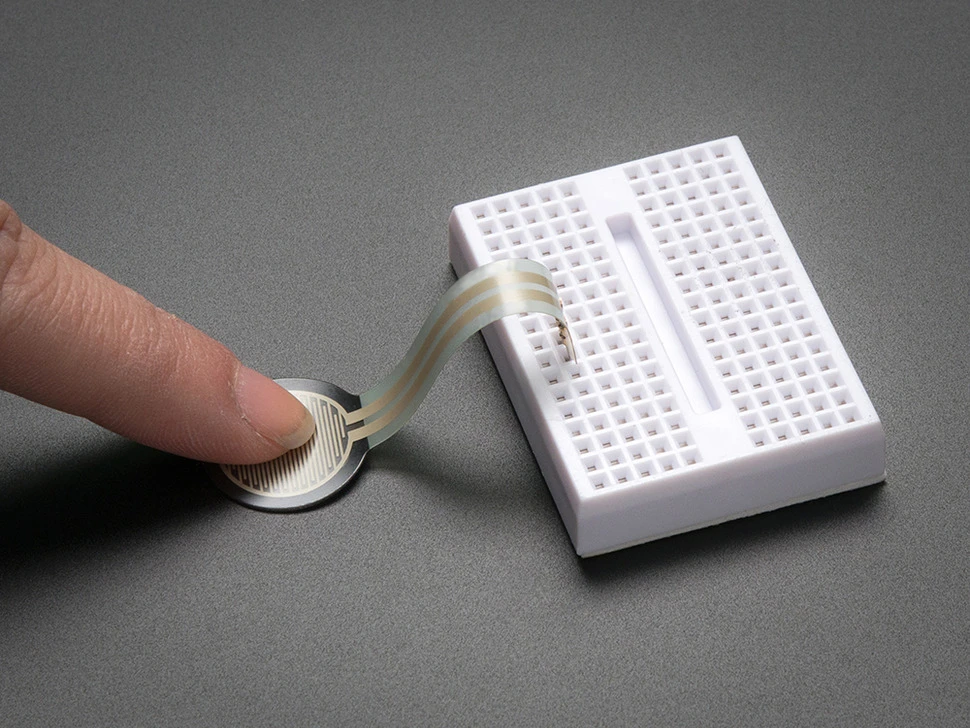
Force sensing resistors, called FSRs, measure contact force in a simple way. An FSR has a bendable layer with a special circuit. When you press the sensor, the layers touch and let electricity move. Pressing harder makes more electricity flow. This shows how much force is used.
FSRs use piezoresistive technology. If there is no force, the sensor blocks electricity. When force goes up, resistance drops, and the sensor sends a stronger signal. This change helps people measure force accurately.
- FSRs work as variable resistors in a circuit.
- The sensor’s resistance drops when force goes up.
- The output signal matches the force applied.
FSRs are used in many things, from simple gadgets to big machines. They help track force quickly and give fast feedback.
SOUSHINE FSRs in Action
SOUSHINE’s Force Sensing Resistors are known for smart design and good performance. These sensors use a tough, flexible material. The round shape and connectors make them easy to add to electronics. SOUSHINE FSRs sense both pressure and touch, giving accurate readings for many uses.
| Feature | Specification | Benefit |
|---|---|---|
| Material | Flexible, durable composite | Lasts long and fits many designs |
| Design | Circular with connectors | Simple to install and use |
| Functionality | Pressure and touch sensing | Detects force with high sensitivity |
| Application | Many industries | Works in automation, wearables, and more |
| Certification | EPR_Germany_Packing | Meets European standards |
SOUSHINE has models with different sensitivity, durability, and flexibility. People can pick standard, advanced, or pro models for their needs.
| Parameter | Base Model | Advanced Model | Pro Model |
|---|---|---|---|
| Sensitivity | Standard | +15% | +30% |
| Durability | Moderate | Enhanced | Premium |
| Flexibility | Standard | Enhanced | Premium |
People can order custom sizes and shapes for special projects. Installation is quick, and the sensors work well in many places.
SOUSHINE FSRs help in many areas:
- Automotive: Make cars safer and smarter.
- Healthcare: Help doctors watch patients and improve devices.
- Robotics: Give robots a sense of touch for better control.
- Consumer electronics: Make devices more fun to use.
- Industrial automation: Help factories work faster and waste less.
- Aerospace: Work well in tough conditions.
SOUSHINE FSRs show how to find contact force right away, making products safer and smarter.
FSRs help people measure force easily and use the data to make designs and safety better.
Contact vs. Non-Contact Forces
Non-Contact Force Defined
Non-contact force works between objects that do not touch. This force can change how things move from far away. Scientists say non-contact forces use fields, like gravity or magnetism. Gravity pulls a ball down even if nothing touches it. Non-contact forces do not need objects to touch. They can push or pull things without direct contact.
Non-contact forces work across empty space. People see these forces every day, even if they do not notice.
Key Differences
Contact and non-contact forces are not the same. Contact forces need two things to touch. Non-contact forces work from a distance. The table below shows the main differences:
| Type of Force | Definition | Examples |
|---|---|---|
| Contact Forces | Forces that act between two objects that are physically touching each other. | Normal Force, Tension, Friction, Applied Force, Air Resistance, Spring Force |
| Non-Contact Forces | Forces that act at a distance without physical contact. | Gravitational Force, Electric Force, Magnetic Force, Electromagnetic Force |
Contact forces happen when people push, pull, or rub things. Non-contact forces use invisible fields. Both types can change how things move, but they do it in different ways.
Tip: If two things touch, the force is a contact force. If they do not touch, but something moves, it is a non-contact force.
Examples
Non-contact forces show up in nature and technology. Here are some common examples:
- Gravity pulls an apple down from a tree.
- Magnets stick to a fridge without touching anything else.
- Static electricity makes paper jump to a comb after rubbing it on hair.
- Gravity acts on a raindrop as it falls to Earth.
- The strong nuclear force holds the center of atoms together.
- The weak nuclear force makes some particles break apart inside atoms.
Contact forces include pushing a cart, pulling a rope, or rubbing hands together. Non-contact forces include gravity, magnetism, and electric forces. Both types help shape how things move and interact every day.
Next time you drop something or see a magnet work, remember not all forces need a touch!
Summary
Definition Recap
Contact forces happen when two things touch. These forces come from tiny electromagnetic actions inside atoms. People see contact forces every day. Some types are friction, normal force, tension, and applied force. Each type helps things move or stay still. Knowing about contact forces helps people understand why things move or stop.
- Contact forces need objects to touch each other.
- They include friction, normal force, tension, and applied force.
- These forces help explain how things move and stay steady.
Everyday Impact
Contact forces affect many things people do each day. When someone drives a car, the engine makes force to move it. Walking or biking uses friction to keep people safe. Playing sports, like hitting a baseball, shows how force changes speed and direction. Flying in an airplane uses lift, which works against gravity.
- Contact forces help people move, stop, and keep balance.
- Friction helps with stopping a bike or gripping the ground.
- Engineers use these forces to build strong bridges and safe buildings.
People use contact forces every time they walk, drive, or use tools. These forces make life possible and safe.
Final Thoughts
Contact forces are important for simple and hard actions. They help people move, build, and make new technology. Engineers and designers use contact forces to make products safer and better. Anyone can see contact forces by watching things move or stop.
People who want to learn more can look at tools like force sensing resistors. These sensors, like ones from SOUSHINE, measure force and help make better designs. Watching for contact forces in daily life can make people curious and lead to new ideas.
Next time you open a door or ride a bike, think about contact forces. They are everywhere and shape the world in many ways.
Contact forces help people move, build, and fix things every day. When two things touch, they can push or pull each other. This is called a contact force. You can see these forces when you open a door or ride a bike. Tools like SOUSHINE’s FSRs can measure these forces right away. There are many guides that show how force tools have changed over time. They also show how FSRs and load cells work in different jobs. If you want to learn more, you can read these guides or try force sensing tools yourself.
FAQ
What is a contact force in simple words?
A contact force happens when two things touch and push or pull each other. For example, a hand pushing a door uses a contact force.
How do people use contact forces every day?
People use contact forces when they walk, write, open doors, or play sports. These forces help move, stop, or hold objects.
Can contact forces be measured?
Yes, people can measure contact forces with tools like force gauges or force sensing resistors. These tools show how much push or pull happens.
What is the difference between contact and non-contact forces?
Contact forces need two things to touch. Non-contact forces, like gravity or magnetism, work without touching.
Why is friction important?
Friction helps people walk without slipping. It also lets cars stop and pencils write on paper. Friction keeps things from sliding too easily.
Where do people see tension forces?
People see tension in ropes, cables, or strings. For example, when someone pulls a rope in tug-of-war, tension keeps the rope tight.
How do SOUSHINE FSRs help in real life?
SOUSHINE FSRs measure force and pressure in many devices. They help make cars safer, improve medical tools, and give robots a sense of touch.