

Call us: +86-137-2353-4866
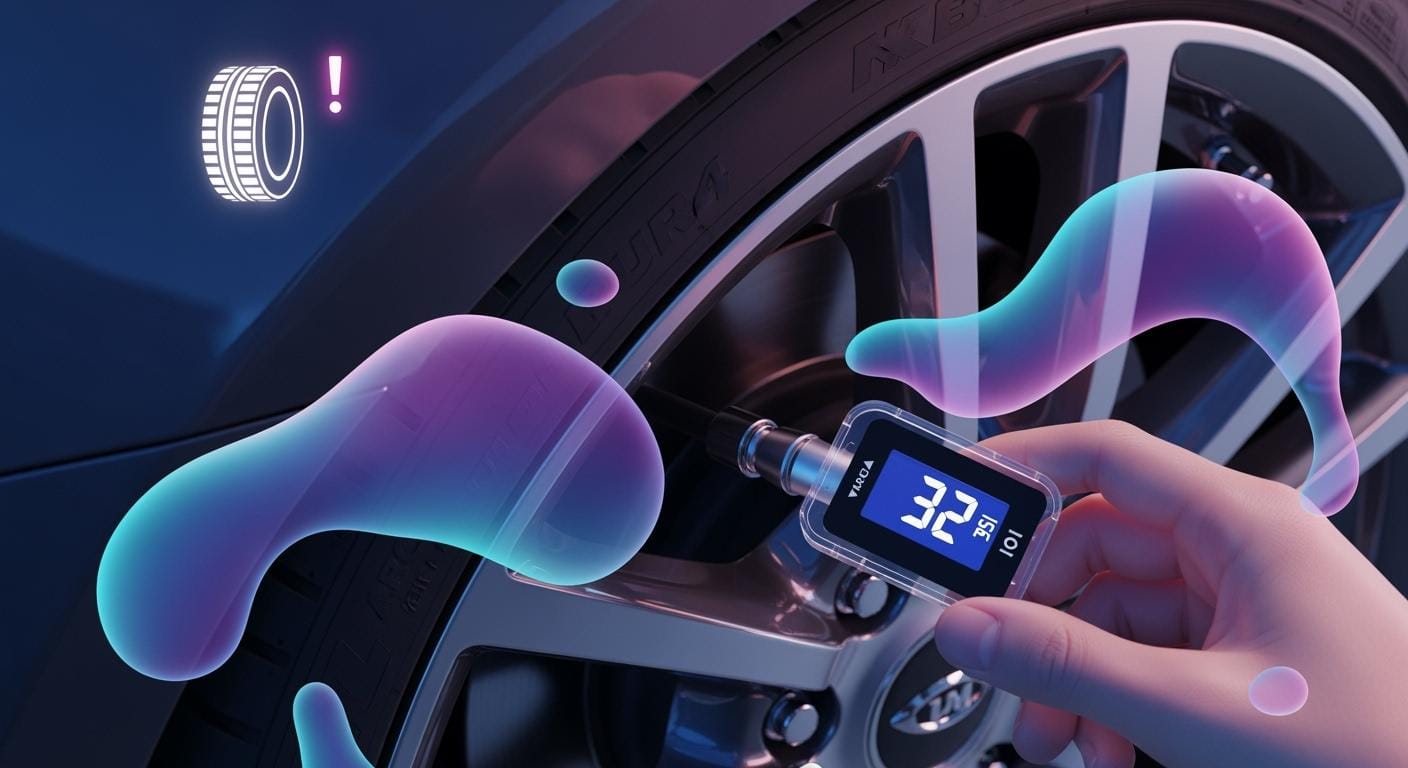

Direct TPMS incorporates a tire air pressure sensor within each tire, continuously monitoring the pressure. In contrast, indirect TPMS estimates the pressure by observing wheel speed. Understanding how these systems function is crucial for drivers’ safety. SOUSHINE’s force sensing technology, known as FSRs, plays a vital role in automotive safety today. The table below illustrates how FSRs and other sensors compare:
| Sensor Type | Accuracy | Reliability | Best Use Cases |
|---|---|---|---|
| Load Cells | High | Very High | Static loads, precise measurements |
| FSRs | Moderate | Moderate | Dynamic applications, flexible uses |
Direct TPMS offers greater accuracy and provides quicker warnings, enhancing safety on the road. Meanwhile, indirect TPMS is simpler to maintain.
Table of Contents
Key Takeaways
- Direct TPMS shows tire pressure right away. It helps keep you safe by warning you fast if there is a problem.
- Indirect TPMS uses wheel speed sensors to guess tire pressure. It is not as exact, but it costs less.
- Check your TPMS often to make sure it works well. This helps stop accidents that happen because of bad tires.
- Knowing how TPMS types are different helps you pick the best one for your car.
- SOUSHINE’s Force Sensing Resistors help TPMS work better. They find small changes in pressure very fast.
- Keeping tires at the right pressure saves gas and makes tires last longer. This helps your car work better.
- Drivers should think about their car and how they drive before picking a TPMS. This helps the TPMS work best.
- TPMS gives quick warnings to stop blowouts and help you control your car. This makes driving safer for everyone.
What Is TPMS?
TPMS Basics
A tire pressure monitoring system helps keep drivers safe. It checks the air in each tire and warns if it gets too low. TPMS watches the air pressure inside the tires and tells the driver if it drops a lot. Drivers get updates right away, so they can avoid tire problems. This also helps save gas.
TPMS has many important parts:
- Pressure sensor
- Analog-digital converter
- Microcontroller
- System controller
- Oscillator
- Radio frequency transmitter
- Low frequency receiver
- Voltage regulator
All these parts work together to check tire pressure. They send the information to the car’s computer. Some systems also check tire heat and can spot problems with each tire.
Why Tire Air Pressure Sensors Matter
Tire air pressure sensors help keep cars safe. They measure the air in each tire and help TPMS warn drivers about changes. If a tire loses air, the sensor finds out and tells the system. Drivers can fix the tire before it gets dangerous.
Cars with tire pressure monitoring systems are safer than those without. TPMS lowers the chance of tire bursts and helps the car stay steady. By warning about low tire air, TPMS helps stop accidents. This keeps everyone in the car safer.
TPMS Types
There are different kinds of TPMS. Each kind checks tire air in its own way. The table below shows the main types and how they work:
| Type of TPMS Sensor | Description |
|---|---|
| Direct TPMS Sensor | Put on the valve of each wheel to measure tire air, giving correct data. |
| Indirect TPMS Sensor | Uses ABS or other sensors to guess tire air by wheel speed, not as correct as direct. |
| RFID TPMS Sensor | Uses wireless radio to send tire air data to the car’s reader. |
| Bluetooth TPMS Sensor | Connects with Bluetooth to send tire air data to phones or car screens. |
Direct TPMS uses a tire air pressure sensor in every wheel. This gives exact numbers and fast warnings. Indirect TPMS uses wheel speed sensors to guess the air. RFID and Bluetooth TPMS use wireless signals to send data to the car or a phone.
TPMS helps drivers keep the right tire air. This makes driving safer, saves gas, and helps tires last longer. Drivers who know about TPMS can make better choices for their cars.
Direct TPMS & Tire Air Pressure Sensor
How Direct TPMS Works
Sensor Placement
Direct TPMS has a tire air pressure sensor inside each tire. The sensor is on the wheel, usually near the valve stem. This spot lets the sensor check air pressure directly. Each sensor sends its data to the car’s computer. The system checks every tire, so drivers know which tire needs help.
| Core Component | Description |
|---|---|
| Pressure Sensor | Measures the tire pressure directly. |
| Analog-Digital Converter | Changes the pressure signal into digital form. |
| Microcontroller | Handles the data from the pressure sensor. |
| System Controller | Runs the whole TPMS system. |
| Oscillator | Makes the right frequency for signals. |
| Radio Frequency Transmitter | Sends tire pressure data to the car’s computer. |
| Low Frequency Receiver | Gets signals from the sensors. |
| Voltage Regulator | Controls battery power for the sensor. |
Real-Time Pressure & Temperature
Direct TPMS checks more than air pressure. The system also watches tire temperature. The sensors send live data to the dashboard. Drivers see alerts if a tire loses air or gets too hot. Fast feedback helps stop accidents. The system works when the car moves or stands still. Drivers get updates quickly, so they can fix problems early.
Direct TPMS Pros
Accuracy
Direct TPMS gives exact readings. The tire air pressure sensor checks the real pressure in each tire. The system does not guess. Drivers trust the numbers they see. Good data helps tires last longer and keeps people safe.
Fast Alerts
Direct TPMS sends warnings fast. The system spots changes in pressure or temperature right away. Drivers get alerts before a tire gets unsafe. Quick warnings help drivers avoid flat tires and blowouts. The system also saves fuel and helps tires last longer.
Recent studies show direct TPMS is more sensitive than indirect systems. The sensors inside the tires check both pressure and temperature. This live data helps drivers act fast and stay safe. The system lowers the chance of accidents from low tire air.
Direct TPMS Cons
Battery Life
Direct TPMS sensors need batteries. If a battery dies, the sensor stops working. Most sensors do not let users change the battery. Drivers must replace the whole sensor when the battery is dead.
Cost
Direct TPMS costs more than indirect systems. The sensors and tools for service add to the price. Some systems need special tools for setup or repair. Sensors can break during tire changes. Some drivers and shops think the systems are hard to install or fix.
Common problems with direct TPMS are higher cost, tool needs for setup, batteries that cannot be replaced, confusion about special systems, and damage during tire changes.
SOUSHINE FSRs in Direct TPMS
SOUSHINE’s Force Sensing Resistors are important in direct TPMS. These sensors check force and pressure inside each tire. The system uses this information to tell drivers about tire health. FSRs notice changes fast, so direct TPMS can warn drivers if pressure drops.
FSRs change their electrical resistance when force touches them. This helps the sensor find even small pressure changes. The sensor is inside the tire and faces tough weather. SOUSHINE makes FSRs strong for heat, cold, and lots of use. The sensors keep working after many uses.
The table below lists the technical details of SOUSHINE FSRs in direct TPMS:
| Specification | Value |
|---|---|
| Size | Customized |
| Working temperature | -30~80℃ |
| Single sensor point trigger force | 150g~180g |
| Seat trigger force | 30~∞ kg |
| Working voltage | <50V DC |
| Working current | <100mA |
| Response time | <5 ms |
| Insulation impedance | 20MΩ |
| Static resistance | 10MΩ |
| Closed resistance | 0-150Ω |
| Work life | 1 million times |
FSRs in direct TPMS react very quickly. The sensor works in less than 5 milliseconds. This speed lets the system warn drivers before pressure is too low. The sensors use little power, so the battery lasts longer.
SOUSHINE makes FSRs to fit many tire types. The sensors work from -30 to 80 degrees Celsius. This means they work in hot or cold places. The sensor can last up to one million uses, so it is good for daily driving.
FSRs have high insulation impedance and low closed resistance. These things help the sensor send clear messages to the car’s computer. The system uses these messages to check pressure and give alerts. Drivers get updates right away, so they can fix problems early.
Tip: Check your TPMS often to keep sensors working well. SOUSHINE helps with picking and installing sensors.
SOUSHINE’s FSRs help direct TPMS give fast, correct, and steady tire pressure checks. The sensors help drivers stay safe by warning them about tire problems quickly.
Indirect TPMS & Tire Air Pressure Sensor
How Indirect TPMS Works
ABS Wheel Speed Sensors
Indirect TPMS uses the car’s existing systems to watch tire health. It does not use a tire air pressure sensor inside each tire. Instead, it relies on the Anti-lock Braking System (ABS) or Electronic Stability Control (ESC). These systems have wheel speed sensors. The sensors track how fast each wheel turns. When a tire loses air, its shape changes. The tire becomes smaller, so it spins faster than the others. The system notices this change and sends a warning to the driver.
Pressure Estimation
Indirect TPMS does not measure air pressure directly. It estimates pressure by comparing wheel speeds. If one tire spins faster, the system thinks it has less air. The car’s computer uses this information to guess which tire may have a problem. This method works best when the car moves in a straight line on smooth roads. Turning, braking, or rough roads can make the readings less clear. The system may not spot small changes in pressure right away.
Indirect TPMS Pros
Lower Cost
Indirect TPMS costs less than direct systems. It uses sensors already in the car, so there is no need to buy extra parts. This makes it a good choice for drivers who want to save money. Car makers also like this system because it keeps the price of the car lower.
No Extra Sensors
Indirect TPMS does not need a tire air pressure sensor in each wheel. The system uses the ABS wheel speed sensors that are already part of the car. This means there are fewer parts to break or replace. Drivers do not have to worry about changing batteries in the sensors.
Note: Indirect TPMS can help drivers keep track of tire health without adding new hardware.
Indirect TPMS Cons
Less Accurate
Indirect TPMS is not as accurate as direct systems. It only estimates pressure by looking at wheel speed. Many things can affect how fast a wheel turns. For example, rough roads, sharp turns, or braking can change the readings. The system may not notice small drops in air pressure. Sometimes, all tires can lose air slowly, and the system will not give a warning.
- Indirect TPMS is generally less accurate than direct sensors.
- The system can miss slow leaks or small pressure changes.
- Driving conditions can make the readings less reliable.
Slower Alerts
Indirect TPMS often takes longer to warn drivers about low tire pressure. The system needs the car to move for a while before it can spot a problem. If a tire goes flat while the car is parked, the system may not notice until the car moves again. Sometimes, it takes many miles before the warning light turns on. This delay can make it harder for drivers to fix problems quickly.
Tip: Drivers should check tire pressure often, even if the TPMS does not show a warning.
SOUSHINE FSRs in Indirect TPMS
SOUSHINE makes Force Sensing Resistors for cars. Indirect tpms uses wheel speed sensors most of the time. Some car makers want more data for better safety. FSRs can give extra information to help. They measure force and pressure very well. This helps engineers build systems that find tire pressure changes faster.
FSRs change their resistance when force touches them. This lets them find small pressure changes. When used with indirect tpms, FSRs can spot slow leaks. They also notice sudden drops in tire pressure. This makes the warning system work better.
Car makers can put FSRs in different places on the tire or wheel. These sensors send live data to the car’s computer. The system compares this data with wheel speed sensor data. If both systems see a problem, the car warns the driver sooner.
SOUSHINE builds FSRs for tough weather. The sensors work in heat and cold. They last through many uses. Their low power use saves the car’s battery. FSRs come in many shapes and sizes for different cars.
Note: FSRs can make indirect tpms more correct. This helps drivers trust their tire pressure readings.
SOUSHINE helps car makers with technical support and custom sensors. The company tests each sensor to meet high standards. This focus on quality helps keep drivers safe.
TPMS: Key Differences
Accuracy
Accuracy is very important for driver safety. Direct tpms has sensors inside each tire. These sensors check the air pressure. The system gives exact numbers and fast alerts. Indirect tpms does not measure air pressure. It guesses by watching how fast the wheels spin. This way is not as exact. Studies show direct tpms is more accurate than indirect tpms. Drivers get better warnings with direct tpms.
| TPMS Type | Accuracy | Cost | Complexity |
|---|---|---|---|
| Direct TPMS | Enhanced accuracy | Higher costs | More complex |
| Indirect TPMS | Less precision | Cost-effective | Simpler design |
Direct tpms helps drivers find problems early. Indirect tpms can miss small changes in tire pressure. Drivers who want the best accuracy usually pick direct tpms.
Maintenance
Maintenance keeps tpms working right. Direct tpms needs regular checks. Drivers should look at the sensors and test the batteries. Sometimes, they need to change the sensors. The system may need to be reset after changing tires. Indirect tpms does not use extra sensors. Drivers only need to reset the system after moving or changing tires.
- Direct tpms needs sensor checks and battery tests.
- Indirect tpms uses wheel speed sensors and needs resets after tire work.
| TPMS Type | Maintenance Requirements |
|---|---|
| Direct TPMS | Needs regular sensor checks, battery tests, calibration, resetting, and sometimes new sensors. |
| Indirect TPMS | Cannot be serviced; needs resetting after tire rotation, repair, or replacement to work well. |
Direct tpms needs more care from drivers. Indirect tpms needs less work but might not find every problem.
Cost
Cost is important when picking a tpms. Direct tpms costs more because it uses extra sensors. Over time, it costs more since drivers must change sensors and batteries. Indirect tpms uses parts already in the car. It costs less to install and to keep working.
| TPMS Type | Installation Cost | Long-term Ownership Cost |
|---|---|---|
| Direct TPMS | Higher due to extra sensors | Higher due to maintenance |
| Indirect TPMS | Lower, uses current tools | Lower, less maintenance needed |
Drivers who want to save money often choose indirect tpms. Drivers who want better accuracy may pick direct tpms, even if it costs more.
Reliability
Direct TPMS has sensors inside each tire. These sensors check air pressure and temperature. The system sends live data to the driver. This works in many kinds of weather and roads. Drivers get correct updates, even on rough roads or when it rains. Direct TPMS does not guess about tire pressure. It checks every tire and gives updates fast.
Indirect TPMS works in another way. It uses wheel speed sensors from the car’s ABS system. The system guesses tire pressure by watching wheel speed. If a tire loses air, it spins faster than the others. The system warns the driver when this happens. Indirect TPMS can miss small changes in pressure. It may not work well on bumpy roads or sharp turns. Indirect TPMS does not check temperature.
The table below shows how both systems compare:
| Feature | Direct TPMS | Indirect TPMS |
|---|---|---|
| Measurement Method | Measures tire pressure with sensors | Estimates pressure using wheel speed sensors |
| Data Accuracy | High, real-time data | Lower, depends on driving conditions |
| Temperature Monitoring | Yes | No |
| Reliability | High in all conditions | Can vary with road and driving style |
- Direct TPMS:
- Gives correct, live updates.
- Checks tire temperature.
- Works in many weather and road types.
- Indirect TPMS:
- Uses fewer parts in the car.
- May not give exact updates.
- Can miss slow leaks or small changes.
Drivers who want the best tire pressure checks often pick direct TPMS. This system helps keep cars safe in many situations.
Warning Speed
Warning speed means how fast the system tells the driver about a problem. Direct TPMS sends alerts very quickly. The sensors inside each tire spot pressure drops right away. The system can warn the driver in just seconds. Fast alerts help drivers fix problems before they get worse.
Indirect TPMS takes longer to warn drivers. The system needs the car to move for some time before it finds a problem. If a tire loses air while parked, the system will not notice until the car moves. Sometimes, the warning light turns on only after driving for miles. This delay can make it harder to stop tire trouble.
Fast warnings help drivers stay safe. Direct TPMS gives quicker alerts than indirect TPMS.
TPMS: Safety Comparison

Direct TPMS Safety
Direct tpms has a tire air pressure sensor in each wheel. This system checks tire pressure all the time and sends alerts fast. Drivers see warnings right away if a tire loses air. Early warnings help stop accidents from low tire pressure. Tires with the right air help cars stop better. Drivers can brake faster and steer better in emergencies. Direct tpms also helps stop tire blowouts by warning about pressure changes.
- Drivers get alerts quickly with real-time checks.
- Early warnings help stop accidents and blowouts.
- Good tire pressure helps cars brake and steer better.
- Drivers are safer in emergencies.
Direct tpms keeps truck drivers and others safe on the road. The system helps keep tires at the right air level, so tires are less likely to burst. Drivers get the info they need to fix problems before they get worse.
Indirect TPMS Safety
Indirect tpms uses wheel speed sensors to guess tire pressure. The system does not check pressure directly. Changes in wheel size, roads, or how someone drives can change the readings. Drivers might see wrong warnings if the system makes mistakes. The system needs to be set up again after changing or moving tires.
- Indirect tpms can miss small drops in tire air.
- Roads and driving style can change what the system shows.
- The system might give wrong alerts.
- Setting up the system again helps stop mistakes after tire changes.
Indirect tpms helps drivers see big changes in tire air. The system works best when all tires are the same size and the road is smooth. Drivers should check tire air often, even if the system does not warn them.
Real-World Scenarios
TPMS is important for safe driving every day. Tires with the right air help cars stay steady, even in emergencies. Drivers are less likely to slide on wet roads if tires have enough air. Good tire air helps cars stop faster and lowers crash risk. TPMS gives early warnings about tire problems, so drivers can stop blowouts and bad accidents.
- TPMS finds slow or fast drops in tire air.
- Drivers fix problems before they become emergencies.
- The system stops tires from having too much or too little air.
- Early warnings give drivers time to stay safe.
- TPMS helps drivers make good choices in emergencies.
TPMS helps drivers get ready for emergencies by giving important info. Drivers can keep tires at the right air level and lower accident risk. The system helps keep everyone on the road safe.
Expert Advice
Car safety experts look at tire pressure monitoring systems to help keep drivers safe. They study both direct TPMS and indirect TPMS to see how each works. Experts say direct TPMS has sensors in every tire. These sensors give live and exact information. Indirect TPMS uses wheel speed sensors from the ABS system. This type guesses tire pressure by checking how fast each wheel spins.
The table below shows what experts think about both systems:
| Feature | Direct TPMS | Indirect TPMS |
|---|---|---|
| Measurement Method | Has sensors in every tire for correct readings | Uses ABS wheel speed sensors to watch tires |
| Accuracy | Gives live, exact data | Not as exact, depends on wheel speed |
| Cost | Costs more to put in and fix | Cheaper, uses parts already in the car |
| Additional Monitoring | Can check tire temperature | Does not check temperature |
Experts say direct TPMS is best for drivers who want top safety. This system gives quick warnings and checks tire heat. Indirect TPMS costs less and has fewer parts. It might not notice small changes in tire air.
Drivers can follow these tips from experts:
- Direct TPMS gives live and correct info.
- Indirect TPMS saves money but can miss some problems.
- Knowing your TPMS type helps you stay safe and ready.
SOUSHINE makes sensors that are high quality. The company tests every sensor to make sure it works well. Drivers who pick SOUSHINE’s smart sensors get strong and steady results. Experts say checking your system often and using good sensors keeps cars safe.
Tip: Drivers should check their TPMS often and learn how it works. This helps stop tire trouble and keeps everyone safe.
TPMS: Choosing & Maintenance
Choosing the Right TPMS
Vehicle Type
Drivers need to pick the right TPMS for their car or truck. Different vehicles, like SUVs, motorcycles, and RVs, need special features. Some vehicles need sensors for heavy loads or rough roads. It is important that sensors fit the car’s make, model, and year. Some sensors work for many cars, but others only fit certain ones.
| Factor | Description |
|---|---|
| Vehicle Type | Passenger cars, SUVs, trucks, motorcycles, RVs, and commercial vehicles need specific TPMS features. |
| Compatibility | Sensors must fit the vehicle’s make, model, and year. Some are universal, others are specific. |
| Sensor Type | Direct TPMS gives better accuracy and real-time alerts. Indirect sensors need less maintenance but may be less reliable. |
| Battery Life | Sensors with longer battery life, usually 5 to 10 years, work best for most drivers. |
| Environmental Durability | Sensors should handle urban, off-road, and extreme weather conditions. |
| Cost | Prices change based on type, brand, and features. Installation costs matter too. |
| Installation Considerations | Some sensors are easy to install. Others need a professional. |
Budget
How much money a driver has can change which TPMS they buy. Direct systems cost more because they use extra sensors. Indirect systems use parts already in the car, so they are cheaper. Drivers should think about how much it costs to put in and keep working. Some sensors last longer and do not need to be changed as often. Picking a system that fits the budget helps drivers save money.
Driving Habits
How and where someone drives changes what TPMS they need. City drivers may want sensors that work well in traffic. Off-road drivers need sensors that can handle mud and water. People who drive far need sensors with strong batteries and tough parts. If drivers change tires a lot, they should get sensors that are easy to reset or put in.
Direct TPMS Maintenance
Battery & Sensor Care
Direct TPMS needs regular care to work right. Drivers should check tire pressure every month with a good gauge. Look at sensor batteries and change them if they are low. Clean the sensors to get rid of dirt. After changing or rotating tires, calibrate the system. Use tires that work with the system to stop errors. Change sensors every 5 to 10 years to avoid wrong alerts. Try not to drive in harsh places to help sensors last longer.
- Check tire pressure once a month.
- Look at sensor batteries and change if needed.
- Clean sensors to stop problems.
- Calibrate after changing tires.
- Use tires that fit the system.
- Change sensors every 5 to 10 years.
Indirect TPMS Maintenance
ABS System Checks
Indirect TPMS uses the car’s ABS system to work. Drivers should check ABS parts during regular car checkups. Looking at these parts can help find problems early. Keep tire pressure at the level the car maker says. Fix warning lights as soon as they show up.
Calibration
Calibration helps indirect TPMS work its best. After changing or rotating tires, recalibrate the system. When the weather changes, recalibrate because tire pressure can change. Drive at a steady speed to help the system learn. If drivers are not sure about TPMS problems, they should ask a professional for help.
| Maintenance Procedure | Description |
|---|---|
| Driving for Calibration | Drive at a steady speed and keep conditions consistent. |
| Regular Maintenance Checks | Schedule inspections and fix system warnings quickly. |
| Dealing with Seasonal Changes | Adjust for temperature changes and recalibrate as needed. |
| Professional Assistance | Ask a professional if TPMS problems continue. |
Tip: Doing regular checks and calibration helps TPMS work well and keeps drivers safe.
SOUSHINE TPMS Solutions
SOUSHINE makes Force Sensing Resistors, called FSRs. These sensors check force and pressure inside tires. They send good data to the car’s computer. Drivers and car makers use this data to keep tires safe.
FSRs from SOUSHINE come in many shapes and sizes. This helps car makers put sensors in all kinds of vehicles. Trucks, cars, and motorcycles need sensors that fit their shape. SOUSHINE gives custom choices for each type. The company helps clients pick the right sensor for every job.
FSRs work well in hard places. They can handle heat, cold, and wet weather. The sensors last a long time and can be used many times. They use little power, so the battery lasts longer. This makes them great for cars that need strong sensors.
SOUSHINE helps clients with tech support. The company answers questions about how to put in and use the sensors. They test every sensor before sending it out. This helps drivers trust the sensors in their cars.
Drivers who want safer cars can pick SOUSHINE FSRs for their tpms. These sensors react fast to changes in tire pressure. Fast action helps drivers fix problems before they get bad. The sensors send clear signals to the car’s computer. This helps the system warn drivers early.
Car makers use SOUSHINE FSRs to make better tpms. The sensors help systems find slow leaks and quick drops in pressure. This keeps all drivers safer. SOUSHINE works with car makers to design sensors for new cars. The company helps during testing and when putting in the sensors.
The table below shows why SOUSHINE FSRs are good for TPMS:
| Feature | Benefit |
|---|---|
| Custom shapes | Fits many vehicle types |
| Durable design | Works in tough conditions |
| Fast response | Quick alerts for drivers |
| Low power use | Saves battery life |
| Technical support | Help with setup and use |
SOUSHINE helps drivers and car makers keep tires safe. Their FSRs give strong and steady data. The company gives custom choices and help for every client. Drivers can trust SOUSHINE sensors to help their tpms work well.
Tip: Drivers should ask about SOUSHINE FSRs when picking new sensors. Car makers can talk to SOUSHINE for special sensor designs.
Direct TPMS has sensors inside every tire. These sensors check air pressure all the time. Indirect TPMS does not measure pressure directly. It guesses pressure by looking at how fast the wheels spin. Direct TPMS gives alerts faster and is more exact. Indirect TPMS is simpler to take care of. Experts say real-time systems with quick warnings are safest. Checking TPMS often helps stop tire blowouts. It also saves gas and makes tires last longer. SOUSHINE’s FSRs help TPMS work well and stay strong. Drivers should look at their TPMS often and pick safe options for every drive.
FAQ
What does TPMS stand for?
TPMS stands for Tire Pressure Monitoring System. This system checks tire air pressure and helps drivers stay safe.
How often should someone check tire pressure?
Drivers should check tire pressure every month. Regular checks help tires last longer and keep cars safe.
Can TPMS sensors work in cold or hot weather?
TPMS sensors from SOUSHINE work in cold and hot weather. The sensors keep working in many conditions.
What happens if a TPMS warning light turns on?
A TPMS warning light means a tire may have low air. Drivers should stop and check each tire with a gauge.
Do all cars have TPMS?
Most new cars have TPMS. Older cars may not have this system. Drivers can add TPMS to many vehicles.
How long do TPMS sensors last?
TPMS sensors usually last five to ten years. Drivers should replace sensors when they stop working.
Can someone install TPMS sensors at home?
Some TPMS sensors are easy to install at home. Others need help from a professional.
Why do experts recommend direct TPMS for safety?
Direct TPMS gives fast and accurate alerts. This helps drivers fix tire problems before they become dangerous.