

Call us: +86-137-2353-4866
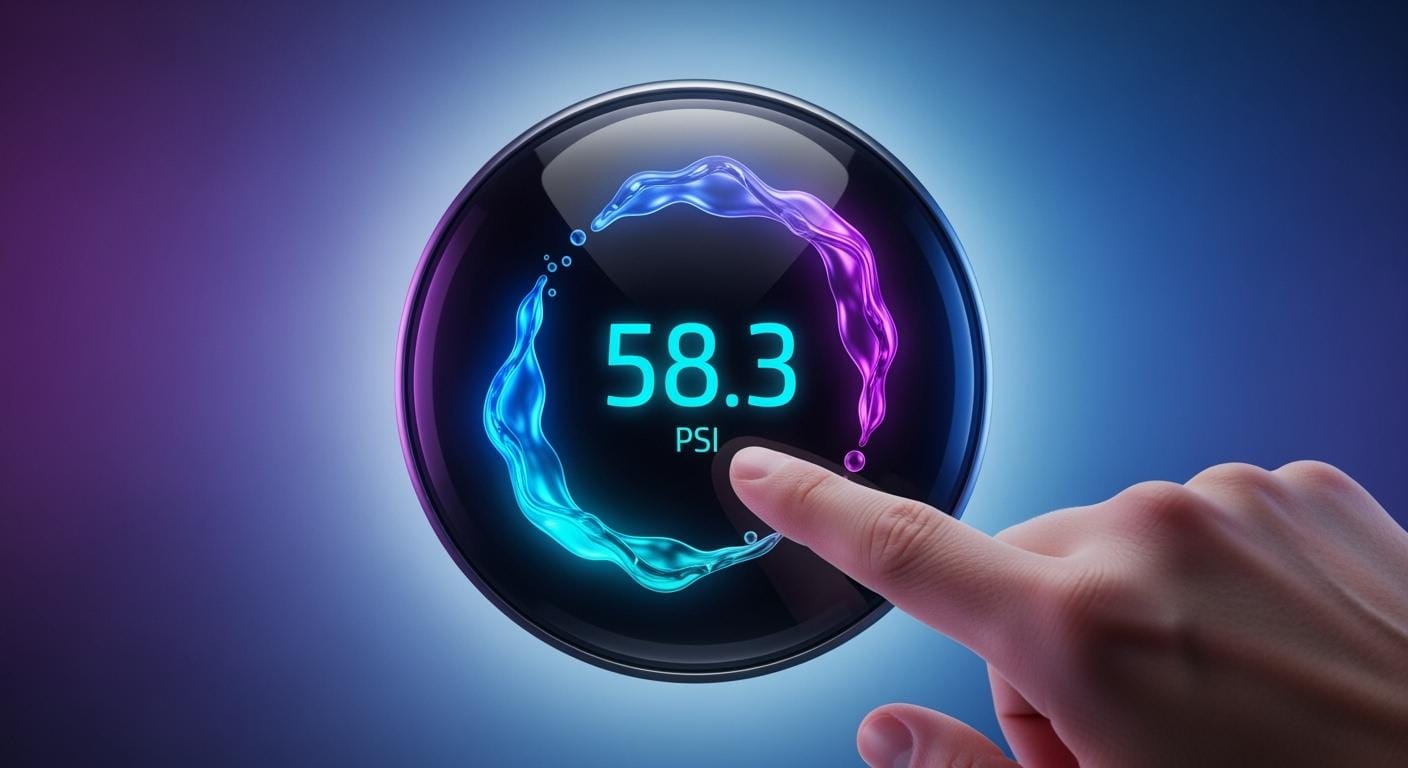

I think a digital pressure gauge is a tool. It tells you how much pressure is inside something. For example, it can show air in a tire. It uses numbers on a screen to show this. More people pick digital gauges now. In 2024, 71.8% of pressure gauge sales are digital. I trust these gauges because they use force sensing technology. They also use a force sensing resistor for good results. SOUSHINE is the top company in sensing technology. This helps me get correct measurements every time.
Table of Contents
Key Takeaways
- Digital pressure gauges show numbers clearly. This makes checking pressure easy. You do not have to guess the value.
- These gauges are more exact than analog ones. Their error can be as low as 0.2%. This means you get measurements you can trust.
- Digital gauges often have extra features. They can store data and change units. They also have alarms for high pressure. These features make them safer and easier to use.
- Force Sensing Resistors (FSRs) help digital gauges work fast. They also help give very exact pressure readings.
- Digital pressure gauges are strong and last a long time. Many are waterproof and can handle rough use. This makes them good for many places.
- They are easy to carry and use batteries. You can use them where there is no electricity. This makes them very handy.
- Digital gauges help many industries, like factories and hospitals. They are important where being exact and safe matters a lot.
- Picking a digital pressure gauge with a bright screen helps a lot. Easy controls also help people work faster and make fewer mistakes.
What is a digital pressure gauge?
Simple definition
A digital pressure gauge is a small device. It shows pressure inside things like tires or pipes. The screen displays numbers, so I do not guess. I do not need to read a needle. I just look at the screen and see the pressure. This tool helps me check if things are safe. It also helps me know if things work well. I think it is easier to use than old gauges. I can read the numbers fast and clearly.
Main function
I use a digital pressure gauge to measure force from gas or liquid. It shows how much force pushes on the container walls. This tool does more than show numbers. It helps me at home and in factories. Here are some main functions I like most:
| Function | Description |
|---|---|
| Accurate Measurement | Measures pressure of gases or liquids very well. It helps reduce mistakes people make. |
| Unit Conversion | Lets me change between pressure units quickly. I can pick Pa, bar, or psi. |
| Data Storage and Recording | Saves pressure data for a long time. I can check changes and trends. |
| Peak Hold Function | Keeps the highest pressure value. This helps watch important steps in making things. |
| Alarm Function | Gives alerts when pressure goes over the limit. This keeps equipment safe. |
| Sensitive Sensors | Sensors react fast to pressure changes. They work for many kinds of measurements. |
| Waterproofing | Made to handle tough places. It lasts long in hard conditions. |
I like that a digital pressure gauge can change units. It can save data and give alarms if pressure is too high. These things make my job easier and safer. I trust the readings because sensors work fast and are correct. When I use this tool, I feel sure I get the right information every time.
Working principle of digital pressure gauge
When I use a digital pressure gauge, I see each step. First, it senses pressure. Next, it changes pressure into electricity. Last, it shows the result on a screen. Every part works together to give clear readings.
Pressure sensing
The first step is pressure sensing. The gauge has a sensor that detects force inside a tire or pipe. This sensor reacts when pressure pushes on it.
Sensor operation
The sensor inside the gauge feels the pressure. Most gauges use a diaphragm that bends when pressure changes. This bending helps the gauge know the force. The sensor can compare pressure to the air around us. This is important for accurate measurements in many places.
Role of FSRs
SOUSHINE uses Force Sensing Resistors (FSRs) in their gauges. When I press an FSR, its resistance goes down. This change lets the gauge measure force very well. FSRs work fast and last a long time. They help me get reliable readings every time. FSRs come in many shapes and sizes, so I can use them in different devices.
Signal conversion
After the sensor feels pressure, the gauge must change it. It turns movement into electricity. The gauge uses a transducer for this job. The transducer takes the bending and makes electricity. Then, the gauge makes the signal stronger and removes noise.
Here is a table that shows how the parts work together:
| Component | Function |
|---|---|
| Pressure Sensing Element | Diaphragm bends when pressure changes. |
| Transducer Mechanism | Turns the bending into an electrical signal. |
| Signal Conditioning | Makes the signal stronger and removes noise. |
This process keeps the measurement quick and accurate. The electronic parts work fast, so I get instant readings.
Digital display
The last step is showing the result. The gauge changes the signal into numbers. I see these numbers on the screen. The display shows pressure in units I pick, like psi or bar. The screen is bright and easy to read.
Many digital pressure gauges have extra features. Some screens rotate, so I can see numbers from any angle. I use the display to check pressure in tires, pipes, and machines. The display helps me avoid mistakes because I do not guess or read a needle.
Tip: I always trust the digital display for quick and correct readings. It saves me time and helps me stay safe.
Electronic measurement gives me many benefits. I get high accuracy, fast results, and strong durability. The gauge works well in tough places and keeps giving good data. I use digital pressure gauges every day because they make measuring pressure simple and reliable.
Key parts of a digital pressure gauge
Pressure sensor (FSR)
When I look inside a digital pressure gauge, I always find the pressure sensor at the heart of the device. This part does the most important job. It feels the force from air or liquid and turns it into an electrical signal. I use SOUSHINE Force Sensing Resistors (FSRs) because they give me quick and reliable results. These FSRs change their resistance when I press on them. The more force I apply, the lower the resistance gets. This change helps the gauge measure pressure with great accuracy.
I trust SOUSHINE FSRs because they work in many shapes and sizes. They fit into different devices, from car systems to medical tools. When I need a high precision digital pressure gauge, I always check if it uses advanced pressure sensors like FSRs. These sensors help me get the right reading every time, even in tough places. I know that the sensor’s job is to start the whole process by feeling the pressure and sending a signal to the next part.
Display screen
After the sensor does its job, the display screen shows me the result. I like digital screens because they are easy to read. I do not have to guess or read a needle. The numbers appear big and clear. Many screens have backlighting, so I can see the pressure even in the dark. This helps me work at night or in places with little light.
Some digital pressure gauges let me switch between units. I can pick psi, bar, or other units with just a button. The screen can also store data and show me past readings. This feature helps me track changes over time. I find this very useful when I want to spot trends or check if something is wrong. The display screen makes my work faster and safer because I see the numbers right away.
Tip: I always check the display for memory and data logging features. These help me keep track of pressure changes and make better decisions.
Power source
Every digital pressure gauge needs power to work. Most of the time, I use batteries. Batteries make the gauge portable. I can take it anywhere, even to places without electricity. Some gauges use special wiring or even solar power, but I prefer batteries for their ease. When I work in the field, I do not worry about finding a plug.
The power source keeps the screen bright and the sensor active. Some gauges warn me when the battery is low. This alert helps me avoid sudden shutdowns. I always carry spare batteries to make sure my gauge works all day. The lightweight design and built-in batteries make digital pressure gauges easy to carry and use in many places.
| Part | What it does |
|---|---|
| Pressure Sensor | Feels the pressure and sends an electrical signal. |
| Display Screen | Shows the pressure in clear numbers and stores data. |
| Power Source | Gives energy to the gauge, making it portable and ready for any location. |
I use these three main parts every time I measure pressure. Each one plays a special role. Together, they help me get fast, accurate, and easy-to-read results.
Controls and housing
When I pick up a digital pressure gauge, I notice the controls and housing right away. These parts make the gauge easy to use and protect the important pieces inside. I always look for a design that feels solid in my hand. The housing keeps the sensor, display, and power source safe from bumps, dust, and water.
Controls
I use the controls to set up and operate the gauge. Most digital pressure gauges have simple buttons. I often see these:
- Power Button: I press this to turn the gauge on or off.
- Unit Selection: This button lets me switch between units like psi, bar, or kPa.
- Zero or Tare Button: I use this to reset the reading to zero before I start measuring.
- Memory or Data Button: Some gauges let me save readings. I press this button to store or recall data.
I like when the buttons are big and easy to press, even if I wear gloves. Clear labels help me know what each button does. Sometimes, I see icons or words on the buttons. This makes the gauge simple to use, even for beginners.
Tip: I always read the user manual before I use a new gauge. This helps me learn what each control does and avoid mistakes.
Housing
The housing acts like a shield for the gauge. I want a strong case that can handle drops or rough handling. Many digital pressure gauges use tough plastic or metal for the housing. I prefer gauges with rubber covers. These covers help absorb shocks and give me a better grip.
Some housings have special features:
| Feature | Why I Like It |
|---|---|
| Waterproof Seals | I can use the gauge in wet places. |
| Dust Protection | The gauge works well in dirty environments. |
| Ergonomic Shape | The gauge fits comfortably in my hand. |
| Hanging Hook | I can hang the gauge for easy storage. |
I also check for a clear window over the display. This window protects the screen from scratches. Sometimes, I see a backlight button on the housing. I use this when I need to read the display in the dark.
Why controls and housing matter
Good controls help me use the gauge quickly and correctly. Strong housing keeps the gauge working for a long time. When I choose a digital pressure gauge, I always check these parts. They make my work easier and keep the gauge safe in tough places.
Note: I trust SOUSHINE digital pressure gauges because they use smart controls and strong housing. This gives me confidence every time I measure pressure.
Digital vs. analog pressure gauges
Main differences
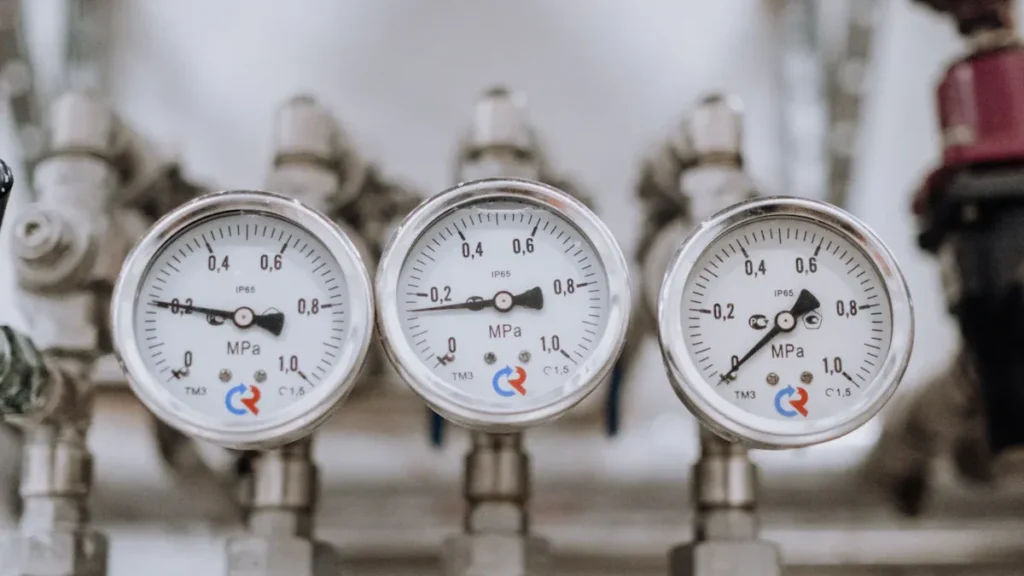
When I look at digital and analog pressure gauges, I see big differences. Digital gauges use sensors and show numbers on a screen. Analog gauges have a needle that moves on a dial. I think digital gauges are easier to read. The numbers are clear and simple. I do not have to guess or look closely at a small needle.
Getting the right measurement is important to me. I want results that are very exact. Here is a table that shows how accurate each type is:
| Gauge Type | Accuracy Range |
|---|---|
| Analog Pressure | ±0.25% to ±3% FS |
| Digital Pressure | ±0.025% to ±1% FS |
Digital pressure gauges give better accuracy. I trust them for jobs where details matter. Digital gauges also work well in hard places. They can handle water and dust better than analog ones.
Taking care of gauges is important too. I spend less time fixing digital gauges. Here are some reasons why:
- Digital gauges need less care.
- No moving parts means less breaking.
- Many digital gauges set themselves, so I check them less.
- Analog gauges need to be checked and fixed more often.
Digital gauges have extra features. I can save data, set alarms, and change units with a button. Analog gauges only show the pressure. I cannot save data or get alerts with them.
Why choose digital?
I pick digital pressure gauges for many reasons. They make my work easy and safe. Here is a table that shows the main benefits:
| Feature | Digital Pressure Gauges | Analog Pressure Gauges |
|---|---|---|
| Functionality | Data saving, alarms, settings | Only basic readings |
| Durability | Tough, water-resistant, works in hard places | Wears out, changes with weather |
| Maintenance | Needs less checking, sets itself | Needs lots of checking and fixing |
| Portability | Small, light, uses batteries | Bigger and heavier |
| Safety Features | Warnings, shuts off by itself | Few safety features |
| Cost-Effectiveness | Costs less over time | Costs more to fix and keep working |
| Connectivity Options | USB, Bluetooth, wireless sharing | No way to connect |
I like digital gauges because they save my readings. I can look at old data and see patterns. Alarms tell me if pressure is too high. This keeps my things safe. I use digital gauges at home and at work.
Digital gauges can connect to my computer or phone. I send data without wires and share it with others. Analog gauges cannot do this. Digital gauges help me save time and avoid mistakes.
Tip: I always use digital pressure gauges when I need quick and correct measurements. They help me work better and stay safe every day.
Advantages of digital pressure gauges
Easy reading
When I use a digital pressure gauge, reading numbers is simple. The display shows clear digits, so I do not guess. I just look at the screen and see the value. This helps me work faster and make fewer mistakes. In dark places, the backlit screen helps me see the pressure easily. I remember using an analog gauge before, and it was hard to see the needle when the light was low.
Here is a table that shows how easy reading helps me compared to analog gauges:
| Feature | Digital Pressure Gauges | Analog Pressure Gauges |
|---|---|---|
| Readability | Shows clear numbers on the display | You must look at the needle |
| Human Error Reduction | Makes mistakes less likely | Easier to make mistakes |
| Time Efficiency | Gives quick readings | Takes longer to read |
| Low-Light Performance | Backlit screens help in the dark | Hard to read without good light |
I trust digital pressure gauges because they help me get the right measurement fast. I do not worry about mistakes when I read the numbers.
Tip: I always pick a gauge with a bright screen for dark or busy places.
High accuracy
I want my pressure readings to be very exact. Digital pressure gauges give me this trust. They show exact numbers, so I do not guess. Digital models help remove mistakes people make. If a gauge shows more steps, it is even more accurate. For example, a gauge with 1,000 steps gives a finer measurement than one with only 100 steps. Most digital gauges I use have a margin of error as low as 0.2%. This makes them great for jobs where every detail matters.
- Digital pressure gauges help stop mistakes in readings, giving better results.
- The more steps a gauge shows, the more exact it is; for example, 1,000 steps is better than 100 steps.
- The margin of error for electronic pressure gauges depends on the number of counts, with 0.2% being common for gauges with 1,000 counts.
I always choose a digital pressure gauge when I need the best accuracy for my work.
Extra features
I like digital pressure gauges because they do more than just show numbers. Many let me switch between units like psi, bar, or kPa with a button. I can save my pressure readings and look at them later. This helps me track changes and find problems early. Some gauges have alarms that warn me if the pressure is too high or too low. This keeps my equipment safe and helps me act fast.
Some digital gauges connect to my phone or computer. I can send data wirelessly and share it with my team. These extra features make my job easier and help me stay organized. I feel better when I use a tool that does more than just show numbers.
Note: I always look for digital pressure gauges with memory, alarms, and wireless options. These features save me time and help me work smarter.
Durability
When I choose a digital pressure gauge, I always think about how long it will last. I want a tool that can handle tough jobs and keep working for years. Durability matters to me because I use my gauge in many places—sometimes outside, sometimes in a busy workshop, and sometimes in wet or dusty spots. I need a device that can take a few bumps and still give me the right numbers.
I notice that digital pressure gauges have strong cases. Many use hard plastic or metal. Some even have rubber covers. These covers help protect the gauge if I drop it or knock it against something. I like this because I do not worry about breaking my tool when I work fast.
Here are some reasons why I trust the durability of digital pressure gauges:
- The cases protect the inside parts from water and dust.
- The screens resist scratches and stay clear after many uses.
- The buttons work well, even after I press them many times.
- The sensors, like SOUSHINE FSRs, keep working even after lots of pressure changes.
I remember one time I dropped my gauge on a concrete floor. I picked it up and checked the screen. The numbers still showed up bright and clear. The case had a small mark, but the gauge worked just like before. That made me trust the build quality even more.
Many digital pressure gauges have special seals. These seals keep water and dirt out. I use my gauge in the rain or in a dusty garage, and it keeps working. I do not have to worry about moisture getting inside and ruining the electronics.
Here is a table that shows what makes a digital pressure gauge durable:
| Feature | How It Helps Me |
|---|---|
| Strong Housing | Protects from drops and bumps |
| Waterproof Seals | Lets me use it in wet places |
| Dust Protection | Keeps dirt out of the inside parts |
| Scratch-Resistant Screen | Stays clear and easy to read |
| Long-Lasting Sensor | Keeps giving accurate readings |
I also like that digital pressure gauges do not have many moving parts. Analog gauges have springs and needles that can wear out or get stuck. My digital gauge uses electronic parts, so it lasts longer and needs less fixing.
Tip: I always check the product details for waterproof and dustproof ratings. These ratings tell me how well the gauge will stand up to tough conditions.
Durability gives me peace of mind. I know my digital pressure gauge will keep working, even if I use it every day. This makes my job easier and saves me money because I do not have to buy new tools often. I also find that good durability helps with readability, since the screen stays clear and the numbers stay easy to see, even after years of use.
Applications of digital pressure gauges
Everyday uses
I use digital pressure gauges in lots of daily tasks. When I check my car tires, I look at the numbers on the gauge. I also use it for my bike tires to make sure they have enough air. At home, I sometimes check water pipes or gas tanks with my gauge. These tools help keep my family safe and my things working well.
Here are some ways I use digital pressure gauges every day:
- I check car and bike tire pressure.
- I test air pressure in sports balls.
- I watch water pressure in home plumbing.
- I measure gas tank pressure for grills or heaters.
I like how quickly I get results. The digital screen shows the exact number, so I do not guess. This makes my jobs fast and simple.
Industrial uses
Digital pressure gauges are important in factories and workplaces. I see them on machines, pipes, and storage tanks. Workers use these gauges to keep everything safe. The gauges help find problems before they get worse.
Some big industrial uses are:
| Industry | How I Use Digital Pressure Gauges |
|---|---|
| Manufacturing | I watch machine pressure to stop breakdowns |
| Oil and Gas | I check pipeline pressure for safety |
| Food Processing | I control pressure in cooking and packaging |
| Healthcare | I use gauges in medical devices and monitors |
Digital pressure gauges give me correct measurements. This helps me avoid mistakes and keeps people safe. I trust these tools because they work well in tough places, like hot factories or outside.
SOUSHINE FSR products in action
I have seen SOUSHINE Force Sensing Resistors (FSRs) help in many areas. These sensors give me good data every time. In cars, I use SOUSHINE FSRs for airbags and brake checks. The sensors work well in hard conditions. They last long and keep my car safe.
In robots, SOUSHINE FSRs help robots feel how much force they use. Robots can pick up things safely and smartly. I also use these sensors in healthcare tools, like patient monitors. The sensors help track small changes in pressure, which is important for care.
Here is what I notice about SOUSHINE FSRs:
- They stay strong and work well, even in rough places.
- They give me exact data, which helps with safety.
- They come in many shapes and sizes for different devices.
I also find SOUSHINE FSRs in smart watches and gaming controllers. These sensors help the devices react to touch and pressure. I like using products that feel more real and accurate because of these sensors.
Note: I always pick SOUSHINE FSRs when I need good and advanced pressure measurement. They help me get the best results in every area.
When to use a digital pressure gauge
Best situations
I pick a digital pressure gauge when I need exact results. Some jobs need more than a quick look. I want to avoid mistakes, so I use tools that are very accurate. Digital pressure gauges help me do this. Here is a table that shows when I use them:
| Situation | Why I Use Digital Gauges |
|---|---|
| Need for high accuracy | Small errors can cause big problems. Digital gauges give me precise numbers. |
| Easy-to-read display needed | The screen shows numbers clearly. I do not guess or misread a needle. |
| Working in high-vibration areas | Digital gauges stay steady and show the right value, even if things shake. |
One time, I worked in a factory with shaking machines. My old analog gauge showed numbers that moved a lot. When I used a digital gauge, the numbers stayed the same. I finished my job faster and trusted the results.
Tip: I use a digital pressure gauge when I need to save data or send it to a computer. This helps make my reports correct.
Who benefits most
Many people and companies get better results with digital pressure gauges. Some groups use these tools the most. Here is a table that shows which industries benefit:
| Industry | How Digital Gauges Help |
|---|---|
| Manufacturing | I use them for process control and quality checks. They help keep products safe. |
| Utilities | I monitor water, gas, and power systems. Digital gauges help prevent accidents. |
| Laboratories | I need high-precision tools for research. Digital gauges give me reliable data. |
I also see that some workers use digital pressure gauges a lot:
- I work in oil and gas, and digital gauges help me find problems early.
- In manufacturing, I use them to watch machines and check quality.
- My friends in pharmaceuticals use digital gauges to follow strict rules.
- Water treatment workers use them to keep systems safe.
These groups get better accuracy, faster results, and easier ways to follow safety rules. I think digital pressure gauges help me do my job better and avoid expensive mistakes.
Note: If you work where safety and accuracy are important, a digital pressure gauge can help a lot.
I found out that a digital pressure gauge is easy for anyone to use. The screen shows numbers clearly, even when it is dark. I do not need to learn anything special to use it. Many businesses use these gauges because they work well and are simple to read. Here are some things I like:
| Feature | Benefit |
|---|---|
| Bright display | You can read it anywhere |
| Multiple units | You do not need to change units |
| Steady readings | It works in hard places |
I always pick SOUSHINE for smart and easy pressure tools. Everyone can use this technology and get safe, correct results.
FAQ
How do I use a digital pressure gauge?
I turn on the gauge, place it on the valve or fitting, and read the number on the screen. I press the unit button if I want to change units. I always check the battery before I start.
What is a Force Sensing Resistor (FSR)?
A Force Sensing Resistor is a sensor that changes its resistance when I press on it. SOUSHINE FSRs help my gauge measure pressure quickly and accurately. I trust them for reliable results.
Can I use a digital pressure gauge for liquids and gases?
Yes, I use my digital pressure gauge for both liquids and gases. I check the product details to make sure it fits my needs. I always follow safety tips for each type.
How do I know when to replace the battery?
My gauge shows a low battery warning on the screen. I replace the battery when I see this sign. I keep spare batteries with me to avoid interruptions.
Why does my gauge show different units?
Digital pressure gauges let me pick units like psi, bar, or kPa. I press the unit button to switch. This helps me use the gauge in different jobs and places.
Are SOUSHINE digital pressure gauges waterproof?
Many SOUSHINE digital pressure gauges have waterproof seals. I use them in wet places without worry. I check the product label for the waterproof rating before I buy.