

Call us: +86-137-2353-4866
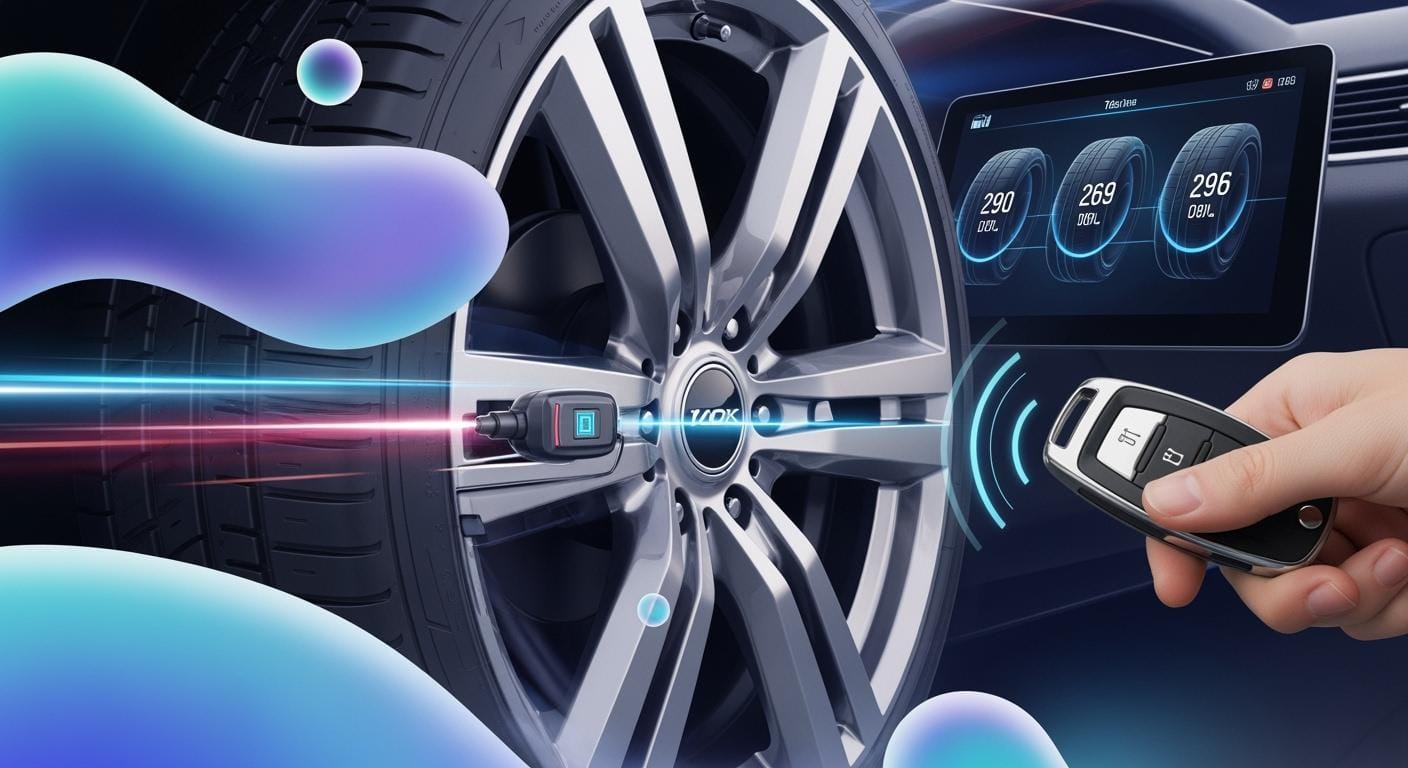

A tire pressure monitoring sensor checks the air in your tires. It sends this information to your car’s dashboard. TPMS uses these sensors to warn you if tire pressure is too low. You get a clear alert to help you stay safe. This helps you avoid unsafe driving conditions. The right tire pressure keeps your car safe and working well. The TPMS market is getting bigger. It may grow from USD 11.17 billion in 2024 to USD 24.08 billion by 2032. Some cars use force sensing technology, like a force sensing resistor, in safety systems.
- TPMS market size may grow at over 10% each year for ten years.
- More cars use sensors to make driving safer.
Table of Contents
Key Takeaways
Tire pressure monitoring sensors (TPMS) help keep you safe. They warn you when your tire pressure is low. – You should check your tire pressure by hand every month. This is important even if you have TPMS. It helps keep you safe and makes your tires last longer. – Direct TPMS shows you the tire pressure right away. Indirect TPMS checks wheel speed to find problems. – Keeping the right tire pressure helps you use less gas. It also makes your tires last longer and saves you money. – If the TPMS light turns on, check your tire pressure soon. Look for any damage to your tires to stay safe and stop accidents.
Tire Pressure Monitoring Sensor Basics
What Is a Tire Pressure Monitoring Sensor?
A tire pressure monitoring sensor checks the air in your tire. Each wheel has one sensor. The sensor looks at both pressure and temperature. It sends this data to the car’s computer. If the pressure gets too low, a light comes on.
You can find a few main parts in a tire pressure monitoring sensor:
- Tire pressure sensor and air valve: This part checks pressure and temperature. It sends the numbers to the control unit.
- Tire pressure warning antenna and receiver: This part gets signals from the sensors. It sends them to the control unit.
- Tire pressure warning control unit: This part looks at the data. It turns on the warning light if needed.
- Tire pressure warning light and reset switch: This part shows you when pressure is low. It lets you reset the system.
- Nickel-plated valve core, rubber grommet, replacement valve cap with grommet, and locknut: These parts help seal the sensor. They keep it working right.
People call this system a tire pressure monitoring system or TPMS. The main job of TPMS is to tell you about your tire pressure. This helps you drive safely and avoid trouble.
How TPMS Works in Cars
TPMS uses a tire pressure monitoring sensor in each tire. It checks air pressure all the time. The sensor has a small radio transmitter. It sends real-time pressure data to the car’s computer. If the pressure is too low, the sensor sends a signal. The car’s computer turns on a warning light.
Here is how it works:
- Battery-powered sensors sit on the rim and connect to the valve.
- These sensors check tire pressure directly.
- The sensor codes the data and sends it as a high-frequency signal to a receiver in the car.
These sensors give you accurate readings. The difference between what the sensor shows and the real tire pressure is about 1.2% to -1.5%. The biggest difference found is 3.3%. You can trust the numbers you see on your dashboard.
TPMS sensors last about 5 to 10 years. You may need to replace them if the battery dies or if the sensor breaks. Most drivers do not need to calibrate the sensors often.
Some people think car radios or window tints can mess up the tire pressure monitoring system. This is not true. You should still check your tire pressure by hand. Many drivers only check their tire pressure when the warning light comes on or during oil changes. This can be risky if the system does not warn you in time.
The environment can change how well your tire pressure monitoring sensor works. Look at the table below to see some effects:
| Effect | Description |
|---|---|
| Zero Drift | Temperature changes can shift the sensor’s baseline, causing wrong readings. |
| Material Expansion | Heat or cold can make sensor parts expand or shrink, changing the output. |
| Battery Depletion | High heat can drain the battery faster, leading to odd readings. |
High heat can make the sensor give strange numbers. Cold weather can make tire pressure drop and cause false alerts. Big temperature changes can stress the sensor and make it break sooner.
TPMS does more than warn you about low tire pressure. Tire pressure monitoring systems can work with other safety features in your car. For example, they can connect to cloud platforms for predictive maintenance. This helps you know when to get new tires. In advanced driver assistance systems, TPMS data helps with traction control, stability, and braking.
Tip: Even if you have a tire pressure monitoring system, check your tire pressure by hand every month. This keeps you safe and helps your tires last longer.
Types of Tire Pressure Monitoring Systems
There are two main types of TPMS in cars today. These are direct and indirect systems. Both help you keep the right tire pressure. They work in different ways.
Direct TPMS Explained
Direct TPMS has sensors inside each tire. These sensors check tire pressure and temperature. The sensors send this data to your dashboard wirelessly. You can see the tire pressure right away. If the pressure drops, you get an alert fast. Direct TPMS gives you exact numbers for each tire. The sensor battery may need changing after a few years. When you get new tires, the system usually syncs up quickly.
Indirect TPMS Explained
Indirect TPMS does not use pressure sensors in the tire. It uses wheel speed sensors instead. The system checks how fast each tire spins. If a tire loses air, it gets smaller and spins faster. The system looks at the spin rates to find problems. Indirect TPMS does not show the exact tire pressure. You have to reset the system after you fill or rotate your tires.
Note: Some safety systems use force sensing technology, like SOUSHINE FSRs. These can check pressure or force in other car parts. They are not TPMS but can make cars safer.
Pros and Cons of Each System
Here is a table to show the differences:
| Feature | Direct TPMS | Indirect TPMS |
|---|---|---|
| Measurement Method | Uses pressure sensors inside each tire | Uses wheel speed sensors |
| Data Transmission | Sends tire pressure data to the dashboard | Checks how fast each wheel spins |
| Accuracy | Gives real tire pressure readings | May not be right if you change tires |
| Maintenance | Needs new sensor if battery dies | Needs reset after tire work |
| Cost | Usually costs more | Usually costs less |
Pros of Direct TPMS:
- Shows real tire pressure numbers.
- Works even after you rotate tires.
- Syncs easily after tire changes.
Cons of Direct TPMS:
- Costs more to put in.
- You must remove the tire to change the sensor battery.
Pros of Indirect TPMS:
- Cheaper to install.
- Needs less care.
Cons of Indirect TPMS:
- May not work well with different tire sizes.
- Needs a reset after you fill or rotate tires.
Both systems help you keep your tire pressure safe. You can pick the one that works best for your car.
Why Tire Pressure Matters for Safety
Safety and Performance Benefits
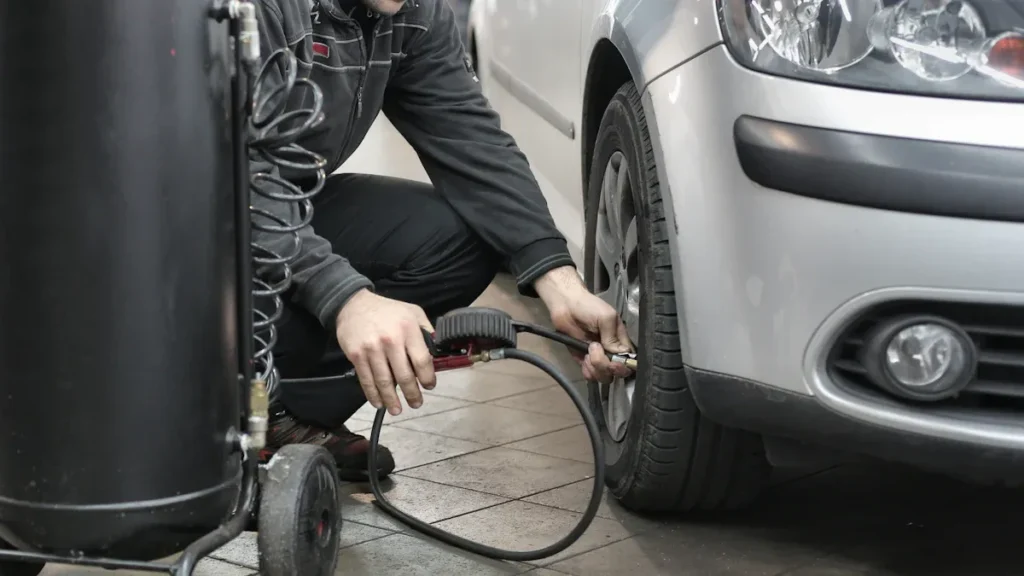
You trust your tires every time you drive. Having the right tire pressure keeps you safe. TPMS tells you if your tire pressure drops. This lets you fix problems before they get worse.
- Underinflated tires can cause blowouts.
- Too little air makes tires get hot and weak.
- Low tire pressure can make accidents more likely.
- Tires with not enough air are harder to control.
- The right pressure helps stop blowouts by keeping tires cool.
- Good pressure makes your car handle and stay steady.
- TPMS helps you find low pressure early.
You want your car to turn and stop well. Tires with the right pressure give you better control. When tires have enough air, you can steer and brake easily. You also avoid sudden tire problems that can cause crashes.
Note: Tire pressure monitoring systems show you real-time numbers. This helps you act quickly if something is wrong.
Impact on Tire Life and Fuel Efficiency
Tire pressure changes how long your tires last and how much fuel you use. If you drive with low pressure, tires wear out faster. You might need new tires sooner. Tires with good pressure roll smoothly and last longer.
- The best tire pressure helps you save fuel.
- Low pressure makes more friction and uses more gas.
- Tires with 20% too much air can make stopping take longer.
- Tires with 20% too little air can help you stop faster, but wear out unevenly.
How tire pressure affects stopping depends on friction. Friction is the main force when you stop your car. Keeping the right pressure helps you stop safely and keeps tires in good shape.
Check your tire pressure often. Use TPMS and check by hand to keep tires at the best pressure. This keeps your car safe and saves fuel.
What to Do When the TPMS Light Comes On
Immediate Actions for Drivers
If the TPMS light turns on, you should act fast. This helps keep your car safe. Here are some steps to follow:
- Park your car in a safe spot.
- Use a gauge to check tire pressure. Look at the numbers on the driver’s door. Add air if a tire is low.
- Look at each tire for damage. Check for holes or things stuck in the tread. If you see damage, ask a professional for help.
- Drive a short way to reset the TPMS light. If the light stays on, read your car’s manual for help.
Tip: Tires with the right air help you avoid crashes and keep your car working well.
Maintenance and Troubleshooting Tips
The TPMS light can mean different things. Sometimes it means tire pressure is low. Other times it means there is a sensor problem. Use this table to learn what the warning means:
| Scenario | Indicator Light Behavior |
|---|---|
| Low Pressure Detected | The TPMS light stays on to show low tire pressure. |
| Sensor Malfunction | The TPMS light flashes for about one minute, then stays on until you fix the issue. |
If you need to fix a problem, use this guide:
| Issue | Troubleshooting Technique |
|---|---|
| Sensor Battery Failure | Check sensor batteries for rust or if they are dead. Change them if needed. |
| Sensor Damage or Corrosion | Look for broken sensors and clean off dirt. |
| Incorrect Tyre Pressure Readings | Use a good gauge to check tire pressure by hand. |
| System Malfunction | Reset the TPMS system with the maker’s instructions. |
| General Troubleshooting | Go to a professional if you still have problems. |
How to Check If Your Car Has TPMS
You can find out if your car has TPMS by:
- Reading your owner’s manual for TPMS info.
- Looking for a TPMS light on your dashboard when you start the car.
- Asking a mechanic or tire expert to check for TPMS.
Advanced Sensing Solutions (e.g., SOUSHINE FSRs)
Some cars use special sensors to make driving safer. SOUSHINE FSRs use force-sensing resistor technology. These sensors find force and pressure changes fast. They can spot small leaks or drops in tire pressure. You can put these sensors in different places on the tire or wheel. They send data to your car’s computer for quick warnings. SOUSHINE FSRs also help with seat detection and smart airbags. They fit in many cars and work in bad weather. They are not TPMS, but SOUSHINE FSRs help safety systems by giving good and clear readings.
You count on tire pressure monitoring sensors to help keep your car safe. Checking your tires often can stop accidents and save you money.
- Last month, 55% of drivers checked their tire pressure, but many wait for the warning light before doing anything.
- Taking care of your TPMS stops blowouts and helps your tires last longer.
- The right tire pressure uses less fuel and makes less pollution.
- TPMS can help you pay less for insurance by stopping accidents.
Watch for new sensor technology like SOUSHINE FSRs to make driving even safer.
FAQ
What does the TPMS light mean on my dashboard?
The TPMS light tells you that one or more tires may have low air pressure. You should check your tires soon to keep your vehicle safe.
How often should I check my tire pressure if I have TPMS?
You should check your tire pressure every month. TPMS helps you, but you still need to use a gauge to make sure your tires have the right amount of air.
Can TPMS sensors fail or need replacement?
Yes, TPMS sensors can stop working after a few years. You may need to replace them if the battery dies or if the sensor breaks.
Does TPMS work in all weather conditions?
TPMS works in most weather, but very hot or cold temperatures can affect sensor readings. Always check your tires if you see a warning.
Will TPMS tell me which tire has low pressure?
Many TPMS systems show you which tire has low pressure. Some older systems only show a warning light, so you must check each tire.