

Call us: +86-137-2353-4866
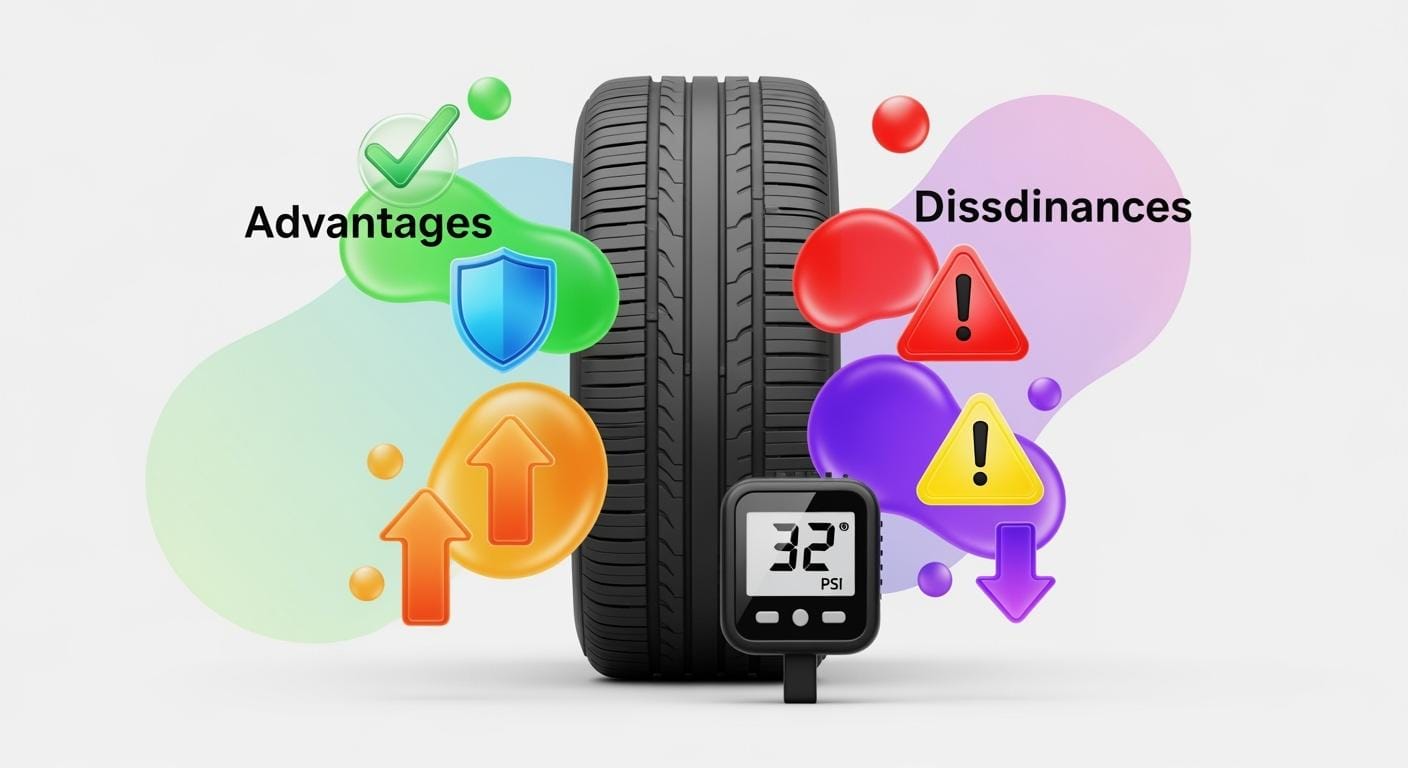

You need your tires every time you drive. The right tire pressure keeps you safe. It also helps your car drive better. You can save money on gas and new tires, too. There are different tire pressure monitor tools. These include direct TPMS, indirect TPMS, manual gauges, and smart devices. Look at the table below to see how direct and indirect TPMS work:
| Type | Description |
|---|---|
| Direct TPMS | Uses sensors in each wheel to measure tire pressure directly and gives accurate warnings. |
| Indirect TPMS | Uses wheel speed sensors to compare tire rotation and warns if a tire has low air. |
Some systems use force sensing to check tire pressure. A force sensing resistor changes that pressure into electrical signals. Think about how you drive and your car before you choose a tool.
Table of Contents
Key Takeaways
- Keeping tires at the right pressure helps you stay safe. It makes your car easier to control and helps you stop faster.
- Direct TPMS gives alerts right away. It shows the exact pressure. This makes it a good choice for safety.
- Indirect TPMS costs less money. It is not as exact. It guesses pressure by looking at how fast the wheels spin.
- Manual gauges can be analog or digital. You use them yourself to check pressure. You need to use them often for them to work well.
- Smart tire pressure monitors are easy to use. They send updates to your phone. They can cost more money.
- Checking tire pressure often can help you save gas. It can make your tires last longer. You will not need to buy new tires as often.
- Pick a tire pressure monitor that matches how you drive and your car. This helps you get the best results.
- Always make sure the tool works with your car before you buy it.
Importance of Tire Pressure Monitoring
Safety Benefits
You want to stay safe every time you drive. Keeping the right tire pressure helps you do that. When your tires have the correct amount of air, your car handles better and stops faster. If you drive with underinflation, your tires can overheat or even blow out. That can lead to accidents, especially when roads are wet or slippery.
Take a look at this table to see how tire pressure affects your safety and driving:
| Impact | Description |
|---|---|
| Handling | Proper tire pressure ensures optimal contact with the road, enhancing vehicle stability and control. |
| Stopping Distance | Correct pressure leads to shorter stopping distances, crucial for avoiding accidents. |
| Safety Risks | Incorrect pressure increases the risk of blowouts and skidding, especially in adverse conditions. |
You might not know this, but the U.S. government made tire pressure monitoring systems a rule for most cars in 2007. They did this because tire problems cause many crashes. Research shows that direct tire pressure monitoring systems can cut tire-related accidents by up to 55%. That’s a big difference for your safety.
Performance Impact
When you keep your tires at optimal tire pressure, your car drives smoother and responds better. You feel more in control, whether you’re turning, stopping, or driving straight. If your tires don’t have enough air, your car might not grip the road well. That can make it harder to steer or stop quickly.
The research team at Oak Ridge National Laboratory found that when tires drop to 75% of the recommended pressure, fuel economy goes down by about 2-3%. If the pressure drops to 50%, fuel economy can drop by 10% at 40 miles per hour and 5% at 80 miles per hour.
Driving with the right tire pressure also helps your tires last longer. You won’t have to replace them as often, and you’ll notice your car feels better on the road.
Cost Savings
You can save money just by checking your tire pressure. When your tires have the right amount of air, you use less gas and your tires wear out more slowly. That means fewer trips to the gas station and fewer new tires to buy.
- Properly inflated tires can boost fuel efficiency by up to 3%.
- You could save about 11 cents per gallon at the pump.
- Tires that stay at the right pressure can last up to 15% longer.
Tire pressure monitoring helps you catch problems early. You avoid costly repairs and keep your car running smoothly. So, by paying attention to your tires, you protect your wallet as well as your safety.
Types of Tire Pressure Monitor Tools
You can check your tire pressure in different ways. Each tool works in its own way. Each one has good points. Here are the main types you can buy.
Tire Pressure Monitoring Systems (TPMS)
TPMS watches your tires as you drive. These systems use sensors and electronics. They warn you if your tire pressure drops. You do not need to use a gauge every time. There are two main types: direct and indirect.
Direct TPMS Overview
Direct TPMS has sensors inside each tire. These sensors check air pressure and temperature. The system sends this data to your car’s computer. If a tire loses air, you get a warning fast. Direct TPMS has a sensor on the valve stem, a warning light, and a control unit. The sensors use radio signals to send info. You get real-time data, even when stopped. This system fits most cars and helps keep you safe.
Indirect TPMS Overview
Indirect TPMS works in another way. It uses the car’s ABS wheel speed sensors. If a tire has low pressure, it spins faster. The system sees this and warns you. Indirect TPMS does not measure air pressure. It guesses pressure from wheel speed. This system costs less because it uses sensors already in your car. You may need to reset it after changing tires. It works best with regular tires and is not as exact as direct TPMS.
Tip: Direct TPMS shows exact numbers for each tire. Indirect TPMS only tells you if something is wrong.
Manual Tire Pressure Gauges
Manual tire pressure gauges let you check tires by hand. You press the gauge onto the tire valve. It shows the pressure. There are two main types: analog and digital.
Analog Gauges
Analog gauges have a needle and dial. You read the number where the needle points. These gauges do not need batteries. They cost less and last long. Sometimes, it is hard to read the scale in low light. Analog gauges are good if you want a simple tool.
Digital Gauges
Digital gauges show the pressure on a screen. You see a clear number. This makes reading easy. These gauges often give more exact results. Some digital gauges have extra features, like a light or memory. You need batteries for digital gauges. They can cost more. They are good if you want quick, easy readings.
| Feature | Analog Gauges | Digital Gauges |
|---|---|---|
| Pros | Simple, no batteries, low cost | High accuracy, easy to read, extra features |
| Cons | Hard to read in low light, less precise | Needs batteries, higher cost |
Smart Tire Pressure Monitor Tools
Smart tire pressure monitor tools use new technology. Many connect to your phone with Bluetooth. You can see your tire pressure on an app. Some smart tools use digital sensors for better accuracy. They send alerts if your tire pressure changes.
Bluetooth/App-Based Devices
Bluetooth tire pressure monitor tools work with your phone. You get updates right away. You can track your tire health over time. These tools use digital sensors for better accuracy. You do not have to guess if your tires are safe.
SOUSHINE TPMS Features
SOUSHINE TPMS uses advanced sensors and real-time data. The system uses force sensing for instant alerts. You see your tire pressure and temperature right away. SOUSHINE TPMS helps you keep tires at the right pressure. This boosts safety and performance. You feel safe every time you drive.
| Feature | TPMS | Manual Gauges |
|---|---|---|
| Monitoring Method | Electronic system with real-time alerts. | Manual checking required by the driver. |
| Accuracy | Generally accurate but can fail due to electronics. | Highly accurate if calibrated correctly. |
| Convenience | Very convenient for continuous monitoring. | Less convenient, requires effort to check. |
| Safety | Immediate alerts for low pressure. | Relies on driver diligence for safety. |
No matter which tool you pick, watching your tire pressure helps you drive safer and save money.
Tire Pressure Monitoring System Pros and Cons
When you pick a tire pressure monitor tool, you want to know what is good and bad about each one. Let’s look at the different tire pressure monitoring systems so you can find the one that works for you.
Direct TPMS Pros and Cons
Precision and Accuracy
Direct tpms gives you very exact results. The sensors are inside each tire and check the air pressure. You see the real numbers for every tire. This helps you know if something is wrong right away. Direct tpms uses smart technology for good readings every time you drive. You do not have to guess the pressure. Tests show direct tpms sensors check tire pressure using air pressure sensors. This way is the most accurate compared to other tire pressure monitor tools.
- Direct tpms sensors check tire pressure with great accuracy.
- You get exact numbers for each tire.
- Indirect systems guess the pressure, so they can be wrong.
- Indirect tpms only finds about half of low-pressure tires, so direct tpms is more trustworthy.
You can count on direct tpms to keep your tires at the right pressure. This keeps you safe and helps your car work well.
Real-Time Alerts
Direct tpms gives you alerts right away. If your tire pressure drops, you get a warning fast. You do not have to stop and check each tire. The system checks your tires while you drive and sends quick messages. This makes driving safer and helps you fix problems before they get worse. You can act fast and stop accidents.
Tip: Direct tpms gives you quick alerts so you can fix problems early and keep your tires in good shape.
Cost and Maintenance
Direct tpms has many good things, but you need to think about the price and care. Each sensor costs between $50 and $300 to change. You might pay for someone to put them in, especially if you want a pro to do it. Taking care of the sensors can cost more over time, especially if you drive a lot or have an old system. You can put in some sensors yourself, but many people want a pro for better results. The sensors last a long time, but you should check them often to make sure they work.
- Direct tpms sensors cost more than other tire pressure monitor tools.
- Putting them in and taking care of them can cost you more.
- You need to change sensors when they get old.
You get great accuracy, but you pay more for these things. Think about your money and how much you drive before you pick direct tpms.
Indirect TPMS Pros and Cons
Affordability
Indirect tpms is known for being cheap. This system uses sensors already in your car, so you do not need new parts. You save money on putting it in and taking care of it. Many people like indirect tpms because it costs less than direct tpms and manual gauges.
| TPMS Type | Cost Implications | Monitoring Type |
|---|---|---|
| Indirect TPMS | Lower costs because it uses your car’s own sensors | Estimates pressure using ABS and ESC sensors |
| Direct TPMS | Higher costs because each tire has its own sensor | Gives real-time numbers and is more accurate |
| Manual Gauges | Usually cheaper at first | No constant checking or safety features |
You can pick indirect tpms if you want a tire pressure monitor tool that saves you money.
Reliability
Indirect tpms works well for many people, but you should know about how well it works. This system uses wheel speed sensors to guess tire pressure. Sometimes, how you drive can change the readings. Hard stops, sharp turns, or bumpy roads can make the wheel speed change even if the tire pressure is fine. Sensor noise and mistakes can give you wrong alerts. Changes in tire tread or how you load your car can also change the system.
| Factor | Description |
|---|---|
| Changes in Driving | Hard stops, fast turns, or quick starts can change wheel speed, not always tire pressure. |
| Road and Surface | Bumpy or slippery roads can make readings wrong. |
| Sensor Mistakes | Wheel speed sensors can get mixed up, so you might get wrong alerts. |
| Tire Wear and Car Load | Worn tires or heavy loads can change how the wheels spin. |
You get a tire pressure monitoring system that is easy to use, but it might not work as well in tough driving.
Limitations
Indirect tpms has some things it cannot do. It does not check tire pressure directly, so it is not as exact. The system guesses the pressure, so it can be wrong. Reports show indirect tpms only finds about half of tires that are too low by 25% or more. You might not get a warning when you really need it. Indirect tpms also does not warn you as fast as direct tpms. You may need to reset the system after you change or rotate your tires.
| Pros | Cons |
|---|---|
| Saves money | Not as accurate |
| Uses your car’s own sensors | Not as quick as direct TPMS |
You save money and it is easy to use, but you lose some accuracy. If you want the best safety and exact numbers, direct tpms is better.
Manual Tire Pressure Monitor Tool Pros and Cons
If you want to check your tire pressure yourself, you use a tire pressure gauge. There are two main types: analog and digital. Each type has good and bad points. Let’s look at them so you can pick the best tire pressure monitor tool for you.
Analog Gauge Pros and Cons
Simplicity
Analog tire pressure gauges are easy to use. You press the gauge onto the tire valve. The needle shows your tire pressure. You do not need batteries or electronics. Many drivers like how simple this is. You can keep an analog tire pressure gauge in your glove box. You only use it when you need it.
Precision
Analog tire pressure gauges work well, but they are not always exact. You have to look at the needle and read the scale. This can be hard if you are in a hurry or if it is dark. Sometimes, you might guess the number instead of seeing it clearly. Small mistakes can happen with your tire pressure.
Durability
Analog tire pressure gauges last a long time. They have fewer parts that can break. No electronics means less can go wrong. You do not need to worry about batteries dying. Many analog tire pressure gauges work for years. They can handle being dropped or left in your car in hot or cold weather.
Here is what car experts say:
| Advantages | Disadvantages |
|---|---|
| Affordable: Costs less than digital gauges. | Less Precision: Not as exact as digital gauges. |
| Durable: Fewer parts, less likely to break. | Hard to Read in Low Light: Tough to see in the dark. |
| No Batteries Needed: Works without batteries. | Limited Features: Only shows tire pressure. |
Tip: Analog tire pressure gauges are good if you want a tool that is simple, lasts a long time, and does not need batteries.
Digital Gauge Pros and Cons
Quick Readings
Digital tire pressure gauges are fast and easy to use. You press the gauge onto the valve. The screen shows a clear number. You do not have to guess or look at a small needle. Digital tire pressure gauges use pressure transducers for quick, accurate readings. Many drivers trust digital tire pressure gauges because the number on the screen is correct.
Extra Features
Digital tire pressure gauges have extra features to help you. Some have backlights so you can check your tire pressure at night. Others let you switch between units like PSI and kPa. Some digital tire pressure gauges have programmable target pressure, automatic shut-off, or a built-in flashlight. Some can record high and low pressure readings so you can track your tire health.
| Feature | Benefit |
|---|---|
| Programmable target pressure | Helps you keep the right tire pressure |
| Automatic shut-off | Saves battery life |
| Unit switching | Lets you pick different measurement units |
| Integrated tread depth measure | Helps you check tire wear |
| Flashlight function | Makes it easier to use in the dark |
- Pre-set pressure alerts tell you if your tire pressure is too high or too low.
- Air bleeder valves help you make small changes without taking off the gauge.
Battery Dependency
Digital tire pressure gauges need batteries to work. If the battery dies, you cannot check your tire pressure. Some digital tire pressure gauges need new batteries often, which can be annoying. Very hot or cold weather can also affect the battery and the readings. You have to check the battery so your digital tire pressure gauge works when you need it.
Note: If you want a tire pressure gauge with many features, digital is a good choice. Just remember to check the batteries so your digital tire pressure gauge is ready.
When you compare analog and digital tire pressure gauges, think about what matters most to you. Do you want simplicity, precision, extra features, or durability? Each tire pressure monitor tool has good and bad points. Pick the one that fits your driving style and needs.
Smart Tire Pressure Monitor Tool Pros and Cons
Smart tire pressure monitor tools make it easy for you to keep your tires safe. These tools use technology to give you updates right on your phone. You do not have to use a tire pressure gauge every time you want to check your tires. Let’s look at the pros and cons of Bluetooth/app-based tools and see how SOUSHINE TPMS stands out.
Bluetooth/App-Based Pros and Cons
Convenience
Bluetooth tire pressure monitor tools give you a lot of convenience. You can check your tire pressure from your phone, even when you are not near your car. You get alerts if something changes. You do not need to stop and use a tire pressure gauge. You can even monitor more than one car if you have more than one vehicle. This makes it easy to keep your family safe.
Integration
These tools work well with your smartphone. You can see all your tire information in one app. Some apps let you track your tire pressure over time. You can set reminders to check your tires. You do not need to remember to use a tire pressure gauge every week. The app keeps you updated with real-time data.
Cost
Bluetooth tire pressure monitor tools cost more than a simple tire pressure gauge. You pay for the sensors and the app. Sometimes, you might have to pay for updates or extra features. You may also face issues with the connection between your phone and the sensors. Some tools may not meet all safety rules.
Here is a quick look at the pros and cons:
| Pros | Cons |
|---|---|
| Advanced monitoring capabilities | Potential connectivity issues |
| Ease of installation | Questions about regulatory compliance |
| Ability to monitor multiple vehicles |
SOUSHINE TPMS Pros and Cons
Advanced Precision
SOUSHINE TPMS uses high-precision sensors. You get exact numbers for each tire. The system checks your tire pressure and temperature with advanced force sensing. You do not have to guess or use a tire pressure gauge. This makes it easy to keep your tires at the right pressure.
Real-Time Data
You get real-time data every time you drive. SOUSHINE TPMS sends updates right away if your tire pressure drops. You see the numbers on your dashboard. You do not need to wait or check each tire by hand. This helps you fix problems before they get worse.
Safety Features
SOUSHINE TPMS gives you instant alerts if your tire pressure is too low. The system helps you avoid blowouts and keeps your car safe. You can drive with confidence, knowing your tires are always checked. The advanced technology helps you stay safe on every trip.
Price Point
SOUSHINE TPMS gives you many features, but it costs more than a basic tire pressure gauge. You pay for the advanced sensors and real-time data. Many drivers feel the extra safety and convenience are worth the price.
Tip: If you want the best mix of safety, convenience, and technology, SOUSHINE TPMS is a smart choice.
When you compare SOUSHINE TPMS to other smart tools, you see the difference in precision and safety. Some other brands, like Deelife Solar TPMS, use solar panels and offer basic alarms. SOUSHINE TPMS stands out with its advanced force sensing and instant alerts. You get more accurate readings and better protection for your car.
If you want a tire pressure monitor tool that gives you peace of mind, SOUSHINE TPMS is a great pick. You get all the benefits of a modern tire pressure monitoring system without the hassle of using a tire pressure gauge every week.
Comparing Precision and Performance
Accuracy of Each Tool
You want your tire pressure numbers to be right. Each tool gives you a different level of accuracy. Manual gauges, like the Accutire MS-4021 Digital, do well in tests. This digital gauge matches the set air pressure at 35 PSI almost every time. You can trust it to give you the right number. Its shape helps you check tires without losing air. You also get instructions to keep it working well.
Direct TPMS systems, like SOUSHINE TPMS, have sensors inside each tire. These sensors check air pressure and temperature. You see the numbers on your dashboard. You get good accuracy every time you drive. Indirect TPMS systems guess the pressure by looking at wheel speed. These systems are not as exact as direct TPMS or digital gauges.
Here’s a quick look at how each tool works:
| Tool Type | Accuracy and Precision Level | Notes |
|---|---|---|
| Direct TPMS | High | Measures pressure directly |
| Indirect TPMS | Medium | Estimates pressure, less precise |
| Digital Gauge | High | Matches set pressure, easy to read |
| Analog Gauge | Medium | Can be hard to read, less precise |
Tip: For the best accuracy, pick direct TPMS or a trusted digital gauge.
Reliability in Real-World Use
You need a tire pressure monitor tool that works every day. A reliable tool gives you the right numbers and lasts long. Real-world tests check more than just accuracy. They look at how tough the tool is, how easy it is to use, and what extra features it has.
Here’s how experts rate these tools:
| Metric | Weighting | Description |
|---|---|---|
| Accuracy | 30% | How close readings are to actual tire pressure. |
| Durability | 25% | How well the tool holds up over time. |
| Ease of Pressure Check | 15% | How simple it is to use the tool. |
| Ease of Reading | 15% | How easy it is to see the numbers. |
| Features | 15% | Extra functions like backlighting or memory. |
- Digital gauges like Accutire MS-4021 give you top accuracy. You get clear numbers and a strong design.
- Direct TPMS systems give real-time alerts and last for years. You do not need to check each tire by hand.
- Analog gauges work but can be hard to read in the dark. They last long but may not be the most accurate.
Note: Pick a tool that fits your daily life and gives you results you can trust.
Suitability for Different Drivers
Everyone drives in their own way. The best tire pressure monitor tool depends on what you need. If you drive to work every day, you want something fast and easy. If you drive off-road or for work, you need more safety and control.
- Commercial drivers need TPMS. These systems help stop blowouts and keep trucks moving. You save money on gas and repairs.
- Off-road drivers want accuracy. Direct TPMS and digital gauges help you check tires before rough roads.
- Everyday drivers like tools that are quick and simple. Digital gauges and Bluetooth tools let you check tires in seconds.
Safety is important for all drivers. Low tire pressure can cause accidents. TPMS helps you stay safe and avoid trouble.
Think about how you drive and pick a tool that fits your needs. For the best accuracy, choose direct TPMS or a digital gauge. If you want something simple, an analog gauge is fine.
Choosing the Best Tire Pressure Monitor Tool
You want the right tire pressure monitor tool for your car. Picking the best one depends on your needs and how you drive. Let’s look at the main things you should think about before you decide.
Factors to Consider
Vehicle Type
Your vehicle matters when you choose a tire pressure monitor tool. If you drive a sedan, you might want something simple. Trucks and SUVs need stronger tools that handle heavy loads. Some systems work better with certain makes and models. Always check if the tool fits your car before you buy.
Driving Habits
How you drive changes what you need. If you drive every day, you want a tool that gives quick updates. If you take long trips or drive off-road, you need a tool that checks tire pressure often and gives real-time alerts. People who drive in cities may want something easy to use and fast.
Budget
Money plays a big part in your choice. Manual gauges cost less, but you have to check tires yourself. Smart systems and direct TPMS cost more, but they give you more features and safety. Think about how much you want to spend and what features matter most to you.
Ease of Use
You want a tool that’s easy to use. Some tools show numbers on a screen. Others send alerts to your phone. Manual gauges need you to check each tire. Smart tools and TPMS do the work for you. Pick a tool that fits your comfort level.
Here’s a table to help you compare the main factors:
| Factor | Description |
|---|---|
| Accuracy | Gives you reliable tire pressure numbers for safety and longer tire life. |
| Programmable Modes | Lets you set up the tool for your car and driving style. |
| Power Sources | Choose between battery, solar, or car-powered options for easy maintenance. |
| Vehicle Compatibility | Make sure the tool works with your car’s make and model. |
| Performance and Price | Balance real-time monitoring features with cost to get the best value. |
Tip: Always check if the tool matches your car and driving style before you buy.
You have many choices when picking a tire pressure monitor tool. Manual gauges give you control, digital gauges offer quick readings, and smart systems like SOUSHINE TPMS provide real-time alerts. Each option has strengths and weaknesses. Regular tire pressure checks help you stay safe and save money.
Take action today. Choose the tool that matches your car and driving style. Keep your tires healthy and enjoy a smoother ride.
FAQ
How often should you check your tire pressure?
You should check your tire pressure at least once a month. If you drive long distances or in extreme weather, check more often. TPMS and smart tools make this easy.
Can you use a manual gauge with TPMS?
Yes, you can use a manual gauge even if your car has TPMS. Manual gauges help you double-check your tire pressure for peace of mind.
Do smart tire pressure monitor tools work with any car?
Most smart tools fit standard tire valves. Always check the product details before you buy. Some systems work better with certain makes and models.
What happens if your TPMS light comes on?
If your TPMS light turns on, stop and check your tires. You might have low pressure or a flat. Fix the problem before you keep driving.
Are digital gauges more accurate than analog ones?
Digital gauges usually give you more precise readings. You see clear numbers on the screen. Analog gauges work well but can be harder to read.
Can cold weather affect tire pressure readings?
Yes, cold weather lowers tire pressure. You might see your TPMS light come on when temperatures drop. Always check your tires when the weather changes.
Do you need to replace TPMS sensors?
You need to replace TPMS sensors every 5 to 10 years. If you see warning lights or get wrong readings, it’s time for new sensors.
Is it safe to drive with low tire pressure?
No, driving with low tire pressure is risky. You can lose control or damage your tires. Always fix low pressure before you drive.