

Call us: +86-137-2353-4866

You might ask if tactile systems and SOUSHINE’s force sensing resistor technology really help with chronic disease. Clinical studies say many patients feel better and more comfortable each day. These devices use force sensing to watch progress and give therapy in new ways. You may see that results are different from what people expect for chronic conditions. Think about how these solutions could help your own health.
Many users say they get more benefits than with old methods, giving hope for better results.
Table of Contents
Key Takeaways
- Tactile systems, like SOUSHINE’s technology, can help people feel better. They can make life easier for people with chronic disease.
- Clinical studies show that devices like Flexitouch Plus help many people. They can lower swelling and make symptoms better.
- Digital healthcare tools can help you visit the hospital less. This gives you more time to do things you like.
- Many patients are happy with remote monitoring and telehealth. This means people feel better using these options.
- Wearable devices let you track your health in real time. You and your doctor can change your care quickly if needed.
- Tactile systems are simple to use and fit into your daily life. They help you take care of your health on your own.
- These technologies can help with many conditions. They work for things like lymphedema and chronic venous insufficiency.
- Talk to your healthcare provider to find the best device for you. Make sure it fits your care plan.
Key Results Overview
Surprising Outcomes
You might wonder how tactile systems and SOUSHINE’s technology work in real life. Many people say they get better results than they thought for chronic disease care. The table below lists some important findings from clinical studies:
| Outcome Description | Result | Statistical Significance |
|---|---|---|
| Reduction in internal swelling at anatomical sites | 13 of 19 sites | Base of tongue (p=0.008), Arytenoids (p=0.023) |
| Clinician-reported outcomes favoring Flexitouch Plus | Yes | N/A |
| Improvement in epiglottic thickness | Yes | N/A |
| Sustained improvement in symptom burden | Yes | N/A |
Flexitouch Plus helped reduce swelling at 13 out of 19 places in the body. Doctors also saw that epiglottic thickness got better. There was a steady drop in symptoms over time. These results mean this therapy can really help people with chronic conditions. Many patients feel better for longer, which makes daily life easier.
Note: These results show that advanced therapy could change how you handle chronic symptoms.
Comparison to Traditional Therapies
When you look at tactile systems and compare them to old therapies, the differences are clear. Digital healthcare, like remote patient monitoring, has cut hospital readmissions by up to 66%. Hospital stays dropped by 62% for people using these systems. This means you might spend less time in the hospital and more time doing what you like.
Patient happiness is also very high. Almost all patients using remote monitoring say they are happy. In hand therapy studies, people liked telehealth and in-person visits about the same. About 62.9% of patients are happy with telehealth. Things like age, gender, education, and job can affect how happy people are, but most people feel good about it.
- Digital therapy gives you:
- Fewer hospital trips for chronic problems
- High happiness among users
- Good results for many different people
Traditional therapy still gives personal care and strong bonds with doctors. But tactile systems and digital tools give you new choices for treatment. You can pick what works best for you and your life. These new tools help you watch your progress and change your therapy when you need to.
Tactile Systems and SOUSHINE Products
Tactile systems have changed how people handle chronic disease. Now, you can use new tools that mix comfort and technology. These tools also give real results. The main products are Flexitouch Plus, Nimbl Platform, and SOUSHINE Force Sensing Resistors (FSRs). Each product helps healthcare in a special way. They are good for people who need strong support and monitoring.
Flexitouch Plus
Flexitouch Plus is a smart compression device. It helps move lymph fluid and lowers swelling. You can use it at home with wearable technology. It treats both legs at the same time. This saves you time. ComfortEase garments fit many body shapes and feel soft. Over 100,000 people use Flexitouch Plus for self-care. Doctors say it works for lymphedema and venous leg ulcers.
Here are some main features and uses:
| Feature/Clinical Application | Description |
|---|---|
| ComfortEase garments | Made for easy use and fit many body types. They feel comfortable. |
| Clinically studied device | It is the most studied device for helping the lymphatic system. |
| Simultaneous bilateral therapy | Treats both legs at once and saves time. |
| Customized treatment options | You can change the treatment for each person. |
| Clinical evidence | Doctors recommend using compression for lymphedema. |
| Patient usage | Over 100,000 people use it for lymphedema and leg ulcers. |
| Mechanism of action | It inflates and deflates in waves to move lymph fluid. |
Most people keep using Flexitouch Plus for a long time. Their quality of life gets better after using it. The device fits into your daily life and helps you feel good.
Nimbl Platform
Nimbl Platform uses smart textiles for digital therapy. You can track your progress and get feedback right away. Your healthcare team can check on you from far away. Nimbl works well for hand therapy and rehab. You can use it at home or at the clinic.
Nimbl has sensors in smart textiles. These sensors collect data about movement and force. The platform sends this data to your doctor. You see your progress clearly. Your doctor can change your therapy if needed. Nimbl makes medical monitoring simple and helpful.
SOUSHINE FSRs
SOUSHINE Force Sensing Resistors (FSRs) are important in tactile systems. You find these sensors in many wearable devices. FSRs measure force and pressure very well. You get data right away to help you and your doctor make good choices.
Customization and Versatility
SOUSHINE FSRs come in many shapes and sizes. You can use them in different wearable products. The sensors work well in hard places and last a long time. You see them in healthcare, cars, and robots. They use little power, so you wear devices longer.
Applications in Healthcare
SOUSHINE FSRs help with patient monitoring and rehab. You see them in smart textiles that track movement and pressure. These sensors give you and your doctor good data about your health. They help control medical devices and keep you safe. You get better help for chronic disease care.
Here is how SOUSHINE FSRs help in healthcare:
| Contribution of FSRs in Healthcare | Description |
|---|---|
| Accurate Measurement | FSRs give exact data for watching patient health. |
| Monitoring | They track force all the time to help with chronic disease. |
| Control | They make medical devices work better and keep you safe. |
Tip: If you use wearable devices with SOUSHINE FSRs, you get better health tracking and more control.
Smart textiles and wearable technology work together in these tactile systems. They help you handle chronic disease with less work. You get feedback right away, more comfort, and more freedom every day.
How Tactile Systems Work
Pneumatic Compression
Pneumatic compression is used in many wearable devices for chronic disease. This technology uses air to gently squeeze parts of your body. It helps move fluids like lymph and lowers swelling. You wear special clothes that fill with air in a certain order. This order is like how your lymphatic system works.
- Advanced pneumatic compression devices are made to cover more areas and follow the natural flow of your lymphatic system.
- The way these garments move helps treat more spots that need help.
- Studies show these devices can help your lymphatic system work better, which is good for your health.
When you use pneumatic compression, you may see less swelling and feel more comfortable. Many people say this technology fits into their daily life easily. You can use it at home or at a clinic. Healthcare teams often tell people to use these systems for long-term care and watching their health.
Force Sensing Technology
Force sensing technology lets you track your health in a new way. Wearable devices use sensors to measure pressure and force. These sensors are inside smart textiles, so health tracking is simple and correct. You get real-time tracking, so you and your doctor always know how you are doing.
Mechanism of FSRs
Force Sensing Resistors (FSRs) change their resistance when you press on them. You find these sensors in many wearable healthcare products. When you move or press, the FSRs send data to your health system. This data helps watch disease changes and lets your healthcare team see updates right away.
Smart textiles with FSRs give you constant monitoring. You can wear these devices all day. The sensors keep working even if you move a lot. This makes long-term monitoring easy and trustworthy. You get detailed feedback about your health, which helps you and your doctor make better choices.
Patient Monitoring Benefits
You get benefits from health tracking with smart textiles and sensors. These systems watch your activity, blood pressure, and how long you sit. The table below shows patients using compression and force sensing technology do better than those who do not.
| Outcome | IPC Group (Mean ± SD) | Control Group (Mean ± SD) | p-value |
|---|---|---|---|
| 6MWT Walking Distance | 188 ± 19 m [177-199 m] | 167 ± 19 m [157-178 m] | < 0.05 |
| Peripheral Systolic Blood Pressure | 136.2 ± 8.0 mmHg [131.9-140.4 mmHg] | 142.2 ± 8.0 mmHg [138.1-144.6 mmHg] | < 0.05 |
| Physical Activity Levels | 1857 ± 879 MET·min-1·week-1 [1390-2325 MET·min-1·week-1] | 1161 ± 879 MET·min-1·week-1 [677-1645 MET·min-1·week-1] | < 0.05 |
| Time Spent Sitting | 396 ± 86 mins [350-442 mins] | 486 ± 86 mins [439-534 mins] | < 0.05 |
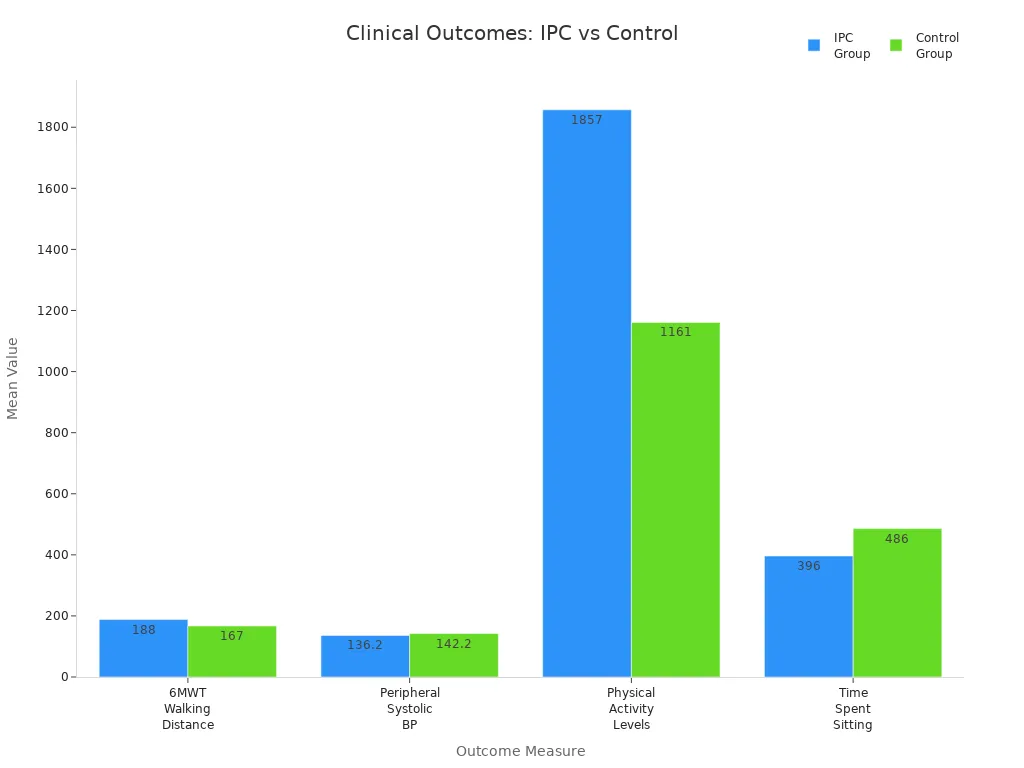
You can see that wearable health tracking helps you walk farther, have lower blood pressure, and be more active. You also spend less time sitting down. Continuous monitoring with smart textiles and sensors helps you reach your long-term health goals. You get a clear look at your progress and can change your care if you need to.
Tip: Using wearable technology for health tracking gives you more control and better results when managing chronic disease.
Clinical Evidence and User Feedback
Study Results
There is strong proof that tactile systems and SOUSHINE products work well. Scientists tested these devices in real life to see how they help with lymphedema and chronic disease. The table below shows important studies about these devices and how they help people with lymphedema:
| Study Title | Date | Summary |
|---|---|---|
| At-Home Treatment of Lymphedema Clinical Trials & Evidence | June 02, 2020 | Researchers compared the Flexitouch system plus self-management with self-management alone. Patients using Flexitouch saw better results in lymphedema management. |
| Patients Show Statistically Significant Improvement in Symptoms from Head and Neck Lymphedema with Use of the Flexitouch® System | March 18, 2020 | Patients experienced significant improvement in lymphedema symptoms, especially in the head and neck area, when using Flexitouch. |
| Effect of Compression Devices on Lipedema Symptoms | January 16, 2023 | A randomized study found that Flexitouch Plus with conservative care led to greater improvement in lipedema symptoms than conservative care alone. |
| Flexitouch Advanced Pneumatic Compression Device Reduces Phlebolymphedema Healthcare Costs | October 01, 2015 | The study showed that using Flexitouch reduced healthcare costs for lymphedema care compared to other treatments. |
These studies show that these devices really help with lymphedema and chronic disease. Flexitouch Plus and similar systems help you control swelling and feel better. You may not need as many doctor visits. You can also save money, which makes your care easier to keep up.
Patient Experiences
You might wonder how these results help people every day. Many patients talk about using wearable devices, smart textiles, and force sensing technology for chronic disease. Their stories show these tools are helpful and comfortable.
Lymphedema Management
If you have lymphedema, you know daily care is important. People using Flexitouch Plus often say they have less swelling and feel better. Many say wearable devices with smart textiles help them track their progress and change their care. You can see your life get better when you use these systems for lymphedema.
- Smart textiles and force sensing resistors give you feedback right away.
- You can watch your swelling and change your care plan fast.
- Many people notice they move better and have less pain.
- You spend less time at the clinic because you can do care at home.
- You feel more in charge of your lymphedema care.
Patients often say, “I feel more independent and confident in my care because I can monitor my progress every day.”
Rehabilitation Devices
You can also use wearable technology and smart textiles after an injury or surgery. Doctors used 20 different devices for rehab and tracked 4208 uses with 269 patients. How much people use the devices depends on the type of rehab, but the results are good.
| Measure | Description | Purpose |
|---|---|---|
| Tactile Discrimination Test | Assesses texture discrimination | Evaluates sensory recovery |
| Wrist Position Sense Test | Measures proprioception | Evaluates joint awareness |
| Functional Tactile Object Recognition Test | Assesses haptic object recognition | Evaluates functional recovery |
Patients using these devices often get better at feeling and moving. The IpsiHand System helps stroke patients move better again. Many people say old devices did not help them improve, but new wearable systems let them control things with their thoughts. This helps them do more in daily life.
- You can use smart textiles to keep track of your rehab exercises.
- You get feedback right away, which helps you keep trying.
- Many people say they get better results and are happier with their care.
- You get watched all the time, so your doctor can change your plan if needed.
Smart textiles and wearable devices give you more help during rehab, making it easier and better.
You can see that both studies and patient stories say the same thing. Tactile systems, SOUSHINE FSRs, and smart textiles really help with lymphedema, rehab, and chronic disease. You get more control, better tracking, and higher quality care with these new tools.
Pros and Cons
When you think about tactile systems and SOUSHINE products for chronic disease, you see many good things. But there are also some problems to think about. This part will help you look at both the good and bad sides. Then you can pick what is best for your health.
Advantages
Effectiveness
These devices give strong results. Many people notice better health each day. Flexitouch Plus and smart textiles help lower swelling and make moving easier. SOUSHINE FSRs give you exact data. This helps you and your doctor watch your progress. You can change your plan fast if you need to. These systems help you reach your health goals.
The table below shows how these products help in different ways:
| Application | Key Benefits |
|---|---|
| Medical devices | Lowers mistakes, gives better control, keeps out dust and water, and uses special coatings. |
| General management | Makes things more exact, lowers errors, helps people who cannot see well, and keeps you safe. |
You can count on these devices for good management. They work well at home or in clinics.
Usability
These systems are easy for most people to use. Wearable devices fit into your daily life. You can use them at home or when you travel. The controls are simple, and you get feedback fast. SOUSHINE FSRs work even if you wear gloves or move a lot. You do not need special lessons to start using them. Many people feel more independent with these products.
Tip: You can use these devices for self-care or with a therapist. This gives you more choices for your care.
Drawbacks
Cost
You may see that new technology can cost more than simple tools. Some insurance plans pay for these devices, but not all do. You should ask your provider before you start a new plan. Even if the price is high, many people think the long-term benefits are worth it. You might save money by going to the hospital less and getting better care at home.
Limitations
Not every device works for every person. Some people need a different size or shape for the best care. You should talk to your healthcare team to find what fits you. These systems work best when you use them with a full care plan. You still need to see your doctor often. Technology helps, but it does not take the place of your healthcare team.
Note: Always use these devices as part of your whole care plan. Good care means using the right tools and working with your doctor.
You can see that tactile systems and SOUSHINE products have many good points for chronic disease. They help you track your progress, make daily life better, and give you more control. You should think about the costs and pick the device that fits your needs.
Who Benefits Most
Ideal Users
Lymphedema Patients
If you have lymphedema, tactile systems help you most. These devices lower swelling and make you feel better. You can use them at home or at a clinic. Many doctors say these systems are good for daily care. You see your symptoms change right away. This helps you and your doctor act fast. You can change your care plan using the data. You feel like you have more control over your health.
Chronic Venous Insufficiency
People with chronic venous insufficiency also get many benefits. You may have swelling and pain in your legs. Tactile systems help move fluid and lower pain. You use monitoring to see your progress. Your doctor can check your results and help you change your plan. You spend less time in the hospital. You get more freedom in your daily life.
Other Chronic Conditions
You may have other chronic problems that need close watching. Tactile systems and SOUSHINE FSRs work for many chronic diseases. You might use them for diabetes, heart issues, or after surgery. Doctors use these devices to watch your recovery. You get alerts if something changes. You and your family feel safer with constant monitoring.
Best Use Cases
Tactile systems and SOUSHINE FSRs work best in places that need good monitoring. Here are some examples:
- Home healthcare: You wear devices to check your health every day. You track your symptoms and send data to your doctor.
- Rehabilitation: You use smart textiles to watch your exercises. Your therapist checks your progress and changes your plan.
- Hospital care: Nurses use devices to watch your vital signs. You get help fast if your health changes.
- Elderly care: You or your caregiver use tools to keep you safe at home. You get alerts for falls or health changes.
| Use Case | Benefit for You | Role of Monitoring |
|---|---|---|
| Home Care | More freedom, fewer clinic visits | Tracks daily symptoms |
| Rehabilitation | Faster healing, better feedback | Watches exercises |
| Hospital | Safer care, quick help | Checks vital signs |
| Elderly Support | Peace of mind, early alerts | Finds health changes |
Tip: Talk to your doctor about which monitoring tools are best for you. The right device can make your life easier and safer.
Making a Choice
Decision Factors
Picking a device for chronic disease can be hard. You want something that fits your needs and helps your health. Before you choose, think about a few key things. Each one can change how well the device works for you.
- Effectiveness in monitoring your condition: Make sure the device tracks the symptoms you need to watch. Some devices work better for certain diseases, like lymphedema or chronic venous insufficiency.
- Data accuracy: Good data helps you and your doctor make smart choices. Devices with high accuracy help you trust your care.
- User engagement: Choose a device that is easy and feels good to use. If you like it, you will use it more often.
- Privacy concerns: Your health data is important. Make sure the device keeps your information safe and private.
- Overall cost: Think about the price and any extra costs, like supplies or software. Some insurance plans might help pay for these devices.
You can use this table to look at your choices:
| Factor | Why It Matters | What to Look For |
|---|---|---|
| Effectiveness | Tracks your health needs | Matches your condition |
| Data Accuracy | Gives good health information | High-quality sensors |
| User Engagement | Keeps you interested | Easy controls, comfortable wear |
| Privacy | Protects your data | Secure data handling |
| Cost | Fits your budget | Insurance help, long-term value |
Tip: Write down your top needs before you shop. This helps you focus on what matters most for your health.
Professional Guidance
You do not have to pick a device by yourself. Your healthcare provider can help you choose the best one for your condition. Doctors and therapists know which products work for different health problems. They can tell you how each device fits into your care plan.
Bring your questions to your next visit. Ask your provider about:
- Which device matches your diagnosis
- How to use the device at home or in the clinic
- What results you should expect
- How to track your progress and share data
Your provider can also help you check if your insurance pays for the device. They can show you how to use it safely and get the most help. If you have special needs, your provider can suggest custom options or extra support.
Note: Always talk to your healthcare team before starting a new device. Their advice helps you stay safe and get the best results.
Picking the right tactile system or SOUSHINE product can change your daily life. Take your time, ask questions, and use the help around you. You deserve a solution that helps you feel your best every day.
You have learned that Tactile Systems and SOUSHINE products help with chronic disease. The table below shows important results:
| Finding | Description |
|---|---|
| Grasping Forces | Using less grip force means less harm and better results. |
| Novice Users | 61% of new users got better at gripping with tactile feedback. |
| Expert Users | Experts also did better when they used tactile feedback. |
| Learning Curve | People improved quickly when they used tactile feedback. |
- SOUSHINE FSRs work in many places and last a long time.
- Tactile feedback helps everyone learn new skills faster.
- These systems make healthcare safer and more dependable.
You should ask your healthcare provider which solution is best for you.
FAQ
What is a tactile system?
A tactile system uses tech to sense touch or force. You can use it to watch your health or help with therapy. These systems often have wearable devices and smart sensors.
How do SOUSHINE FSRs help in healthcare?
SOUSHINE FSRs measure force and pressure. You get data about your body right away. This helps you and your doctor watch your health and change your care fast.
Can I use these devices at home?
Yes, you can use many tactile systems and SOUSHINE products at home. You follow easy steps. Most devices fit into your daily life and do not need special lessons.
Are these products safe for children and older adults?
You can use these products safely if you follow the directions. Doctors often say they are good for people of any age. Always ask your doctor before you start a new device.
How do I know if a tactile system is right for me?
You should talk to your doctor. Your doctor will check your health and suggest the best device. You can also think about your goals and how you feel about using tech.
What conditions benefit most from tactile systems?
You see the best results with lymphedema, chronic venous insufficiency, and rehab needs. Some people use these systems for diabetes or heart problems. Your doctor can help you choose.
Do insurance plans cover these devices?
Some insurance plans pay for tactile systems and SOUSHINE products. You should ask your provider. Check your coverage before you buy a device.