

Call us: +86-137-2353-4866

Choosing the right force-sensing resistor online can seem hard. You can make a good choice by thinking about your project’s needs. The right force sensing resistor helps your device work better. It also helps your device last longer. There are many choices, like single-zone sensors and matrix arrays. You can also find force sensing linear potentiometers. Each type has its own sensing range and strengths. Some round sensors work best between 0.3 N and 10 N. Others can sense up to 150 N. Comparing these choices helps you not make mistakes. This is very helpful if you are buying for the first time.
Table of Contents
Key Takeaways
- Know what your project needs before picking a force-sensing resistor. This helps it work better and last longer.
- Always look at the sensor’s datasheet for force range and sensitivity. This stops you from getting wrong measurements.
- Think about how tough the sensor is and where you will use it. Pick sensors that can handle rough places to save money later.
- Do not make common mistakes, like buying the priciest sensor without knowing your needs. Make sure the features fit your project.
- Choose well-known brands like SOUSHINE, Interlink, and Tekscan. Good brands give you quality and help if you need it.
- Check for deals if you need many sensors. Buying in bulk can make the price much lower.
- Make sure the sensor fits your project in size and how it connects. Measure your space and check if it matches.
- Ask the seller for good technical support. This helps you fix problems and set up your sensor easily.
Why the Right Force-Sensing Resistor Matters
Application Performance
You want your project to work well. The right force-sensing resistor helps your device give correct results. If you pick the wrong sensor, your readings might change too much or not at all. This can make your device act weird or stop working. Always look at the sensor’s datasheet for force range and resistor values. Try different resistor values to see which one works best. Make sure your readings change smoothly when you press harder or softer. This helps your device react how you want.
SOUSHINE’s force-sensing resistors are used in many places. You can find them in cars, medical tools, robots, and smart gadgets. These sensors measure force and pressure very well. They help keep people safe in cars, watch patients in hospitals, and let robots feel things. You can trust SOUSHINE’s sensors to work well even in tough places.
Cost and Longevity
You want your sensor to last a long time. Picking the right force-sensing resistor saves you money on fixing or replacing it. Some sensors work better in hot or wet places. Others can be used a lot without breaking. SOUSHINE’s sensors are made to last, so you don’t have to worry about them stopping soon.
Let’s see how your choice affects reliability:
| Aspect | Impact on Reliability |
|---|---|
| Accuracy | Good calibration and the right sensor type give you exact force measurement. |
| Durability | Choosing the right mode helps your sensor handle tough places. |
| Adaptability | Custom options help you match the sensor to your project, making it work better. |
When you pick the sensor that fits your needs, you get better results and save money over time.
Common Online Buying Pitfalls
Buying sensors online can be hard. People sometimes make mistakes that cost them time and money. Here are some common problems:
- You forget to check the datasheet for force range and sensitivity. This can cause wrong measurements.
- You buy the most expensive sensor because it looks cool, but you don’t need all those features.
- You think higher specs always mean better performance. Sometimes, you pay more for things you won’t use.
Tip: Always match the sensor’s features to what your project needs. Don’t just pick the highest price or biggest numbers.
If you avoid these mistakes, you’ll find a sensor that fits your project and budget. SOUSHINE has sensors with clear specs and good support, so you can shop easily.
Key Buying Factors for Force-Sensing Resistors
Durability and Environment
When you pick a force-sensing resistor, you want it to last. Durability matters a lot, especially if your project faces rough use or harsh places. Some sensors break down fast, but SOUSHINE’s sensors stand up to strain and tough conditions. You can use them in places with lots of dust, moisture, or dirt. They keep working even when things get messy.
Temperature and Moisture Resistance
You might need a sensor that works in hot or wet spots. Not all sensors handle these environments well. SOUSHINE’s force-sensing resistors resist moisture and temperature swings. You can trust them in cars, factories, or outdoors. If your project faces rain or heat, these sensors keep measuring force without trouble.
Demanding Use Cases
Some jobs push sensors to the limit. Maybe you build robots that grip things or medical tools that get cleaned often. You need a sensor that won’t quit. SOUSHINE’s sensors work in demanding places like hospitals, cars, and robots. They stay strong and reliable, so you don’t have to worry about sudden failures.
Tip: Always check if your sensor can handle the environment. A tough sensor saves you time and money.
Here’s a quick look at what matters most:
| Factor | Description |
|---|---|
| Durability | Handles strain and rough use. |
| Environment | Works in dusty, wet, or dirty places. |
Form Factor and Size
You want your sensor to fit your project. Force-sensing resistors come in many shapes and sizes. Some are thin and flexible. Others are round or long. SOUSHINE offers both standard and custom options. You can pick a sensor that matches your design, or ask for a special size.
Standard vs. Custom Options
Standard sensors work for most jobs. You can order them fast and use them right away. If you need something special, SOUSHINE can make custom sensors. Maybe you want a sensor for a tiny wearable or a big machine. Custom options help you get the perfect fit.
Integration Needs
Think about how you will add the sensor to your device. Some sensors slide right in. Others need special connectors or shapes. SOUSHINE’s sensors are easy to integrate. You can use them in smart gadgets, robots, or medical tools. They fit well and don’t take up much space.
Note: Always measure your space before you buy. A sensor that fits well makes your project easier to build.
Here’s a table to help you compare:
| Factor | Description |
|---|---|
| Form Factor | Thin, flexible, fits in small spaces. |
| Size | Standard or custom, matches your project’s needs. |
Sensitivity and Range
You want your sensor to measure force the way you need. Sensitivity tells you how well the sensor picks up small or big changes. The force range shows how much pressure the sensor can handle. SOUSHINE’s force-sensing resistors offer a wide range. You can use them for light touches or strong presses.
Force Range
Some sensors work best with soft touches. Others handle heavy pressure. If you build a device for gentle taps, pick a sensor with a low force range. For strong pushes, choose one with a high range. SOUSHINE’s sensors cover both ends. You can use them in wearables or industrial machines.
Here’s a table to show how force range fits different jobs:
| Type | Force Range | Sensitivity | Application Environment |
|---|---|---|---|
| Shunt Mode | Wide range, high pressure | Works for soft and strong force | Good for tough environments |
| Thru Mode | Best for light forces | Detects small changes | Best for safe, clean spots |
Response and Accuracy
You want your sensor to react fast and give correct numbers. SOUSHINE’s sensors respond quickly when you press them. They give accurate force measurement, so your device works right every time. If you need exact results, check the sensor’s datasheet for response time and accuracy.
Tip: Match the sensor’s sensitivity and range to your project. The right choice makes your device work better.
Repeatability and Reliability
When you choose a sensor, you want it to work the same way every time. Repeatability and reliability matter a lot in any project. If your sensor gives different results each time, you can’t trust your device. You need a sensor that stays steady, even after many uses.
Consistency Over Time
You want your sensor to give you the same reading for the same force, day after day. This is called consistency over time. If you use your sensor in a robot or a medical device, you need it to stay accurate. SOUSHINE’s sensors keep their performance, even after thousands of presses. You can count on them for steady force measurement. This helps your project run smoothly and keeps your results reliable.
Tip: Test your sensor a few times before you use it in your final project. This helps you see if it stays consistent.
Wear and Tear
Every sensor faces wear and tear. You might press it hundreds or thousands of times. Some sensors lose their accuracy after heavy use. SOUSHINE designs its sensors to handle lots of use. They keep working, even in tough jobs like factory machines or hospital tools. You don’t have to worry about sudden failures or drops in performance.
Here’s a quick checklist for checking reliability:
- Does the sensor give the same reading for the same force?
- Can it handle many presses without breaking?
- Does it keep working in your project’s environment?
If you answer “yes” to these questions, you have a reliable sensor.
Price and Budget
You want a sensor that fits your budget. Price matters, but you also want good value. Some sensors cost more because they offer special features or custom sizes. Others give you what you need at a lower price.
Price Range
You can find a force-sensing resistor for many budgets. For example:
- A 0.5″ force-sensitive resistor costs about $10.95 online.
Prices change based on size, features, and brand. SOUSHINE offers sensors that balance cost and quality. You get a sensor that works well without spending too much.
Bulk Discounts
If you need many sensors, you can save money by buying in bulk. Many sellers, including SOUSHINE, offer discounts for large orders. This helps if you build lots of devices or run a big project. Always check for bulk pricing before you buy. You might get a better deal and save on shipping, too.
Note: Buying in bulk can lower your cost per sensor. It’s a smart move for big projects.
When you look at price and budget, think about what you really need. Don’t pay extra for features you won’t use. Pick a sensor that matches your project and your wallet.
Trusted Force-Sensing Resistor Brands
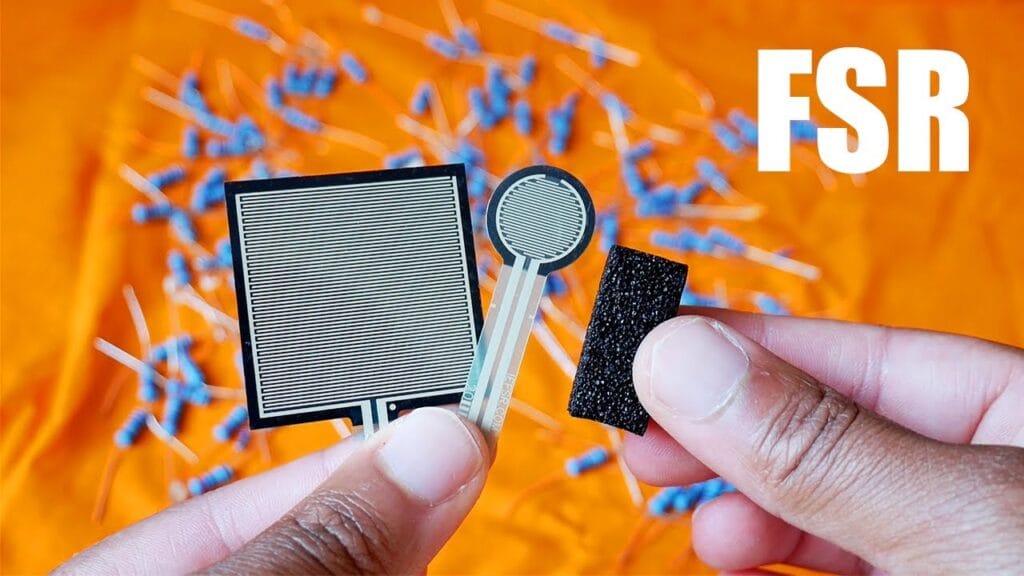
When you buy force-sensing resistors online, pick trusted brands. Trusted brands help you feel safe about your choice. You know their sensors work well and last long. Let’s see which brands are trusted and what makes them special.
SOUSHINE Overview
SOUSHINE is a top trusted brand. Their force-sensing resistors are used in many places. People use them in cars, hospitals, robots, and smart devices. Their sensors work well and last for years. SOUSHINE cares about quality and making customers happy.
Customization and Support
Sometimes you need a sensor in a special shape or size. SOUSHINE can make custom force-sensing resistors for you. You can ask for a sensor that fits your project. Their team helps you from the start. They give advice and help after you install the sensor. If you have problems, SOUSHINE’s experts answer fast.
Tip: If you need a sensor that fits your project, SOUSHINE can help with custom designs.
Quality Assurance
You want sensors that work every time you use them. SOUSHINE checks each sensor with strict tests. Every sensor must pass high standards. You get sensors that work well and last long. SOUSHINE’s focus on quality means you can trust their sensors for tough jobs.
Here’s a table that shows what makes SOUSHINE special:
| Unique Selling Point | Description |
|---|---|
| Customization | SOUSHINE makes sensors in many shapes and sizes. |
| Competitive Pricing | You get good prices and strong quality. |
| Quality Assurance | Every sensor is tested for performance and durability. |
| Technical Support | SOUSHINE helps you before and after you buy. |
Interlink and Tekscan
There are other trusted brands too. Interlink and Tekscan are popular choices. Many engineers use these brands for different projects.
Brand Strengths
Interlink makes small and flexible sensors. Their sensors are affordable and fit tight spaces. They work well for simple projects. Tekscan gives you sensors with high accuracy and a wide force range. Their sensors are used in advanced devices. Tekscan’s build quality is very strong.
Here’s a quick list of trusted brands you might find:
- SOUSHINE: Custom shapes, low power, easy to use
- Interlink: Small, affordable, flexible
- Tekscan: High accuracy, wide force range, strong build
- SparkFun: Simple to use, good for testing ideas
- Adafruit: Reliable, easy for beginners
- Flexiforce: Thin, flexible, works the same every time
- Sensitronics: Custom sensors, used in many projects
Product Range
Interlink’s FSR 402 model is flexible and low cost. You can use it in many projects. Tekscan’s FlexiForce series gives high accuracy and a wide force range. You get sensors for soft touches and strong presses. Both brands focus on quality and reliability.
Comparing Brands
You want to know how trusted brands compare. Let’s look at SOUSHINE, Interlink, and Tekscan. Each brand has different strengths and features.
Performance
SOUSHINE gives custom shapes, low power use, and easy setup. Their sensors fit almost any project. Interlink’s FSR 402 model is small and costs less. Tekscan’s FlexiForce sensors give high accuracy and a wide force range. Tekscan’s sensors are built very well.
Here’s a table to help you compare these brands:
| Brand | Model / Series | Notable Features |
|---|---|---|
| SOUSHINE | Force Sensing Resistors | Custom shapes, low power, easy to use |
| Interlink | FSR 402 | Small, affordable, flexible |
| Tekscan | FlexiForce | High accuracy, wide force range, strong build |
Value and Support
You want good value for your money. SOUSHINE gives good prices and strong support. You get help before and after you buy. Interlink gives affordable sensors for simple needs. Tekscan gives top quality for advanced jobs, but costs more.
If you need custom sensors and strong support, SOUSHINE is a great choice. Interlink is good for simple projects. Tekscan is best for high accuracy and strong build.
Note: Always pick brands that fit your project’s needs. Trusted brands like SOUSHINE, Interlink, and Tekscan help you get good results.
There are many trusted brands to choose from. Each brand gives you quality and reliability. SOUSHINE leads with custom designs, support, and strict quality checks. Interlink and Tekscan are strong choices for different jobs. Picking a trusted brand makes your project easier and more successful.
How to Compare Force Sensor Products Online
Technical Specs and Datasheets
When you shop for a force sensor online, always start with the technical specs and datasheets. These documents tell you what the sensor can do and help you compare different models. You want to know how the sensor reacts to pressure, how sensitive it is, and what materials it uses.
Here’s a table to help you see what to look for:
| Specification | Description |
|---|---|
| Resistance Characteristics | Resistance drops as you press harder on the sensor. |
| Sensitivity Range | Shows how much force the sensor can measure accurately. |
| Construction Materials | Made of flexible layers that bend and respond to pressure. |
| Application Suitability | Works in many places like robots, medical tools, and smart gadgets. |
Sensing Area
The sensing area is the part of the force sensor that feels the pressure. A bigger sensing area can pick up force from a larger spot. If you need to measure force in a small space, choose a sensor with a smaller sensing area. Always check the datasheet for the exact size.
Circuit Compatibility
You need to make sure the force sensor works with your circuit. Look at the voltage and current ratings in the datasheet. Some sensors need special connectors or extra parts. SOUSHINE sensors work with many types of circuits, so you can add them to your project without trouble.
Price and Value Comparison
You want the best value for your money. Price is not just about the sticker cost. Think about how many sensors you need and how much you pay for shipping.
Unit vs. Bulk Pricing
If you buy one force sensor, you pay the regular price. If you buy many, you often get a discount. Here’s a quick tip: check if the seller offers bulk pricing. This can save you money, especially for big projects.
Shipping and Fees
Shipping costs can change a lot. Some sellers use UPS, FedEx, DHL, or TNT. The fee depends on the shipping method and how much your package weighs. Here’s a table to show you the basics:
| Shipping Method | Processing Time | Shipping Time | Shipping Fee Variation |
|---|---|---|---|
| By sea | 7-14 Days | 20-30 Days | Based on package weight |
| By air | 7-14 Days | 20-30 Days | Based on package weight |
| By express | 7-14 Days | 20-30 Days | Based on package weight |
Tip: Always ask about shipping fees and delivery times before you buy. For large orders, you might be able to negotiate the shipping fee.
Reviews and Ratings
Reading reviews helps you learn from other buyers. Good reviews can show you if a force sensor works well in real projects.
User Feedback
Look for reviews that talk about how the sensor works in real life. Does it last a long time? Is it easy to use? Honest feedback can help you avoid problems.
Spotting Fake Reviews
Not all reviews are real. Here are some ways to spot fake ones:
- Check the dates. Lots of reviews in a short time can be a red flag.
- Watch for reviews that use the same words or phrases.
- Look for “verified purchase” badges. These reviews are more trustworthy.
- Be careful with reviews that sound too perfect.
- Simple, clear language often means a real review.
- If a reviewer only has one review, be cautious.
Note: Take your time to read reviews. Real feedback helps you pick the right force sensor for your project.
Application Fit
When you shop for a force sensor, you want it to fit your project perfectly. You need to check if the sensor matches your device, both inside and out. This step helps you avoid problems later. Let’s break down what you should look for.
Electrical and Mechanical Compatibility
First, check if the force sensor works with your electronics. Look at the voltage and current ratings. Make sure your circuit can handle the sensor. If you use a microcontroller, see if it reads the sensor’s output. Some sensors need extra parts, like resistors or connectors. You should read the datasheet for these details.
Mechanical fit matters, too. Measure the space in your device. Will the force sensor fit without bending or breaking? Some sensors are thin and flexible. Others are round or long. SOUSHINE offers many shapes and sizes, so you can find one that fits just right. If you need something special, you can ask for a custom size.
Here’s a quick checklist to help you:
- Does the sensor’s voltage match your circuit?
- Can your device read the sensor’s signal?
- Will the sensor fit in your project’s space?
- Do you need extra parts for installation?
Tip: Always double-check your measurements before you order. A good fit saves you time and trouble.
Integration with Systems
You want your force sensor to work smoothly with the rest of your system. Think about how you will connect it. Some sensors use simple wires. Others need special connectors. Make sure you have the right cables and tools.
Next, look at how the sensor talks to your software. Can your program read the sensor’s data? Many sensors use analog signals, but some use digital. SOUSHINE’s force sensors work with many systems, so you have options. If you use Arduino or Raspberry Pi, check for sample code or guides. This makes setup easier.
Here’s a table to help you compare integration needs:
| Integration Step | What to Check |
|---|---|
| Physical Connection | Wires, connectors, mounting options |
| Software Support | Sample code, library compatibility |
| Data Output | Analog or digital signal type |
If you plan ahead, you can avoid surprises. SOUSHINE gives you support and guides, so you can set up your force sensor fast. Other brands may offer help, too. Always look for clear instructions and good customer service.
Note: Good integration means your sensor works right from the start. It also makes your project easier to build and maintain.
By checking both electrical and mechanical compatibility, and planning for easy integration, you make sure your force sensor fits your project. This step helps your device work better and last longer.
Practical Tips for Buying FSRs Online
Seller Credibility
You want to trust the seller when you buy force-sensing resistors online. You do not want problems after your order comes. There are two things that help you feel safe when shopping.
Authorized Distributors
Check if the seller is an authorized distributor. Authorized sellers get products straight from the manufacturer. You know you are getting real force-sensing resistors, not fake ones. SOUSHINE works with trusted distributors, so you get real products every time. You can find a list of authorized sellers on the brand’s website or ask customer service.
Tip: Sellers with lots of good reviews and clear contact info are usually safe.
Return Policies
You want a fair return policy. Sometimes you order the wrong size or type. Maybe the sensor does not fit your project. Good sellers let you return or exchange products easily. Before you buy, read the return policy. Look for clear rules about returns, refunds, and exchanges. SOUSHINE’s partners make returns simple, so you do not get stuck with the wrong part.
Checklist for Seller Credibility:
- Is the seller authorized?
- Do they have a clear return policy?
- Can you contact them easily?
Certifications and Compliance
Certifications are important when you buy force-sensing resistors. They show the product meets safety and quality standards. You want sensors that follow rules like RoHS and CE. These certifications help keep you and your project safe.
RoHS, CE, Authenticity
RoHS means the sensor does not use harmful materials. CE shows the product meets European safety standards. Authenticity proves you are getting a real, tested sensor. SOUSHINE’s force-sensing resistors meet strict standards, so you can trust their quality.
Here’s a table with common certifications for force-sensing resistors:
| Certification Type | Compliance Status | Description |
|---|---|---|
| RoHS | Compliant | Safe from hazardous substances |
| REACH | Compliant | Follows chemical safety rules |
| ISO 9001:2015 | Certified | Meets quality management standards |
| AS9100D | Certified | Aerospace quality certified |
| IATF 16949 | Certified | Automotive quality certified |
Note: Always check for certification labels or ask for proof before you buy. Certified sensors work better and last longer.
Availability and Lead Time
You want your sensors fast. Waiting too long can slow down your project. Let’s talk about stock and delivery.
Stock and Delivery
Check if the seller has the sensor in stock. If they do, you get your order quickly. If not, you might wait weeks. SOUSHINE keeps popular models ready to ship. You can ask about delivery times before you order. Some sellers offer express shipping for urgent needs.
Quick Tips for Fast Delivery:
- Ask about stock before you buy.
- Choose express shipping for rush orders.
- Track your package after it ships.
If you plan ahead and pick a reliable seller, you get your force-sensing resistors on time and avoid delays.
Technical Support Access
You want to feel sure when buying force-sensing resistors online. Good technical support helps you fix problems fast. If you have trouble, you need answers right away. Reliable brands make support easy to find.
Documentation and Contact
Always check if the brand gives clear instructions. Good instructions help you set up your sensor and test it. You get step-by-step guides and wiring diagrams. Troubleshooting tips help you fix issues. SOUSHINE gives you datasheets and user manuals for every sensor. You can find setup steps and sample code for Arduino and Raspberry Pi. This saves you time and helps you avoid mistakes.
If you need help, you want to talk to someone. SOUSHINE’s support team answers questions before and after you buy. You can reach them by email, phone, or live chat. They help you pick the right sensor and solve problems. They guide you through setup and integration. You never feel stuck during your project.
Here’s what to look for in technical support:
- Easy-to-find documentation: Manuals and guides should be on the website.
- Multiple contact options: You should see email, phone, and chat links.
- Fast response times: Good brands reply quickly and give clear answers.
- Expert advice: Support teams should know the product and help with custom needs.
Let’s compare support from top brands:
| Brand | Documentation Quality | Contact Options | Custom Support | Experience |
|---|---|---|---|---|
| SOUSHINE | Detailed, easy to use | Email, phone, chat | Yes | Expert team |
| Sensitronics | Clear, thorough | Email, phone | Yes | 40+ years in FSR |
| Interlink | Basic datasheets | Limited | Industry standard | |
| Tekscan | Advanced manuals | Email, phone | Yes | Strong reputation |
Sensitronics has over 40 years of experience in force-sensing resistor technology. They help clients and offer custom design services. Their team cares about quality and the environment. You get expert help and advice for your project.
SOUSHINE also gives strong support. Their experts help you from design to setup. If you need a custom sensor, they guide you through each step. You get answers fast, so your project stays on track.
Tip: Always check support options before you buy. Good support saves you time and helps you get the most from your force-sensing resistor.
If you pick a brand with strong technical support, you feel sure every step of the way. You get help when you need it, and your project runs smoothly.
You want to buy the right force-sensing resistor online, so start with smart steps. Check the table below for what works best:
| Step | Why It Matters |
|---|---|
| Compare costs | Save money with bulk discounts |
| Look for fast shipping | Get your order quickly |
| Ask about custom sizes | Fit your project perfectly |
| Check accuracy | Trust your measurements |
| Get support | Solve problems faster |
If you follow these tips, you avoid mistakes and get a sensor that fits your needs. Got questions or want to share your experience? Drop a comment below!
FAQ
What is a force-sensing resistor (FSR)?
A force-sensing resistor measures how much pressure you apply. When you press on it, the resistance drops. You can use FSRs in robots, medical devices, and smart gadgets.
How do I choose the right FSR for my project?
Start by checking your project’s force range and size needs. Look at the datasheet for sensitivity and durability. Match the sensor to your environment and budget.
Can I get custom shapes or sizes from SOUSHINE?
Yes! SOUSHINE offers custom FSRs. You can ask for special shapes or sizes. Their team helps you design a sensor that fits your project.
Are SOUSHINE FSRs safe for use in medical or automotive devices?
SOUSHINE FSRs meet strict safety standards like RoHS and CE. You can use them in medical tools and cars. They work well in tough environments.
How do I know if a seller is trustworthy?
Check for authorized distributors. Look for clear return policies and good reviews. Reliable sellers list contact info and offer support.
What should I do if my FSR does not work after delivery?
Contact the seller or SOUSHINE’s support team. They help you troubleshoot or replace the sensor. Always keep your order details handy.
Can I use SOUSHINE FSRs with Arduino or Raspberry Pi?
Yes! SOUSHINE FSRs work with Arduino and Raspberry Pi. You can find sample code and guides in their documentation.
How long does shipping usually take?
Shipping times depend on stock and method. Express shipping arrives faster. Ask the seller about delivery options before you order.