

Call us: +86-137-2353-4866
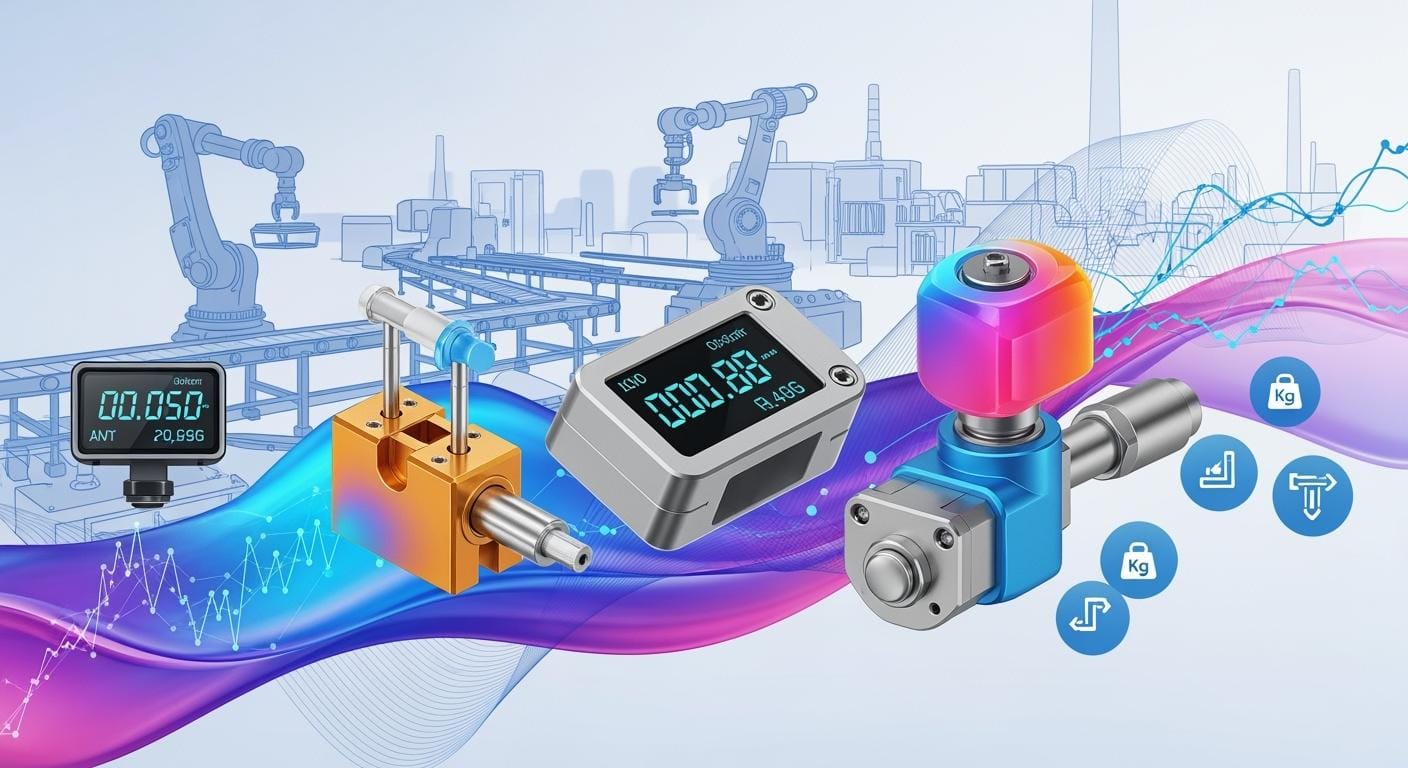

You can find load sensors in many modern industries. They help keep factories safe and make work faster. They also help people come up with new ideas. There are classic load cell designs like strain gauge, S-Beam, shear beam, and button types. You see these in manufacturing and automation. These sensors do jobs like weighing tanks or testing car doors. Now, new force sensing resistor technology measures pressure more exactly. SOUSHINE gives you both trusted load cells and new force sensing tools for any project.
Table of Contents
Key Takeaways
- Load sensors help industries measure force, pressure, and weight. They keep things safe and make work more efficient.
- There are different load sensors for different jobs. Strain gauge, S-Beam, and force sensing resistors are some types. They are used in factories, hospitals, and shipping.
- Picking the right load sensor means thinking about how accurate it is. You also need to check how much it can handle and where it will be used. This helps it work well.
- Load sensors help workers do tasks with more precision. They are useful for building things, checking quality, and keeping track of supplies. This leads to better results.
- SOUSHINE has many load sensors for different needs. They give advice to help you choose and set up the right sensor.
- It is important to take care of load sensors and check them often. This keeps them working right and helps them last longer.
- Some sensors, like force sensing resistors, are advanced. They are flexible and give fast feedback. This makes them good for new and creative uses.
- Knowing what makes each load sensor special helps you pick the best one. This is important for your own industrial needs.
Load Sensors in Industry
What Are Load Sensors
Load sensors are found in many factories and machines today. They help measure force, pressure, or weight. A load cell changes force into an electrical signal. There are different types, like hydraulic load cell, pneumatic load cell, and strain gauge load cell. Each type works in its own way. For example, a pneumatic load cell uses air pressure. A hydraulic load cell uses fluid to measure force. These sensors give you correct measurements. This helps you control machines and keep people safe.
Here is how a load cell usually works:
- You push down on the load button.
- The diaphragm inside bends or stretches.
- Strain gauges inside change their resistance.
- The sensor turns this into an electrical signal you can read.
Key Roles in Industrial Applications
Load sensors are important in many industries. They help machines work well and safely. Here are some ways load cells help every day:
- Precision Assembly: Robots use load cells to move small parts and put them together with the right force.
- Quality Control and Inspection: Multi-axis sensors find small changes in force, so you spot mistakes quickly.
- Medical and Pharmaceutical Automation: Load cells help robots work in clean rooms, moving samples and tools carefully.
- Warehouse and Logistics: Robots use load cells to hold boxes and packages safely, so nothing gets broken.
- Advanced Manufacturing: Load cells help machines cut, shape, or press materials with steady pressure.
- Collaborative Robots (Cobots): Load cells let cobots work near people and keep everyone safe.
You also see hydraulic load cell and pneumatic load cell where heavy loads need to be measured or in tough places. These sensors help stop overloads and keep workers safe.
Tip: If you want better safety and quality, use load sensors to watch and control your machines in real time.
Performance Metrics
When you pick a load sensor, you should check how well it works. You want sensors that give correct weight readings and work in different conditions. Here is a table with important things to look at:
| Metric | Description |
|---|---|
| Accuracy of weighing results | Tells how close the sensor’s reading is to the real weight. |
| Environmental impact | Shows how things like temperature or rain can change how the sensor works. |
| Metrological verification | Checks if the sensor stays within error limits after tests and regular use. |
Check these things before you choose a load cell, hydraulic load cell, or pneumatic load cell for your job. This helps you get good results and keeps your machines safe.
Strain Gauge Load Cells
Working Principle
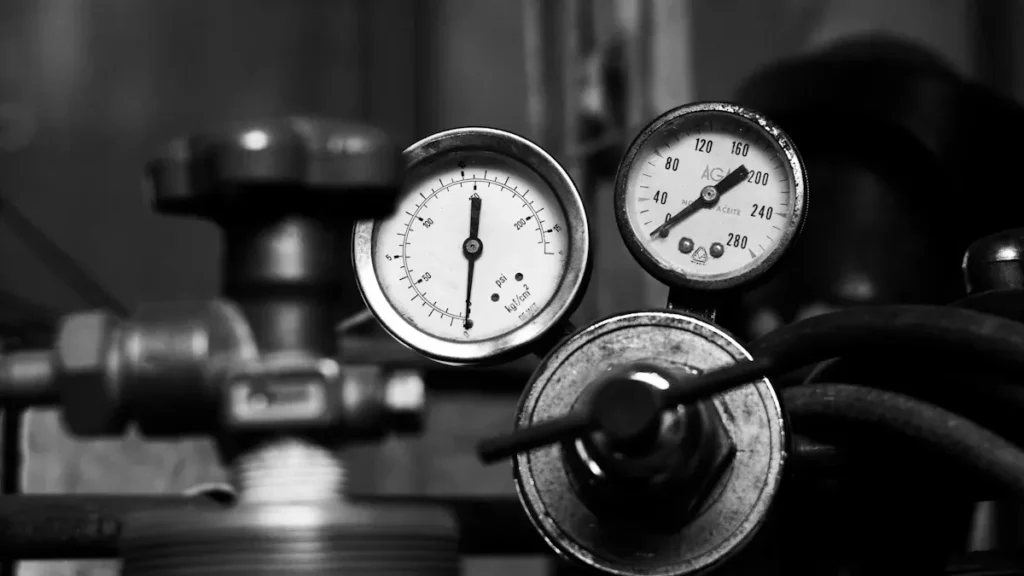
A strain gauge load cell works in a simple way. When you push or pull on the load cell, the strain gauge inside changes shape. This happens because the load cell feels pressure or stretching. The strain gauge looks like a small grid. It changes how electricity moves through it. The load cell turns this change into a signal you can read. You can see this signal as weight, force, or torque. This lets you measure even tiny changes in force. You get results you can trust every time you use it.
Tip: For very exact measurements, pick a load cell with a strain gauge. You will see better results.
Industrial Uses
Strain gauge load cells are used in many places. You find them in factories, labs, and hospitals. They help measure force, weight, and pressure in different ways. Here is a table that shows where you might use load cells and what they do:
| Industry | Applications |
|---|---|
| Automotive | Checking small parts like fuel injectors and valves. |
| Aerospace and Defense | Testing airplane parts for safety and how well they work. |
| Industrial Automation | Measuring force in machines that work by themselves. |
| Medical and Pharmaceuticals | Helping with robot surgery and giving the right medicine dose. |
| Robotics | Measuring force in robots that help doctors or work with people. |
| Food Processing and Packaging | Weighing ingredients, making sure portions are right, and following weight rules. |
| Microelectronics | Controlling force when putting tiny parts together. |
| Materials Testing | Checking how strong or soft materials are. |
| Biotechnology and Life Sciences | Getting samples ready and using DNA machines. |
You also see load cells in science labs, boats, and energy machines. In medicine, they help count pills, pour powders, and fill capsules. In food factories, they help weigh and control how much goes in each package. You get good results every time.
SOUSHINE Strain Gauge Solutions
SOUSHINE gives you more than just a load cell. Their strain gauge load cells are very sensitive and last a long time. They work well in hard places and tough jobs. You can choose from many shapes and sizes for your project. SOUSHINE’s team helps you pick the right load cell and shows you how to set it up. They answer your questions fast and can make special solutions for you. After setup, they check the quality so you get the best results.
Note: SOUSHINE’s team makes it easy to find the right load cell for your job. They help you from start to finish.
If you want a load cell that works well and lasts, SOUSHINE’s strain gauge load cell is a good pick. You can trust their load cells for your most important work.
S-Beam Load Cells
Design Features
S-Beam load cells look different from other types. Their special shape helps them work in many places. The S-beam design blocks side forces, so results stay correct. You can put these load cells in place easily. They have holes with threads on the top and bottom. This makes setup fast and simple.
Here’s a table that shows what makes S-Beam load cells special:
| Design Characteristic | Description |
|---|---|
| Measurement Capability | Measures both tension and compression forces, giving you more options for your project. |
| Installation Features | Threaded through-holes on top and bottom make installation easy. |
| Shape and Load Rejection | S-beam shape rejects side loads, so you get better performance. |
| Sensitivity | Sensitive to extra loads, torque, and moments, which can affect how they work. |
| Application Suitability | Works best for low to medium capacity jobs, like crane scales and hopper scales. |
If you need a load cell for pulling and pushing, S-Beam load cells are a good choice.
Weighing Applications
S-Beam load cells help with many weighing jobs. You can use them to check tank levels and hopper weights. They also help weigh trucks. These load cells work for both tension and compression. You can use them for lots of tasks. Here are some common places you might find them: tank level measurement, hopper weighing, and truck scales.
S-Beam load cells give steady readings. You can trust the numbers every time. Use them in factories, warehouses, and labs. They help you keep track of materials and keep things safe.
Tip: If you want a load cell for both tension and compression, S-Beam load cells are a great pick for your weighing system.
SOUSHINE S-Beam Models
SOUSHINE makes S-Beam load cells with helpful features. These models use force sensing resistor technology. You get accurate tension and pressure measurements. The small size lets you fit them into tight spaces. They use very little power. You can use them in battery-powered devices.
Check out what makes SOUSHINE S-Beam models stand out:
| Feature | Description |
|---|---|
| Technology | Uses force sensing resistor technology for precise measurements. |
| Size and Power Efficiency | Small size fits tight spaces; low power use is perfect for battery devices. |
| Flexibility | Custom shapes and sizes to match your project needs. |
| Industry Applications | Works in automotive, healthcare, robotics, and electronics. |
| Custom Options | SOUSHINE can tailor solutions for your specific job. |
You can use SOUSHINE S-Beam load cells in many fields. In cars, they help check seats and brakes. In healthcare, they help with patient care and rehab tools. Robotics and electronics also use them for grip and touch checks. If you need a load cell for a special job, SOUSHINE can make one just for you.
Shear Beam Load Cells
Operation
Shear beam load cells are very good at measuring force. They use a strain gauge load cell as the main part. When you put weight on the load cell, the metal beam bends a little. Strain gauges are stuck to the beam. These strain gauges change shape when the beam bends. This makes the electrical resistance change. The load cell turns this change into a signal you can read. Most shear beam load cells use a Wheatstone bridge. Four strain gauges are set up in a diamond shape. This helps find even small changes in resistance. The design puts the strain in one spot on the beam. This gives you very exact readings every time you use it.
Tip: If you want to measure small weight or force changes, a strain gauge load cell with a shear beam design is a good choice.
Typical Uses
Shear beam load cells are used in many jobs. They help weigh things and keep track of supplies. Here are some places where you might use them:
- Industrial scales to weigh raw materials
- Platform scales to check pallets and containers
- Conveyor belt scales to measure moving items
- Tank and hopper weighing for big storage jobs
- Silos and bins to watch inventory
- Batching and mixing in food and chemical plants
- Filling machines for exact amounts
- Material handling tools for safe moving
- Process weighing to watch material flow
- Low-profile scales for small spaces
- Load monitoring to keep machines safe
- Heavy-duty work in tough places
Shear beam load cells work well in hard places. You can trust them to give correct numbers, even when the job is rough.
SOUSHINE Shear Beam Options
SOUSHINE has many shear beam load cells for you. You can pick the right one for your project, big or small. SOUSHINE makes each strain gauge load cell strong for hard jobs. Their load cells have tough metal beams and good strain gauges. You can choose from different sizes and strengths. SOUSHINE can also make a special load cell for your needs. If you need help, their team will give you advice and support. You can count on SOUSHINE for load cells that last and work well anywhere.
Note: SOUSHINE’s shear beam load cells make weighing easier and more reliable. Their team helps you from start to finish.
Button Load Cells
Compact Design
Sometimes you need a load cell for a tiny space. Button load cells are made for small spots. Their small shape lets them fit where bigger sensors cannot go. You can put them in place fast and without trouble. You do not have to change your tools or workspace to use these sensors. Many engineers pick button load cells when regular ones are too large.
Here are some reasons to use button load cells:
- Small size fits tight spaces.
- Easy to install in small areas.
- Good choice when bigger load cells will not fit.
Medical and Automation Uses
Button load cells are used in hospitals and labs. They help measure force on the body during tests. This helps doctors and scientists learn how the body moves. You can also check if medical tools work right with these sensors.
In automation, button load cells help machines handle things gently. They make sure robots use the right force. This keeps products safe and helps make better items. You also find these sensors in syringes and pumps. They measure the force needed to use these tools. This helps keep treatments safe and working well.
Here are some common uses:
- Measure force in medical tests for better data.
- Check how medical tools work.
- Watch force in machines for careful handling.
- Control how things are made for good results.
- Help keep medical treatments safe and working.
Tip: If you want better safety and accuracy in medical or automation work, use button load cells.
SOUSHINE Button Load Cells
SOUSHINE makes button load cells for many jobs. You can pick the size and force range you need. These sensors are thin, only 0.3mm or less. They respond very fast, in less than 1 millisecond. You can use them in places from -30℃ to 60℃.
Here are the main features:
| Specification | Details |
|---|---|
| Place of Origin | Guangdong, China |
| Brand Name | Soushine |
| Model | Flexible matrix force sensor |
| Dimension | customized |
| Sensing dimension | customized |
| Force measuring range | customized |
| Thickness | ≤0.3mm |
| Force repeatable (single part) | ±2.5%, 8KG applied, 10 times |
| Off resistance | 2MΩ |
| Hysteresis | 10% average |
| Response time | <1 ms |
| Working temperature | -30℃~60℃ |
| Product Name | FSR |
| Product Brand | Soushine |
| Product Material | PET/FPC |
| Product Adhesive | 3M/Luxking |
You can trust SOUSHINE button load cells to work well every time. Their team helps you choose the right sensor and set it up. If you need a special size or shape, SOUSHINE can make one for you.
Pancake and Canister Load Cells
Low Profile and High Capacity
Pancake and canister load cells help when space is tight. They have a flat shape that fits in small places. You can use them where tall tools do not fit. These sensors are strong and can hold heavy weights. They work well in factories and outside. Their tough build lets them last in hard jobs.
Here’s why these load cells are special:
| Benefit | Description |
|---|---|
| Low Profile Design | Small and flat, so you can set them up easily. |
| High Capacity | Can measure big forces, good for heavy work. |
| Durability | Made from strong metal, so they last a long time. |
| Accuracy and Precision | Give exact numbers, which helps keep things safe. |
| Versatility | Work in many places, like tanks or labs. |
You see these load cells in tanks, hoppers, and warehouses. They are also used in labs. Their flat shape means you do not need much room above them.
Tension and Compression Measurement
Pancake and canister load cells do more than weigh things. They can check both pulling and pushing forces. You only need one sensor for two jobs. The round shape helps them measure both ways.
Here are some ways to use these sensors:
- Test how strong things are in labs.
- Weigh trucks or big platforms in warehouses.
- Watch machine force to keep them safe.
- Check parts in planes and cars.
- Make sure machines do not go over safe limits.
These load cells use strain gauge technology. This helps you get correct results every time.
Tip: If you need to measure both pulling and pushing, pancake and canister load cells are a good choice.
SOUSHINE Pancake and Canister Models
SOUSHINE has pancake and canister load cells for many jobs. You can pick the size and strength you need. These sensors work well in hard places because they are built strong. SOUSHINE’s team helps you choose and set up your sensor.
Here are reasons to pick SOUSHINE models:
- Sensors last a long time, even in tough spots.
- The flat shape fits small spaces easily.
- You can measure both pulling and pushing with one sensor.
- SOUSHINE can make a special sensor for your job.
- Their team answers questions and helps you start.
If you need a sensor that works hard and fits your space, try SOUSHINE’s pancake and canister models. You will find one that works for weighing, testing, or watching machines.
Force Sensing Resistors (FSRs)
FSR Technology Overview
FSRs work in a special way. They use piezoresistive technology. When you press on an FSR, its resistance goes down. This helps you measure force smoothly, not just as on or off. Inside each FSR, there is a flexible base with a circuit. A spacer keeps the layers apart until you push. When you press, the conductive layer touches the circuit. Electricity moves through, and the sensor shows how much force you use. This design makes FSRs different from regular load cells. You get fast feedback and good control.
Did you know? FSRs can measure very small pressure changes, so you can use them for gentle jobs or tough work.
Key Industrial Applications
FSRs help many industries fix hard problems. You see them where regular load cells might not fit or work well. Here’s a table that shows how FSRs help:
| Application Area | Description |
|---|---|
| Athletic Apparel | Shoe insoles use FSRs to check foot pressure and make shoes more comfy. |
| Medical Applications | Hospitals use FSRs for medicine control and to watch pressure in beds. |
| Robotics | Robots use FSRs to sense grip pressure, making them safer and smarter. |
| Inventory Control | FSRs track force changes on shelves, helping you manage stock easily. |
| User Interface Controls | FSRs work as buttons you don’t have to press hard, letting you set actions with a simple touch. |
You can use FSRs in tight spaces or when you need quick response. They fit in small devices and big machines. You get more choices than with regular load cells.
SOUSHINE FSR Advantages
SOUSHINE’s FSRs give you lots of benefits over regular load cells. Look at this table to see how they compare:
| Feature | SOUSHINE FSRs | Traditional Load Cells |
|---|---|---|
| Flexibility | Very flexible and easy to use | Stiff and not easy to change |
| Size | Small, fits tight spots | Bigger and harder to fit |
| Response Time | Reacts fast to force | Slower to respond |
| Cost-effectiveness | Costs less | Usually costs more |
You get even more good things with SOUSHINE FSRs:
- They last a long time, even with lots of use.
- They save energy because they use less power.
- You can put them in tiny gadgets or big machines.
FSRs from SOUSHINE work well when you need a cheap, flexible, and light sensor. You can use them where a strong load cell or strain gauge will not fit. Their simple design makes them easy to add to your project. If you want a sensor that fits your needs, SOUSHINE FSRs are a smart pick. You get results you can trust every time, whether you use them for medical tools, robots, or inventory systems.
Tip: If you need a sensor for a new idea or a hard spot, try SOUSHINE FSRs. You’ll see how easy it is to get good force measurements.
Other Load Cell Types
Single Point Load Cells
Single point load cells are used in many scales. These sensors work well if the weight is not in the center. The middle cutout helps the sensor ignore twisting or uneven loads. You get correct numbers even if the weight is off to one side. This design makes measuring things fast and easy.
- Use single point load cells in bench scales and small platforms.
- They are good for packaging and food processing.
- You do not have to worry about where you put the load.
Tip: If you want easy and steady weight readings, try single point load cells. They help you save time and work.
Compression and Tension Load Cells
Compression and tension load cells measure force in two ways. Compression load cells check how much you push down. They are used for heavy jobs like weighing silos or trucks. Tension load cells measure pulling force. Some models can do both jobs, so you have more choices.
Here is a table that shows the differences:
| Load Cell Type | Characteristics | Applications |
|---|---|---|
| Compression | Measures pushing force, used for big and heavy weighing. | Silos, vehicle scales |
| Tension | Can measure both pulling and pushing force. | Many industrial jobs |
Use compression load cells for big tanks or bins. Tension load cells are good for lifting machines or testing tools. Both types give strong and steady results.
Miniature and Column Load Cells
Miniature load cells are very small and fit tight spaces. You can use them in medical tests or robots. Their small size lets you measure force where big sensors cannot fit. You get quick and correct feedback in small devices.
- Miniature load cells are good for medical labs.
- Use them in automation and tiny machines.
- They help test small parts without breaking them.
Column load cells are made for heavy work. You see them in bridges and building sites. These sensors measure big forces and last a long time. The column shape keeps them strong under heavy loads.
- Column load cells are best for large buildings.
- Use them in construction and engineering.
- They give safe and steady data for checks.
Here is a quick look at how these types compare:
| Load Cell Type | Characteristics | Applications |
|---|---|---|
| Single Point | Made to ignore uneven loads, gives correct numbers. | Weighing scales |
| Miniature | Small and fits tight spots, good for small jobs. | Medical device testing |
| Column | Built for heavy work, strong for big loads. | Bridge monitoring, construction |
Note: When you choose a load cell, think about your space and the force you need to measure. You will find a sensor that works for your job.
There are many kinds of load cells. Each type helps with different problems at work. You can trust these sensors to give good results every time.
Choosing the Right Load Sensor
Accuracy and Capacity
When you pick load sensors, you need the right accuracy and capacity. First, think about what you want to measure. Do you need to see small changes, or do you need to measure heavy things? Here are some things to remember:
- Check the sensor specs. Some load cells are more accurate.
- Make sure the way you set up the sensor works for you.
- Pick the best calibration type. Good calibration gives you better readings.
- Write down your measurement goals. Know how much weight you want to measure and how exact you need it.
- Choose a load cell model that matches your job. Some jobs need special models or bigger capacity.
- Use good calibration and keep up with maintenance for best results.
- For very accurate readings, you might need sensors with extra parts like dampener chambers or weight-balancing systems.
Tip: Always match the load cell’s capacity to your biggest load. This keeps your readings safe and correct.
Physical and Environmental Factors
You also need to think about where you will use your load sensors. Some places are tough and can hurt regular sensors. Watch out for these things:
- Water from rain, cleaning, or humidity
- Chemicals like acids, solvents, or salty spray
- Dust and tiny bits, like cement or metal shavings
- Very hot or cold places, like ovens or freezers
- Electromagnetic waves from machines nearby
- Strong shaking or sudden bumps
If you work in wet or outdoor places, pick load cells with at least IP65 rating. For harder spots, choose IP67 or IP68. Stainless steel load cells fight rust and chemicals better than aluminum ones. Do not use aluminum where there are lots of chemicals or near the sea.
Note: Picking the right material and protection helps your load measurement stay good, even in tough places.
Integration and Customization
Every industry needs something different. Sometimes, you need to fit load sensors into special machines or small spaces. That’s when you need custom sensors. You can ask for load cells with special shapes, sizes, or extra features. Some choices are:
- Overload protection to keep your sensor safe
- Custom calibration for your weight range
- Special electronics or wireless connections for easy data
You see load sensors in scales, weighing machines, stores, and food factories. Custom sensors help you get the best results in busy jobs or when you need something different from regular models.
SOUSHINE knows every project is different. Their team listens to you and offers custom load cells for your job. You can get sensors with special designs, extra protection, or wireless features. This way, your load measurement fits your work just right.
Tip: Talk to SOUSHINE if you need a load sensor made for your industry. They can help you find or build the perfect sensor.
Load Sensors in Weighing Applications
Industrial Weighing Systems
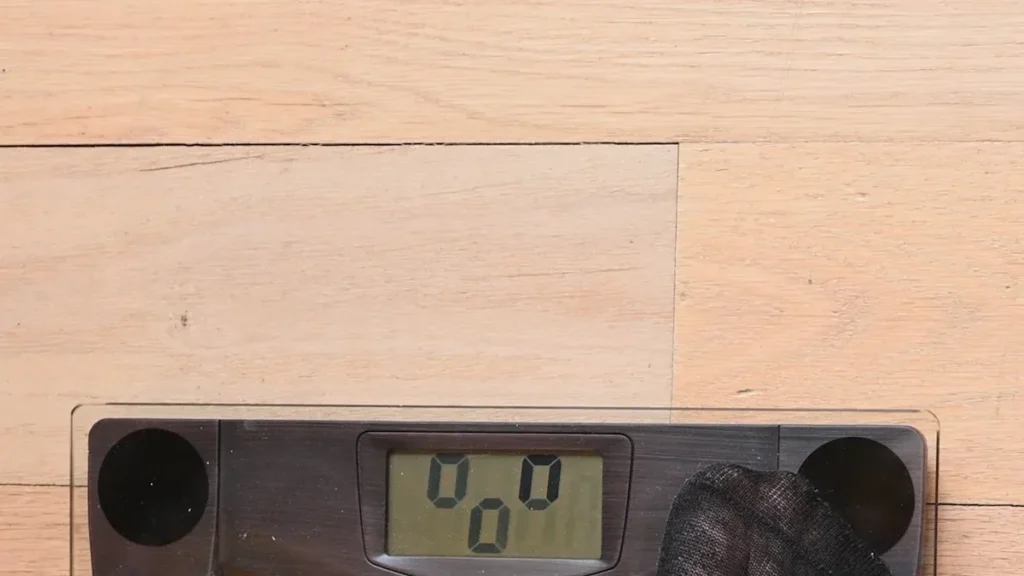
You see load sensors everywhere in factories and warehouses. They help you measure weight quickly and keep your work safe. When you use load cells, you get accurate numbers for many weighing applications. These sensors fit into different systems, so you can pick the best one for your job.
Here are some common types of industrial weighing systems that use load cells:
- Platform scales let you weigh pallets, containers, or products. You just place your item on the scale and get the weight right away.
- Hopper and tank scales help you measure bulk materials like grains, liquids, or powders. You can track how much you have and when you need to refill.
- Conveyor belt scales give you real-time weight readings as materials move along the belt. You can watch your production and make changes fast.
- Vehicle scales help you manage truck loads. You know if your vehicles carry too much or too little, so you avoid problems on the road.
You can use these systems for many weighing applications. They make your work easier and help you avoid mistakes.
Tip: If you want to improve your process, choose a weighing system that matches your needs. You will save time and get better results.
Application Examples
You might wonder how load cells work in real life. Let’s look at some examples of industrial weighing applications. These show how load sensors help you every day.
| Application Area | Description |
|---|---|
| Waste Management | Smart trash bins use force sensing to tell you when to empty them. You save money and work smarter. |
| Inventory Management | Silo weighing systems track product levels. When supplies run low, the system orders more for you. |
| Agriculture | Livestock weighing systems help you check cow health and breeding readiness. You keep your animals safe. |
| Logistics | Crane weighing checks if cranes can lift loads safely. You avoid accidents and keep workers safe. |
| Fruit Packaging | Platform scale load cells weigh bins of fruit on conveyor belts. You get the right amount for each box. |
You see load cells and load sensors in many places. They help you measure weight, control machines, and keep your work safe. You can trust these sensors for weighing applications in waste management, agriculture, and logistics. When you use the right sensor, you make your job easier and your results better.
Note: If you want to get the most from your weighing applications, pick load cells that fit your system. You will see better performance and safer work.
You now know how different load sensors help you succeed in industry. When you pick a sensor, think about your job, your environment, and how you want to use it. SOUSHINE can guide you and offer custom solutions for your project.
Advanced sensors like FSRs give you more choices and better results. Try them with classic load cells to improve your work.
- Choose the right sensor for your needs.
- Ask SOUSHINE for expert advice.
FAQ
What is a load sensor?
A load sensor measures force, weight, or pressure. You use it to check how much something weighs or how much force you apply. Factories, hospitals, and robots all use load sensors.
How do I choose the right load sensor?
You should look at your job needs. Check the weight range, accuracy, and where you will use the sensor. Ask SOUSHINE for help if you need a custom solution.
Where can I use Force Sensing Resistors (FSRs)?
You can use FSRs in medical devices, robots, cars, and electronics. FSRs fit small spaces and give quick feedback. They work well for touch and pressure sensing.
What makes SOUSHINE sensors special?
SOUSHINE sensors offer high accuracy, fast response, and custom designs. You get help from their team to pick the best sensor for your project. Their sensors last a long time.
Can load sensors work in tough environments?
Yes! You can pick sensors with strong materials and protection. SOUSHINE offers models for wet, dusty, or hot places. Always check the sensor’s rating before you buy.
How do I install a load sensor?
You place the sensor in your machine or scale. Follow the instructions from SOUSHINE. Their team can help you set up and test your sensor for best results.