

Call us: +86-137-2353-4866
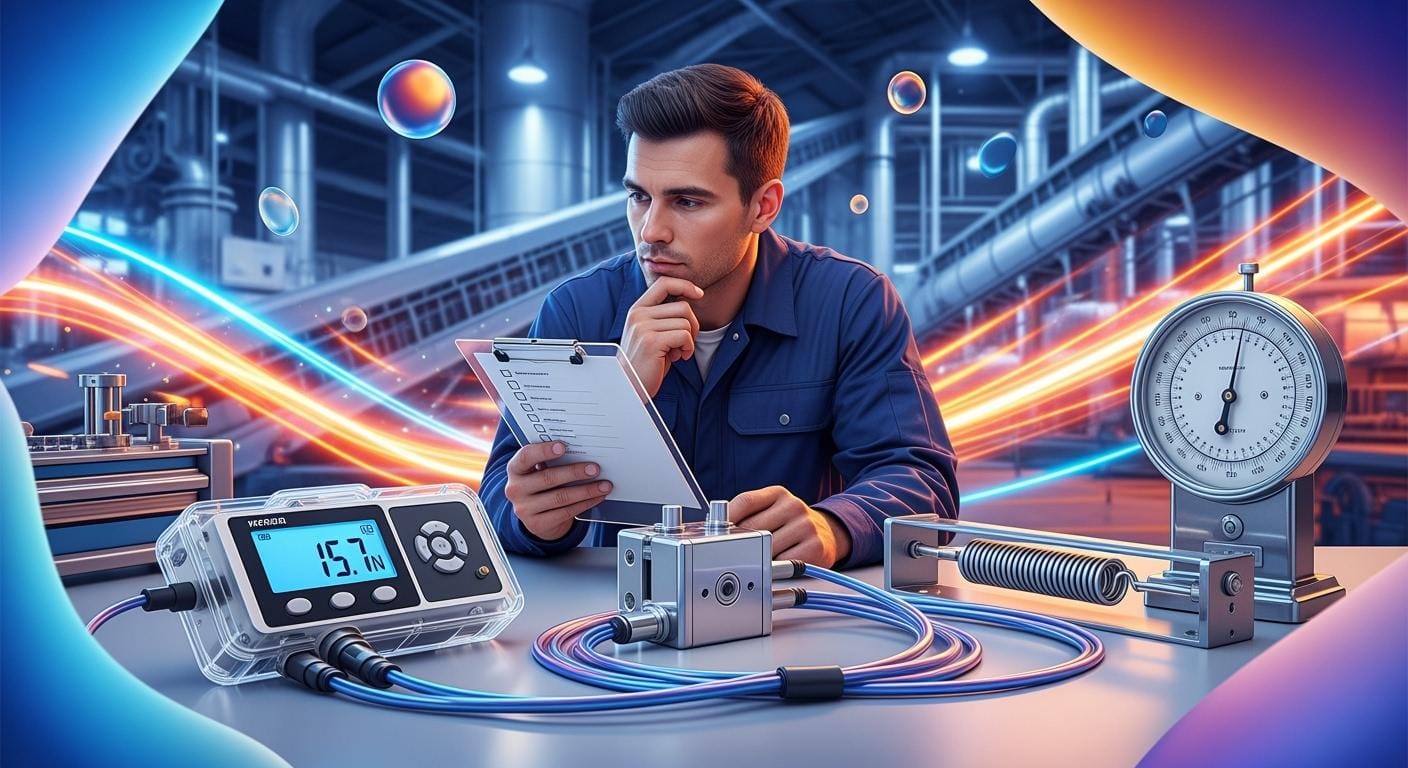

You want the best force measurement tool for your plant. First, check if each sensor fits your needs. Look at accuracy, reliability, and cost. Many plants now use sensors with wireless connections. These sensors have smart features too. They help with data analytics and predictive maintenance. Pick sensors that measure force exactly. Make sure they work with your plant’s systems. Think about upgrades you may need later. Industrial automation is growing fast. Sensors for force testing and force sensing give better results. A force sensing resistor works for custom jobs. Always choose sensors that match your plant’s environment and future plans.
- The sensor market grows quickly because of new technology.
- Plants use sensors more in robotics and automation.
- Sensors with IoT features make work easier and help with maintenance.
Key Takeaways
- Figure out what you need to test before picking a force measurement tool. Decide if you need to measure compression, tension, or both.
- Make sure accuracy is very important. Pick tools that give exact measurements so you do not make expensive mistakes.
- Think about the conditions in your plant. Choose sensors that can handle heat, moisture, and dust.
- See if the tool works with your current systems. Make sure it can connect and talk to your plant’s technology.
- Think about future changes. Pick devices that can change and grow with your plant’s needs.
- Do not make common mistakes by checking the quality of your tools. Bad quality can cause wrong readings and cost you money.
- Regular maintenance and calibration are very important. Keep your sensors working well for good results.
- Learn about new technologies. Getting modern tools can help you work better and measure more accurately.
Choosing The Right Force Measurement Tool
Decision Checklist
You want the best force measurement tool for your plant. Make a checklist before you start. This helps you focus on what is important.
- Define Your Testing Needs
Figure out what you need to measure. Decide if you will test compression, tension, or both. Think about the size and type of things you will test. - Set Accuracy Requirements
Check how exact your measurements need to be. Some jobs need very high accuracy. Others can be less strict. - Check Environmental Conditions
Look at your plant’s environment. High heat, moisture, or dust can change how sensors work. Pick a device that works well in your plant. - Review Integration and Compatibility
Make sure the tool connects with your systems. Many sensors now send data wirelessly and have IoT features. These help you watch data and plan repairs. - Plan for Future Upgrades
Choose a tool that can grow with your plant. Look for ways to upgrade and add more features. This keeps your tool useful as things change.
Tip:
Use this checklist before you buy anything. It helps you avoid mistakes and makes sure your tool fits your plant.
Matching Features To Applications
You need to match each device’s features to your job. Different jobs and industries need different tools. The right tool gives better results and helps your plant work well.
| Feature | Application Requirement | Description |
|---|---|---|
| Alignment Measurement | Materials Testing | Checks if the test is lined up right. This stops errors, especially for fragile items. |
| Strain-Gauged Transducers | Quality Assurance | Measures strain for even force and good results. |
| Compliance with ASTM E1012 | Aerospace and Defense | Meets tough rules for quality and steady work. |
New force measurement tools use smart sensors and IoT. These let you see data right away and fix problems before they get worse. Smaller sensors help you measure tiny things. Multi-axis sensors let you check force in many directions. This is good for hard tests.
Here are some trends to think about:
- Industry 4.0 brings smart machines to factories.
- IoT lets you see data fast and helps with repairs.
- Sensors are now used in medicine and clean energy.
Note:
Always pick tools that fit your plant now and later. This helps you get the best results from your tests.
Common Selection Mistakes
Many plants make the same mistakes when picking a force measurement tool. You can avoid these problems if you know what to look for.
- Some tools do not have enough quality for good results. This causes errors in measurement.
- Bad contact, like bent pieces or old tools, gives wrong readings.
- If you do not use steady force, results can change. Always use the same pressure when testing.
- Not thinking about temperature can make measurements wrong. Use sensors with temperature help if your plant gets hot or cold.
- Some people forget to check if the tool can handle tough places. Tools may need special covers to last longer.
Alert:
Always pick a device made for your plant’s needs. This keeps your tool safe and makes sure your tests are right.
Key Criteria For Force-Measurement Devices
Accuracy And Calibration
Accuracy is very important when picking force-measurement devices. Small mistakes in measurement can cause big problems. You could lose money or have safety issues if readings are wrong. You should check your sensor’s calibration often. This keeps your device working well and helps you follow the rules. Load cells and torque sensors need exact calibration for safety and good results.
Standards And Ranges
Always pick devices that meet industry standards. ISO900 says you should recalibrate every two years. This helps your measurements stay correct. Make sure the device can measure the full range you need. The table below shows why accuracy and calibration matter for your plant:
| Evidence Type | Description |
|---|---|
| Accuracy Impact | Small mistakes in force measurement can cause big money loss or safety problems. |
| Calibration Requirement | You must recalibrate often to keep measurements right, as ISO900 says to do it every two years. |
| Instrument Dependence | Torque sensors and load cells need exact calibration to follow rules and work well. |
Durability And Reliability
You want devices that last a long time. Your sensors should work in tough places, like where it is hot, dusty, or wet. Good devices keep your plant safe and your products strong. Proof testing helps you find weak spots before they break. This stops accidents and keeps your equipment working longer.
Proof testing checks if equipment and structures are safe when they hold heavy loads. Finding weak spots early stops big problems. Proof testing is used for lifting tools, rigging gear, supports, and parts in planes or spacecraft.
Environmental Resistance
Your devices must handle your plant’s environment. Pick sensors with covers that block water, dust, and heat or cold. This keeps your measurements right and your device working longer.
Maintenance Needs
You should plan to do regular maintenance. Calibration and care help your sensors stay reliable. Checking your devices often lets you find problems early. This keeps your device ready for any job.
Integration And Compatibility
You need to make sure your devices work with your plant’s systems. Many plants use different sensors and software. If your devices do not connect well, you might have delays or mistakes.
Connectivity Options
Pick sensors with the right output for your plant. Some devices use analog, digital, or wireless connections. Choose what fits your control systems. Good connections help you get fast and correct data.
Software Support
Check if your devices come with good software. Good software lets you save data, look at results, and spot trends. This makes measuring in automation easier and better. If your software works with many devices, you can add more later without trouble.
| Criteria | Description |
|---|---|
| Sensor Compatibility | Make sure the indicator works with the sensor’s output and check if it fits with TEDS. |
| Accuracy and Resolution | Pick an indicator with enough accuracy and resolution, and think about linearity and stability. |
| Sampling Rate | Choose a high sampling rate to catch fast force changes. |
| Connectivity and Output Options | Decide what outputs you need, like analog, digital, or wireless. |
| Environmental Considerations | Look for indicators with covers that handle heat, humidity, and noise. |
| Software and Data Logging | Check if the software can log data, analyze, and show results. |
| Calibration and Maintenance | Learn how to calibrate and care for your device, and use TEDS to make it easier. |
| Feature and Function | Look at features to make sure the device fits your sensors and system calibration. |
Cost And Value
When you pick force-measurement devices, look at price and value. The first price can be very different. Some devices cost less and have only basic features. Others cost more but give better accuracy and more automation. Advanced software comes with higher-priced devices. Always match the device to your needs and budget.
Initial Cost
Force-measurement devices have many prices. Entry-level models are good for simple jobs and cost less. Mid-range devices are more accurate and have some automation. High-end models have the best features and work with your systems. Here is a table to help you compare:
| Model Type | Price Range | Features |
|---|---|---|
| Entry-Level | $5,000 – $15,000 | Basic measurements, manual positioning, limited to surface/interfacial tension. |
| Mid-Range | $15,000 – $25,000 | Improved accuracy, some automation, motorized stage for sample positioning. |
| High-End | $30,000 and above | Advanced automation, full software integration, diverse measurement capabilities. |
Do not pick a device just because it is cheap. Sometimes, a higher price means better performance and longer life. This can save you money later.
Long-Term ROI
You want your force-measurement device to be a good investment. Devices that last longer and need less fixing give better value. Reliable measurement helps you avoid waste and makes products better. Accurate force-measurement devices lower mistakes and save money.
Tip:
Look at the total cost, not just the price you pay first. Think about fixing, calibration, and how long the device will last.
Future-Proofing
Think about the future when you buy a force-measurement device. Technology changes quickly. Devices that upgrade and grow with your plant help you stay ahead.
Upgrade Paths
Pick force-measurement devices that let you add new features or connect to new software. Some devices can get digital upgrades or new parts. This keeps your equipment useful as your plant grows.
Scalability
Your plant may need more measurement as you expand. Devices that scale easily let you add more sensors or connect to new systems. This saves you time and money later.
Here is a table that shows what to look for in future-proof force-measurement devices:
| Factor | Description |
|---|---|
| Advancements in measurement tech | Digital technologies and smart software improve accuracy and efficiency. |
| Regular calibration | Keeps your device accurate and reliable, meeting industry standards. |
| Range of available equipment | A wide selection lets you pick the right tool for every job. |
| Cost efficiency | Reliable measurement reduces waste and boosts profits. |
Note:
Always choose force-measurement devices that can grow with your plant. This helps you keep up with new needs and new technology.
Top Force-Measurement Devices For Industrial Testing
SOUSHINE Force Sensing Resistors (FSRs)
Precision And Customization
You want your tests to be correct. SOUSHINE Force Sensing Resistors are very sensitive and precise. You can pick from many shapes and sizes. This means you can use them in almost any system or product. These sensors work for both big and small projects. You can count on them to measure force the right way every time.
| Feature | SOUSHINE’s Technology | Competitors |
|---|---|---|
| Accuracy | High | Lower |
| Durability | Long-lasting | Varies |
| Customization | Many choices | Fewer choices |
| Power Consumption | Low | Higher |
| Integration Ease | Simple | Harder |
Durability And Energy Efficiency
You need sensors that last a long time. SOUSHINE FSRs keep working after lots of use. They do not use much power, so they are good for portable devices. You will not have to change batteries often. These sensors help you save energy and money.
Industrial Applications
You can use SOUSHINE FSRs in many fields. They work in cars, hospitals, robots, and factories. You can use them for patient checks, safety, and smart robots. These sensors fit into new and old systems. You get good measurements for every job.
Tip: SOUSHINE FSRs are easy to add to your setup. You do not need special tools or training.
Load Cells
Types And Uses
You see load cells in many test jobs. These devices come in different types for different needs:
- Canister type load cell: Measures big loads.
- Beam type load cell: Checks bending and shear, used in scales.
- Diaphragm load cell: Good for small spaces.
- S-type load cell: Measures push and pull, used for tough tests.
- Pneumatic load cell: Changes pressure by itself, used in many places.
- Piezoelectric load cell: Good for fast force changes when strain gauge sensors may not work.
You can choose the best load cell for your job. You get the right force measurement every time.
Strengths And Limitations
Load cells give strong and steady results. You can use them for hard jobs. They work well with strain gauge sensors and dynamometers. Some load cells need careful setup. You should check the type before you start testing.
Mechanical Force Gauges
Simplicity And Reliability
You want a tool that is fast and does not break. Mechanical force gauges are simple and quick to use. You do not need software or batteries. These devices have few parts, so they last longer.
| Strengths | Limitations |
|---|---|
| Simplicity: No setup needed | Less versatile than digital gauges |
| Reliability: Fewer parts | |
| Cost-Effective: Lower cost | |
| Low Maintenance: No batteries | |
| Suitable for rugged environments | |
| Quick checks without navigation |
Use Cases
You can use mechanical force gauges for fast checks in the field. They work well in tough places where digital sensors may not last. You get quick results for simple jobs. These tools help your plant run well.
Note: Use mechanical force gauges for basic jobs. For harder tests, you may need digital force-measurement devices.
Quartz Dynamometers
Multi-Component Measurement
Sometimes you need to measure force in many directions. Quartz dynamometers help with this job. These devices can track force in three ways: Fx, Fy, and Fz. The Kistler 9272 B dynamometer shows all the forces during machining. You connect it to a charge amplifier and a data system. This setup records force changes very fast. You get accurate measurements of changes while testing. This helps you learn how your process works. You can use this information to make things better.
Advanced Machining Applications
Quartz dynamometers are used for hard machining jobs. These devices help you test cutting, drilling, and milling. You can see how much force each tool uses. This helps you pick the best tool and settings. You can find problems before they cause damage. Many plants use these sensors for research and checking quality. You get better results when you use dynamometers for testing. You can also compare them with load cell and strain gauge sensors for more data.
Smart Wireless Sensors
Connectivity And Data Analytics
You want your plant to work smarter. Smart wireless sensors help you do this. These devices connect to your systems without wires. You can measure force, vibration, and pressure. You use a secure gateway to link sensors to the Internet. This lets you watch your data right away. You can spot problems fast and fix them before they get worse.
- Wireless IoT devices help you run your plant.
- These sensors measure things like vibration and pressure.
- You need a secure gateway for safe Internet connection and real-time monitoring.
Smart wireless sensors have IoT features now. They can do hard calculations and check themselves. You can use them in small spaces because they are flexible. Wireless sensor networks let many sensors talk to each other. This makes your data collection and analysis better.
Sustainability Trends
You want your plant to save energy and be green. Smart wireless sensors help you use less power. They last longer and help you track energy use. You can find waste and fix it. These devices help you follow new rules for saving energy. You also spend less money by using less energy and fewer materials.
Mark-10 And Shimpo Instruments
Product Highlights
You need tools you can trust for force testing. Mark-10 and Shimpo Instruments offer many devices for measuring force. You can choose force gauges, torque gauges, and more. These devices help you measure tension, compression, and torque. You can use them for many kinds of tests. The table below shows some main features:
| Product Type | Key Features |
|---|---|
| Force Gauges | Measure tension and compression; 0.12 to 1,000 lbF; real time and peak force measurement |
| Torque Gauges | Measure clockwise and counterclockwise torque; 10 ozFin to 100 lbFin; real time and peak values |
| Force / Torque Sensors | Interchangeable; force up to 10,000 lbF; torque up to 5,000 lbFin |
| Motorized Force Testers | Tension and compression up to 1,500 lbF; programmable speed; advanced functions |
| Manual Test Stands | Tension and compression up to 1,000 lbF; reduces test variability |
| Wire Pull Testers | Measure crimp strength; 200 lbF capacity; onboard data storage |
| COF Gauges | Measure static and dynamic friction; conforms to ASTM D1894 |
| Ergonomics Kits | For job task analysis; includes force gauge and accessories |
Industrial Suitability
You can use Mark-10 and Shimpo Instruments in many places. These devices work well in labs, factories, and field tests. You get accurate measurements for checking quality and doing research. You can use them with load cell and strain gauge sensors for more testing. These devices help your plant run safely and smoothly. You can trust them for all your force testing needs.
Matching Force-Measurement Device To Plant Needs
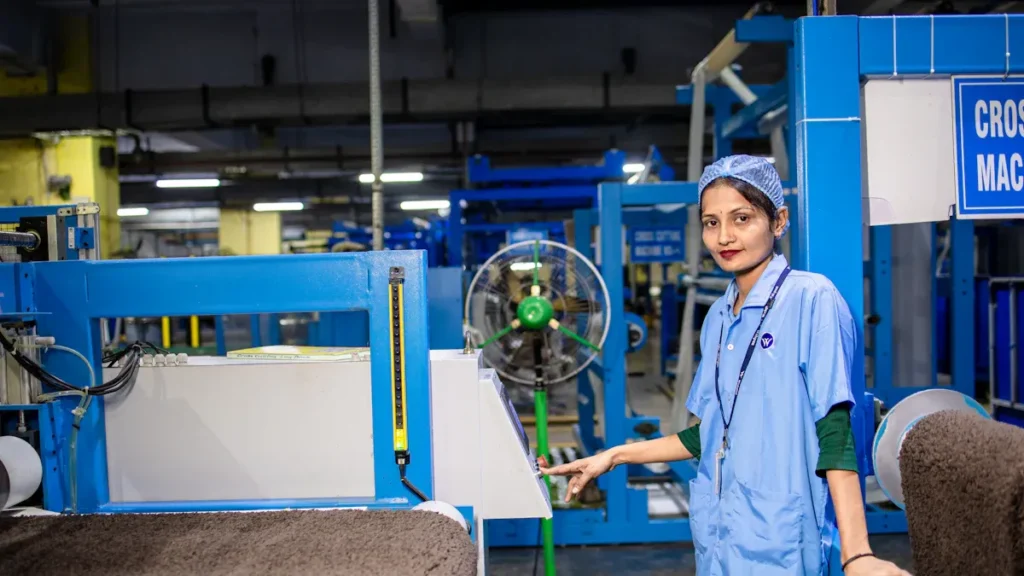
Heavy Manufacturing
Recommended Devices
You need tools that are strong and accurate for heavy manufacturing. Load cells and strain gauge sensors work well here. These devices help you measure force when pressing or lifting metal. You can also use force transducers for big loads and tough jobs. Many plants use sensors in machines that mold plastic to check the force on molds. Sensors also help stop accidents by watching loads in cranes and other equipment.
| Feature | Description |
|---|---|
| High Precision | Accurate force readings keep your process safe and efficient. |
| Versatile Applications | Use in steel, chemicals, and other heavy industries. |
| Temperature Protection | Sensors keep working in hot and harsh places. |
| Easy Installation | Quick setup saves you time and effort. |
- Interface sensors help machines work better by measuring force.
- Load cells watch weight and help stop injuries.
Key Considerations
You need to check your plant’s environment. High heat or dust can change how sensors work. Pick sensors that last long and do not break easily. Fast sensors are important for quick force changes. Choose the right size and shape for your machines. The table below shows what to think about:
| Factor | Description |
|---|---|
| Environmental Conditions | Sensors must handle temperature changes and harsh settings. |
| Durability | Strong sensors last longer and save money. |
| Response Time | Quick sensors catch fast force changes. |
| Sensitivity | Pick sensors that match your project needs. |
| Form Factor | Choose the right size and shape for your machines. |
Tip: Always pick sensors that fit your plant’s needs for best results.
Food And Beverage
Hygiene And Compliance
You must keep your plant clean and safe. Sensors in food and drink plants must follow strict hygiene rules. Certified and sanitary-grade devices help stop contamination. Use sensors made from materials that are easy to clean. These devices help you follow food safety laws and pass checks.
| Device Type | Description |
|---|---|
| Force Sensors | Load cells improve filling and packaging accuracy. |
| Instrumentation | Sanitary-grade tools ensure safe and efficient operations. |
| Measurement Tech | Hygienic design keeps your process sterile and compliant. |
Best Choices
Pick sensors that are easy to clean and resist water or chemicals. Use force sensors that give correct readings for filling and packing. Strain gauge sensors also work well for checking pressure and weight. Always choose devices with hygiene certificates. This keeps your products safe and your plant running well.
Note: Certified sensors help you meet food safety rules and avoid recalls.
Chemical And Pharmaceutical
Safety And Certification
You must keep workers and products safe in chemical and drug plants. Sensors need to meet strict safety and material rules. Explosion-proof certificates like ATEX or IECEx are needed where things can catch fire. Functional safety rules like IEC 61508 or ISO 13849 make sure sensors work safely in risky places. Electrical safety and hygiene certificates are also important.
| Safety Certification Type | Relevant Industry | Purpose |
|---|---|---|
| Explosion-Proof (ATEX, IECEx) | Oil & Gas | Safe use in explosive atmospheres |
| Functional Safety (IEC 61508, ISO 13849) | Pharmaceuticals | Reliable operation in hazardous scenarios |
| Electrical Safety (UL, CSA) | General Industry | Safe use in sensitive environments |
| Hygiene and Material Safety (FDA, EHEDG) | Pharma, Food | Prevents contamination |
| Process Safety | Chemical Industry | Stops dangerous reactions or leaks |
Device Selection
Pick sensors that meet all safety and hygiene rules. Use force sensors and strain gauge sensors that work well in tough chemical places. Pick devices with the right certificates for your plant. This keeps your workers safe and your products clean.
Alert: Never skip safety checks when picking sensors for chemical or drug plants.
Automotive And Aerospace
Precision And Testing Needs
You work in places where safety is very important. Plants in automotive and aerospace need to measure force very carefully. You must test parts to see if they are strong and work well. Many tests need you to measure force changes quickly, like during crashes. You also check torque and power in engines and moving parts. These jobs need tools that give the same results every time.
Suitable Devices
You have different tools for measuring force in these plants. Each tool does a special job:
- Load cells help you measure force and weight in testing machines.
- Piezoelectric force sensors find quick force changes, so they are good for impact tests.
- Dynamometers measure tension, torque, speed, or power, which helps with engine tests.
- Strain gauge sensors give you detailed data for checking stress and structure.
Tip: Pick devices that match your testing speed and accuracy needs. This keeps your plant safe and your products strong.
Harsh Environments
Environmental Protection
Some plants have tough conditions. High heat, moisture, dust, or chemicals can hurt sensors. You need to choose the right materials for your force-measurement tools. The table below shows good and bad points of common materials:
| Material | Pros | Cons |
|---|---|---|
| Aluminum | Light, cheap, easy to shape, good with heat | Soft, can get damaged, not for heavy stress |
| Steel | Strong, not expensive, gives good signals, resists tough places | Harder to shape, can have more errors in some designs |
| Stainless Steel | Best for places with chemicals, needs simple heat treatment | Costs more, harder to shape |
You should also look for sensors with tough covers. These covers keep out water, dust, and chemicals. Always check if your load cell works for your plant’s conditions. Sometimes, you need a custom sensor for very hard places.
Device Durability
You want your tools to last a long time. Tough sensors give you good data even in rough places. You should test your sensors before using them. This helps you stop problems and save money on repairs. Pick sensors that can handle shocks, shaking, and temperature changes. Strong sensors keep your plant working and your data correct.
Robotics And Healthcare
FSR Applications
You see force-sensing resistors in many medical and robot tools. In hospitals, FSRs help staff know when a patient needs moving by checking pressure on beds. They also show when pills are taken from a bottle, which helps track medicine. In wound care, FSRs make sure bandages have the right pressure and warn staff if a bandage gets loose. In medical devices, FSRs are used in prosthetics, patient monitors, and infusion pumps. In robots, FSRs help robot hands and grippers feel things, so they can hold objects safely.
Customization Options
You can change FSRs for many jobs. You can put them in therapy and medicine devices to get force feedback. This feedback helps doctors and nurses talk better with patients. You can also pick the shape and size of FSRs for your device. Custom FSRs help you solve special problems in healthcare and robotics. You get good force data and make things safer for patients and users.
Note: FSRs give you many choices and good accuracy. You can use them in lots of ways to make care and automation better.
Force Testing Implementation Tips
Installation Best Practices
You want your force testing tools to work well. Good setup helps you get correct results and keeps tools safe. Always look at the area before you put in any device. Do not put sensors where it gets too hot. If you must, use things that keep heat away or cool the area. In wet places, seal your devices or use covers that block water. If there is a lot of shaking, use supports that stop vibration. If your plant uses chemicals, pick materials that do not rust.
Where you put each sensor is important. Put pressure transmitters where pressure does not change much. For flow meters, make sure there is enough straight pipe on both sides. Put thermocouples and RTDs deep enough so heat does not lag. Pick level sensors that fit the stuff you want to measure.
Wiring matters a lot in force testing. Do not put signal wires next to power wires. Use wires with shields and ground them well. For important tools, use backup power to stop problems if power changes.
Before you test, set zero and check the range. Test how fast your sensors react. Always check your tools with standard sources. For safety, test all safety locks, especially for important jobs.
| Best Practice Category | Key Recommendations |
|---|---|
| Environmental Considerations | Keep sensors away from heat; use insulation or cooling. Block water with sealing or waterproof covers. Use supports to stop vibration. Pick materials that do not rust. |
| Proper Installation Positioning | Put sensors where pressure is steady. Make sure pipes are straight for flow meters. Put thermocouples/RTDs deep. Pick level sensors for the right material. |
| Wiring and Electromagnetic Compatibility | Keep signal and power wires apart. Use shielded wires and good grounding. Use backup power for important tools. |
| Calibration and Testing | Set zero and check range. Test how fast sensors react. Check with standard sources. Test safety locks. |
Tip: Careful setup stops mistakes and helps your force testing tools last longer.
Staff Training
You need trained workers to get good results from force testing. Training helps your team use tools safely and the right way. Use data to find what skills your team needs to learn. This way, you can make training better.
Quick training works well in busy plants. Small lessons and learning while working help staff learn fast without stopping work. Using VR and AR lets your team practice safely before using real tools. These ways help your staff feel ready before they use force testing equipment.
| Training Method | Description |
|---|---|
| Data-driven learning | Uses tests and data to find skill gaps and make training better. |
| Time-efficient training | Uses small lessons and learning at work for quick skill building. |
| Immersive technology | Uses VR and AR for safe, real practice. |
Note: Trained workers make fewer mistakes and keep force testing safe.
Maintenance And Calibration
You must keep your force testing tools working well. Cleaning and checking your devices often helps you get correct results. Make a plan to clean and check your tools. Look for damage or parts that are worn out. Change bad parts right away.
Calibrate your sensors often. Use standard sources to check if they are right. Fix your tools if the readings change. Write down all cleaning and calibration work. This helps you see problems and plan future checks.
If you use a dynamometer or other special tools, follow the maker’s care rules. Some tools need special checks or software updates. Always use the right tools and follow safety steps when you do maintenance.
Callout: Cleaning and calibration often keep your force testing tools working well and help them last longer.
Monitoring Performance
You need to keep a close eye on your force testing tools. Good monitoring helps you catch problems early. You can use real-time data to see how your equipment works during testing. Many plants use dashboards to track force readings and spot changes right away. You should set up alerts for any force values that go outside safe limits. This keeps your plant safe and helps you avoid damage.
You can follow these steps to monitor performance:
- Check your force sensors every day. Look for signs of wear or damage.
- Review your testing data after each shift. Watch for any strange results.
- Use software to track trends in your force readings. This helps you find small problems before they grow.
- Set up automatic alerts for force spikes or drops. Respond quickly when you get an alert.
Tip: Use graphs and charts to make your testing data easy to understand. Visual tools help you spot patterns fast.
You can also compare your current force readings with past results. This shows you if your equipment works the same way over time. If you see big changes, you may need to check your sensors or your testing process.
A simple table can help you track key points:
| Monitoring Task | How Often | What to Look For |
|---|---|---|
| Sensor Inspection | Daily | Damage, loose wires |
| Data Review | After Testing | Odd force readings |
| Trend Analysis | Weekly | Changes in force patterns |
| Alert Response | As Needed | Spikes or drops in force |
You should always keep records of your testing and force measurements. Good records help you solve problems faster. They also help you show that your plant follows safety rules.
Planning Upgrades
You want your force testing system to stay up to date. Planning upgrades helps you keep your plant running smoothly. Start by looking at your current testing tools. Ask yourself if they still meet your needs. New technology can give you better force readings and faster testing.
Follow these steps to plan your upgrades:
- Make a list of your current force testing equipment.
- Check if your tools work with new software or sensors.
- Talk to your team about what features they need for better testing.
- Look at new products that offer better force measurement or easier use.
- Plan your budget for upgrades. Think about both the cost and the value you get.
Note: Upgrading your force testing tools can help you save time and improve safety.
You should also think about the future. Pick tools that can grow with your plant. Choose systems that let you add more sensors or connect to new machines. This makes it easy to expand your testing as your plant grows.
You can use this checklist to guide your upgrade plan:
- Do my current tools give accurate force readings?
- Can I add new sensors or software?
- Will upgrades help my team do better testing?
- Is my system ready for future changes?
By planning upgrades, you make sure your force testing stays strong and reliable. You keep your plant safe and ready for new challenges.
You need to pick the right force measurement tool for your plant. Every plant is different, so you should match the tool’s features to your jobs. If you work in heavy manufacturing, use strong sensors. For healthcare or robotics, pick sensors that are flexible and very accurate. Always think about future upgrades and support.
Here is a simple checklist to help you choose the best force measurement tool:
| Key Point | Description |
|---|---|
| Accuracy | Choose tools that give exact readings and keep your data right. |
| Long-term Planning | Make sure your tool can handle new tests and rules later. |
| Cost Considerations | Think about all costs, like fixing and checking your tool. |
| Expert Collaboration | Ask experts for good advice and help. |
| Supplementary Services | Pick tools with good support and repair services. |
Keep checking your tools and watch for new technology. Look at your plant’s needs often and talk to trusted sellers for the best results.
FAQ
What is the most important factor when choosing a force measurement tool?
You should focus on accuracy first. Accurate readings help you make safe and smart decisions in your plant. Always check the tool’s specifications before you buy.
Can I use the same sensor for different applications?
You can use some sensors for many jobs, but not all. Always match the sensor’s features to your specific task. This gives you the best results.
How often should I calibrate my force measurement device?
You should calibrate your device at least once every two years. If your plant has strict rules or heavy use, check more often. Regular calibration keeps your data correct.
Are wireless force sensors reliable for industrial use?
Yes, wireless force sensors work well in many plants. They send data quickly and help you monitor equipment in real time. Make sure you choose a trusted brand.
What makes SOUSHINE FSRs a good choice?
SOUSHINE FSRs give you high accuracy, low power use, and many customization options. You can use them in cars, robots, and medical devices. They fit many plant needs.
How do I know if my sensor can handle harsh environments?
Check the sensor’s protection rating. Look for covers that block water, dust, or chemicals. Always pick sensors made for your plant’s conditions.
Can I upgrade my force measurement system later?
Yes, many modern systems let you add new sensors or software. Choose tools with upgrade paths. This helps your plant stay ready for future needs.
Do I need special training to use force measurement tools?
Most tools are easy to use, but training helps you get the best results. You should learn how to install, use, and maintain your device. Good training keeps your plant safe.