

Call us: +86-137-2353-4866
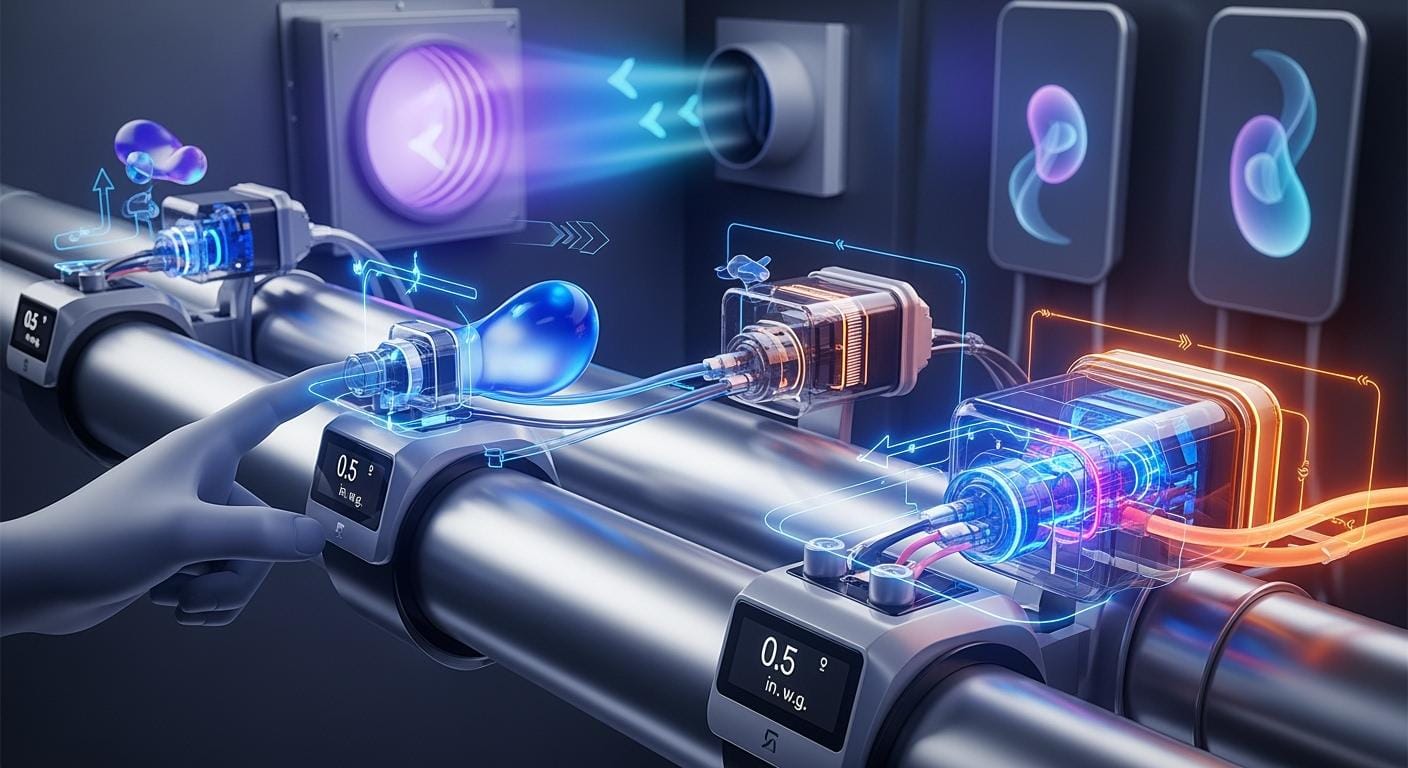

Top brands for static pressure sensors in HVAC are SOUSHINE, Siemens, Honeywell, Johnson Controls, Dwyer Instruments, Setra Systems, Belimo, Automation Components Inc, Sensata Technologies, Trane, Carrier, and Lennox. Picking the right pressure sensor helps HVAC systems work well. Smart HVAC sensors use new data and automation. SOUSHINE is special because it uses force sensing resistor technology for exact force sensing. Important things to compare are accuracy, reliability, compatibility, cost, and vendor support.
Table of Contents
Key Takeaways
Pick the best static pressure sensor to help your HVAC work better and save energy. SOUSHINE sensors use new force sensing resistor technology for very accurate pressure readings. Think about how accurate, reliable, and compatible the sensor is. Also, look at the cost and vendor support before you buy. Siemens sensors respond fast and have smart controls for big buildings. Honeywell sensors last a long time and are easy to add to old systems. Check and maintain your sensors often to make them last longer and work well. Smart HVAC sensors can link to IoT networks for live data and control. Good vendor support and a warranty are important for making sure your sensor works well for a long time and keeps customers happy.
Leading HVAC Static Pressure Sensor Brands

SOUSHINE Force Sensing Resistor
SOUSHINE is different because it uses force sensing resistor technology. These sensors give very exact force and pressure readings. This helps control and watch hvac systems closely. SOUSHINE makes sensors that work in many ways. You can use them for airflow checks and finding pressure changes. The sensors are flexible, so they can be made in many shapes and sizes. This means they fit new setups and old ones too. SOUSHINE checks each sensor for quality and reliability. They test resistance and inspect during making. This keeps systems working well for a long time. Many fields, like cars and healthcare, use SOUSHINE sensors. They help save energy and keep air clean inside. SOUSHINE also gives good technical help. This helps customers get the best results in their hvac projects.
Siemens
Siemens is known around the world for its SITRANS P series. These sensors react quickly and have many choices for hvac use. They give correct pressure readings to keep systems working right. Siemens sensors help control airflow and use smart control plans. This saves energy. Siemens is trusted for big business and factory jobs. The brand is famous for being reliable. Siemens adds new things like self-checks and data tools. These make fixing and watching sensors easier. Many people say Siemens leads the way because it always tries to get better and keep quality high.
Honeywell
Honeywell has many sensors made for hvac systems. The company works hard to make new and strong sensors. Their sensors give steady results even in tough places. Honeywell sensors help control airflow and pressure well. This keeps air clean and systems working right. Honeywell is trusted by many hvac workers. Their sensors last long and are easy to add to new or old systems. Honeywell cares about helping customers and giving support. This makes them a top choice in the market.
The table below shows how top brands compare in market reach and product reliability:
| Brand | Global Market Presence | Product Reliability |
|---|---|---|
| PCB Piezotronics | Well-known | Sensors are very precise and high quality |
| Omega Engineering | Many products | Focuses on good quality and working well |
| Honeywell | Many sensor choices | Always works on new ideas and strong sensors |
SOUSHINE, Siemens, and these other brands are leaders in static pressure sensor technology for hvac. Their sensors help systems work better and save energy. They also help control and watch hvac systems in many places.
Johnson Controls
Johnson Controls is known for making advanced sensors. These sensors help HVAC systems work better and save energy. Their static pressure sensors give accurate airflow readings. They also measure differential pressure. These sensors help keep indoor air clean. Johnson Controls makes sensors that last a long time. They work well in many places. Technicians use them in schools, hospitals, and big buildings. The sensors help teams watch pressure changes. They can adjust systems fast. Johnson Controls gives good customer support and training. Many people trust their sensors. They are easy to use with building management systems.
Tip: Johnson Controls sensors often have digital outputs. This makes it easier to watch and control modern HVAC systems.
Dwyer Instruments
Dwyer Instruments makes sensors that are simple and reliable. Their sensors measure static pressure and differential pressure well. Many HVAC workers pick Dwyer for good prices. The sensors work in new and old projects. Dwyer has models for small spaces and quick setup. Their sensors help keep airflow steady. They also help systems work better. Dwyer sensors help save energy and improve efficiency. The company gives clear instructions and technical help. Users think these sensors are easy to set up and fix. Dwyer keeps adding new features for HVAC jobs.
| Feature | Dwyer Instruments Sensors |
|---|---|
| Measurement Type | Static & Differential Pressure |
| Application | HVAC, Cleanrooms, Labs |
| Installation | Quick & Flexible |
| Support | Technical Assistance |
Setra Systems
Setra Systems is a leader in making precise sensors. Their sensors measure static and differential pressure very well. Setra designs sensors for tough places like hospitals and labs. The sensors help keep air clean and systems working right. Setra sensors work with smart control systems. This helps save energy. Many engineers use Setra sensors to watch important spaces. The sensors give steady readings and are not bothered by temperature changes. Setra has many models for different HVAC needs. Their customer service helps with picking and fixing sensors. Setra sensors help keep airflow balanced and systems running smoothly.
Note: Setra Systems sensors often let you monitor from far away. This helps managers check HVAC systems from any place.
Belimo
Belimo is known for small and digital sensors. The company makes sensors for many buildings. Belimo sensors measure static pressure and airflow. These sensors help systems work better and save energy. Many engineers pick Belimo for small spaces. The sensors fit in tight places and give good data.
Belimo sensors work with smart building systems. They connect easily to automation systems. This helps people check air quality and change settings. The sensors help keep offices, schools, and hospitals safe and comfortable. Belimo makes sensors that last a long time. The sensors do not get damaged by dust or water.
Note: Belimo sensors have digital outputs. This lets people watch and change things fast.
Automation Components Inc
Automation Components Inc is called ACI. ACI makes many sensors for hvac jobs. The company makes sensors for pressure and temperature. ACI sensors help control and watch new and old systems. Many workers use ACI because they are easy to put in and fix.
ACI sensors help systems work well with steady readings. The sensors help control airflow and keep air safe. ACI has many sensor types, so people can choose what they need. The company gives good help and clear guides.
| Feature | ACI Sensors |
|---|---|
| Measurement | Pressure, Temp |
| Application | HVAC, Labs, Schools |
| Installation | Simple |
| Support | Reliable Help |
Sensata Technologies
Sensata Technologies makes smart sensors for hvac. The company makes sensors for static pressure and other things. Sensata sensors help control and watch big and small systems. Many places use Sensata to save energy and stay safe.
Sensata sensors help save energy. They help control airflow and keep systems working well. The sensors help keep air clean by giving fast data. Sensata makes sensors that last and work in hard places. The company gives help so users get the best from their sensors.
Tip: Sensata sensors work well in factories where strong and exact sensors are needed.
Trane
Trane is known for making strong sensors. These sensors help workers check and control HVAC systems. Trane sensors give correct airflow readings. This helps save energy in homes and businesses. The sensors work well with Trane HVAC machines. Many engineers pick Trane sensors because they last long and are easy to use.
Trane sensors help teams watch air quality and keep places safe. The sensors show data right away for quick changes. Trane has models for many HVAC systems, from small offices to big factories. The sensors help users see pressure changes and use less energy. Trane’s help team gives support for setup and fixing problems.
Tip: Trane sensors often have digital parts for quick checks and control.
| Feature | Trane Sensors |
|---|---|
| Application | Commercial, Residential |
| Measurement | Static Pressure, Airflow |
| Integration | Easy with Trane Systems |
| Support | Technical Assistance |
Carrier
Carrier is a leader with new sensors for HVAC jobs. The company makes static pressure sensors that give exact readings. Carrier sensors help systems work well and save energy. Many building managers use Carrier sensors to control airflow and keep air clean.
Carrier sensors fit many HVAC systems. The sensors give steady data for checking and changing settings. Carrier makes sensors that last and work in hard places. The company gives easy guides and good customer help. Carrier sensors help teams change system settings fast.
- Carrier sensors help with:
- Correct pressure checks
- Quick answers to system changes
- Easy use with building controls
Carrier’s focus on quality makes its sensors a top pick for many workers.
Lennox
Lennox makes sensors that work well for HVAC systems. The company uses static pressure sensor tech to help users control and watch system work. Lennox sensors give steady airflow readings and help save energy. Many workers use Lennox sensors in homes, schools, and offices.
Lennox sensors help teams watch pressure and change HVAC settings. The sensors work with Lennox machines and other brands too. Lennox has models for many system sizes and needs. The sensors help keep air clean and make places comfortable. Lennox gives tech help and easy instructions.
Note: Lennox sensors are easy to put in and last a long time.
| Feature | Lennox Sensors |
|---|---|
| Application | Residential, Commercial |
| Measurement | Static Pressure, Airflow |
| Installation | Simple and Fast |
| Support | Technical Help |
Workers and managers trust Lennox sensors for good control and checking in today’s HVAC systems.
Key Criteria for Static Pressure Sensor Selection
Accuracy & Measurement Range
Accuracy is very important when picking static pressure sensors for HVAC. Sensors that are accurate give correct readings. This helps the system work well and keeps air clean inside. When a sensor gives good data, the HVAC system can change airflow and settings. This keeps people comfortable and saves energy. The measurement range is also important. A sensor needs to cover all the pressure levels in the system. If the range is too small, the sensor might miss changes. If the range is too big, it may not be as exact. Different sensor types have different sensitivity and accuracy. Capacitive sensors are very accurate. Piezoresistive sensors are very sensitive and cost less.
| Feature | Piezoresistive | Capacitive | Resonant | Fibre‑optic | Piezoelectric |
|---|---|---|---|---|---|
| Sensitivity | High | Excellent | Ultra‑high | High | High (dynamic) |
| Accuracy | Moderate | Excellent | Ultra‑high | High | Moderate |
| Cost | Low | Moderate | High | Very high | Moderate |
SOUSHINE’s force sensing resistors are special because they give steady and exact readings for many pressure levels. This makes them good for basic and advanced HVAC jobs.
Reliability & Durability
Reliability means sensors work well for a long time. Durable sensors need less fixing and help stop surprise problems. In HVAC, a reliable sensor helps watch and control the system all the time. This keeps everything working right. Sensors must handle tough places like heat, cold, wet air, and dust. SOUSHINE checks every sensor while making them to make sure they last. This focus on quality helps systems stay efficient and lowers the chance of problems. When sensors last longer, owners spend less on new parts and repairs.
- Reliable sensors:
- Help watch systems all the time
- Lower fixing costs
- Keep energy use low
HVAC System Compatibility
Sensors must work with the HVAC system for easy setup. They need to match the system’s wires and signals. Sensors should fit the space and meet safety rules. For example, indoor sensors need at least IP54 protection. Rooftop sensors need IP65 or more. Electrical safety marks like UL 508 or CSA C22.2 show safe use. Sensors must also work with refrigerants like R-410A or ammonia.
| Requirement Type | Details |
|---|---|
| Environmental Protection | IP54 for indoor, IP65 for rooftops, IP67 for coastal areas |
| Electrical Certifications | UL 508, CSA C22.2, ATEX/IECEx |
| Refrigerant Compatibility | R-410A, R-32, ammonia (R-717) |
SOUSHINE makes sensors that can be changed to fit different HVAC systems. This helps engineers update or add sensors without big changes. Good compatibility lets sensors work well with controls. This helps watch systems and save energy.
Installation & Maintenance
It is important to install sensors easily and keep them working well. Simple installation saves time and money for HVAC workers. Sensors that fit into old systems without extra tools help projects go faster. Many brands make sensors with clear labels and easy ways to mount them. This helps workers put sensors in the right place. It makes airflow and pressure readings more accurate. Quick-connect terminals and plug-and-play features help stop mistakes during setup.
Maintenance helps sensors last longer and work better. Technicians need to look for dust, water, or damage on sensors. Some sensors can check themselves and tell teams when cleaning or replacement is needed. SOUSHINE makes sensors that are simple to install and take care of. Their flexible designs fit many HVAC systems. This keeps the system working well and helps indoor air stay clean. Good installation and maintenance also help teams watch and control systems better.
Tip: Checking sensors often helps save energy and stops sudden problems.
Cost & Value
Cost is important when picking sensors for HVAC jobs. Buyers want sensors that are not too expensive but still work well for a long time. Cheap sensors may break more often or need more repairs. High-quality sensors, like SOUSHINE, last longer and give better readings. This means less downtime and steady system work.
Value is more than just the price you pay. Sensors that last longer and need less fixing save money over time. Sensors that can be changed for special HVAC needs add more value. SOUSHINE gives good sensors that do not cost too much. Their sensors help control airflow and save energy. This lowers bills and makes buildings more comfortable.
| Factor | Low-Cost Sensors | High-Value Sensors (e.g., SOUSHINE) |
|---|---|---|
| Upfront Cost | Low | Moderate |
| Lifespan | Shorter | Longer |
| Maintenance | Frequent | Minimal |
| Accuracy | Basic | High |
| Customization | Limited | Flexible |
Vendor Support & Warranty
Good vendor support and a strong warranty help buyers feel safe. Support helps with putting in sensors, fixing problems, and making upgrades. Many HVAC workers pick brands that answer fast and give clear help. SOUSHINE is special because they help by email, phone, and visits. Their team helps customers fix problems quickly and keeps sensors working.
A good warranty protects against broken parts and early problems. Most top brands give warranties for parts and labor for a set time. This lowers risk and helps customers trust the brand. SOUSHINE promises quality and takes care of their sensors for a long time. Their support and warranty help keep systems working and make sure teams can watch and control sensors all the time.
Note: Always read the warranty before buying sensors so you do not get surprise costs later.
Brand Comparison: Static Pressure Sensors for HVAC
SOUSHINE: Innovative Force Sensing Resistor
Customization & Versatility
SOUSHINE is different because it uses force sensing resistor technology. The sensors measure force and pressure very accurately. They work in many hvac jobs, like checking airflow and watching system performance. Engineers can pick from many shapes and sizes. This makes it easy to use them in new or old systems. SOUSHINE gives special choices for different projects. The sensors work in cars, hospitals, and building controls. They are good for simple and hard hvac setups. SOUSHINE helps make air cleaner and saves energy by giving exact data for control.
- Key benefits of SOUSHINE sensors:
- Custom shapes and sizes for any hvac system
- Reliable force and pressure readings
- Easy integration with modern controls
- Support for multiple industries
Quality Assurance & Support
SOUSHINE checks quality at every step. They look at materials and test resistance while making sensors. Each sensor gets checked first to make sure it works well. This makes the sensors last long in hvac systems. SOUSHINE helps customers by email, phone, and visits. They give advice from planning to after setup. The support team fixes problems fast and keeps sensors working well. SOUSHINE cares about quality and helping customers. This makes engineers and managers trust them.
SOUSHINE’s sensors help teams monitor hvac systems, control airflow, and maintain energy efficiency with confidence.
Siemens: Integrated Solutions
Siemens gives solutions for hvac control and watching systems. The SITRANS P series reacts fast and gives correct pressure readings. Siemens sensors help with smart automation. They make systems work better and save energy in big buildings. Siemens has tools to help engineers see data and find patterns. The sensors work with building controls for easy use. Siemens works hard to be reliable and always improve. Their sensors last in tough places and give steady readings.
Analytics & Automation
Siemens sensors have tools for watching data right away. Managers use these tools to change hvac settings and make air better. Automation lets teams change airflow and pressure quickly. Siemens sensors connect to smart controls, so upgrades are easy. The company teaches and helps with setup and care. Siemens helps teams get better system work and lower energy use.
- Siemens sensor highlights:
- Fast and accurate pressure measurement
- Analytics for data-driven decisions
- Automation for efficient control
- Strong support and training
Honeywell: Global Reliability
Honeywell is a top name for strong sensors in big hvac jobs. The company makes sensors that work well in hard places. Honeywell sensors measure static pressure and help with smart controls. Managers trust Honeywell for steady system work and easy setup. The sensors help keep air clean and save energy.
Large-Scale Projects
Honeywell sensors are great for big hvac systems. They have many measurement choices and easy-to-read screens. Engineers put these sensors in without extra parts, using tees or elbows for air bleeding. Honeywell uses MEMS sensor technology for better work. Built-in snubbers keep sensors safe from water hammer damage. The sensors have switchable outputs for easy use.
| Feature | Description |
|---|---|
| Measurement Ranges | Up to five selectable ranges plus high resolution mode for lower pressures |
| User Interface | User friendly LCD displays in PSID or kPa |
| Installation | No bypass required; can be installed in tees or elbows for simple air bleeding |
| Reliability | High reliability with standard integrated snubbers protect sensing elements from water hammer damage |
| Output Options | Switch selectable outputs: 2-wire 4-20mA, 3-wire 0-5V or 0-10V |
| Technology | MEMS sensor technology for enhanced performance |
Honeywell helps big hvac jobs with sensors that are easy to put in and care for. The company gives help and clear guides for engineers. Honeywell sensors help teams watch system work, control airflow, and save energy in big buildings.
Honeywell’s sensors deliver reliable data for monitoring and control, helping facilities achieve better efficiency and indoor air quality.
Johnson Controls: Building Integration
Long-Term Performance
Johnson Controls is known for making sensors that last. Their sensors help teams control airflow and keep air clean. These sensors work with many building management systems. This makes them easy to use in schools, hospitals, and offices. Technicians trust Johnson Controls sensors for good monitoring and control.
Johnson Controls sensors give accurate data. This helps managers change settings and keep systems working well. The sensors help teams watch pressure and airflow changes. This makes system performance better over time. Johnson Controls gives strong customer support. Users get help with setup and fixing problems. The sensors fit many hvac systems. This makes them a flexible choice for different projects.
Tip: Johnson Controls sensors often have digital outputs. This makes it easier to watch and control modern hvac systems.
Dwyer Instruments: Cost-Effective Choices
Flexible Installations
Dwyer Instruments makes sensors that do not cost a lot. The company makes sensors that are easy to put in and take care of. Many technicians pick Dwyer because the sensors work in new and old systems. Dwyer has models that fit small spaces and are quick to set up. This saves time when installing.
Dwyer sensors help teams watch airflow and pressure in many places. These sensors help control systems and save energy. Dwyer gives clear instructions for setup and care. Technicians can install and fix them easily. The company also gives technical help to solve problems fast.
| Feature | Dwyer Instruments Sensors |
|---|---|
| Measurement Type | Static & Differential Pressure |
| Application | hvac, Cleanrooms, Labs |
| Installation | Quick & Flexible |
| Support | Technical Assistance |
Dwyer Instruments helps managers keep systems working well and save money. The sensors give good monitoring for many hvac jobs.
Setra Systems: Precision Engineering
BMS Integration
Setra Systems is a leader in making precise sensors. The company uses strong stainless-steel parts for their sensors. These sensors work well in tough places and many hvac jobs.
Setra Systems makes sensors that work with building management systems. The sensors give exact data for watching and controlling systems. This helps teams keep air clean and systems working well. Setra sensors help save energy by giving steady readings. Managers can change settings when needed.
- Key features of Setra Systems sensors:
- Strong stainless-steel housing
- Special electrode for better work
- Stainless-steel diaphragm for long life
Setra Systems gives sensors that help teams watch airflow and pressure. Their products fit many hvac setups and help with advanced control.
Note: Setra Systems sensors work well with BMS platforms. This makes them a good pick for places that need exact monitoring and control.
Belimo: Compact & Digital
Belimo makes small sensors that fit in tight spots. The company designs sensors that are easy to add to new buildings. These sensors help engineers control airflow and keep systems working. Belimo uses digital tech for quick and correct pressure readings. The sensors are fast to install and work with automatic controls.
Smart Building Features
Belimo sensors have features for smart buildings. They connect to building systems and show live data. Facility managers use them to check air quality and change settings. The sensors give exact data to help save energy. Belimo sensors have digital outputs for easy control and quick changes.
Facility teams trust Belimo sensors to keep spaces safe and comfy. The sensors do not get damaged by dust or water. This helps them last longer in tough places. Belimo gives clear guides for putting in and caring for sensors. The sensors help stop problems and keep HVAC systems running well.
Tip: Belimo sensors are great for offices, schools, and hospitals where space is small and digital control matters.
Automation Components Inc: Versatile Sensors
Automation Components Inc, or ACI, makes many types of sensors for HVAC. The company has lots of products for different system needs. ACI sensors measure static pressure very well and help teams control airflow. The sensors help save energy and lower repair costs.
Application Range
ACI makes sensors for many HVAC places. The A/DLP-010-W-U-D-A0 Static Pressure Sensor uses silicon for good readings. Teams can put these sensors in fast and set the range for each job. The sensors help keep air clean and control airflow well.
Facility managers use ACI sensors to watch system work and change settings. The sensors give good data for saving energy and keeping air clean. ACI makes sensors that are easy to put in and fit old or new systems.
| Feature | Description |
|---|---|
| Product Name | A/DLP-010-W-U-D-A0 Static Pressure Sensor With LCD Display |
| Measurement Technology | Silicon sensor for exact static pressure readings |
| Application | Needed for HVAC, helps save energy and control airflow |
| Benefits | Cuts energy use, keeps air clean, and lowers repair costs by adjusting airflow |
| Installation | Fast setup with changeable range for different jobs |
Note: ACI sensors help teams save energy and make systems work better by giving good data for control.
Sensata Technologies: Advanced Sensing
Sensata Technologies makes advanced sensors for HVAC systems. The company builds strong sensors for hard jobs in factories. Sensata sensors measure static pressure and help teams control big systems. The sensors give quick data for checking and changing things.
Industrial Applications
Sensata sensors work in many factory HVAC jobs. The sensors can handle tough places and still work well. Facility managers use them to keep systems working and protect machines. Sensata has products that help teams watch airflow and keep things safe.
The sensors work with automatic controls and building systems. Sensata gives help and clear instructions for setup. The sensors help teams keep air clean and save energy in big buildings.
Tip: Sensata sensors are a good pick for factory HVAC systems that need strong and exact checks.
Trane, Carrier, Lennox: Trusted HVAC Brands
Reliability & Support
Trane, Carrier, and Lennox are big names in HVAC. These brands make sensors that help workers keep systems working well. Their sensors give good data for airflow and control. This helps make air cleaner and saves energy.
Trane engineers build sensors that last a long time. These sensors work in tough places and get used a lot. Workers trust Trane sensors to give steady readings. Trane gives strong help to fix problems fast and keep systems running.
Carrier works on new ideas and strong sensors. Their sensors fit many HVAC systems easily. Managers use Carrier sensors to watch pressure and change settings. Carrier gives clear guides and quick help. This helps users keep things working and stop problems.
Lennox makes sensors for homes and businesses. Their sensors help teams check airflow and change controls for comfort. Lennox sensors fit many HVAC systems. The company gives good help and easy instructions. Workers trust Lennox sensors for good checks and long use.
Tip: Facility managers should pick sensors from brands like Trane, Carrier, and Lennox for good checks and easy control of HVAC systems.
The table below shows how these brands compare for reliability and support:
| Brand | Reliability Features | Support Services | Application Range |
|---|---|---|---|
| Trane | Durable, steady readings | Technical help | Commercial, residential |
| Carrier | New ideas, easy to use | Setup guides | Big buildings, offices |
| Lennox | Works in many places, lasts | Fast help | Homes, schools, offices |
Trane, Carrier, and Lennox sensors help teams keep systems working and save energy. Their products give good checks and control. This helps make air better and keeps HVAC systems working right.
Smart HVAC Sensors: Trends & Innovations
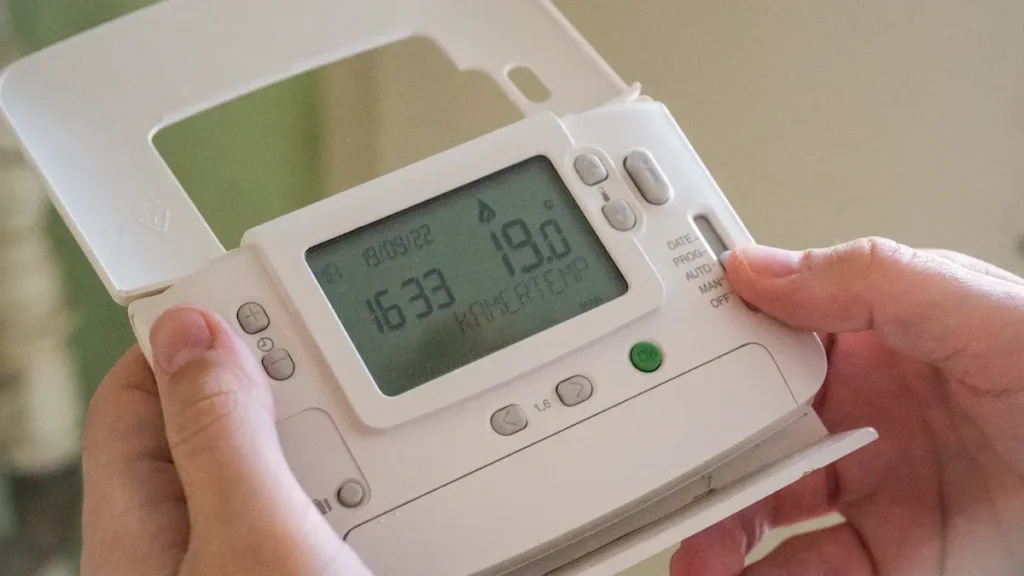
Smart HVAC sensors have changed how buildings stay safe and comfortable. These sensors help systems work better and save energy. They also keep the air inside clean. New trends show sensors do more than measure things. They help control, watch, and improve every part of an HVAC system.
IoT Integration
IoT is a big trend in HVAC now. Sensors connect to networks and share data right away. This brings many good things:
- Use Artificial Intelligence: AI works with sensors to control systems and find problems. This helps save energy and keeps people comfortable.
- Eco-Friendly Systems: Sensors help save energy and meet green rules. They lower pollution and make systems better for the planet.
- More Connections: Sensors work with smart home devices. This makes it easier to control and manage HVAC systems.
SOUSHINE is a leader in this area. They make force sensing resistors that work with IoT networks. Their sensors give exact data for control and watching. This makes HVAC systems smarter and quicker to respond.
Data-Driven HVAC Management
Data-driven management uses sensors to collect and study information. This helps teams run HVAC systems better. There are many benefits:
- Sensors watch how systems work and help find problems early.
- Special tools show live data. Teams can fix things fast and keep airflow steady.
- Smart sensors with good equipment help save energy and lower pollution.
SOUSHINE’s sensors help with this trend. They give steady data for watching and control. Their force sensing resistors help teams make smart choices and work better in many buildings.
Energy Efficiency & Sustainability
Energy efficiency is very important in new HVAC designs. Sensors help systems use only the energy they need. They change airflow and settings to match what is needed right now. This stops waste and helps reach green goals.
SOUSHINE sensors are important for this change. Their products help keep air clean and systems working their best. By giving exact data, these sensors help smarter control and save money over time.
Smart HVAC sensors are now shaping how buildings are managed. They help teams get better comfort, spend less, and keep the environment clean.
Real-World Applications & Case Studies
SOUSHINE in Automotive & Healthcare HVAC
SOUSHINE sensors are used in cars and hospitals. In cars, engineers use these sensors to check force and pressure. The sensors help control airflow and keep the temperature steady. People in the car feel more comfortable because the sensors work fast. The sensors also help clean the air by controlling filters and vents. In hospitals, SOUSHINE sensors are important in patient rooms and medical tools. Hospitals use them to watch HVAC systems and keep air clean. The sensors track pressure and control airflow in special areas. This helps keep germs away from patients and staff. SOUSHINE sensors help save energy by changing how systems work using live data. Hospitals save money and keep people safe at the same time.
SOUSHINE sensors help cars and hospitals stay comfortable, safe, and use energy well.
Siemens in Commercial Buildings
Siemens sensors are used in many big buildings. Managers use these sensors to watch HVAC systems and make them work better. Siemens sensors check static pressure and airflow in offices, malls, and airports. The sensors help control temperature and keep air clean inside. Teams trust Siemens sensors for good data. The sensors send live info to building systems. This helps teams change airflow and temperature quickly. Siemens sensors help buildings use less energy. Many places save money and make workers and visitors more comfortable.
- Siemens sensors help buildings by:
- Watching HVAC systems closely
- Controlling airflow and temperature better
- Helping save energy
Honeywell in Smart Facilities
Honeywell sensors help smart buildings work well. Managers use these sensors to control HVAC in schools, factories, and offices. Honeywell sensors check pressure and airflow in many places. This helps teams find problems early and keep systems working right. Smart buildings use Honeywell sensors to watch things live. The sensors send data to control rooms for quick changes. This keeps air safe and helps save energy. Honeywell sensors also change airflow when more people are in a room. This saves energy and keeps everyone comfy.
Honeywell sensors give smart buildings better control, safety, and energy savings.
Johnson Controls in Retail Chains
Retail stores use Johnson Controls sensors to keep HVAC working well. These sensors help managers see temperature and pressure right away. Managers use this information to change settings and make systems better. If airflow changes, the system can fix it fast. This keeps shoppers happy and protects items that need steady air.
Store owners like Johnson Controls sensors because they are dependable. The sensors work in busy places where doors open a lot. They help keep air clean by controlling vents and filters. Many stores use these sensors to watch energy use and save money. The sensors give warnings when the HVAC needs help. This lets workers fix problems before they bother customers or goods.
Johnson Controls sensors help stores use less energy. They help stores pay lower bills and follow green rules.
Dwyer Instruments in Education
Schools and colleges use Dwyer Instruments sensors for their HVAC. These sensors watch pressure and temperature in classrooms and gyms. Managers use the data to keep rooms safe and comfy. The sensors help control air and keep temperatures steady. This helps students focus and feel good.
Dwyer Instruments sensors are simple to put in and use. Maintenance teams can change or set sensors without special tools. The sensors send warnings if the HVAC needs fixing. This helps schools avoid problems and keep classes going. Many schools use these sensors to check air and meet health rules.
The table below shows how Dwyer Instruments sensors help schools:
| Benefit | Description |
|---|---|
| Easy Setup | Fast to install in classrooms |
| Reliable Monitoring | Watches pressure and temperature |
| Supports Air Quality | Helps keep rooms healthy |
| Energy Savings | Makes systems work better and saves money |
Setra Systems in Hospitals
Hospitals use Setra Systems sensors for important HVAC jobs. These sensors watch pressure in operating rooms and patient areas. Accurate sensors help control air and stop germs from spreading. Hospital workers use the data to change vents and keep people safe.
Setra Systems sensors follow strict health rules. They give live updates and warnings if things change. Maintenance teams can fix problems fast to keep air steady. The sensors help hospitals keep air clean and meet safety rules. They also help save energy by making systems work better.
Setra Systems sensors help keep patients safe and support hospital work.
Belimo in Space-Constrained Projects
Belimo is known for making small sensors for HVAC jobs. Many engineers pick Belimo when space is tight. These sensors fit in small panels, ducts, and rooms. Big devices cannot fit in these places. Belimo makes sensors that give accurate readings and do not need much space. This helps teams keep systems working well, even in hard spots.
Facility managers use Belimo sensors in schools, offices, and hospitals. These buildings need to watch airflow and pressure closely. Belimo sensors show data right away. This helps teams make quick changes and control systems easily. The sensors help keep air clean by making sure vents work when needed. Teams trust Belimo sensors to move air well, even in small spaces.
Belimo sensors have many good points for tight spaces:
- Small size fits in tiny places.
- Digital outputs work with building automation.
- Fast response helps control HVAC equipment.
- Strong build means sensors last a long time.
Note: Belimo sensors help engineers save energy by making systems work well in every small space.
The table below shows important features of Belimo sensors for tight HVAC jobs:
| Feature | Benefit |
|---|---|
| Compact Design | Fits in small control panels and ducts |
| Digital Connectivity | Supports modern building automation |
| Quick Installation | Reduces labor time and costs |
| Accurate Measurement | Improves system performance and efficiency |
Technicians like that Belimo sensors are easy to put in. Belimo gives clear guides and hardware for fast setup. The sensors do not need much care, so systems keep running. Building owners save money on energy and get better comfort.
Belimo sensors are important when space is limited. They help teams watch and control systems in small places. By helping airflow and keeping air clean, these sensors help buildings meet safety and comfort rules.
Choosing the Best Static Pressure Sensor for Your HVAC Needs
Matching Features to Project Requirements
Picking the right sensor starts with knowing what the building needs. Every project is different. Some places need sensors that watch airflow. Others need sensors that check pressure changes to keep air clean. Engineers think about how big the building is and what kind of hvac system it has. They also decide how much monitoring is needed. It is important to see if the sensor can work in tough places like wet or dusty rooms. Hospitals need sensors that give exact readings to keep patients safe. Schools want sensors that help keep students comfy and safe. When you match sensor features to the job, the system works better and is easier to control.
Tip: Always check the sensor’s technical details before you buy. This helps stop problems when you install or use them.
Balancing Cost & Performance
Price matters a lot when picking hvac sensors. But the cheapest sensor is not always the best. Good sensors last longer and do not break as much. They also give better data for control and checking. Managers look at the first price and what they get later. They see how sensors help save energy and make the system work well. A good sensor helps use less energy and keeps things running right. This saves money over time. The table below shows how to compare cost and performance:
| Factor | Low-Cost Sensors | High-Performance Sensors |
|---|---|---|
| Upfront Price | Lower | Higher |
| Lifespan | Shorter | Longer |
| Maintenance | More Frequent | Less Frequent |
| Data Accuracy | Basic | Precise |
| Impact on Efficiency | Limited | Significant |
Picking sensors that balance price and quality helps control the system and makes it work better.
Future-Proofing & Scalability
Buildings change as time goes on. Owners might add new rooms or get new equipment. Sensors that can grow with the building help save money later. Scalable sensors work with many hvac systems and handle more data as needed. They also connect to smart building systems for better control. Future-proof sensors can get updates and new features. This keeps the system ready for new tech and changes in the building. For example, SOUSHINE has sensors that fit many jobs. These sensors help keep the system working well and save energy as the building changes.
Note: Buying scalable sensors now helps the hvac system be ready for the future.
Evaluating Vendor Support
Vendor support is very important for hvac projects. Teams should think about more than just sensor features. Good support helps sensors work well and fixes problems fast. This keeps systems running and projects on time.
Many hvac workers like vendors with easy guides and quick help. Support teams answer questions and give tips for using sensors. This helps technicians put sensors in the right way and avoid mistakes. If sensors need updates, vendor support makes it easy.
Top vendors teach teams about new products. Training helps workers use sensors for airflow and control. This makes work faster and stops delays. Some vendors have online help like videos and manuals. These tools help with checking and fixing sensors.
Warranty is also a big part of vendor support. A good warranty protects against broken sensors and early problems. It helps building owners and managers feel safe. If a sensor breaks, a good vendor replaces it fast. This keeps the hvac system working and air clean.
SOUSHINE is known for great customer support. They help by email, phone, and visits. Their team answers questions and helps with different hvac systems. SOUSHINE also makes special solutions for hard jobs. This helps engineers get the best results.
The table below shows important vendor support features:
| Support Feature | Why It Matters |
|---|---|
| Installation Help | Makes sure sensors are set up right |
| Troubleshooting | Fixes problems quickly |
| Training | Helps teams learn and work better |
| Warranty | Protects from broken sensors |
| Custom Solutions | Fits special hvac project needs |
Tip: Always check how fast vendors answer and what help they give before picking sensors.
Good vendor support helps systems work better and saves energy. It helps teams take care of sensors and control building air. Strong support keeps checks right and air clean inside.
Top brands such as SOUSHINE, Siemens, and Honeywell make advanced sensors for HVAC. SOUSHINE uses Force Sensing Resistor technology for very accurate control. This helps teams watch and manage systems closely. HVAC workers should pick sensors that fit their project needs and budget. They should also think about long-term plans. Sensors help systems work better and improve airflow. They also make indoor air cleaner and save energy. Smart sensors let teams control HVAC systems easily. They help with better checks and monitoring. Talk to vendors to find custom sensor choices for your project. This helps get the best results.
FAQ
What is a static pressure sensor in HVAC?
A static pressure sensor checks air pressure inside HVAC ducts. It helps control how air moves and keeps rooms comfy. Technicians use these sensors to see how systems work and help save energy.
How does SOUSHINE’s Force Sensing Resistor work in HVAC?
SOUSHINE’s Force Sensing Resistor finds changes in force and pressure. The sensor sends exact data to HVAC controls. Engineers use this data to change airflow and keep the system steady.
Why is sensor accuracy important for HVAC systems?
Accurate sensors give good data. This helps HVAC systems react fast to changes. Buildings stay comfy, and energy use goes down. Facility managers need exact readings for safe and good system work.
Can static pressure sensors fit old HVAC systems?
Many brands make sensors that are easy to add. SOUSHINE has sensors in many shapes and sizes. Technicians can put these sensors in new or old systems without big changes.
What maintenance do static pressure sensors need?
Technicians should check sensors often. Cleaning dust and looking for damage keeps sensors working right. Some sensors tell teams when they need care. Regular checks help sensors last longer and make systems work better.
How do smart HVAC sensors help save energy?
Smart sensors collect live data. Building managers use this data to change settings and stop waste. Energy bills go down, and air inside gets better. Smart sensors help buildings reach green goals.
What support does SOUSHINE provide for customers?
SOUSHINE gives help by email, phone, and visits. The team helps with setup, fixing problems, and making changes. Customers get help from planning to after everything is installed.