

Call us: +86-137-2353-4866

You see makers in 2026 trust force sensing resistors. They also trust force sensitive resistor products from brands like SOUSHINE. Makers like these products for their reliability, sensitivity, and price. These force sensor devices are important in modern applications. They are used in touch-sensitive devices, automotive systems, medical devices, and robotics. The market for force sensor technology keeps growing. Projections show steady increases in value and demand. SOUSHINE stands out because it focuses on quality and innovation. It works on force sensitive resistor technology and sensor technology. When you compare models, think about your project’s needs and budget. You can look at customization and support options. This helps you get the best force sensing results.
Table of Contents
Key Takeaways
Makers like force sensing resistors because they work well, are sensitive, and do not cost much. SOUSHINE is known for making good and new force sensing technology. Pick a force sensing resistor that fits your project and your budget. The best brands are SOUSHINE, Interlink Electronics, and Tekscan. Each brand has special features. Find sensors that are very sensitive, correct, and last a long time for the best results. Think about ways to change the sensor so it fits your project well. Force sensing resistors are used a lot in cars, medicine, and robots. Always check if the price matches what you get so you pick the best sensor for you.
Top Force Sensitive Resistor Models 2026
Overview of Leading Brands
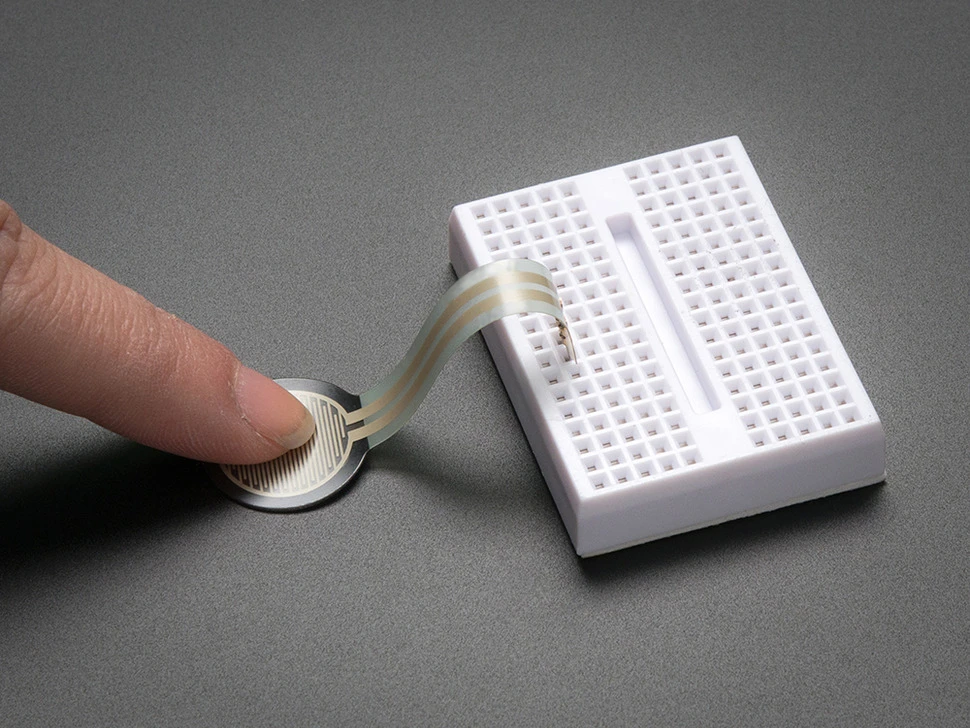
Many brands sell force sensing resistors in 2026. Makers pick these brands because they work well for many projects. You can find force sensitive resistor products from SOUSHINE, Interlink Electronics, Tekscan, Butler Technologies, IEE, SparkFun Electronics, Sytek, Kitronyx, Sensitronics, and Ohmite Manufacturing. Each brand has something special to offer. SOUSHINE is known for making quality and new products. Interlink Electronics and Tekscan are good at making sensitive and tough sensors. SparkFun and Adafruit make force sensitive resistors that are easy for students and beginners. FlexiForce and Butler Technologies make sensors for special uses. You can pick a brand that fits your project.
- SOUSHINE
- Interlink Electronics
- Tekscan
- Butler Technologies
- IEE
- SparkFun Electronics
- Sytek
- Kitronyx
- Sensitronics
- Ohmite Manufacturing
You can look at force sensitive resistor models from these brands to find what you need. Makers often choose force sensitive resistor products because of the brand’s good name and how well the sensor works.
Why Makers Trust These Models
You want force sensing resistors that are accurate and last long. Makers trust top force sensitive resistor models because they are sensitive, can measure many forces, and are strong. You can use these force sensor devices in robotics, cars, medical tools, and electronics. Makers like force sensitive resistors that can sense small changes and give good data. You need sensors that fit your project and work in many places.
Tip: When you pick force sensitive resistor products, look at how sensitive, accurate, and strong they are. These things help you get the best results.
Makers trust force sensing resistors from SOUSHINE, Interlink Electronics, and Tekscan because they are sensitive and easy to use. You can use these force sensor models in many ways. FlexiForce and SparkFun have force sensitive resistor products that are good for learning and testing. SOUSHINE’s force sensing resistors are used in cars, health care, and robots because they measure well and last a long time.
Here is a quick comparison of popular force sensor models:
| Brand | Sensitivity | Durability | Ease of Integration | Accuracy |
|---|---|---|---|---|
| Interlink | High | High | Easy | 5% |
| FlexiForce | Moderate | Moderate | Easy | Varies |
| Tekscan | High | High | Moderate | High |
| Ezweiji | Moderate | Low | Easy | Varies |
| SOUSHINE | High | High | Easy | 5% |
You can see SOUSHINE and Interlink are both sensitive and strong. Tekscan is very accurate and works well. FlexiForce and SparkFun are easy to use for learning and testing. You should pick force sensitive resistor models that fit your needs for sensitivity, accuracy, and strength. You can trust these top force sensing resistors to work well in many projects.
Force Sensing Resistors Model Reviews
SOUSHINE Force Sensing Resistor
Performance
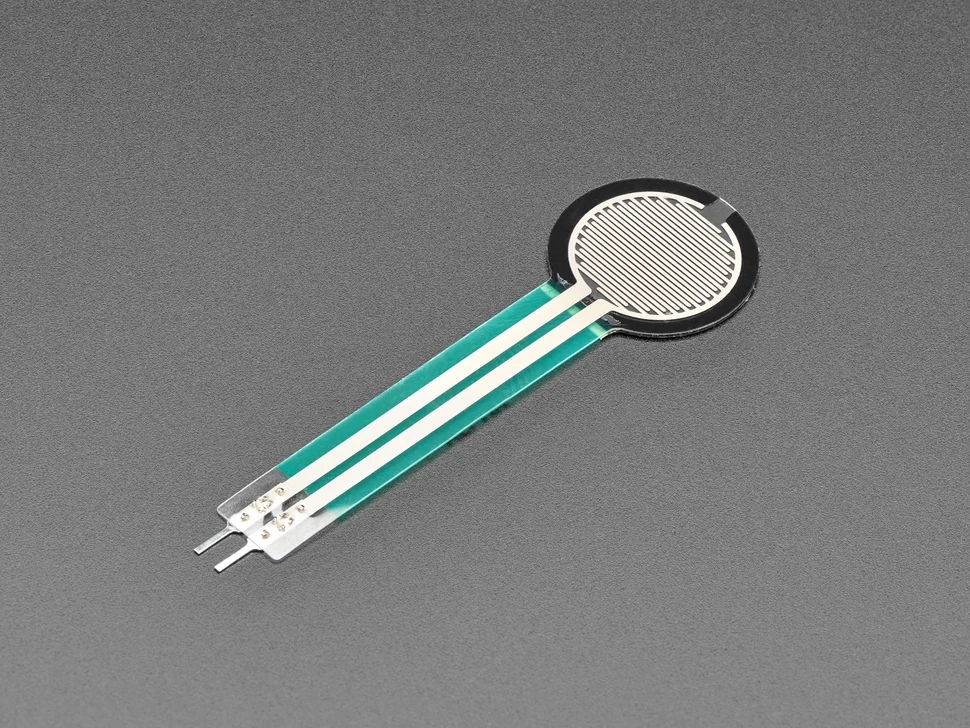
SOUSHINE force sensing resistors work well and are reliable. These sensors react fast when force changes. They have two thin film layers stuck together with glue. One layer has resistive material, and the other has the circuit. This design lets you measure forces from 0.2N to over 20N. You can use these sensors in cars and medical devices. They work well in many places. The sensors keep giving the same results, even after millions of presses. You can use them in projects that need quick and correct force readings.
Sensitivity & Accuracy
SOUSHINE force sensing resistors are very sensitive and accurate. The ribbed surface helps the sensor feel small pressure changes. You can measure both light and heavy forces well. The sensors give correct readings, with about 5% accuracy. This means you can trust the data for robots, health checks, or smart gadgets. The soft silicone body lets the sensor bend and fit on curved surfaces. You get good results in many uses.
Durability
You want sensors that last a long time. SOUSHINE force sensing resistors have a strong silicone body. This body does not wear out fast. The sensors keep working after millions of presses. They work in hot or cold places, from -30°C to +70°C. The wires have insulation to protect the sensor. You can trust these sensors for long projects.
Price
SOUSHINE sells force sensing resistors at a good price. You get high quality without spending a lot. The design saves money, so you can buy many for big projects. You can also ask for special shapes and sizes. This helps you stay on budget.
Application Fit
You can use SOUSHINE force sensing resistors in many areas. They work in cars, sports gear, health monitors, and medical tools. The sensors fit in robots, smart gadgets, and factories. You can pick different shapes and sizes for your project. The table below shows some features and benefits:
| Feature | Specification | Benefit |
|---|---|---|
| Flexibility | Durable silicone body | Bends to fit odd shapes |
| Ribbed Surface | Enhanced sensitivity | Measures pressure and force well |
| Electrical Leads | Insulated metal leads | Easy to connect to circuits |
| Certification | EPR_Germany_Packing | Follows world standards |
| Application | Omnipolar switch | Can be used in many ways |
Tip: You can ask SOUSHINE for custom force sensing resistors if you have special needs.
Interlink FSR 402
Performance
You see the Interlink FSR 402 in many projects. This sensor is thin and gives an analog signal. You can measure forces from 0.2N to 20N. The sensor reacts in less than 10 milliseconds. You get fast feedback. Many people use this sensor in wearables and robots. It works well and is easy to use.
Sensitivity & Accuracy
The Interlink FSR 402 is sensitive. It can feel small forces, starting at 20 grams. The sensor repeats force readings with about ±2% accuracy. You get steady results. This helps in sports gear and biofeedback systems. The analog signal lets you see force changes smoothly.
Durability
You want a sensor that lasts long. The FSR 402 can be used many times and does not break easily. It keeps working after a lot of use. After 35 days with a 1kg load, it changes less than 5%. The sensor works in cold and hot places, from -40°C to +85°C. Many people use this sensor in wearables because it is tough.
Price
The Interlink FSR 402 is a good deal. You get a strong sensor for a low price. The simple design keeps the cost down. Students, hobbyists, and engineers like it. You can use it in test projects or finished products without spending much.
Application Fit
You can use the FSR 402 in many projects. It fits well in wearables, robots, and medical tools. The sensor is thin, only 0.4mm, so it fits in small spaces. You can use it for grip checks, pressure maps, or dental biofeedback. The table below shows important details:
| Feature/Specification | Details |
|---|---|
| Output signal | Analog |
| Pressure induction range | 20g-6kg |
| Thickness | 0.4mm |
| Response time | <10ms |
| Force repeatability | ±2% (single part) |
| Operating temperature | -40°C to +85°C |
Note: Many scientists use the FSR 402 to study muscle moves and grip strength.
FlexiForce Sensors
Performance
FlexiForce sensors work well for many force tasks. These sensors are thin and light. You can use them in small spaces. They measure forces from less than 1 pound to 1000 pounds. The sensors react fast and work in simple or hard projects. You can trust them for sports, medical, and factory tests.
Sensitivity & Accuracy
FlexiForce sensors are sensitive and accurate. They measure small and big forces well. Tests show these sensors work for tracking sports and rehab moves. You should put the sensor in the same spot each time for best results. The sensors give steady data. This helps you compare results between models.
Durability
FlexiForce sensors have strong polyester layers. You can press and bend them many times. They do not break easily. Tests show the sensors last for one million presses, even in hard use. After 10,000 presses, they still work well. You can use them in devices that need to measure force for a long time.
Price
FlexiForce sensors cost a medium amount. They are more expensive than basic sensors but have more features. The sensors use little power, which saves battery money. You get good value for advanced projects.
Application Fit
You can use FlexiForce sensors in medical tools, health monitors, rehab gear, and test machines. The sensors work well in battery gadgets because they use little energy. You can connect them to circuits easily. The table below shows main features:
| Feature/Specification | Description |
|---|---|
| Thickness and Weight | Thin and light, fits small spaces |
| Power Consumption | Very low, good for battery devices |
| Force Measurement Range | <1 lb to 1000 lbs |
| Durability | Handles pressing and bending |
| Applications | Medical, health, rehab, test equipment |
Tip: Use FlexiForce sensors when you need to measure force in small or portable devices.
SparkFun SEN-09673
Performance
The SparkFun SEN-09673 is simple to use. It works in many projects. This force sensor reacts fast to pressure changes. You can measure light touches or harder presses. It is good for basic touch and force tests. The sensor is small, so it fits in tight spots. You can connect it to a breadboard easily. Many students and hobbyists use this sensor to learn about force sensing resistors.
| Feature | Specification |
|---|---|
| Active Sensing Area | 0.16″ (4 mm) diameter |
| Resistance (no pressure) | > 1MΩ |
| Resistance (full pressure) | 2.5kΩ |
| Overall Length | 1.75″ |
| Overall Width | 0.28″ |
| Sensing Area | 0.3″ |
| Actuation Force | as low as 2 grams |
| Force Sensitivity Range | 0.1N – 10N |
| Breadboard Friendly Pins | 0.1″ pitch |
Sensitivity & Accuracy
This sensor can feel very light touches. It starts working at just 2 grams of force. You get an analog signal, so you see how much force you use. The accuracy is fine for simple projects. It is not for exact weight checks. Readings may change a little from sensor to sensor. You will notice this if you use many sensors together. For most force sensor jobs, the SparkFun SEN-09673 is accurate enough.
Durability
You can use this sensor many times. It does not break easily. The thin shape makes it bendable for your project. It does not wear out fast with normal use. Do not bend it sharply or hit it hard. This keeps it working well. Makers use this sensor in test models and classroom work because it lasts through lots of tries.
Price
The SparkFun SEN-09673 costs less than many other sensors. You can buy a few for group work or experiments. The low price is good for students and beginners. You do not need to spend much to try new ideas with this sensor.
Application Fit
You can use the SparkFun SEN-09673 in many ways. It works in touch devices, simple robots, and art projects. The small size and easy pins help you add it to circuits. You can make pressure pads, music tools, or smart toys. If you want to learn about force sensing resistors or test ideas, this sensor is a good start.
Tip: If you need a force sensor for a science fair or class demo, the SparkFun SEN-09673 is a smart choice.
Adafruit FSR Series
Performance
The Adafruit FSR Series is easy to use and quick to set up. These force sensitive resistor products are good for touch and simple force tests. The sensors come in many shapes and sizes. You can pick one that fits your project. They react fast, usually in less than 1 millisecond. You can use them in displays, music projects, or simple robots.
| Feature | Specification |
|---|---|
| Length | 60.4mm / 2.37in |
| Width | 18.33mm / 0.72in |
| Thickness | 0.56mm / 0.02in |
| Weight | 0.9g / 0.03oz |
| Force sensitivity range | 30g~1000g (0.3N~10N) |
| Force Resolution | Continuous (Analog) |
| Stand-off resistance | >20MΩ |
| Force repeatability | 2% (single part), 10% (part to part) |
| Response time | <1ms |
| Life cycle | > 5 Million |
| Operating temperature | -30°C to +85°C |
Sensitivity & Accuracy
You can measure many forces with the Adafruit FSR Series. The sensors start at about 30 grams and go up to 1000 grams. You get a smooth analog output to see small pressure changes. The accuracy is fine for most uses. Readings can change by about 10% from sensor to sensor. These sensors are not for exact weight checks. For most projects, they give enough data to track touch and pressure.
- The Adafruit FSR Series is cheap and simple to use.
- You may see some changes in readings between sensors.
- These sensors are not for exact measurements, but they are good for touch and general force.
Durability
You can use these sensors for a long time. They last for more than 5 million presses. They work in hot and cold places, from -30°C to +85°C. The thin and light shape lets you fit them in many devices. Do not fold or cut the sensors. This keeps them working well. Makers use these sensors in things that need lots of presses, like game controllers or smart mats.
Price
The Adafruit FSR Series is not expensive. These force sensitive resistor products cost less than many other sensors. You can buy packs for class or group work. The low price makes them popular for students, teachers, and hobbyists. You can try new ideas without spending a lot.
Application Fit
You can use the Adafruit FSR Series in many projects. The sensors work in music tools, art, and simple robots. You can also use them in smart clothes or pressure mats. The many shapes and sizes help you match the sensor to your design. If you want to learn about force sensing resistors or build something fun, these sensors are a great pick.
Note: If you need a force sensor for a creative project or a learning kit, the Adafruit FSR Series gives you lots of choices and good value.
Force Sensitive Resistor Comparison Table
Features & Specs
You might wonder what makes each force sensor special. Force sensing resistors come in many shapes and sizes. Some are thin and bendy. Others are thick and stiff. You can find force sensitive resistor products for small or big spaces. Many force sensor models are easy to use with breadboards and circuits. Some brands, like SOUSHINE, let you pick the shape and size you want for your project.
Here is a quick look at the main features and specs of popular force sensitive resistor products:
| Model | Thickness | Sensing Area | Customization | Integration | Application Fit |
|---|---|---|---|---|---|
| SOUSHINE | 0.45 mm | Customizable | Yes | Easy | Automotive, Medical |
| Interlink 402 | 0.4 mm | 12.7 mm | Limited | Easy | Wearables, Robotics |
| FlexiForce | 0.2 mm | 9.53 mm | Yes | Easy | Medical, Testing |
| SparkFun | 0.5 mm | 4 mm | No | Easy | Education, Prototyping |
| Adafruit FSR | 0.56 mm | 18.33 mm | No | Easy | Art, DIY, Music |
Tip: Pick force sensing resistors that fit your project’s size and how you want to use them.
Sensitivity & Accuracy
How well a force sensor works depends on how it senses small changes and how correct the numbers are. You want force sensitive resistor products that give you good data. SOUSHINE force sensing resistors are very sensitive and accurate. Interlink sensors also feel small forces and work for many projects. FlexiForce sensors are okay for less tricky jobs. Some simple models, like Ezweiji, are not as sensitive but cost less.
Here is a force sensitive resistor comparison for sensitivity and accuracy:
| Brand | Sensitivity | Accuracy | Notes |
|---|---|---|---|
| SOUSHINE | High, detects small changes | Good, suitable for precise work | Reliable and durable for many applications |
| Interlink | High | Reliable, needs calibration | Popular for reliable projects |
| FlexiForce | Moderate | Moderate precision | Best for simple applications |
| Ezweiji | Lower | Basic accuracy | Good for simple, affordable projects |
You can see SOUSHINE and Interlink are best for sensitivity and accuracy. These force sensor models help you get good results in robots, cars, and medical tools.
Durability & Longevity
You need force sensing resistors that last a long time. Durability is important for real-world devices. Most top force sensor models can handle millions of presses and still work. SOUSHINE force sensitive resistor products use strong materials and pass tough tests. Interlink and FlexiForce sensors also last a long time in lab tests.
Here is a table showing how long these force sensor models last:
| Sensor Model | Test Load | Actuations | Linearity Error | Sensitivity Change |
|---|---|---|---|---|
| SOUSHINE | 2.3 kg | 1,000,000+ | < ±3% | Minimal |
| Interlink | 2.3 kg | 1,000,000 | < ±3% | Minimal |
| FlexiForce | 2.3 kg | 1,000,000 | < ±3% | Minimal |
You can trust these force sensitive resistor products for long projects. They keep working even after lots of use. SOUSHINE is known for strong build and careful checks.
Note: Always look at the force sensitive resistor price and how long it lasts before you buy. This helps you get the best deal for your project.
Price & Value
When you choose force sensing resistors, you want to know how much you pay and what you get for your money. Price matters, but value means more than just cost. You should look at how long the sensor lasts, how well it works, and if it fits your project. Some force sensitive resistors cost less, but they may not last as long or work as well. Others cost more, but they give you better results and save you money over time.
Here is a table that shows the price and value for popular force sensing resistors:
| Model | Average Price (USD) | Value for Money | Customization | Support Options |
|---|---|---|---|---|
| SOUSHINE | $4 – $8 | High | Yes | Email, Phone, Visit |
| Interlink 402 | $5 – $7 | Good | Limited | |
| FlexiForce | $8 – $15 | Moderate | Yes | Email, Phone |
| SparkFun | $3 – $5 | Good for learning | No | Online Forum |
| Adafruit FSR | $3 – $6 | Good for DIY | No | Online Forum |
You see SOUSHINE offers force sensing resistors at a fair price. You get high quality and strong sensors. You can ask for special shapes and sizes. You also get help by email, phone, or even a visit. This support helps you solve problems and finish your project faster.
Interlink 402 gives you good value for most projects. You pay a little less, but you get a sensor that works well and lasts long. FlexiForce costs more, but you get extra features and more choices for your design. SparkFun and Adafruit FSR cost less, so you can buy more for group work or learning. These sensors work well for simple projects and experiments.
When you look at price, think about how many sensors you need. If you build a big project, you want sensors that last and work every time. SOUSHINE force sensing resistors help you save money because you do not need to replace them often. You also get help if you have questions. This makes your project easier and better.
Tip: You should not pick a sensor just because it costs less. You should look at the value you get. A sensor that lasts longer and gives better data helps you save money in the long run.
You can see force sensitive resistors from SOUSHINE give you strong value. You get good support, custom options, and sensors that work in many places. You make a smart choice when you pick sensors that fit your needs and budget.
Recommendations for Makers
Best Overall Model
You need a sensor that works in lots of ways. SOUSHINE’s force sensing resistors are picked as the best by many people. You can use these sensors in cars, health tools, and smart devices. They bend to fit many shapes and keep working after lots of use. SOUSHINE gives strong help if you have questions. These sensors give you good data and last a long time.
- The design is flexible for many projects.
- They work well in cars and health tools.
- You get good help with tech questions.
- The materials are strong and last long.
- Experts and makers trust these sensors.
Tip: Pick SOUSHINE’s force sensing resistors if you want a sensor that works in many places and gives you less worry.
Best Value Model
You might want a sensor that saves money and still works. You can make force sensitive resistors with pencils and silicone sealant. These homemade sensors work almost as well as store ones. You can use them in wearables and robots without spending much. The table below shows why these sensors are a good deal:
| Key Findings | Description |
|---|---|
| Cost-Effective Method | Make sensors fast and save money. |
| Material Composition | Use 4B and 9B pencils with silicone sealant to copy sensor parts. |
| Performance Comparison | Homemade sensors work almost like store-bought ones. |
| Application Suitability | Use these sensors in wearables and robots. |
You can build these sensors for school or science projects. They help you learn about force sensing without spending a lot.
Note: Try making your own sensors with simple stuff and test them in different projects.
Best for Robotics
Robots need sensors that react fast and measure force well. The FSR FA201 model is great for robot grip and other jobs. You can use this sensor to help robots pick up things and feel pressure. The table below shows the main features of this sensor:
| Feature | Details |
|---|---|
| Model | FSR FA201 |
| Dimension | 10.36mm x 14mm |
| Sensing Dimension | 9.53mm |
| Force Measuring Range | 100g to 10KG |
| Thickness | ≤0.3mm |
| Force Repeatability | ±2.5% |
| Off Resistance | 2MΩ |
| Hysteresis | 10% average |
| Response Time | Less than 1 ms |
| Working Temperature | -30℃ to 60℃ |
| Applications | Robotic grip sensing |
You can trust this sensor for fast and correct results in robots. It fits in small spaces and works in many places.
Tip: Use sensors like the FSR FA201 to help robots feel grip and pressure right away.
Best for Wearables
You need sensors that fit in small, bendy gadgets. Wearable tech uses force sensing resistors that move with your body. These sensors help check movement, measure pressure, and make things comfy. You can put them in smart clothes, fitness bands, and health trackers. SOUSHINE has force sensing resistors that are great for wearables. The sensors are thin and can bend easily. They fit inside shoes, wristbands, and sports gear. The sensors notice force changes when you walk or run. You can trust the numbers because the sensors react fast and stay correct. Many makers pick SOUSHINE for wearable gadgets. You can get sensors in special shapes and sizes. The sensors last a long time and work after lots of bending. You can hook them up to small circuits and batteries. This lets you make smart gadgets that watch your moves.
Tip: Pick force sensing resistors that fit your wearable’s shape. Bendy sensors feel better and give you good data.
Best for Education
You want easy sensors for learning and teaching. Force sensitive resistors help students learn about pressure and force. You can use them in science labs, class kits, and hands-on projects. SparkFun and Adafruit make force sensitive resistors that are simple to use. The sensors connect to breadboards and microcontrollers. Students can see how pressing the sensor changes the numbers. This helps them learn about electronics and science. SOUSHINE also has force sensing resistors for schools. The sensors last long and give clear results. Teachers use them in labs and workshops. You can build easy circuits and test how force changes resistance.
- Simple to connect
- Strong for many uses
- Good for group work
Note: Use force sensing resistors in class projects to make learning about force and pressure fun.
Best for Automotive
You need sensors that work in cars and trucks. Cars need force sensing resistors that can handle tough jobs. These sensors help with seat checks, airbags, and pressure tests. SOUSHINE makes force sensing resistors for cars. The sensors work in hot and cold weather. They last through lots of presses and give quick, correct numbers. You can use them in seats, steering wheels, and brakes.
The table below shows what to look for in car force sensing resistors:
| Specification | Details |
|---|---|
| Force Sensitivity Range | Feels forces from 0.2N to 20N or more |
| Operating Voltage | 1V to 5V, works with microcontrollers |
| Response Time | Fast, gives real-time feedback |
| Durability | Handles millions of presses |
| Linearity | Not straight, can be fixed for accuracy |
| Operating Temperature Range | -30°C to +70°C |
| Thickness and Flexibility | 0.2mm to 1mm thick |
| Resistance Range | Goes from megaohms to hundreds of ohms |
| Actuation Force | Needs at least 20 grams to work |
| Repeatability and Drift | Stays steady, about ±2% to ±5% |
You can trust SOUSHINE force sensing resistors in car projects. The sensors meet car rules and work with many car parts. You get good results and help from SOUSHINE.
Tip: Pick force sensing resistors that fit your car’s needs. Look for sensors that last long and give quick, correct feedback.
Best for Medical Devices
You want medical devices to be safe and give correct results. Force sensing resistors help you reach these goals. You can use force sensitive resistors in many medical tools. These sensors measure pressure and force. This makes devices smarter and easier to use.
Custom-made force sensing resistors fit special medical needs. You can ask for sensors that match your device’s shape and size. This helps your project work better. Thin-film pressure sensors are good for micro-needle drug-delivery devices. These sensors help doctors give medicine with tiny needles. The sensors check if the needle works right. They warn you if there is a problem.
Force sensing resistors are also in CPR assistive devices. These sensors measure how hard you press during chest pushes. You get feedback to help you do safe and strong CPR. This helps patients get better care.
IoT-enabled medical devices use force sensitive resistors to watch patient health. These sensors track how much force or pressure a patient uses. You can send this data to doctors. This helps doctors check medicine use and health from far away.
Here are some ways force sensing resistors help in medical devices:
- Micro-needle drug-delivery devices: Sensors help you use needles right and spot problems.
- CPR assistive devices: Sensors measure how hard you press and guide you in emergencies.
- IoT-enabled medical devices: Sensors watch patient health and send updates to doctors.
You can pick from different force sensing resistors for medical devices. Some sensors use medical-grade silicone to keep things safe. Others have high-density pressure detection for more details. You can choose a sensor that fits your budget and project.
| Product Name | Price Range | Key Attributes |
|---|---|---|
| FSR400 Intelligent Force-Sensitive Resistor | $4.20–$5 | ±3% linearity, medical-grade silicone |
| High density pressure detection sensor array | $135–$230 | 256-point matrix, 0.1mm resolution |
| Custom-made Thin-film Pressure Sensors | $60–$100 | Shape-customizable, automotive |
You get many good things when you use force sensing resistors in medical devices. The sensors give fast and correct feedback. You can make devices safer and easier to use. You also help doctors and nurses do their jobs better.
Tip: Pick force sensing resistors that fit your medical device’s needs. Custom shapes and sizes help you get the best results.
If you want strong support and high-quality sensors, look at SOUSHINE’s force sensing resistors. SOUSHINE gives custom solutions and tests every sensor for safety and accuracy. You get help from experts who know about medical devices. You can trust these sensors in hospitals, clinics, and home care.
You can make your medical device smarter and safer with the right force sensing resistors. Choose sensors that fit your project and help you reach your goals.
How to Choose Force Sensing Resistors
Key Selection Criteria
You need to pick the best force sensing resistors for your project. First, look at what matters most. The sensor’s size should fit the spot where you want to measure force. Make sure the force range matches how much weight you expect. Hot or cold weather can change how the sensor works. Check if your project will be in extreme temperatures. You can use covers like silicone or fabric to keep the sensor safe from dirt and damage.
| Selection Criteria | Description |
|---|---|
| Size | Pick a sensor that fits your project’s load area. |
| Force Range | Get a sensor with the right force rating for your needs. |
| Temperature Effects | Think about how heat or cold can change the sensor’s readings. |
| Protective Measures | Use covers to protect the sensor from dirt and damage. |
Tip: Always read the sensor’s details before you buy. This helps you avoid problems later.
Matching Model to Project
You must choose force sensing resistors that fit your project. Look at the sensor’s shape and size. Some projects need thin and bendy sensors. Others need stiff ones. Check how much pressure starts the sensor. The measurement range tells you how much force the sensor can handle. Resistance change shows how the sensor reacts to different pressures. Softness matters for how the sensor fits in your design. If your project gets hot or cold, check the working temperature. The way you install the sensor and the connector type help you set it up.
| Specification | Description |
|---|---|
| Shape and size | Look at the sensor’s size, shape, and wire length. |
| Trigger force | Find out the smallest force that turns on the sensor. |
| Measurement range | See how much force the sensor can measure well. |
| Resistance change | Check how the resistance changes with pressure. |
| Product softness | Decide if you need a soft or hard sensor. |
| Working temperature | Make sure the sensor works in your project’s temperature. |
| Installation method | Choose how you will attach the sensor, like with glue or screws. |
| Connector type | Pick the connector that fits your circuit, like pins or FPC. |
Note: Picking the right sensor model helps your device work better and last longer.
Tips for First-Time Buyers
If you are new to buying force sensing resistors, follow these tips. Look for certification labels or ask for proof. Certified sensors last longer and work better. Check what kind of help you get before you buy. Good support can save you time and fix problems. Ask about shipping costs and how long delivery takes. You might get a discount if you order a lot. Read reviews from other people. Real feedback helps you choose the right sensor. Make sure the sensor’s sensitivity and range fit your project. Double-check your measurements before you order. If you need a special sensor, SOUSHINE can make custom ones. Good integration means your sensor works right away.
- Look for certification or proof.
- Check support options before you buy.
- Ask about shipping costs and delivery times.
- Read reviews from other users.
- Match the sensor’s sensitivity and range to your project.
- Double-check your measurements before you order.
- Ask about custom sensors if you need them.
- Make sure the sensor works well with your system.
😊 You make a smart choice when you follow these tips. The right force sensing resistors help your project do well.
There are lots of force sensing resistors you can pick from. The table below helps you see how the top models are different:
| Model | Sensitivity | Applications | Cost |
|---|---|---|---|
| SOUSHINE | Very High | Cars, Health Tools, Robots | Moderate |
| FlexiForce | High | Medical Tools, DIY Projects | Affordable |
| Interlink | Medium | Wearables, Smart Gadgets | Moderate |
| Ezweiji | Low | Easy Projects, School Science | Low |
Pick a force sensing resistor that works for your project. Always look at how sensitive it is, how much it costs, and if it fits. SOUSHINE is known for making great and new force sensing resistors. You also get good help and can ask for special designs. Try SOUSHINE and other brands to find the best force sensing resistor for what you want to build.
FAQ
What is a force sensing resistor (FSR)?
A force sensing resistor measures force or pressure. You see the resistance change when you press on it. You use FSRs in robots, cars, and medical devices.
How do you connect a force sensing resistor to a circuit?
You connect one end to power and the other to ground. You add a resistor in series. You read the voltage change with a microcontroller.
Where can you use SOUSHINE force sensing resistors?
You use SOUSHINE FSRs in automotive, health, sports, and medical devices. You also use them in robotics and smart gadgets.
Can you customize the shape or size of an FSR?
You can ask SOUSHINE for custom shapes and sizes. This helps you fit the sensor into your project.
How long does a force sensing resistor last?
You get millions of presses from a quality FSR. SOUSHINE sensors last a long time because they use strong materials.
What is the price range for force sensing resistors?
You pay $3 to $15 for most FSRs. SOUSHINE offers good value and support for your budget.
How do you choose the right FSR for your project?
You check the force range, size, and application. You look at sensitivity and durability. You ask for help if you need advice.
Do you need special tools to install an FSR?
You do not need special tools. You use glue, tape, or screws. You connect wires to your circuit.