

Call us: +86-137-2353-4866


You can measure pressure in many places, like factories and labs. Picking the right tool is important. A force sensing resistor gives you good results, even in hard situations. More than 68% of factories use differential pressure-based tools to measure levels. If you measure pressure wrong, you might waste materials, lose time, or break rules.
| Impact Type | Description |
|---|---|
| Wasted Materials | Using too many materials costs more and wastes resources. |
| Increased Downtime | Mistakes slow down work and mess up plans. |
| Compliance Penalties | Not following rules brings fines and extra costs. |
You may have problems like changes in temperature, shaking, or chemicals. If you use best practices and check your tools, you can measure pressure well with force sensing and pressure measurement tools.
Table of Contents
Key Takeaways
- Measuring pressure correctly is very important. It helps stop waste, saves time, and keeps people safe in many places.
- There are different kinds of pressure like gauge, absolute, and differential. Knowing these types helps you pick the right tool.
- Pressure is measured in units such as Pascal, psi, and atm. Always check which unit your tool uses so you do not make mistakes.
- Calibration is needed for good readings. Calibrate your tools often to keep them accurate and to trust your data.
- Things like temperature, humidity, and vibration can change your results. Pick sensors that work well for your environment.
- Force Sensing Resistors (FSRs) are strong and bendy. They fit in small spaces and tough places.
- Always get your site and tools ready before you measure. A good setup gives better results and fewer mistakes.
- Write down your pressure data every time. Keeping records helps you spot patterns and problems early.
Pressure Measurement Fundamentals
What Is Pressure?
You see pressure in your daily life. Pressure is force on a surface, divided by its area. If you push your hand on a table, you use force over an area. This makes pressure. In science and engineering, measuring pressure is important. It helps you understand how things work. Pressure measurement lets you control machines. It helps you watch the weather. It keeps people safe. You use pressure measurement in many jobs. Metrology is the science of measurement.
Types of Pressure
There are different ways to measure pressure in labs and factories. Each way has its own job. Knowing these helps you pick the right tool.
| Type of Pressure | Definition | Application |
|---|---|---|
| Gauge Pressure | Pressure compared to air pressure around us. | Used a lot in factories. |
| Absolute Pressure | Pressure measured from a perfect vacuum. | Needed for science work. |
| Differential Pressure | The difference between two pressures. | Used in many factory jobs. |
You might hear about atmospheric pressure and vacuum pressure too. Atmospheric pressure is the air pressing on you. Vacuum pressure is less than atmospheric pressure. When you measure pressure, you must know the type. Picking the right type helps you get good results.
Pressure Units
Pressure is measured in different units. The unit depends on your job and where you live. The most used units are:
- Pascal (Pa)
- Atmosphere (atm)
- Bar
- Millimeter of mercury (mmHg)
- Pounds per square inch (psi)
Pascal is the main unit for scientists and engineers. Some places use pounds per square inch or bar. Always check what unit your tool uses. This helps you avoid mistakes. It keeps your measurements correct.
Now you know the basics of pressure. You learned about types of pressure and main units. This helps you measure pressure the right way anywhere.
Why Accuracy Matters
You must trust your measurements when working with pressure. Accuracy helps you make good choices. If you measure wrong, big problems can happen. You might waste materials or break equipment. People could get hurt if mistakes happen. Small errors can cause big losses in many jobs.
When you use pressure measurement tools, you want results you can trust. If your readings are wrong, you may miss leaks or changes. This can make machines break or stop working. Sometimes, you might not follow safety rules. That can mean fines or shutting down your work.
Tip: Always check your instruments before using them. A quick check can help you avoid expensive mistakes.
You need accuracy for quality control too. Many products need exact pressure to be made right. If you do not keep the right pressure, products may not work. For example, wrong pressure can ruin food in factories. In healthcare, small mistakes can hurt patients.
Here are reasons why accuracy is important:
- Safety: Good readings help you find problems early. You can fix things before they get dangerous.
- Efficiency: Measuring pressure right saves resources and money. You avoid waste and keep costs low.
- Compliance: Many jobs have rules for pressure measurement. Accurate data helps you follow these rules.
- Quality: Products made with the right pressure last longer and work better.
Accuracy matters in every part of your work. It changes how you plan, run, and check your systems. If you want to do better, start by making sure your measurements are right.
Pressure measurement is more than just numbers. It helps keep your work safe, efficient, and reliable. When you focus on accuracy, you can trust your results. You also protect your team and your business.
Even small mistakes can grow over time. Take time to check your tools and use best practices. You will get better results and have fewer problems.
Instrument Selection for Measuring Pressure
Pressure Sensors and Gauges
You have to pick the right pressure gauge or pressure sensor for your work. These tools help you check pressure in many places like factories and labs. Pressure gauges are common in labs and controlled rooms. Pressure sensors give digital numbers and work with machines. Gauges show the pressure on a dial or screen. Sensors send the data to computers or controllers. You use these tools for industrial pressure measurement and pressure measurement instrumentation.
If you work in dangerous places, you need safe instruments. Look for labels like FM, CSA, or ATEX to stay safe and follow rules. Think about shaking, pulsing, and other hard conditions too. The right pressure gauge or pressure sensor gives you good results and keeps you safe.
- You need the best accuracy when measuring low-differential pressure.
- Pick tools that work well in controlled rooms.
- Make sure your gauge or sensor can handle shaking and danger.
Force Sensing Resistors (FSRs)
Force Sensing Resistors help you measure pressure in a flexible and reliable way. SOUSHINE’s FSRs let you check pressure in many controlled places. These sensors change resistance when you press on them. You get steady readings, not just on or off. You use FSRs in factories, cars, hospitals, and robots.
FSRs are good when you need a thin and bendy sensor. They fit in small spaces. They do not break easily from shock or bending. They cost less to make, so you save money. You use them in wearable gadgets, touch screens, and smart machines. SOUSHINE has FSRs in many shapes and sizes. You can get them made for your project.
| Feature | Force Sensing Resistors (FSRs) | Diaphragm Gauges |
|---|---|---|
| Form Factor | Ultra-thin and flexible | Rigid and bulkier |
| Accuracy | Suitable for relative changes | Extremely accurate |
| Durability | Resistant to shock and bending | Sensitive to conditions |
| Cost-effectiveness | Low manufacturing cost | Higher due to complexity |
| Applications | Wearable devices, robotics | Industrial weighing, medical equipment |
Pick FSRs if you need a sensor that fits your design and works in tough places. You get good pressure readings and save money.
Diaphragm and Differential Gauges
Diaphragm gauges and differential gauges help you measure pressure very accurately in factories. Diaphragm gauges are used in controlled rooms and medical tools. You see them where accuracy is very important. Differential gauges show the difference between two pressures. You use them to check flow and filter status in factories.
Diaphragm gauges are stiff and give very exact numbers. You must keep them safe from shock and rough conditions. Use cooling parts, armored tubes, or pigtail steam syphons to protect them in hot places. These tools cool things down and keep your gauge safe.
- Pigtail steam syphon keeps your gauge safe from hot steam.
- Armored capillary tube lets you check pressure from far away.
- Cooling element makes the system fluid cooler.
- Cooling tower helps in very hot places.
- Long pipe is good for custom setups.
Match your gauge or transducer to your work area. You get better results when you use the right tool. You can measure pressure with confidence anywhere.
Matching Instruments to Environments
You need to match your instrument to the place where you measure pressure. Each environment has its own needs. If you pick the wrong tool, your results may not be correct. You want to get the best data every time.
Key factors to consider:
- Temperature: Some sensors work well in hot or cold places. Others may stop working if the temperature changes too much.
- Humidity: Water or moisture can damage some instruments. Pick a tool that can handle wet or damp areas.
- Vibration: Machines and equipment often shake. Choose a sensor that can resist vibration if you work near moving parts.
- Contaminants: Dust, chemicals, or oil can affect your readings. Use a sensor with a sealed case in dirty or harsh places.
| Environment | Best Instrument Type | Why It Works Well |
|---|---|---|
| Clean Lab | Diaphragm Gauge | Gives high accuracy |
| Factory Floor | Force Sensing Resistor (FSR) | Handles shock and bending |
| Outdoor/Field | Sealed Pressure Sensor | Resists water and dust |
| High Vibration | FSR or Rugged Sensor | Keeps working when things shake |
| Medical Setting | Diaphragm Gauge or FSR | Safe and reliable for patients |
You measure pressure in many places. In a clean lab, you want a diaphragm gauge for the best accuracy. On a busy factory floor, you need a sensor that can take hits and keep working. SOUSHINE’s FSRs fit well in these spots. They bend, flex, and keep giving you good data. If you work outside, pick a sealed sensor to block out water and dirt.
Tip: Always check the environment before you measure pressure. The right tool makes your job easier and your results better.
You may need to measure pressure in a medical device. Pick a sensor that is safe for people and easy to clean. In places with a lot of shaking, use an FSR or a rugged sensor. These keep working even when things move.
Pressure measurement depends on matching your tool to your environment. If you do this, you get results you can trust. You also protect your equipment and keep your work safe.
Environmental Factors and Accurate Pressure Measurements
Temperature Effects
You need to pay attention to temperature changes. Temperature can change how your sensor works. When it gets hotter, the resistance inside the sensor changes. This can make your readings less correct. The sensor material can also get thicker or thinner with heat. This affects your results. You might see mistakes like zero offset or span error. These happen because the sensor reacts to heat.
- High temperatures can cause big mistakes if you skip temperature compensation.
- The stuff you measure and the air around the sensor both matter.
- If the sensor gets hot for a long time, it can get damaged and not work well.
- The parts inside your instrument can change when it gets hot. This includes wires and cables.
- If it gets hotter than 150 ℃, the parts can get loose. This can break the sensor.
You should use temperature compensation to keep your readings right. Always check the temperature range before you measure. If you work where temperatures change a lot, pick a sensor that can handle it.
Tip: Keep your sensor away from things that make heat. This helps you avoid sudden jumps in temperature.
Humidity and Moisture
Humidity and moisture are important in environmental monitoring. When humidity changes, it can affect your pressure sensor. If the air gets wetter, the sensor may not work as well. When temperature goes up, humidity goes down. When temperature drops, humidity goes up. Changes in total pressure also change humidity. If pressure drops, humidity goes down. If pressure rises, humidity goes up until the air cannot hold more water.
Humidity can cause problems inside your sensor. Water can get in and mess up your readings. If cold air gets inside, it can change the temperature. This can make your readings wrong. You can stop this by sealing cable feedthroughs.
- Pressure differences between rooms or areas can cause wrong readings.
- Cold air can get inside and change the temperature.
- Sealing the cables helps keep water out.
You should always check for leaks and keep your sensor dry. In places with lots of humidity, use sensors made for wet conditions.
Altitude and Pressure Changes
Altitude changes can affect your pressure readings. When you go higher, atmospheric pressure drops. Your gauge will show a higher reading for the same absolute pressure. If you go lower, atmospheric pressure goes up. Your gauge will show a lower reading. You must set your gauge for the altitude where you work. This keeps your measurements right.
Atmospheric pressure changes quickly with altitude. If you move your equipment fast, air pressure can change instantly. You need to adjust your sensor for the new place. This is important for portable setups and for environmental monitoring in different places.
Note: Always reset your sensor when you change altitude. This helps you get the right data every time.
You face many challenges when measuring pressure. By learning about temperature, humidity, and altitude, you can make better choices. This helps you keep your data correct and your equipment safe.
Vibration and Contaminants
You face many challenges when you measure pressure in busy places. Machines shake and move. Dust, oil, and chemicals can get into your instruments. These problems can change your readings and make your data wrong.
Vibration comes from motors, pumps, and heavy equipment. When your sensor shakes, it may give numbers that jump or drift. You need to know how vibration affects your tools. Some sensors stop working if they shake too much. Others keep working but show errors.
You can use these steps to reduce vibration problems:
- Mount your sensor on a solid surface.
- Use shock absorbers or rubber pads under your instrument.
- Keep wires short and secure.
- Check your sensor often for loose parts.
Contaminants include dust, oil, water, and chemicals. These can block or damage your sensor. If dirt gets inside, your readings may change. Oil and chemicals can eat away at the sensor material. Water can cause rust or short circuits.
You can protect your sensor from contaminants by:
- Using sealed sensors or cases.
- Cleaning your instrument often.
- Keeping your work area clean.
- Checking for leaks or spills.
Tip: Always check your sensor before you start. Look for dirt, oil, or loose parts. Clean your instrument if you see anything wrong.
Some sensors work better in tough places. SOUSHINE’s Force Sensing Resistors (FSRs) handle vibration and bending. You can use FSRs in places where machines move or shake. FSRs keep working even if you bend or press them. They also resist dust and oil better than some other sensors.
Here is a table to help you choose the right sensor for your environment:
| Problem | Solution | Sensor Type |
|---|---|---|
| Vibration | Shock mounts, FSRs | Force Sensing Resistor |
| Dust | Sealed case, cleaning | Sealed Pressure Sensor |
| Oil/Chemicals | Protective coating | FSR, Rugged Sensor |
| Water | Waterproof sensor | Sealed Pressure Sensor |
You need to match your sensor to your work area. If you work near moving machines, pick a sensor that can handle shaking. If you work in a dirty place, use a sealed sensor. Clean your tools often to keep them working well.
You can get better results if you check your sensor and your work area before you measure. You keep your data correct and your equipment safe. You also save time and money by avoiding mistakes.
Calibration for Accurate Pressure
Importance of Calibration
You need to calibrate your pressure instruments for good results. Calibration checks if your sensor shows the right numbers. If you skip calibration, your readings can change over time. This can cause mistakes in your work. Accurate pressure measurements help keep your process safe and working well. Calibration lets you find problems early and fix them before they get worse.
Manufacturers tell you how often to calibrate pressure sensors. The time is usually between 90 and 365 days. The exact time depends on how you use your sensor and where you use it. You can find the right time in the product datasheet. Following these rules helps you keep your sensor working right.
Tip: Make a regular plan for calibration. This keeps your instruments working and your data correct.
Calibration Steps
You can use easy steps to calibrate your pressure sensor. First, get the right tools. You need a reference standard, your sensor, and something to write down results.
- Look at your sensor for damage or dirt.
- Hook up your sensor to the reference standard.
- Put in known pressure values and write down the readings.
- Check the sensor readings against the reference values.
- Fix your sensor if you see mistakes.
- Do the test again to make sure the fix worked.
- Write down the calibration date and results.
Always use clean tools and follow the maker’s instructions. If you work in an important area, stick to the right calibration time. This helps you keep your sensor working well.
Maintenance Best Practices
You can make your pressure instruments last longer with good care. Start by installing them the right way. Put your transmitter in a safe spot to protect it. Use impulse tubing and isolation valves to stop liquid buildup and keep things from getting too hot. Pick materials that match your job to avoid problems.
Think about how you mount your sensor. For gas, put the sensor above the process line. For liquid, put it below. Blow down the system sometimes to clear out solids. Regular calibration keeps your sensor working well.
- Put your sensor in the right place.
- Use impulse tubing and isolation valves.
- Pick the best materials for your job.
- Mount sensors for the type of fluid.
- Blow down the system to clean out solids.
- Calibrate your sensor often.
Note: Good care helps you get accurate pressure measurements and keeps your equipment working longer.
Step-by-Step Guide to Measuring Pressure
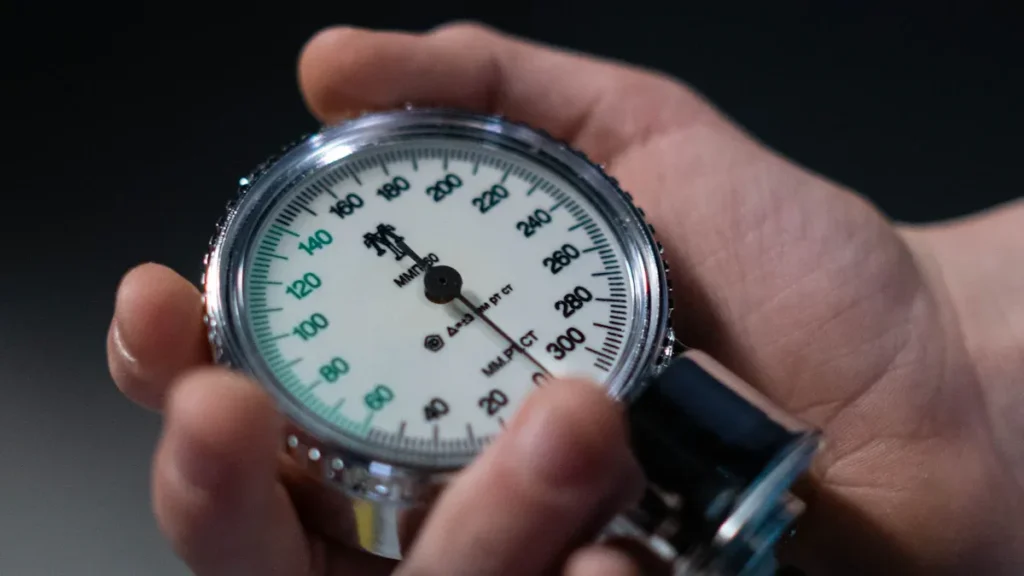
Site Preparation
Before you measure pressure, get the site ready. Good preparation helps you get correct results. Think about where you put your sensor. The environment can change your readings.
- Protect your pressure sensors from wind. Wind can make readings wrong.
- Put sensors far from buildings and walls. These can make wind pockets.
- Pick open places for your sensors. Rooftops, poles, or below-ground spots work well.
- Make sure nothing blocks air around your sensor.
- Keep sensors away from exhaust vents and flues. These can change pressure.
- Put the sensor inlet 2 to 7 meters above ground. This follows best practices.
- Space inlets at least 2 meters apart. Do not put them more than 4 meters from each other.
Tip: Look around for things that could mess up your readings. A clear site gives you better data.
Instrument Setup
Set up your pressure instruments the right way. This helps you avoid mistakes and keeps your tools working.
- Put gauges upright. This stops vibration and pressure spikes.
- Clean and check your gauges often. Look for damage.
- Make sure all connections are tight. This stops leaks.
- Pick a good spot and height for your instrument. Put it where air flows steady.
- Keep sensors out of direct sunlight. Sunlight can heat the sensor and change readings.
- Do not put sensors near heating or air conditioning outlets.
- Use pipe insulation for sample tubes in humid places.
- Run the sample line straight and vertical from inlet to unit.
- Test your setup after you install it. Make sure it works well.
- Follow U.S. EPA rules for placement and spacing. Keep obstacles at least twice their height away from the sensor.
Note: Always check your setup before you start. A good setup helps you get correct results.
Taking Readings
Follow clear steps when you measure pressure. This helps you get good data, even if things change.
| Step | Description |
|---|---|
| Use a reference standard | Use a deadweight tester or calibrator to check accuracy. |
| Ensure stable environment | Keep the area free from temperature changes and vibration. |
| Connect the gauge | Attach the gauge tight and check for leaks. |
| Apply known pressures | Increase pressure in steps: 0%, 25%, 50%, 75%, and 100% of the gauge’s range. |
| Adjust the gauge | If you see mistakes, fix them and test again. |
| Document results | Write down your readings and any changes you make. |
| Address environmental factors | Use covers or boxes to protect gauges from tough conditions. |
| Minimize human error | Use certified tools and make sure you know how to use them. |
Keep the area steady while you measure pressure. Changes in temperature and vibration can change your readings. Always use tight connections and check for leaks. If numbers look wrong, fix your gauge and test again. Write down all results and changes. This helps you find problems later.
Tip: Use covers for your gauges in tough places. This keeps your tools safe and your readings right.
Follow these steps to get good pressure data. Careful site prep, setup, and reading help you find problems early and keep your system working.
Data Interpretation
You have collected your pressure readings. Now you need to make sense of the numbers. Data interpretation helps you understand what your measurements mean. You can spot problems, check for trends, and make decisions based on your results.
Start by looking at your recorded values. Compare each reading to the expected range for your system. If a value falls outside the normal range, you may have a problem. You should check for leaks, blockages, or equipment issues.
You can use a simple table to organize your data:
| Time | Measured Pressure | Expected Range | Notes |
|---|---|---|---|
| 8:00 | 101.2 kPa | 100-102 kPa | Normal |
| 10:00 | 99.8 kPa | 100-102 kPa | Slightly low |
| 12:00 | 98.5 kPa | 100-102 kPa | Check for leak |
Look for patterns in your data. If the pressure drops over time, you may have a slow leak. If the pressure jumps up and down, vibration or temperature changes could be the cause. You should also compare your readings to past data. This helps you see if your system works as it should.
Follow these steps to interpret your data:
- Review all readings for errors or outliers.
- Compare each value to the expected range.
- Note any sudden changes or trends.
- Check for repeating patterns at certain times or conditions.
- Record any actions you take, such as repairs or adjustments.
Tip: Always keep a log of your pressure measurement data. This helps you track changes and find problems faster.
If you use digital sensors, you can graph your data. A graph shows trends and makes it easy to spot sudden changes. You can use a line graph to show pressure over time. If you see a sharp drop or rise, investigate right away.
You should also consider the environment. Temperature, humidity, and vibration can affect your readings. If you see strange numbers, check if something in the environment changed.
When you finish your analysis, decide if you need to take action. If your readings stay in the normal range, your system works well. If not, fix the problem before it gets worse.
You can improve your process by reviewing your data often. Good data interpretation helps you keep your equipment safe and your work efficient.
Differential Pressure Measurement and Applications
What Is Differential Pressure?
Sometimes you need to know the pressure difference between two spots. This is called differential pressure. You find it by taking one pressure away from another. For example, if Pipe A is at 100 psi and Pipe B is at 30 psi, the difference is 70 psi. You can use this idea in more places than just pipes. Differential pressure works for any two points in a fluid system. The formula is △P = P1 – P2, where P1 and P2 are the pressures at each spot. This helps you see how fluids move and how systems work.
Differential Sensors and Manometers
You use special tools to measure differential pressure. Differential sensors and manometers help you get the right numbers. These tools compare the pressure at two spots and show the difference. Some sensors are best for low-pressure jobs. For example, models like ASL and 269 give the best accuracy in important places. You can see the differences in the table below:
| Sensor Model | Accuracy | Pressure Range |
|---|---|---|
| Model 239 | Standard | Low Differential |
| Model 264 | High Accuracy | HVAC Applications |
| Model 267 | ±0.25%, ±0.5%, ±1% FS | 0.1” W.C. to 100” W.C. |
| Model ASL | Highest Accuracy | Low Differential |
| Model 269 | Highest Accuracy | Critical Environments |
You pick your sensor based on what you need. Some sensors are good for heating and cooling systems. Others are used in cleanrooms or labs. Manometers use a liquid column to show the pressure difference. You use these tools when you want clear and trusted data.
Application Scenarios
You use differential pressure measurement in many real-life jobs. In HVAC systems, you check airflow and see if filters are working. You also use it to make sure your system runs well. Differential pressure helps you report on energy use and air quality. In cleanrooms, you keep the right pressure difference to stop dust from getting in. In hospitals, you stop germs from moving between rooms by keeping certain pressure levels.
Here are some common uses:
- Checking airflow in HVAC systems
- Seeing if filters are healthy
- Keeping cleanrooms safe
- Stopping germs from spreading in healthcare
- Making sure systems work well
You depend on pressure measurement to keep your systems safe and working right. Differential pressure measurement gives you the data you need to make smart choices and keep high standards.
Pressure Measurement Checklist
A checklist helps you get good results every time you measure pressure. You can use this list before, during, and after your work. Each step keeps your tools safe and your data right.
Pre-Measurement
Check your tools and setup before you start. This helps you avoid mistakes and keeps your readings correct. Use the table below to help you check everything:
| Checklist Item | Description |
|---|---|
| Calibration | Follow calibration steps from the manufacturer’s instructions. |
| Functional Testing | Test the pressure indicator to make sure it works right. |
| Pressure Connection | Make sure all connections are tight and there are no leaks. |
| Final Inspection | Look over the setup one last time to check for problems. |
Tip: Always look for leaks and loose parts before you begin. A quick check can save you time later.
During Measurement
You need to follow simple steps while you measure. This keeps your tools working and your data correct.
- Turn off power and let out pressure to stay safe.
- Take apart the equipment and look for damage.
- Check inside parts for wear and if they work well.
- Calibrate with a reference gauge and fix if needed.
- Put the equipment back together and test it.
- Write down what you do and plan for regular checks.
- Use special steps for different types of gauges.
Note: Careful work while measuring protects your tools and gives you better results.
After Measurement
When you finish, do a few things to check your data and get your tools ready for next time.
- Use a reference gauge to check your readings and make sure they are right.
- Test the gauge to see if it works in real situations.
- Make sure your numbers match what you expect.
- Write down your results and any changes you made.
Always check your results. This helps you find problems early and keeps your pressure measurement process strong.
You can measure pressure well by following some important steps. Pick the right instrument for your environment. Make a plan to calibrate your tools often.
- Calibration keeps your tools working right and easy to check.
- A good plan helps you lower mistakes in your measurements.
- Calibration helps you trust your data.
Watch out for changes in temperature, humidity, and electrical fields. These can cause errors. Use the checklist every time you do a job. If you need more advanced tools, SOUSHINE force sensing resistors are a good choice. They are sensitive, strong, and easy to use.
| Benefit | Description |
|---|---|
| High Sensitivity | Measures light touches and many different forces |
| Durability | Works well in hard places and can be used many times |
| Versatility | Used in lots of jobs, like medical devices |
| Ease of Integration | Fits easily in small spaces and new designs |
If you follow these steps, you can trust your results. You also keep your equipment safe and working well.
FAQ
What is the best way to check if my pressure sensor works?
You should test your sensor with a known pressure source. Compare the reading to the expected value. If the numbers match, your sensor works well.
How often should I calibrate my pressure instruments?
You should calibrate your instruments every 3 to 12 months. Check the manufacturer’s guide for the best schedule. Regular calibration keeps your readings accurate.
Can I use the same sensor in different environments?
You need to match your sensor to the environment. Some sensors work in hot, wet, or dirty places. Others do not. Always check the sensor’s rating before use.
What should I do if my readings change suddenly?
Check for leaks, loose wires, or dirt on the sensor. Sudden changes often mean a problem with setup or environment. Fix these issues before measuring again.
Why do I need to record my pressure data?
Recording data helps you track changes over time. You can spot problems early and keep your system safe. Good records also help with audits and reports.
Are Force Sensing Resistors (FSRs) safe for medical devices?
Yes. FSRs, like those from SOUSHINE, work well in medical devices. They are reliable and easy to clean. Always follow safety rules for your application.
How do I protect my sensor from vibration?
Mount your sensor on a solid surface. Use shock absorbers or rubber pads. Secure all wires. These steps help your sensor give steady readings.