

Call us: +86-137-2353-4866
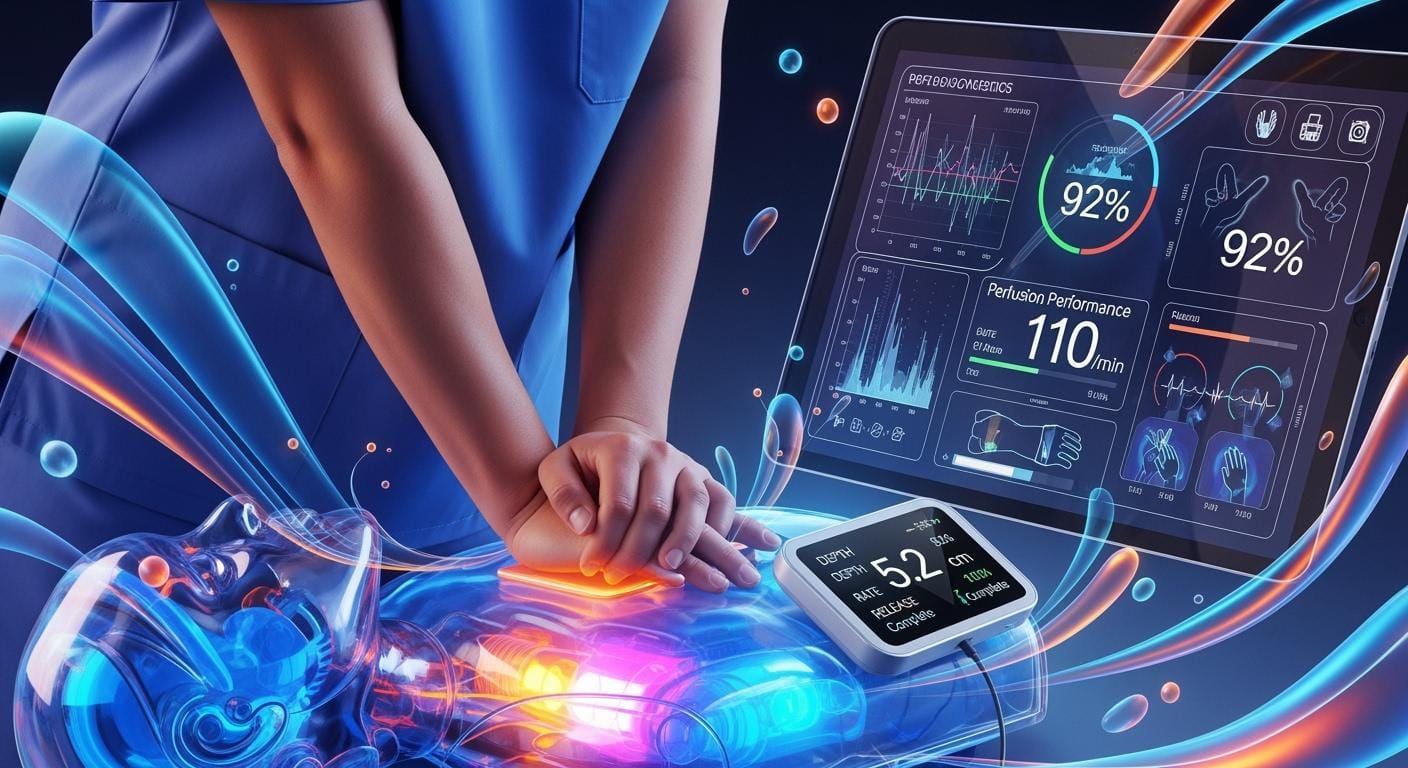

If you’re wondering what does chest compression feedback device monitor, these devices track key CPR metrics to ensure effective resuscitation. They monitor compression depth, compression rate, chest recoil, hand placement, and compression fraction. Real-time feedback helps you adjust your CPR technique for optimal results. Many devices use force sensing to accurately measure the pressure applied during compressions. A force sensing resistor is often used to detect and display how much force you exert, ensuring you deliver high-quality compressions. This precise feedback can improve CPR performance and increase survival rates.
Table of Contents
Key Takeaways
Chest compression feedback devices check important CPR details like how deep, how fast, and where you press to help save lives. Real-time feedback lets you fix your actions right away, making sure you press deep enough and at the right speed. Good hand placement matters a lot; devices show you where to put your hands for best results. Letting the chest rise fully after each press is important; feedback devices warn you if you do not let the chest come up all the way. Using these devices in practice helps you remember CPR steps for a longer time. Research shows feedback devices make CPR better and help more people survive. Pick the feedback device that fits your needs and gives correct and quick feedback during CPR. Practice often with feedback devices to feel sure of yourself and do better CPR in real emergencies.
What does chest compression feedback device monitor
Key CPR metrics tracked
When you use a chest compression feedback device, you check important CPR metrics. These devices help answer what does chest compression feedback device monitor by tracking these things:
- Compression depth: You press the chest down at least 2 inches for adults. This depth helps blood move better in the body.
- Compression rate: You should do 100 to 120 compressions each minute. This rate keeps the heart beating at the right speed.
- Chest recoil: You let the chest go back up after each push. Full recoil lets the heart fill with blood again.
- Hand placement: You put your hands in the middle of the chest. Good placement helps you push over the heart.
- Compression fraction: You measure how much time you spend doing compressions. More time means you help the heart pump more blood.
Chest compression feedback devices also check how hard you push and your rhythm. Some devices watch how often you give breaths to make sure you do it right.
Compression depth
Compression depth is very important. Chest compression feedback devices measure how far you push down. You need to reach the right depth to help blood move. If you push too softly, the heart may not pump enough blood.
Compression rate
Compression rate shows how fast you do compressions. Chest compression feedback devices track your speed and warn you if you go too slow or too fast. Keeping the right speed helps you follow CPR rules and makes CPR better.
Chest recoil
Chest recoil means letting the chest rise all the way after each push. Chest compression feedback devices watch for this. Full recoil helps the heart fill with blood and helps people survive.
Hand placement
Hand placement matters for good compressions. Chest compression feedback devices use sensors to check your hand spot. Right placement helps you push over the heart.
Compression fraction
Compression fraction tells how much time you spend pressing the chest during CPR. Chest compression feedback devices track this to help you spend more time on compressions. A higher fraction helps patients get better.
Real-time feedback explained
Chest compression feedback devices give you real-time feedback during CPR. You see or hear alerts if your compression depth, rate, or hand spot needs fixing. These devices help you improve your CPR right away.
- Real-time feedback helps you keep the right depth and rate.
- You learn to let the chest rise fully after each push.
- Devices show if your hand spot is correct.
- You can do more compressions by following device tips.
Studies show chest compression feedback devices help you do CPR better. You learn skills faster and remember them longer. Experts say to use these devices to make CPR better for everyone. When you use chest compression feedback devices, you help more people survive and get better.
Chest compression feedback device technology
How feedback devices work
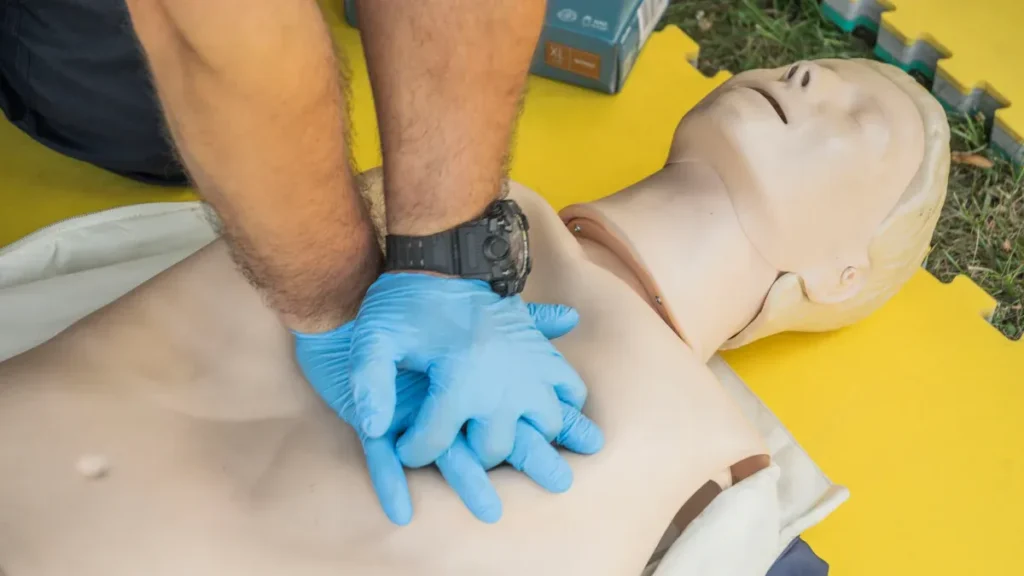
Chest compression feedback devices have sensors that measure your actions. You put the device on the patient’s chest. The sensors check how hard you press down. They also track how fast you move your hands. The device gives you feedback right away. You see lights, hear sounds, or read numbers on a screen. You know if your compressions are deep enough. You also know if your speed is correct. You hear alerts if you need to change something. This feedback helps you fix your compressions as you do CPR.
Tip: Real-time feedback helps you keep your compressions steady. It works even if you move the patient or change surfaces. Studies show feedback devices help you keep the right depth. You can do CPR on a stretcher or on the floor.
SOUSHINE FSRs in feedback devices
SOUSHINE’s Force Sensing Resistors are important in many feedback devices. These sensors measure how much force you use. When you press down, the FSR changes its resistance. The device reads this change and tells you the force you use. SOUSHINE FSRs work fast and respond to every push. You get clear data for each compression. The sensors fit inside many device shapes and sizes. You use devices with SOUSHINE FSRs to check your depth and rate. The sensors help you follow CPR rules and get better at compressions.
Types of feedback devices
There are different types of chest compression feedback devices. Each type has special features and ways to monitor your actions.
- CPR manikins for training give feedback on depth, rate, and hand spot. You use these manikins to practice CPR.
- Wearable or handheld devices measure depth and rate during real CPR. Some connect to smartphones and give extra alerts.
- Integrated defibrillators give feedback and help with shocks. You see prompts for compressions and shocks.
Here is a table that compares the main types:
| Category | Features | Advantages/Disadvantages |
|---|---|---|
| CPR Manikins for Training | Depth and rate sensors, hand placement guides, visual/audio feedback | Helps you learn correct technique; only for practice. |
| Wearable or Handheld Devices | Depth/rate measurement, chest recoil alerts, smartphone connectivity | Gives quick feedback; battery problems can happen. |
| Integrated Defibrillators | Audio prompts, visual indicators, data recording | Helps with shocks and compressions; can cost more and may break. |
You pick the device that works best for you. Training manikins help you learn CPR basics. Wearable devices help you in real emergencies. Integrated defibrillators guide you through CPR and shocks. Each type helps you get better at CPR and helps patients.
Improves compression quality
Ensuring correct depth and rate
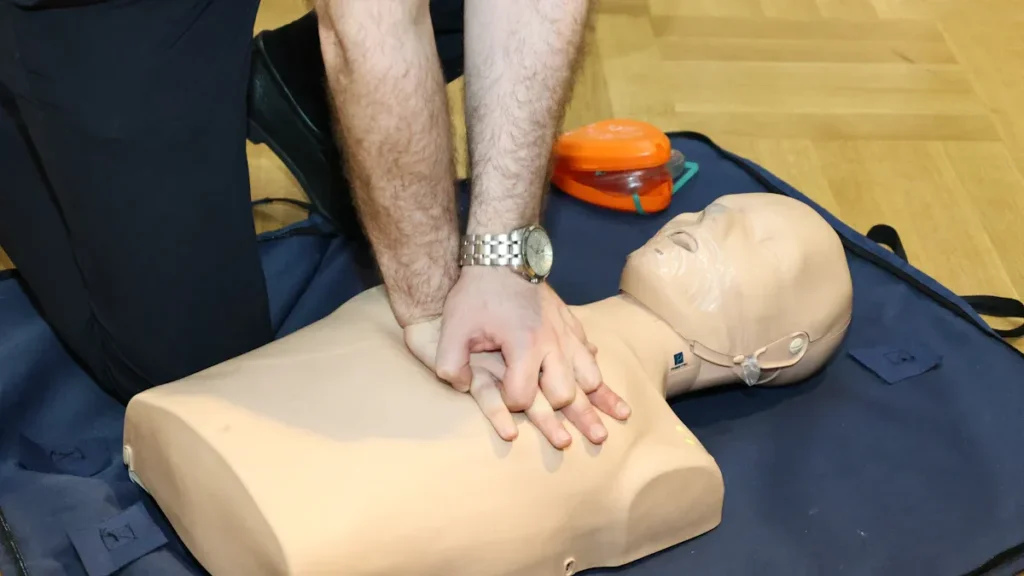
You need to press the chest down to the right depth and keep a steady pace. Chest compression feedback devices help you do this by giving you real-time alerts. You see or hear signals if your compressions are too shallow or too deep. You also get reminders if your speed is too fast or too slow. This guidance helps you follow CPR guidelines and improves compression quality.
Here is a table that shows how feedback devices help you with each part of CPR:
| Aspect of CPR | Description |
|---|---|
| Compression Depth | Devices measure each push, making sure you reach 2 to 2.4 inches for adults. |
| Compression Rate | Devices give real-time cues to keep you at 100 to 120 compressions per minute. |
| Chest Recoil | Devices alert you if you do not let the chest rise fully. |
| Hand Placement | Devices guide your hands to the right spot on the chest. |
| Minimizing Pauses | Devices track breaks and prompt you to start compressions again. |
You get instant feedback for every chest compression. This helps you stay on track and keeps your CPR quality high.
Promoting full chest recoil
You must let the chest rise after each push. Chest compression feedback devices watch for this and give you real-time alerts if you lean or do not release enough. Many people think they allow full recoil, but studies show that feedback devices help you do better. You learn to let the chest come up all the way, which helps the heart fill with blood.
- Feedback devices improve hands-only resuscitation by promoting full chest recoil.
- You get objective feedback, which is more accurate than guessing.
Tip: Always let the chest return to its normal position before the next compression. This helps blood flow and increases the chance of survival.
Guiding proper hand placement
You need to put your hands in the right spot for effective chest compressions. Chest compression feedback devices use sensors to check your hand position. You get real-time alerts if your hands move away from the center of the chest. This guidance helps you push over the heart and improves compression quality.
You see lights or hear sounds that tell you where to place your hands. You learn the correct spot and keep your hands there during CPR. This makes each chest compression count.
Note: Good hand placement helps you deliver strong compressions and keeps you from hurting the patient.
Chest compression feedback devices help you improve every part of CPR. You get real-time feedback for depth, rate, recoil, and hand placement. You learn faster and remember the right way to do chest compressions. This technology helps you save lives and keeps your CPR quality high.
Increases survival rates
Impact on patient outcomes
Every second matters when you do CPR. Chest compression feedback devices help you act fast and do things right. These devices show you how deep and how fast to press. You get alerts if you need to change your technique. This help makes sure blood moves through the body.
Doing better CPR helps patients get stronger results. When you use feedback devices, you spend more time pressing and less time stopping. You also press more often, which helps the heart pump more blood. Less waiting means the patient gets help sooner.
Here is a table that shows how feedback devices help patients:
| CPR Quality Metric | Patient Outcome Improvement |
|---|---|
| Increased Chest Compression Frequency (CCF) | Associated with improved CPR survivability and neurological prognosis |
| Shorter Downtime | Linked to better patient outcomes |
You can see that more pressing and less waiting both help people survive. Feedback devices help you stay focused and work quickly. You give the patient a better chance to get well.
Tip: Use feedback devices to keep your presses even and strong. You help the heart and support the brain.
Evidence from clinical studies
Recent studies show chest compression feedback devices really help. Researchers tried a new feedback device with people who already knew CPR. The device helped them press to the right depth more often.
- A special study tested a feedback device for chest compression depth.
- People who already knew CPR joined the study.
- The feedback group pressed to the right depth 66.7% of the time. The group without feedback only did it 24.4% of the time.
- The device helped users reach the right depth for compressions.
These results show feedback devices make CPR better. You learn to press at the right depth and keep a steady pace. This helps more patients survive when they need CPR.
You can trust feedback devices to guide you. You see results right away and fix your technique. You help more people live through heart emergencies. Using feedback devices raises survival rates and helps patients get better.
Benefits of using chest compression feedback devices
Real-time performance improvement
You get feedback right away with chest compression feedback devices. This feedback helps you fix your compressions quickly. You can see if you push deep enough and fast enough. You also know if you let the chest rise after each push. This help keeps blood moving well. When you follow the device’s signals, you help blood reach the brain and heart.
Studies show feedback devices make CPR better than old training. The table below shows how these devices help you do CPR:
| Study | Findings |
|---|---|
| AVF Device | Improved chest compression quality in practice emergencies. |
| Comparison Study | Feedback devices helped people do CPR better than old training. |
| Spanish Study | People trained with feedback devices did as well as experts. |
Both new learners and skilled rescuers do better with these devices. You keep your compressions steady, which helps blood flow every second.
Enhanced training and retention
Chest compression feedback devices help you learn CPR faster. You practice with feedback, so you know right away if you need to change. This makes your training work better. You remember how to do compressions because you see and hear what is right.
A study with college students found feedback devices help you keep skills longer. After three months, people with feedback still did good compressions. People without feedback forgot their skills sooner. This means you keep your CPR skills strong for longer with these devices.
Here is a table that shows how feedback devices help you learn and do CPR:
| Benefit | Description |
|---|---|
| Improved Compression Quality | The device helps you push at the right depth and speed. |
| Reduced Variability | You keep your compressions more steady. |
| Enhanced Usability | You learn to use the device fast. |
| Rapid Learnability | You do good compressions in a short time. |
You get better at CPR and keep your skills longer. This helps you give strong compressions and keep blood moving in emergencies.
Team coordination during CPR
Chest compression feedback devices help teams work together. You and your team see the same feedback, so everyone knows what to do. The device shows if compressions are deep and fast enough. This helps each team member stay on track.
- Teams use feedback devices to do better CPR in practice.
- You get quick scores, which helps everyone fix mistakes fast.
- Realistic practice lets teams try real-life CPR and check blood flow.
- These drills help teams talk better and move faster.
- Teams learn to pick jobs and stop confusion in emergencies.
When you use feedback devices in team practice, you get feedback right away. This helps your team keep blood moving and help the patient more. You work together to give the best care.
Chest compression feedback devices help you improve right away, learn faster, and work better as a team. You help keep blood moving and help patients during CPR.
Practical considerations and limitations
Choosing the right device
You should think about a few things before picking a chest compression feedback device. The device needs to fit your training or clinical needs. You want feedback that is correct and works in your space. Here are some things to look at:
- User type: Devices work in different ways for doctors, nurses, and EMTs. Your job can change how you use the device.
- Accuracy: Devices with good accuracy help you measure depth better. Some devices reach 0.89 accuracy, but this can change by job and setup.
- Environment: Where you use the device matters a lot. Camera spots and other things in the room can affect how the device works.
- Training requirements: You need feedback right away to learn CPR well. Devices that show depth, rate, and recoil help you learn faster.
- Availability: Some devices are hard to find in some places. Make sure the device is there when you need it.
Tip: Try out different devices in practice. This helps you find the best one for your team and space.
Tips for effective use
You can get better at CPR by using feedback devices the right way. Here is a simple list to help you use your device well:
- Learn how the device works before an emergency happens.
- Put the device in the right spot on the chest.
- Watch and listen to alerts. Change your compressions if needed.
- Keep the device clean and check it often.
- Use the device in training to build skill and confidence.
You should use the device in team practice too. This helps everyone learn together and work as a group. Training with feedback devices makes CPR better and more steady.
Note: Practice often with feedback devices. This helps you remember how to do compressions the right way.
Device limitations
Chest compression feedback devices help you do CPR better, but they have some limits. You should know these limits to use the device well.
- Some devices do not always help you reach the right depth.
- Accuracy and algorithms may change in real-life use. More studies are needed with real patients.
- Devices can slow you down when you start CPR. These delays may hurt patient outcomes.
- Feedback devices do not always make compressions better than basic CPR.
- You may have problems with finding devices, training, or using them. Real emergencies are harder than practice.
- People who do not know CPR may need simple help. Public campaigns can teach more people about CPR.
New devices may use artificial intelligence to give better feedback. AI can help you spot patients at risk and guide you to better compressions. These new tools may help more people survive and make CPR work better.
Tip: Keep learning about new devices and training. This helps you give the best care in emergencies.
Chest compression feedback devices make CPR better by watching depth, rate, and hand spot. You get quick feedback that tells you what to do. Devices with SOUSHINE FSRs check force very well. This technology helps you save more people. Look at the main benefits below:
| Key Advantage | Description |
|---|---|
| Real-time feedback | Gives you sounds and lights for better compressions. |
| Improved CPR quality | Helps you press deep enough, fast enough, and let the chest rise. |
| Training tool | Helps you learn skills for helping patients. |
Using these devices helps you do stronger CPR and helps more people survive.
FAQ
What does a chest compression feedback device measure?
You see measurements for compression depth, rate, chest recoil, hand placement, and compression fraction. The device tracks your actions during CPR and gives you instant feedback.
How does real-time feedback help you during CPR?
You get alerts if your compressions are too shallow or too fast. The device guides you to adjust your technique and improve CPR quality.
Can you use chest compression feedback devices for training?
You use these devices with CPR manikins to practice. The feedback helps you learn correct depth, rate, and hand placement.
Do chest compression feedback devices work with children?
Some devices have settings for children. You select the right mode to match the patient’s age and size.
What is a Force Sensing Resistor (FSR)?
An FSR measures force when you press down. The device uses this sensor to track how hard you push during compressions.
How do you know if your hand placement is correct?
The device shows lights or sounds if your hands move away from the center of the chest. You adjust your position to stay on target.
Are chest compression feedback devices easy to use?
You follow simple instructions. Place the device on the chest, watch for alerts, and change your compressions as needed.
Can feedback devices improve survival rates?
Studies show feedback devices help you do better CPR. You keep the right depth and rate, which can help more patients survive.