

Call us: +86-137-2353-4866
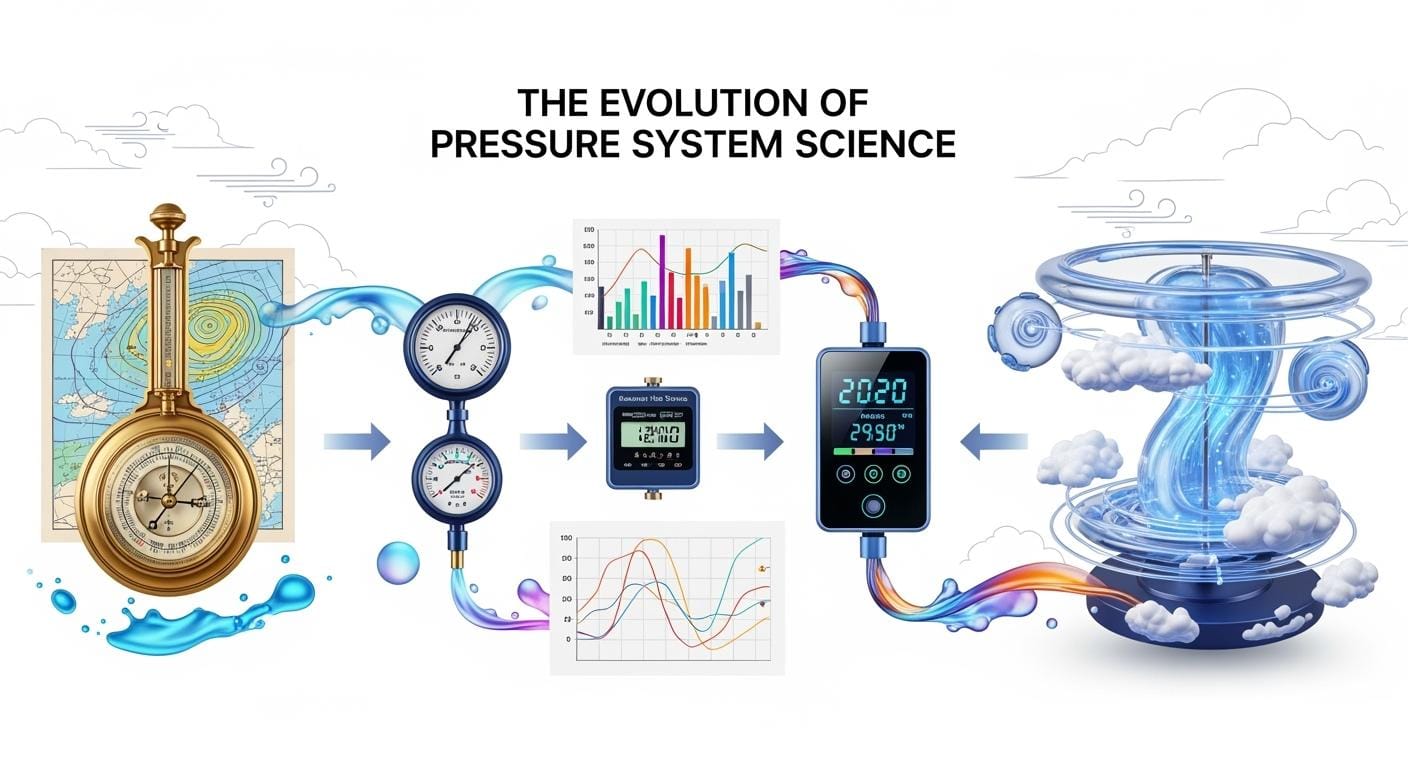

Have you ever thought about how pressure system science affects your life? Every day, you need good air and cabin pressure control to stay safe and comfortable. This is true when you ride in a car or fly in a plane. Studies show that pressure-related health problems, like hypertension, are very common. About 25.58% of people in a big group of over half a million have these issues. Modern force sensing technology, like the force sensing resistor, has changed many industries:
- In automotive, it makes cars safer and more reliable.
- In healthcare, it helps doctors watch patients better.
- In robotics, it lets machines feel things.
- In consumer electronics, it makes devices more fun to use.
- In industrial and aerospace fields, it helps things work their best.
You see these new ideas in your life every day, because of science and technology progress.
Table of Contents
Key Takeaways
Pressure systems are very important in our lives. They change the weather, affect our health, and help keep us safe. Knowing about high and low pressure systems helps us guess if it will be sunny or stormy. New sensors like SOUSHINE‘s Force Sensing Resistors make cars, hospitals, and robots work better and safer. People like Torricelli and Pascal helped us learn how to measure air pressure. They helped make meteorology a real science. Weather forecasts are now more correct because of better technology and data study. This means there are fewer mistakes. Air pressure can change how our bodies feel. For example, your ears pop when you fly or climb because of pressure changes. Learning about pressure systems helps you make smart choices every day. It also helps you stay safe when the weather is bad. In the future, pressure system science will use smaller, wireless sensors. Smart cities will use these to make life better for everyone.
Early Pressure System Discoveries
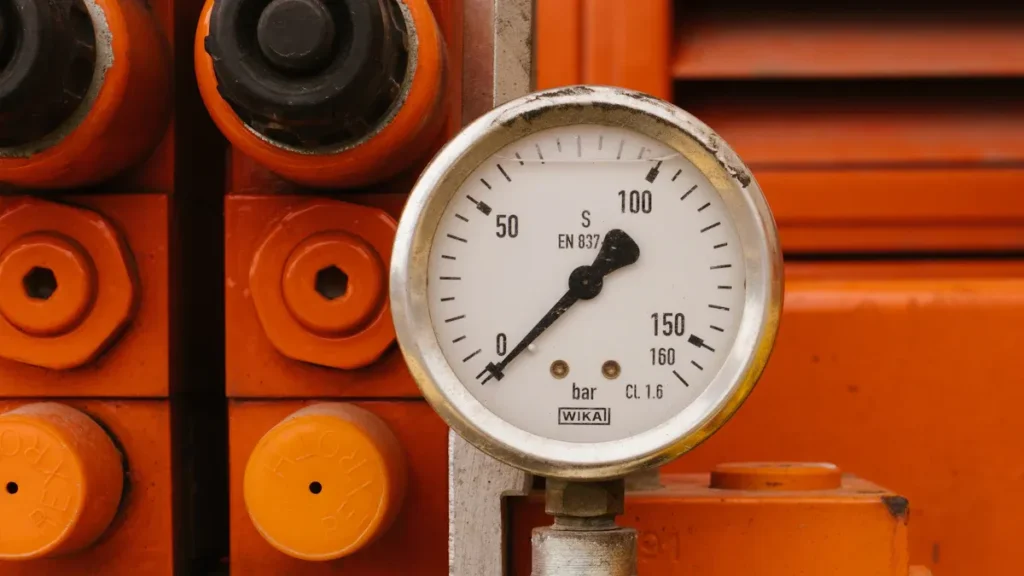
Ancient Weather Theories
People long ago wanted to know about the weather. Ancient groups watched the sky and wrote down what they saw.
- The Chinese began keeping weather records in 1216 BC. They wrote about wind and other changes.
- Aristotle was a Greek thinker. He wrote a big book about weather in 334 BC. The book was called Meteorologica. He talked about how rain, clouds, and storms happen.
- Aristotle said weather came from nature, not just gods. His ideas shaped weather thinking for almost 2,000 years.
Torricelli and the Mercury Barometer
Things changed a lot in the 1600s. Scientists started to measure air pressure. Evangelista Torricelli was an Italian scientist. He made the mercury barometer.
- Torricelli proved air has weight. He put mercury in a glass tube, turned it over, and saw the mercury drop to 76 centimeters.
- He learned that air above the mercury pushed it down. The space above the mercury was a vacuum. Torricelli said the vacuum did not matter. The air’s weight kept the mercury up.
- This test showed people could measure atmospheric pressure.
Pascal’s Atmospheric Experiments
Blaise Pascal was a French scientist. He used Torricelli’s ideas. Imagine Pascal climbing a mountain with a barometer. He saw the mercury level go down as he went higher. This proved air pressure drops when you go up. Pascal’s tests helped people see that the atmosphere has layers and pressure changes with height.
Meteorology’s Beginnings
Meteorology became a science when people used math and tests. Cleveland Abbe was an American scientist. He said meteorology should use hydrodynamics and thermodynamics. He wanted scientists to use math to guess the weather. Vilhelm Bjerknes was a Norwegian scientist. He made a two-step way to forecast: first, find the current state of the air; next, use math to guess what will happen. Bjerknes found important variables and equations. He made meteorology more like physics.
Early weather science changed from simple watching to careful measuring and math. Today’s tools and knowledge started with these early thinkers.
Air Pressure Concepts and Measurement
Defining Air Pressure
You feel air pressure every day. Air pressure is the push from air molecules on things. The kinetic theory of gases explains this idea. Gas molecules move fast and hit the walls around them. Each time they hit, they make a small push. When you add all these pushes, you get air pressure. Bernoulli’s principle helps explain why air pressure changes. When air moves faster, its pressure gets lower. This is why strong winds can lift roofs in storms. You see air pressure in weather, sports, and car tires.
Tip: Your ears pop when air pressure changes in a plane or on a mountain.
Measurement Units: From Mercury to Millibars
You can measure air pressure in many ways. Scientists use the Pascal (Pa) as the main unit. One hectopascal (hPa) is 100 Pa. Meteorologists often use millibars. The normal air pressure at sea level is 1,013.25 millibars. In the United States, air pressure is sometimes shown in inches of mercury (inHg). This old way uses a mercury column to show pressure. One inch of mercury means the pressure from a one-inch tall mercury column. Over time, meteorologists started using millibars for better accuracy and easier comparison.
| Unit | Symbol | Typical Use | Standard Value at Sea Level |
|---|---|---|---|
| Pascal | Pa | Science, physics | 101,325 Pa |
| Hectopascal | hPa | Meteorology | 1,013.25 hPa |
| Millibar | mb | Weather reports | 1,013.25 mb |
| Inches Hg | inHg | U.S. weather, aviation | 29.92 inHg |
Tools for Measuring Air Pressure
Mercury and Aneroid Barometers
Barometers help you measure air pressure. The mercury barometer is a classic tool. It has a glass tube filled with mercury. When air pressure goes up, mercury rises in the tube. Aneroid barometers use a small metal box. The box gets bigger or smaller as air pressure changes. These tools help you watch the weather and predict storms.
Digital Sensors and SOUSHINE FSRs
Today, digital sensors give fast and accurate pressure readings. SOUSHINE’s Force Sensing Resistors (FSRs) give steady and exact results. These sensors work in cars, medical tools, and robots. FSRs use a bendy material that changes resistance when you press it. You get good data for safety and performance. Digital sensors also save data and let you check pressure from far away.
| Tool Type | Accuracy Range | Reliability Characteristics |
|---|---|---|
| Bourdon Tube Gauges | ±1.5% to ±2% | Simple design, needs regular calibration. |
| Diaphragm Gauges | N/A | Best for thick or harmful liquids, keeps you safe. |
| Piezoelectric Sensors | N/A | Quick and accurate, ideal for fast responses. |
| Digital Pressure Transmitters | N/A | Fast and accurate, saves data, remote monitoring. |
| SOUSHINE FSRs | N/A | Steady and exact readings, versatile for many uses. |
Note: SOUSHINE FSRs help you measure force and pressure in many jobs. You can learn more on their official website.
Air pressure affects your world in many ways. You use different units and tools to measure it. Modern sensors like SOUSHINE FSRs make measuring pressure easier and more reliable.
High and Low Pressure Systems
High-Pressure System Features
A high pressure system often brings sunny and calm days. The air sinks slowly toward the ground. This sinking air makes the sky clear. The weather stays steady. You see fewer clouds and more sun. Dense air pushes down and stops clouds from forming. The Coriolis Effect changes how the wind moves. Winds move away from the center. In the northern hemisphere, winds spin clockwise. In the southern hemisphere, winds spin the other way.
A high pressure system changes the weather in many ways:
- You get warm and sunny weather in summer if the system comes from the south. If it comes from the north in winter, you feel colder air.
- Winds blow away from the center of the high pressure system. When the difference in sea-level pressure gets bigger, wind speeds go up.
- The air above a high pressure system moves down. This leads to fewer clouds and clear skies.
- In the northern hemisphere, winds spin clockwise around the high pressure system. This pattern affects local weather.
- High pressure systems often bring dry weather. The sinking air stops clouds from forming and keeps rain away.
- If sea-level pressure rises fast, calm weather may not last long.
- Sometimes, air quality gets worse in a high pressure system. Slow winds let pollution stay near the ground.
You can see how a high pressure system changes your day. You might enjoy a sunny day, but you may notice hazy air if pollution stays.
Low-Pressure System Features
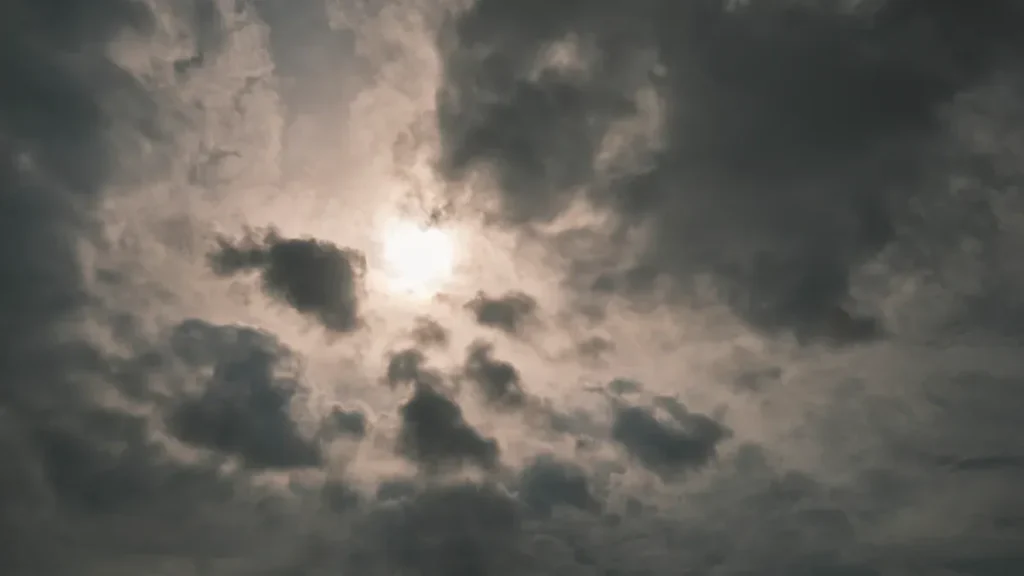
A low pressure system works in the opposite way. These areas have lower surface pressure than the places around them. The air rises instead of sinking. As the air goes up, it cools and makes clouds. You often see cloudy skies, strong winds, and sometimes storms. The Coriolis Effect also changes the wind in a low pressure system. In the northern hemisphere, winds spin counterclockwise. In the southern hemisphere, they spin clockwise.
You can spot a low pressure system by these signs:
- The area has lower sea-level pressure than nearby places.
- You see more clouds and gray skies.
- Rain, drizzle, or storms often happen, especially when the air is wet.
- Winds blow toward the center of the low pressure system and can get strong and gusty.
- Storms or hurricanes can form if the air is warm and moist.
- Visibility drops because of thick clouds and rain.
A low pressure system forms when winds high up pull air apart. This process, called cyclogenesis, helps make the unstable weather you see with a low pressure system.
| Evidence Description | Weather Impact |
|---|---|
| Low-pressure systems lead to the rising of air, forming clouds and precipitation. | Cloud formation and precipitation |
| They are often associated with stormy weather, including rain, snow, and thunderstorms. | Stormy weather conditions |
| Rising warm, moist air cools and condenses, resulting in precipitation. | Rain or snow occurrence |
Weather Impacts of Pressure Systems
You see different weather because of how high pressure and low pressure systems work. A high pressure system brings steady weather. The air sinks, so you get dry days and clear skies. There is little chance of rain. The surface pressure and sea-level pressure stay high, which keeps the weather calm.
A low pressure system does the opposite. The air rises, making the weather unstable. Moisture in the air turns into clouds and rain. You often see storms, snow, or hurricanes when a low pressure system moves in. The surface pressure and sea-level pressure drop, which means the weather is changing.
Wind patterns change with these systems. In a high pressure system, winds move away from the center. In a low pressure system, winds move toward the center and spin. In the northern hemisphere, a high pressure system spins clockwise. A low pressure system spins counterclockwise. These patterns help you guess the weather and get ready for changes.
Tip: You can look at sea-level pressure on weather maps to see if a high pressure system or a low pressure system is coming. This helps you know if you should expect sun or storms.
Hurricanes form when a low pressure system gets strong over warm ocean water. The low pressure at the center pulls in moist air, which rises and cools. This makes clouds, rain, and strong winds. As the sea-level pressure drops more, the storm can turn into a hurricane. It is important to watch surface pressure and sea-level pressure to stay safe during hurricane season.
You use what you know about high pressure and low pressure systems every day. Weather forecasts use surface pressure and sea-level pressure to track changes. You can plan your day, stay safe, and understand why the weather changes.
Science Behind Pressure Systems
Pressure, Temperature, and Density
You can learn about the atmosphere by looking at pressure, temperature, and density. Air pressure comes from gas molecules moving and bumping into things. When air gets warmer, the molecules move faster and spread out. This makes the air less dense. If the air cannot expand, the pressure goes up. When air cools, the molecules slow down and get closer together. The air becomes denser. If the air shrinks, the pressure goes down.
You see these changes in different places. On flat land or in valleys, pressure and temperature do not connect much. The air density looks like a triangle shape. On mountain tops, pressure and temperature connect strongly. The air density looks like a straight line. The table below shows how land changes the way pressure, temperature, and density work together:
| Terrain Type | Correlation R(p,T) | Density Plot Shape |
|---|---|---|
| Plain/Valley-Floor | Weak | Triangular |
| Mountain-Top | Strong | Linear |
When you climb a mountain, the air feels thinner. The pressure drops, and breathing gets harder. This happens because the air density goes down as you go higher. This science helps you guess the weather and know why air feels different in each place.
Scientific Laws: Boyle, Charles, Ideal Gas
You can use science laws to explain how gases act in the air. Boyle’s Law says if temperature stays the same, gas volume goes down when pressure goes up. Charles’s Law says if pressure stays the same, gas volume goes up when temperature rises. Gay-Lussac’s Law says pressure goes up with temperature if volume stays the same.
Here is a table that shows these science laws:
| Law | Relationship | Formula |
|---|---|---|
| Boyle’s Law | Inverse | P₁V₁ = P₂V₂ |
| Charles’s Law | Direct | V₁/T₁ = V₂/T₂ |
| Gay-Lussac’s Law | Direct | P₁/T₁ = P₂/T₂ |
You can remember these laws with a short list:
- Boyle’s Law: Pressure and volume move in opposite ways if temperature does not change.
- Charles’s Law: Volume gets bigger with temperature if pressure does not change.
- Gay-Lussac’s Law: Pressure gets bigger with temperature if volume does not change.
The ideal gas law puts these ideas together. It shows how pressure, volume, and temperature connect in the air. If you heat the air, you change the other parts too. The ideal gas law helps you see why pressure changes with weather, height, and temperature. You use this law when you check the weather or feel your ears pop going up a hill.
You can use the ideal gas law to:
- See how pressure, volume, and temperature changes affect air pressure.
- Know that air pressure comes from the weight of air above you.
- Learn that gases in the air follow these science laws.
Explaining Atmospheric Behavior
You can use science models to show how pressure systems move and change. Scientists make math models to explain how the air works. These models use equations for things like turbulence, radiation, and convection. Some models look at the whole world. Others look at smaller areas.
You can find different types of air models:
- Simple models teach you basic ideas about pressure systems.
- Middle models add more details and show how parts of the air connect.
- General circulation models use hard math to show how air moves around the world. These models solve the Navier-Stokes equations to guess weather and climate.
Scientists use two main ways to solve these equations:
- The finite-difference method breaks big equations into small steps to make them easier.
- The spectral method uses wave patterns to show how air moves.
These models help you see why high and low pressure systems form and change. They show how the air reacts to heat from the sun, land shapes, and ocean movement. When you watch a weather forecast, you see these models working.
Tip: When you learn about pressure systems, you use science to connect what you feel outside to the rules that shape our world.
Modern Technology in Pressure System Science
Weather Balloons and Satellites
Today, scientists use new tools to study pressure systems. Weather balloons, called radiosondes, float up into the sky. They check air pressure, temperature, and humidity as they rise. Satellites circle the Earth and use sensors to guess these same things. They use math to collect data from space. When scientists use both balloon and satellite data, they see the atmosphere more clearly. This teamwork helps experts make better weather forecasts and warn people about storms.
- Weather balloons measure pressure, temperature, and humidity directly.
- Satellites use math to estimate these values from space.
- Both tools help make weather predictions more accurate.
SOUSHINE Force Sensing Resistor Applications
You use new sensors every day. SOUSHINE’s Force Sensing Resistors (FSRs) are important for measuring pressure. These sensors find and measure force or pressure very well. You see FSRs in cars, medical tools, and robots. They help track force changes, watch pressure over time, and sense touch. FSRs can start actions when pressure gets high enough. This makes them great for smart devices and safety systems.
| Application Category | Description |
|---|---|
| Detecting or measuring a rate of change in force | Good for measuring changing pressure in systems. |
| Detecting or measuring a relative change in force | Helps watch pressure changes over time. |
| Detecting contact and/or touch | Needed for user controls in pressure systems. |
| Detecting force thresholds to trigger an action | Useful for smart devices that need pressure alerts. |
FSRs make measurements more accurate and reliable. Scientists have made new ways to fix sensor drift and hysteresis. These methods help keep measurements correct. For best results, you should calibrate FSRs in the same conditions as your tests. This keeps your data right, even if you use sensors on different shapes or curved surfaces.
Data Analysis and Forecasting
You need data analysis to turn pressure readings into weather forecasts. Meteorologists use different ways to study this data:
| Technique | Description |
|---|---|
| Satellite imagery interpretation | Finds cloud types, temperatures, and air boundaries. |
| Radar data interpretation | Checks rain and wind, helps track storms. |
| Surface observation analysis | Reads weather reports and maps to find pressure systems and trends. |
These methods work together to give fast and accurate weather updates. New signal processing and real-time analysis help experts spot changes quickly. Smart transmitters and wireless tools make it easy to collect and share data. You always get the latest weather information.
Modern technology, like SOUSHINE’s FSRs, helps you measure pressure better and use that data to stay safe, comfortable, and make good choices every day.
Pressure Systems in Daily Life
Weather Forecasting Improvements
You need good weather forecasts to plan your day. Scientists have made big improvements in predicting weather. They use better pressure systems and new tools. Hurricane tracking shows these changes. In the 1970s, a 48-hour hurricane forecast could be wrong by 200 to 400 nautical miles. Now, the mistake is about 50 nautical miles. For 72-hour forecasts, the error dropped from over 400 miles to less than 80 miles. These changes happened because of new sensors and smart models that use pressure system data. The AUTO.ARIMA model helps meteorologists guess the weather better by looking at pressure changes over time. You get the benefits when you check the weather and see fewer surprises.
- Hurricane forecast mistakes have gone down a lot in recent years.
- New models and sensors use pressure system data to make better predictions.
- You get more accurate weather updates, which help keep you safe.
Everyday Uses: Automotive, Health, Robotics
Pressure systems help in many parts of your life. In cars, force-sensing technology makes building cars faster and safer. In healthcare, sensors check body pressure and help doctors watch patients. In robotics, tactile sensors let machines feel and hold things better.
| Industry | Application Description |
|---|---|
| Robotics | Tactile sensing helps robots solve problems and work with more care. |
| Healthcare | Special sensors help medical devices and map body pressure. |
| Automotive | Force-sensing technology makes car building better and faster. |
You see many good things from these tools:
- Robots keep steady pressure on surfaces.
- Less waste and better products.
- Machines do the same job well every time.
Pressure systems help you drive safer cars, get better medical help, and use smarter machines. You enjoy these changes every day, even if you do not see the sensors.
Future Trends in Pressure System Science
You will see cool changes in pressure system science soon. Sensors are getting smaller and work better, so you can use them in more things. Wireless and IoT sensors let you check pressure from far away and get instant data. Companies now use green ways to help the earth. Cities use sensors to watch traffic, air, and safety. 5G technology makes sensor networks faster and more dependable. New ways to make things, like 3D printing, let people design special sensors.
- Smaller sensors fit into tiny gadgets.
- Wireless and IoT make it easy to check pressure from anywhere.
- Green practices help protect nature.
- Smart cities use sensors to run better.
- 5G makes data faster and more reliable.
- 3D printing lets people make custom sensors.
You will enjoy these new trends as pressure systems become more useful in your life. You will see smarter cities, safer cars, and better health care because of these new ideas.
You have learned how pressure system science changed over time. Many important events helped this change happen:
| Year | Contributor | Contribution |
|---|---|---|
| 1648 | Blaise Pascal | Showed how pressure moves in fluids. |
| 1738 | Daniel Bernoulli | Explained fluid behavior and energy. |
| 1795 | Joseph Bramah | Built the hydraulic press. |
| 1838 | William Armstrong | Improved hydraulic power. |
| 1840s | Hydraulic Mining | Used high-pressure water for gold mining. |
| 3rd Century CE | Ancient Persians | Built advanced water systems. |
Measuring pressure the right way is important every day:
- Weather forecasts need good pressure numbers.
- The barometer helped people guess the weather better.
- Weather maps use isobars to show where pressure is high or low.
SOUSHINE’s Force Sensing Resistors help make cars safer, health care better, and devices smarter. You will see even more new ideas in the future.
FAQ
What is a pressure system?
A pressure system is an area where air pressure is higher or lower than the surrounding air. You see these systems on weather maps. They help you understand if you will get sunny or stormy weather.
How do Force Sensing Resistors (FSRs) work?
FSRs change their electrical resistance when you press on them. You use them to measure force or pressure. The harder you press, the lower the resistance. This lets you track pressure changes in real time.
Where do you find pressure sensors in daily life?
You find pressure sensors in cars, medical devices, and smart gadgets. They help keep you safe, monitor your health, and make machines work better. You use them every day without noticing.
Why do your ears pop on airplanes or mountains?
Your ears pop because air pressure changes quickly. When you go higher, the pressure drops. Your body adjusts by letting air move through your ears. This helps you feel comfortable.
How do pressure systems affect the weather?
High pressure brings clear skies and calm weather. Low pressure brings clouds, rain, or storms. You can check weather maps to see which system is coming. This helps you plan your day.
What makes SOUSHINE’s FSRs special?
SOUSHINE’s FSRs give you accurate and reliable pressure readings. You can use them in many industries. They are durable, easy to use, and fit different shapes and sizes. You get better results with these sensors.
Can you use FSRs in robotics?
You use FSRs in robotics to give machines a sense of touch. Robots can feel objects, adjust their grip, and work safely. This helps robots solve problems and interact with their environment.
How do scientists measure air pressure today?
Scientists use digital sensors, weather balloons, and satellites. You get fast and accurate data. Modern tools help experts predict storms and keep you informed about changes in the weather.