

Call us: +86-137-2353-4866
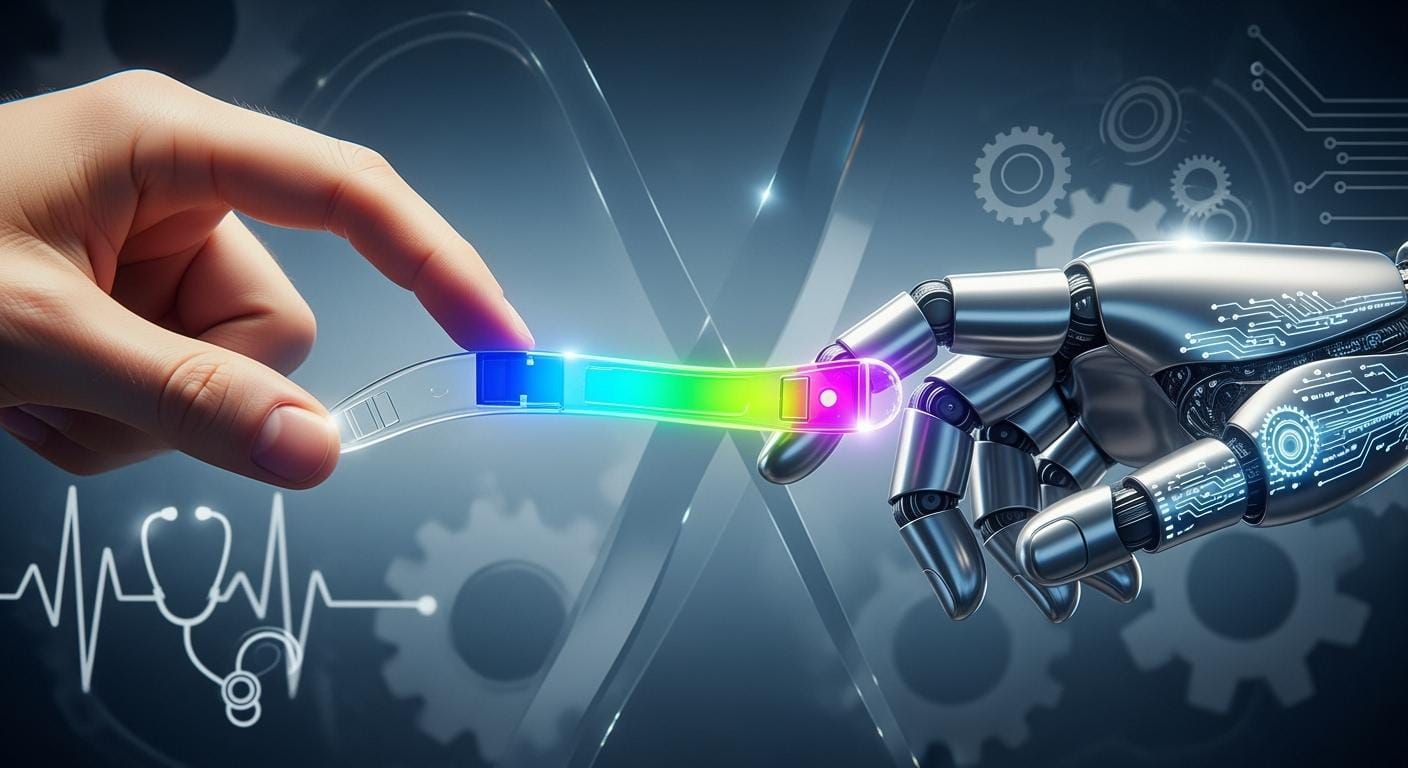

You will see flex force sensor technology change health and robotics in 2025. SOUSHINE is a leader with force sensing resistor solutions. These solutions give you accuracy and reliability. You get new uses in health monitoring, robotic surgery, haptic feedback, and adaptive robotics. This helps patients, doctors, and engineers.
| Application Area | Description |
|---|---|
| Prosthetics and Exoskeletons | Use force sensing for natural movement and quick response. |
| Surgical Robots | Give touch feedback for careful procedures. |
| Patient Monitoring Systems | Watch rehab and grip strength for better health. |
Table of Contents
Key Takeaways
Flex force sensors can measure pressure and give instant feedback. This makes them very important in health and robotics. SOUSHINE FSRs are accurate and flexible. They fit into many devices like wearables and surgical tools. In healthcare, these sensors help watch muscle activity and grip strength. They also track patient movements to give better care. Robotic surgery uses flex force sensors to give better touch feedback. This helps doctors control tools and keeps patients safe. Force sensors in rehab devices help people recover. They track movement and give feedback to patients and therapists. Flexible sensors let robots hold soft things safely. This stops damage and helps robots move things carefully. When AI and IoT work with flex force sensors, health monitoring gets smarter. Robotic control also gets better. New sensor technology will bring more uses in health, robotics, and other fields.
Flex Force Sensor Technology Overview
How Flex Force Sensors Work
A flex force sensor helps you measure how hard you press on something. When you push on the sensor, its electrical resistance changes. If you press harder, the resistance gets lower. The sensor has a flexible base, a spacer, and a layer that conducts electricity. When you press down, the conductive layer touches the circuit. This lets electricity move through. This setup helps you see force right away.
SOUSHINE’s force sensors use this idea to give results you can trust. You can put these sensors on flat or curved things. They are thin and bendy, so they fit in many devices without making them big.
Key Features and Benefits
You want sensors that work fast, last long, and give correct data. Flexiforce sensors do all of these things. Here are their main features:
| Feature | Description |
|---|---|
| Sensitivity | Flexiforce sensors are very sensitive and can find and measure force between surfaces. |
| Durability | These sensors are made to handle tough places and keep working well for a long time. |
| Response Time | Flexiforce sensors react quickly, which is important when forces change fast. |
You can use these sensors in health and robotics because they are accurate and give quick feedback. They help you check muscle tension, watch grip strength, and move robotic arms. They also work well in hard conditions.
💡 Tip: You can put flexible sensors in things you wear, robot hands, and medical tools. Their thin shape and quick reaction make them great for checking things in real time.
SOUSHINE FSRs: Precision and Versatility
SOUSHINE FSRs are special because they are both precise and can be used in many ways. You can use them in medical wearables or robots in factories. Here is what makes them different:
| Feature | Specification | Benefit |
|---|---|---|
| Flexibility | Strong silicone body | Bends to fit odd shapes |
| Ribbed Surface | Better sensitivity | Measures pressure and force exactly |
| Electrical Leads | Covered metal leads | Easy to connect to circuits |
| Certification | EPR_Germany_Packing | Follows world rules |
| Application | Omnipolar switch | Can be used for many switches |
⭐⭐⭐⭐⭐ Dr. Elena Martinez – Biomedical Engineering Lab
“We used the Soushine FSR402 Pro Model in a wearable monitor, and it worked great. The ribbed surface is very sensitive, so we could notice small pressure changes right away. Its flexibility made it easy to use on curved patient surfaces, which really helped us.”
You can see force sensors are important in health and robotics. They make robotic surgery feel more real, help you check vital signs, and support rehab devices. You can use them to make tools that help people move better. These sensors also let you track body signs as they happen, so you can give better care and control robots more exactly.
- Flex force sensor technology helps you build safer and smarter systems.
- You can count on SOUSHINE FSRs for accuracy, flexibility, and easy use in your projects.
Health Applications of Flex Force Sensors

Medical Wearables and Monitoring
Force sensors are used in wearable devices to check your health each day. These sensors show how your body moves and how much force you use. You can find them in smart clothes, shoe insoles, and wristbands. They help you and your doctor watch your muscle tension and posture. This makes it easier to find problems early.
Muscle Tension and Posture Detection
Sensors can go inside clothes or shoes. They measure how your muscles work and how you stand or walk. When you wear these, you get feedback right away. This helps you fix your posture and avoid getting hurt. For example, a force sensor in a shoe insole checks how you walk. This helps you move better and stay safe.
| Example | Description |
|---|---|
| Force sensors in apparel | Put in clothes like shoe insoles to watch daily activity of older people, making care better. |
| Assistive device for walking | Senses foot position to help leg muscles, so patients walk more naturally and fall less. |
Early Health Issue Alerts
Sensors in medical devices can warn you about health problems before they get worse. These sensors watch your movements and vital signs. If something changes, you get a warning. This helps you and your doctor act quickly. You can use these sensors at home or in the hospital. Telehealth uses these sensors to check your health from far away.
- Flexible sensors in wearables can track your heart rate, breathing, and blood pressure.
- You can use these sensors to watch for sudden changes in your body.
- Health monitoring systems use these sensors to keep you safe and healthy.
Rehabilitation and Prosthetics
Force sensors help you recover and move better in rehab and prosthetics. These sensors give you feedback and support. They help you learn to use your muscles again after an injury.
Sensory Feedback for Patients
Sensors in prosthetic limbs help you feel touch. When you grab something, the sensor tells you how hard you hold it. This helps you control your grip and not drop things. You feel more natural when you use your prosthetic limb.
Adaptive Support Devices
Sensors in rehab tools help you move the right way. They measure how much force you use and how you step. This helps you and your therapist see your progress. You can use these sensors in smart insoles or braces.
| Application Area | Description |
|---|---|
| Gait Analysis | Force-based sensors in shoes measure how your body touches the ground when you walk. |
| Sensor Configuration | Load-sensitive switches or force-sensitive resistors help study walking based on sensor setup. |
| Gait Phases Detection | One sensor on the heel finds heel strike and heel off, while more sensors in insoles study walking and pressure changes. |
| Vertical Ground Forces | Many sensors help guess vertical ground forces during walking. |
You can use these tools to help you walk better and heal faster. Force sensor technology in medical devices helps you get healthier.
Robotic Surgery and Minimally Invasive Procedures
Force sensors are used in robotic surgery tools. These sensors help surgeons feel what they touch, even with robots. This makes surgery safer and more exact.
Enhanced Tactile Feedback
When you use robotic surgery tools, sensors give you feedback. You feel the pressure and texture of tissues. This helps you avoid mistakes. For example, a FlexiForce B201 sensor in a surgical grasper let the surgeon feel touch during surgery.
- A FlexiForce A201 sensor in a da Vinci console helped surgeons feel tissues better during touch tasks.
- Using both visual and haptic cues made the surgeon more precise and lowered mistakes.
Patient Safety Improvements
Sensors in robotic surgery tools help keep patients safe. They stop you from using too much force. This lowers the risk of injury. You can trust these sensors to protect patients during hard surgeries.
You see these uses in many medical tools today. Sensors help you get better results and make surgery less risky.
Note: Smaller and smarter wearable electronics will help you check your health more easily in the future.
You use flex force sensor technology in many health tools. These sensors help you track your body, heal from injury, and make surgery safer. You can trust these sensors to give you correct data and help your health every day.
SOUSHINE FSRs in Healthcare Devices
You can find SOUSHINE force sensors in many health tools today. These sensors give you data right away. You use them in wearables, patient beds, and robotic surgery tools. When you use a flex force sensor, you get fast feedback about pressure and movement. This helps you and your doctor make good choices.
SOUSHINE makes force sensors that fit many medical devices. You see them in smart beds that watch how patients move. You also find them in wearables that check muscle tension and grip strength. These sensors work at home or in the hospital. You can trust them for health checks and daily care.
SOUSHINE FSRs use multi-element pressure sensor technology. This gives you correct readings every second. Smart chip integration keeps the sensors working when you move or when it gets hot or cold. Clinical accuracy means these sensors match results from regular monitors. You get safety and trust each time you use them.
| Feature | Benefit |
|---|---|
| Multi-element pressure sensor | Correct readings right away |
| Smart chip integration | Works well when you move or it gets hot |
| Clinical accuracy | Same results as regular monitors |
You use these sensors in many ways. You can put them in rehab tools to watch your progress. You can use them in robotic surgery for better control and safety. You also find them in health systems that warn you about changes in your body.
When you use SOUSHINE force sensors, you get many good things:
- You get feedback right away for better health.
- You keep patients safe with good monitoring.
- You help doctors give care that fits each person.
🩺 Tip: You can use SOUSHINE sensors in wearables to check your health every day. These sensors help you and your doctor find problems early.
You see force sensor technology changing how you use health tools. You get more control, better data, and safer care. SOUSHINE FSRs help you make smarter health solutions now and in the future.
Robotics Applications and Innovations
Robotic Manipulation and Gripping
Precision Handling
Robots can pick up things gently and carefully. Flex force sensor technology helps robots hold breakable things, like glass or fruit. Flexible robotic grippers, such as Fin Ray-type, can change shape to fit different items. You use these grippers for moving delicate or strange-shaped objects. Robots have smart sensors that collect data about the force they use. This helps control the grip and stops things from breaking.
- Flexible grippers change shape for each object.
- Smart sensors let robots feel, almost like hands.
- Robots use force feedback to know when a job is done.
You see these uses in places like medicine and food factories. Robots now do jobs that people used to do by hand.
Industrial Automation
Robots work in factories and warehouses to help you. Smart grippers with force sensors let robots pick, place, and sort things fast. These sensors tell robots how much force to use, so they do not break or drop items. Robots use flexiforce sensors to be more exact and safe. You see robots pack, put together, and check products.
- Smart grippers hold fragile things safely.
- Robots know when a job is finished and move on.
- You get faster and safer work lines.
Human-Robot Interaction
Safe Collaboration
You work with robots in labs and factories. Force sensors help keep you safe when you are near robots. Robots use sensors to check how much force they use on things or people. Depth cameras watch how people stand and help robots not bump into you. Real-time collision avoidance uses cameras and models to keep you safe.
| Application | Description |
|---|---|
| Force Measurement | Flex force sensors check how your hands touch things when you work with robots. |
| Wearable Devices | Gloves and shoes with force sensors help you move and work with robots. |
| Real-time Action Recognition | Sensors help robots know what you are doing and what you want. |
You use these tools to make sure robots work safely with you. Robots can change how they move and stop accidents.
Responsive Service Robots
You see service robots in hospitals, hotels, and homes. These robots use force sensors to react to your touch and actions. Sensors help robots know when you need help or give a command. Robots use haptic technology to give you feedback, like a soft buzz or sound. You talk to robots in a normal way, which makes things easier.
- Robots use sensors to know what you need.
- You get quick and safe help from service robots.
- Robots learn from you and get better at helping.
Soft Robotics and Exoskeletons
Flexible Sensing for Movement
You use soft robots and exoskeletons to help you move or lift. Force sensors in these tools measure how much pressure you use. Textile-based flexible capacitive pressure sensors go in gloves and suits. These sensors check how hard you grip or move. Stanford University made sensors that can feel very light touches, even from a fly. The flexible design fits many shapes, like robot arms.
| Example | Description |
|---|---|
| Textile-Based Flexible Capacitive Pressure Sensors | Used in gloves to check grip strength in wearable robots. |
| Capacitive Tactile Sensors | Made by putting a dielectric elastomer between fabric electrodes in a robot hand. |
| New Capacitive Pressure Sensor | Uses two layers to watch robot arm grip in real time. |
You use these sensors to control how you move and grip. Robots and exoskeletons help you move with more control.
Rehabilitation Robotics
You see robots help people get better after injuries. Force sensors in rehab robots measure how much force you use in exercises. These sensors give feedback to you and your therapist. You can see your progress and change how you move. Robots use this to help you recover. You get better results and safer therapy.
- Sensors check your movement and force during rehab.
- Robots change support to fit your needs.
- You get stronger and move better.
You see flex force sensor technology change how you use robots. You get safer, smarter, and more helpful robots in many areas. You use force sensors to make robots more exact, safe, and easy to work with in gripping, teamwork, and soft robotics.
SOUSHINE FSRs in Robotics
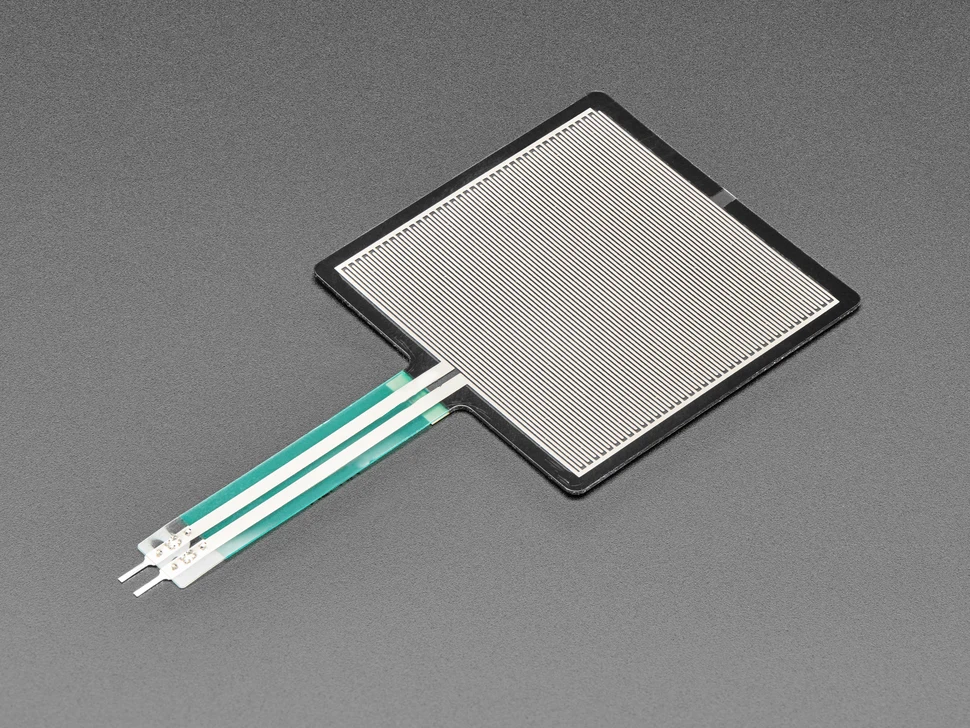
You notice SOUSHINE force sensors are changing robotics. These sensors help robots sense and react to things around them. When you put a flex force sensor on a robot, it can feel touch. Robots use this sense to pick up and move things. They also work safely with people.
Robotic arms use force sensors to check pressure. This tells robots how hard they are holding something. Robots can hold breakable things, like glass or fruit, without breaking them. The sensors send signals to the robot’s brain. The robot changes its grip and moves carefully.
Flexiforce sensors are inside special textiles. These textiles are used in robot gloves and suits. The sensors check force at many spots. Robots use this information to move better. You see these robots helping in factories, hospitals, and homes.
SOUSHINE FSRs give robots many good things:
- Robots get haptic feedback. They feel what they touch and react fast.
- Robots can change what they do based on force and pressure.
- Robots keep people and objects safe by using sensors.
- The sensors are light and can fit many robot shapes.
- Robots get force feedback right away and can react quickly.
Robots use force sensors to check force and torque during jobs. The sensors turn pressure into digital signals. This feedback helps robots know their actions. Robots become smarter and can change what they do.
| Application Area | How SOUSHINE FSRs Help |
|---|---|
| Humanoid Robots | Improve touch and sensing |
| Adaptive Control | React to physical contact |
| Delicate Manipulation | Hold fragile things with care |
| Pressure-Sensitive Textiles | Check force in robot gloves and suits |
| Safety Systems | Stop accidents and injuries |
SOUSHINE FSRs help robots act smarter. Robots use force sensors to work with people and objects in new ways. You see better results in factories, hospitals, and service robots. When you use SOUSHINE sensors, robots can learn and change.
💡 Tip: You can put SOUSHINE force sensors on robot arms and in wearable textiles. This lets robots feel touch and pressure, making them safer and smarter.
You see robotics getting better with SOUSHINE FSRs. These sensors help you make robots that work with people, do careful jobs, and keep everyone safe.
FlexiForce Sensors in Robotic Surgery
Tactile Feedback for Surgeons
You use flex force sensor technology to feel during robotic surgery. Flexiforce sensors are inside surgical tools. These sensors show you how much force you use. You get feedback from a haptic device, like the Neo. This device lets you feel force on your body. You notice when pressure or grip changes. You control soft tissues with more care.
- Force feedback helps you do suturing with better results.
- Feedback tools help lower damage to tissues.
- New surgeons finish suturing with less force and fewer mistakes.
- The da Vinci robot uses this technology to help you do better.
| Breakthrough | Description |
|---|---|
| Integration of FlexiForce Sensors | These sensors are in surgical tools. They help you sense force during robotic surgery. |
| Development of Haptic Interface | You wear a device to feel force. You control tools with more skill. |
| Enhanced Surgical Techniques | You do hard surgeries with more safety and skill. |
Tekscan’s flexiforce sensors help you feel the grip of robot tools. You control soft tissues better. You make surgery safer and more effective.
Improved Control and Precision
You see big changes in control and accuracy with flexiforce sensors. You use haptic feedback systems to improve grip force. New users show progress in grip force levels. Expert surgeons still need to use less force to avoid tissue harm. Even small forces, like 1.25N, can hurt tissue. Tri-modal haptic feedback works better than bi-modal feedback. You get more control and accuracy in robotic surgery.
- You use peg transfers to check grip force.
- Sensory feedback gives you a safe grip force guide.
- You move closer to ideal grip force.
You trust flexiforce sensors to guide your actions. You make fewer mistakes and keep surgery safe.
SOUSHINE Solutions for Surgical Robotics
You pick SOUSHINE force sensing resistors for surgical robots. These sensors fit inside robot arms and surgical tools. You get instant feedback about pressure and movement. You change your grip and force during surgery. You protect tissues and help patients get better.
- SOUSHINE sensors work with haptic devices.
- You get correct force readings every second.
- You use these sensors in robotic surgery for better control.
SOUSHINE makes sensors for many surgical uses. You use them in small surgeries and advanced robot systems. You trust SOUSHINE sensors to help you work safely and with skill.
🏥 Tip: You can use SOUSHINE sensors to train new surgeons. These sensors help you learn safe grip force and get better skills.
You see flexiforce sensors change robotic surgery. You get touch feedback, better control, and safer results. SOUSHINE helps you reach new levels in surgical robotics.
Technical Advances in Flex Force Sensors
Material and Design Innovations
In 2025, new materials and designs make force sensors better. Engineers use capacitive, resistive, hybrid, and friction electric flexible sensors. These sensors measure force in different ways. You find them in wearables, robot hands, and health monitors. The table below lists some important changes:
| Innovation Type | Description |
|---|---|
| Material Innovation | Capacitive, resistive, hybrid, and friction electric flexible sensors improve sensing. |
| Performance Advancements | Sensors now have better sensitivity, wider linear range, and faster response time. |
| Applications | You use sensors in wearable health monitoring, robot sensing, and human-robot interfaces. |
| Future Trends | Flexible sensors will keep growing in health, robotics, and environmental sensing. |
You use force sensors in wearables to count steps and check your heart. These sensors help you watch patients with heart or lung problems at home. Biomimetic 3d force sensors act like skin and feel pressure. This gives you more natural feedback when things change fast.
Data Accuracy and Reliability
You want sensors that give you correct and steady data. New self-powered flexible sensors collect real-time data without extra power. You use these sensors in health and robotics for nonstop information. Sensors measure small force and torque changes, which helps in surgery and robot control.
- Self-powered sensors collect body data for a long time.
- Lightweight sensors work without batteries, so data keeps coming.
- Sensors in robots give real-time feedback for better control.
You use HITEC’s sensors to measure force and turning in many directions. These sensors find tiny changes, which is important for surgery. Smart electronics inside sensors clean up the data, so you get clear results.
Integration with IoT and AI
You connect sensors to smart systems using IoT and AI. Sensors send data to the cloud for checking. You use this data to track health, control robots, and stay safe. AI finds patterns and warns you about problems early.
- Sensors in wearables send data to your phone or computer.
- IoT networks let you watch patients and robots from anywhere.
- AI uses sensor data to make choices and do tasks automatically.
Sensors work with smart chips and wireless parts. This lets you get real-time data and quick feedback. You use sensors to control robots, watch health, and keep things safe.
💡 Tip: You can use sensors with AI to find health changes early and help robots work better.
Sensors keep improving. You use them in more places, and they help you get better data and smarter systems.
Impact and Future Trends
Benefits for Health and Robotics
Flex force sensors are changing health and robotics. These sensors give you feedback right away. You can check muscle activity, grip strength, and how the body moves. In health, you use these sensors to watch patients and help them recover. In robotics, you help robots hold things, move safely, and work with people. This makes every job safer and more exact.
| Benefit | Health | Robotics |
|---|---|---|
| Real-time feedback | Patient monitoring | Robot control |
| Improved safety | Early alerts for issues | Collision prevention |
| Better outcomes | Faster recovery | Precise manipulation |
| Enhanced interaction | Patient-device communication | Human-robot teamwork |
🏆 Tip: These sensors help you build smart systems that learn from touch and movement.
Expanding Applications Beyond 2025
After 2025, you will use flex force sensors in more ways. Experts say these sensors will be used in many new places:
- In healthcare, you use force sensors in drug pumps to check blood sugar. You find IV tube blockages and watch how patients move on surgery tables. You measure joint forces during surgery and make rehab walking systems better.
- In renewable energy, you use force sensors to watch hydrogen production, storage, and moving. You check pressure and temperature to keep things safe. You also help hydrogen systems work better.
As technology grows, you will find even more uses for these sensors. You help make many industries safer and more efficient.
Challenges and Opportunities
There are some problems when using flex force sensors in health and robotics. You need to test sensors with many people. You must make sure people want to use the technology. You also need to think about how you collect and share data.
But there are also many chances to do better:
- You use new materials and designs to make sensors work better.
- You mix different sensor types to make hybrid systems.
- You make the user experience better and add new features.
💡 Note: By solving these problems and using new ideas, you help health and robotics get better. Your work helps people and machines work together in new ways.
You are important in making new sensor technology. You help find new uses, make things safer, and build smarter systems for everyone.
Flex force sensors are changing how you use tech in health and robotics. These sensors help you watch movement and keep things safer. They also give you feedback right away in many uses.
- You can use them in wearables to check how people walk and for patient care.
- SOUSHINE FSRs give correct results in surgery and with robots.
- New trends are smaller sensors, using AI, and sending data without wires.
| Trend | Description |
|---|---|
| Miniaturized Sensors | Fit inside tiny devices to track things easily |
| AI and IoT | Help smart systems make quick choices |
Keep learning with new guides and look at SOUSHINE’s solutions for your next project.
FAQ
What is a flex force sensor?
A flex force sensor measures how much force you apply to a surface. You see the sensor change its resistance when you press on it. This helps you track pressure and movement in real time.
How do you use SOUSHINE FSRs in health devices?
You place SOUSHINE FSRs in wearables, beds, or medical tools. These sensors help you monitor muscle activity, grip strength, and patient movement. You get quick feedback for better care.
Can robots use flex force sensors for safe handling?
Yes. You install flex force sensors on robot arms or grippers. Robots use these sensors to feel objects and adjust their grip. This helps you prevent damage to items and keeps people safe.
Why do you need force sensors in rehabilitation?
You use force sensors to track your movement and strength during therapy. These sensors give you and your therapist feedback. You see your progress and adjust your exercises for better results.
How do flex force sensors improve robotic surgery?
You use flex force sensors in surgical tools to feel pressure. These sensors give you feedback during surgery. You control your movements better and protect patient tissues.
Are SOUSHINE FSRs easy to add to new projects?
Yes. You can choose from many shapes and sizes. You connect SOUSHINE FSRs to your circuits with simple leads. You fit them into different devices without much effort.
What makes SOUSHINE FSRs different from other sensors?
SOUSHINE FSRs give you fast, accurate readings. You use them in many settings, from health to robotics. Their flexible design lets you fit them into many products.
Can you use flex force sensors with AI and IoT?
Yes. You connect flex force sensors to smart systems. You send data to the cloud or your phone. AI helps you find patterns and make better decisions.