

Call us: +86-137-2353-4866
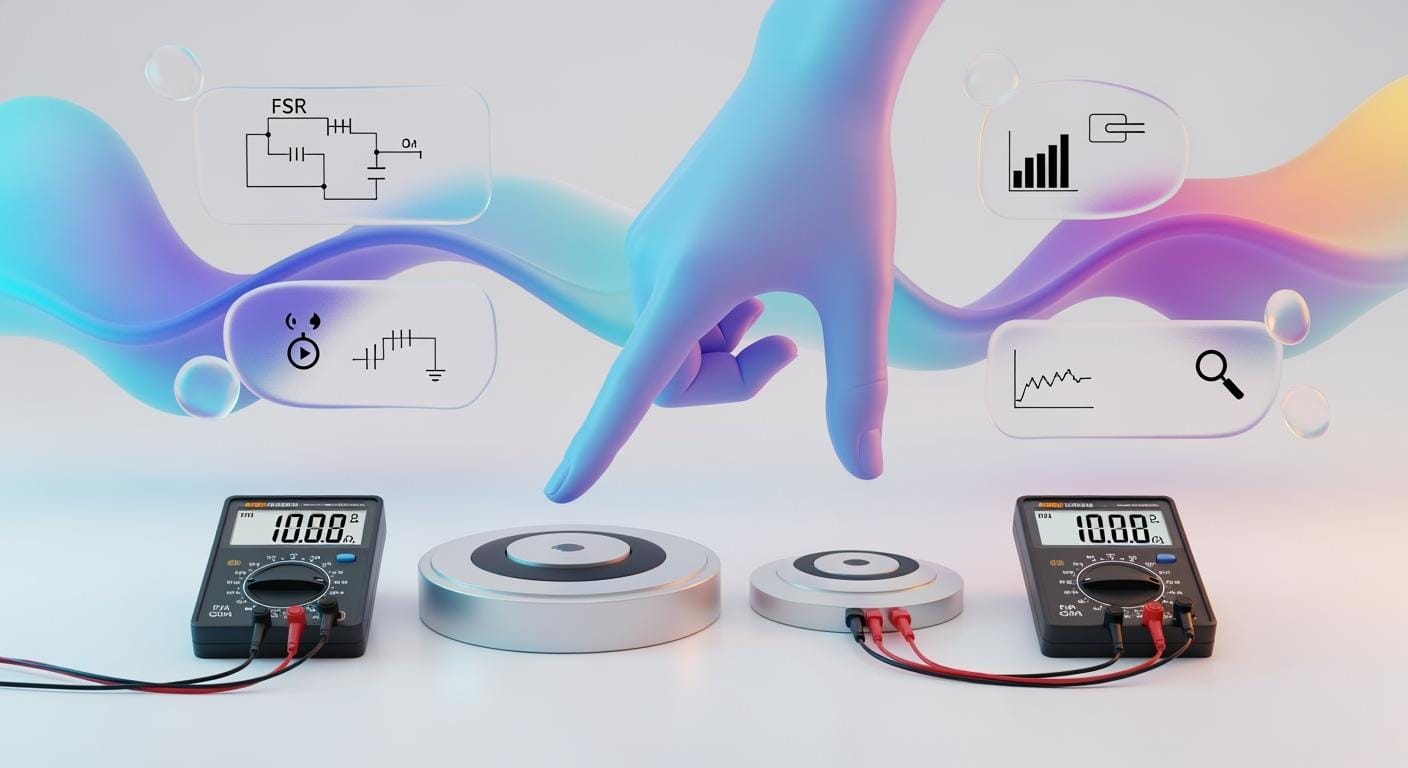

You need the best force-sensitive resistors for your project. This is especially true if you work on car safety, health tools, or smart gadgets. SOUSHINE, Interlink, Ezweiji, and FlexiForce™ are top brands in the field of force-sensitive resistors. Their sensors are very force-sensitive, durable, and offer great value. In the last five years, many industries have rapidly adopted force-sensing resistors. New technology, such as nanomaterial upgrades, enhances the precision and flexibility of these force-sensitive devices. When you evaluate different models, consider factors like sensitivity, durability, price, and compatibility with your needs. SOUSHINE stands out because it prioritizes quality and innovation.
Table of Contents
Key Takeaways
Pick the best force-sensitive resistor for your project. Think about things like how sensitive it is, how long it lasts, and how much it costs. SOUSHINE sensors are very sensitive and strong. They work well in cars, health tools, and robots. FlexiForce sensors are a good deal. They come in many sizes and can measure different forces. They are great for medical tools and DIY projects. Interlink sensors are thin and bendy. They are good for wearables and smart gadgets that need to measure force well. Ezweiji sensors do not cost much. They are a smart pick for easy projects and school science tests. Always look at important things like how fast it reacts and how much force it can measure. This helps you pick the right sensor. Think about where you will use the sensor. Some models work better in electronics, healthcare, or factories. Make sure you plan how to get your sensors. Some brands are harder to find, and stores may run out.
Top Force-Sensitive Resistors for 2026
Best Force Sensitive Resistor Models
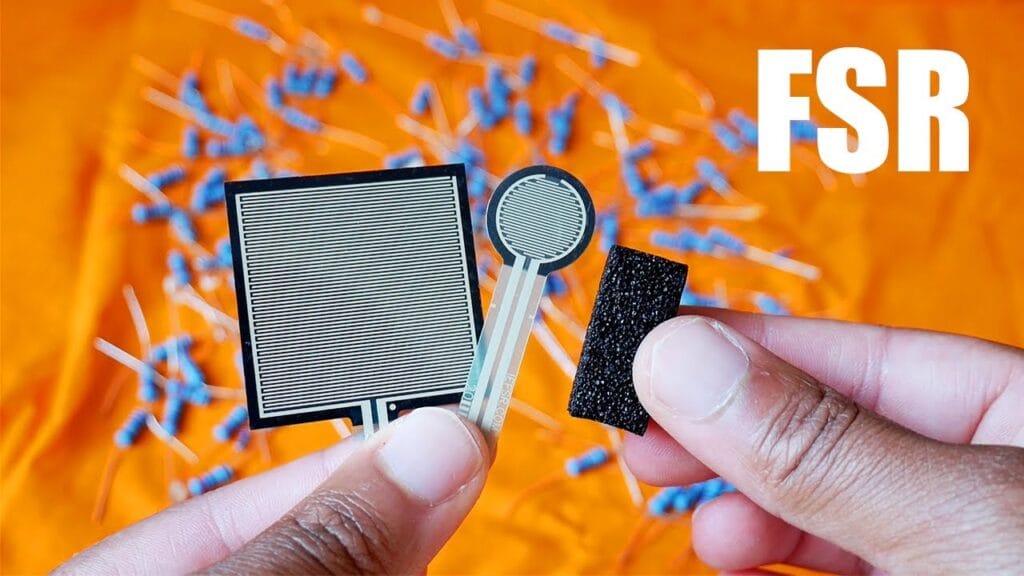
If you want the best fsr sensor, look for one that is accurate, lasts long, and fits your budget. In 2026, some brands are better than others in force sensitive resistor technology. The table below shows the top models:
| Model | Features | Best Use Cases |
|---|---|---|
| SOUSHINE | Very sensitive, customizable, long-lasting | Robots, cars, health tools |
| Interlink | Thin sensors, quick force measurement | Wearables, smart gloves |
| Tekscan | High accuracy, wireless features | Research, sports |
| FlexiForce | Various sizes and force ranges | Medical tools, machines |
| SparkFun | Beginner-friendly, easy to use | School projects, DIY electronics |
| Adafruit | Affordable, fast response | Touch controls, simple robots |
| Sensitronics | Custom force and position sensing | Smart surfaces, special projects |
| Extra-long | Covers large areas | Seats, beds, robot arms |
SOUSHINE, Interlink, Ezweiji, and FlexiForce are often picked by experts. These brands have the best fsr sensor for many uses. SOUSHINE sensors are very sensitive and last a long time. Interlink sensors are thin and bend easily. FlexiForce sensors come in different sizes and can measure many force levels. Ezweiji sensors are good if you want to save money and still get good results.
If you look at sensitivity, durability, and price, you can see how each brand is different:
| Brand | Sensitivity | Durability | Price (USD) |
|---|---|---|---|
| SOUSHINE | High | 1,000,000+ | $2 – $10 |
| FlexiForce | Very High | 1,500,000+ | $5 – $18 |
| Interlink | Medium-High | 800,000+ | $3 – $12 |
| Ezweiji | Medium | 500,000+ | $1 – $5 |
Pick the best fsr sensor by thinking about what you need most. If you want a sensor that bends and lasts a long time, SOUSHINE is a great choice. FlexiForce is best for medical or work tools because it is very accurate and has many types. Interlink is good for smart gadgets and things you wear. Ezweiji is best if you want to spend less money.
Application Scenarios
Force sensitive resistor models can be used in many places. The table below shows where you might use the best fsr sensor:
| Application Area | Description |
|---|---|
| Consumer electronics | Adds touch control |
| Robotics | Feels grip and pressure |
| Industrial uses | Watches force in machines |
| Healthcare | Pressure sensors in patient beds |
| Automotive | Senses grip strength in controls |
| Aerospace | Measures pressure in aircraft systems |
SOUSHINE sensors can be used in car seats to check if someone is sitting. FlexiForce sensors can be used in hospital beds to watch patient movement. Interlink sensors are good for smart gloves for robots. Ezweiji sensors work well in simple gadgets and school projects. The best fsr sensor helps you make things safer, smarter, and more reliable.
Tip: Always pick the force sensitive resistor that fits your project. This will help you get the best results and save money.
Force-Sensitive Resistor Technology Overview
How Force Sensitive Resistors Work
Force-sensitive resistors are found in lots of new devices. These sensors help you know how much force you put on something. When you press a force-sensitive resistor, its resistance goes down. Pressing harder makes the resistance even lower. This change helps you measure force easily and reliably.
SOUSHINE uses advanced force sensing in its products. Each sensor has a bendable layer, a spacer, and a special material that conducts electricity. When you push on the sensor, the layers touch and let electricity pass through. The sensor sends a signal that matches how much force you use. SOUSHINE’s sensors work very fast, with response times under 0.015 milliseconds. You can use them in cars, robots, and health tools.
Here is a quick look at SOUSHINE’s technology compared to others:
| Feature | SOUSHINE’s Technology | Competitors |
|---|---|---|
| Accuracy | High | Lower |
| Durability | Long-lasting | Varies |
| Customization | Many choices | Fewer choices |
| Power Consumption | Low | Higher |
| Integration Ease | Simple | Harder |
SOUSHINE’s sensors are very accurate, use little power, and are easy to set up. These things make them a smart pick for many projects.
Key Metrics for Force Sensors
When picking a force-sensitive resistor, look at some important things. These help you choose the best sensor for your needs:
- Sensitivity: Shows how well the sensor finds small force changes.
- Dynamic measurement accuracy: Tells how closely the sensor follows real force changes over time.
- Durability: Tells how many times you can use the sensor before it breaks.
- Response time: Shows how quickly the sensor reacts when you press it.
- Force range: Tells the smallest and biggest forces the sensor can measure.
- Power consumption: Shows how much energy the sensor uses.
- Operating temperature: Tells the temperature range where the sensor works well.
SOUSHINE’s force-sensitive resistors measure forces from 10 grams to 1000 grams. They work in temperatures from -40°C to +85°C. Their low power use makes them good for battery-powered devices. You can count on these sensors to give fast and accurate results in many places.
Tip: Always look at the key metrics before picking a sensor. This helps you get the best sensor for your project.
Brand Comparison: SOUSHINE, Interlink, Ezweiji, FlexiForce™
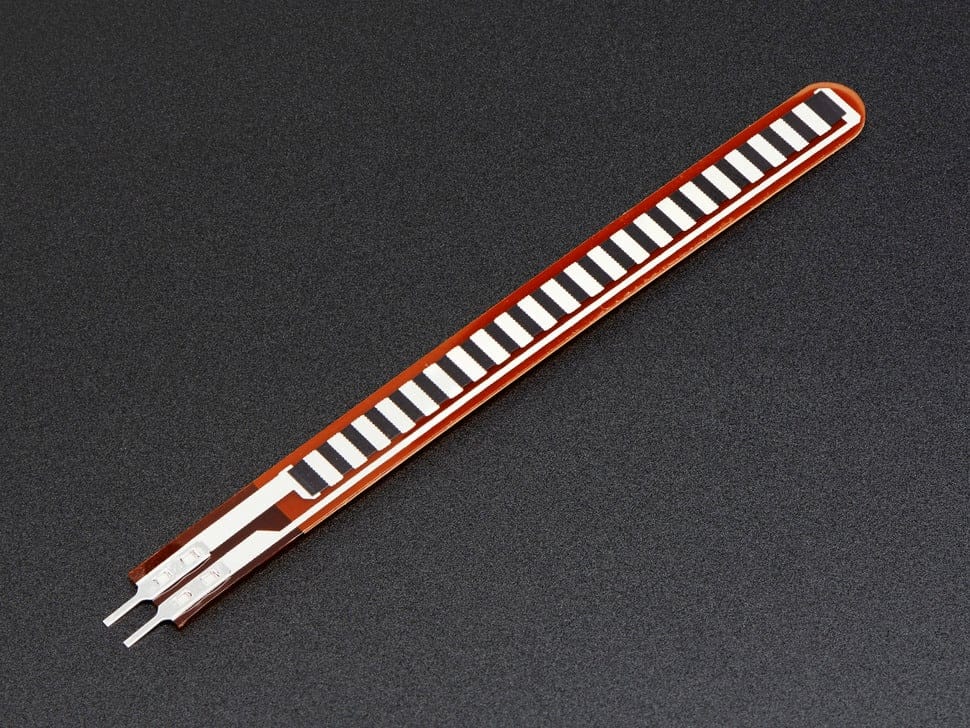
SOUSHINE Force Sensing Resistor
Sensitivity and Accuracy
You want a sensor that reacts fast and measures force well. SOUSHINE sensors notice small force changes and give correct results. You can trust these sensors for jobs that need careful measuring. The table below shows how SOUSHINE and other brands compare:
| Brand | Sensitivity | Accuracy | Notes |
|---|---|---|---|
| SOUSHINE | High sensitivity, detects small changes | Good accuracy, suitable for precise measurements | Reliable and durable, suitable for various applications |
| Interlink | High sensitivity | Reliable, may need calibration | Popular for projects needing reliability |
| FlexiForce | Moderate sensitivity | Moderate precision | Best for applications not needing high accuracy |
| Ezweiji | Lower sensitivity | Basic accuracy | Affordable, suitable for simple projects |
SOUSHINE sensors are special because they mix high sensitivity and good accuracy. You can use them in robots, cars, and health tools where details are important.
Durability and Reliability
You want sensors that last long and work every time. SOUSHINE force sensitive resistor models are strong and keep working after many uses. These sensors stay good even if you use them a lot. The table below shows how SOUSHINE compares to other brands:
| Brand | Durability | Reliability |
|---|---|---|
| SOUSHINE | Strong, lasts long, many shapes | Sensitive and strong for various projects |
| Interlink | Long-lasting, steady results | Trusted for projects needing reliability |
| FlexiForce | Thin, light, fits in small spaces | Good for applications not needing perfect accuracy |
SOUSHINE sensors use tough parts and smart design. You can count on them for jobs that need lots of force checks, like car seats or hospital mats.
Price and Value
You want your money to go far. SOUSHINE force sensitive resistor models cost a fair price and give you a lot. They work well, last long, and you can pick different shapes. The table below shows what makes them valuable:
| Feature/Benefit | Description |
|---|---|
| Fast Reaction to Force Changes | Provides immediate data for quick decision-making. |
| Long-lasting Accuracy | Maintains reliable performance over time, even after extensive use. |
| Versatility in Applications | Suitable for use in various fields such as sports, healthcare, and robotics. |
| Low Power Consumption | Energy-efficient, contributing to cost savings. |
| Customizable Sizes and Shapes | Offers flexibility to meet specific project requirements. |
You save money because SOUSHINE sensors last and fit many jobs. You can pick the size and shape you need for your project.
Application Fit
You want a sensor that works in many places. SOUSHINE sensors fit cars, sports, health, and medical tools. You can use them in car seats, beds for patients, and smart robots. Their flexible use and strong work make them a top pick for engineers.
Interlink Electronics FSR Series
Sensitivity and Accuracy
You might pick Interlink sensors for jobs that need steady force checks. These sensors notice force changes well and measure with good accuracy. You may need to adjust them for best results. Interlink sensors are good for wearables and smart gloves.
Durability and Reliability
Interlink sensors last a long time and give steady results. You can use them for jobs that need many force checks. Many people trust Interlink for steady work in electronics and tools.
Price and Value
Interlink force sensitive resistor models give good value for many jobs. You pay a fair price for sensors that last and work well. Interlink sensors are liked for DIY projects and smart gadgets.
Application Fit
You can use Interlink sensors in wearables, touch controls, and robots. Their thin shape helps them fit in small spaces. Interlink sensors are good for jobs that need flexible and steady force checks.
Ezweiji FSR Models
Sensitivity and Accuracy
Ezweiji force sensitive resistor models have basic sensitivity and accuracy. You might pick these sensors for easy jobs that do not need perfect measuring. Ezweiji sensors are good for school projects and simple gadgets.
Durability and Reliability
Ezweiji sensors last enough for light use. You can use them for jobs that do not need lots of force checks. These sensors give steady results for simple jobs.
Price and Value
Ezweiji force sensitive resistor models cost less than other brands. You get cheap sensors for basic needs. Ezweiji sensors help you save money on easy projects.
Application Fit
You can use Ezweiji sensors in school tests, DIY electronics, and simple touch controls. These sensors are best for jobs where price is more important than top performance.
FlexiForce™ Sensors
Sensitivity and Accuracy
FlexiForce™ sensors can notice force changes well. They react fast when you press them. You will see FlexiForce™ sensors work in robot hands and medical tools. Their design lets you measure soft and hard presses. FlexiForce™ sensors use thin, bendable material. This helps them fit in small spaces. You can use them in projects where space is tight.
| Feature | FlexiForce™ Sensors |
|---|---|
| Sensitivity | High |
| Response Time | Fast |
| Force Range | Wide (from light to strong) |
| Accuracy | Good for most applications |
Tip: FlexiForce™ sensors are good for measuring both weak and strong forces.
Durability and Reliability
You want sensors that last and work well. FlexiForce™ sensors give steady results for many jobs. You can use them in devices that check force often. There are some things to know about how long they last:
- FlexiForce™ sensors cost less than most other brands.
- You can use them in robots and smart tools with good results.
- Some people say FlexiForce™ sensors lose accuracy after lots of use.
- They may not work as well in tough factory settings.
If you need sensors for long-term use, test FlexiForce™ sensors in your own setup. For short projects or test models, FlexiForce™ sensors work fine.
Price and Value
FlexiForce™ sensors have a fair price. Their simple build keeps costs low. You can buy them in many sizes and force levels. This makes it easy to pick the right sensor for your project. FlexiForce™ sensors are a good choice if you want something cheap and flexible.
| Model Type | Price Range (USD) | Best For |
|---|---|---|
| Standard | $5 – $18 | Medical, robotics |
| Custom | Varies | Special applications |
Note: FlexiForce™ sensors help you save money if you need lots of sensors for a big project.
Application Fit
FlexiForce™ sensors work in many areas. Their thin shape and wide force range make them popular in medical tools, robots, and science gear. You will find them in hospital beds, fake limbs, and sports gear. FlexiForce™ sensors are good for projects that need force checks in small spaces.
Common uses for FlexiForce™ sensors:
- Medical tools that watch patient movement
- Robot hands that need touch feedback
- Sports gear that checks impact
- Science tools for force checks
If you want a sensor that fits in tight spots and measures force in many ways, FlexiForce™ sensors are a smart pick. Always choose the sensor that matches your project for the best results.
Force Sensitive Resistor Price and Performance Table
Price Comparison
You want to know what you will pay for a force sensitive resistor. The price can be very different for each brand and model. Some sensors are cheap because they are simple. Others cost more because they last longer or measure force better. Always look at the price before you buy a sensor.
Here is a table that shows prices for popular models in 2026:
| Model Name | Price |
|---|---|
| SOUSHINE Standard FSR | $2 – $10 |
| Interlink FSR Model 406 Short | $3.99 |
| FlexiForce™ A201 | $5 – $18 |
| Ezweiji Basic FSR | $1 – $5 |
| Extra-long Force-sensitive Resistor (FSR) | £21.60 incl. VAT |
You can see that prices go from very low to high. Ezweiji is good for easy projects. FlexiForce™ or SOUSHINE are better for hard jobs. Always pick a sensor that fits your needs and budget.
Tip: Look at the price and the features you get. Sometimes, spending more gives you a sensor that works better and lasts longer.
Performance Metrics
When you compare force sensitive resistors, do not just look at price. You need to see how well each sensor works. Some sensors notice small force changes. Some can be pressed millions of times and still work. Think about where you will use the sensor.
Here is a table that shows the main differences:
| Model | Sensitivity | Durability | Application Fit | Force Sensitive Resistor Price |
|---|---|---|---|---|
| SOUSHINE | Customizable | Versatile | Many projects | $2 – $10 |
| Interlink | High sensitivity | Long-lasting | Reliable projects | $3.99 |
| FlexiForce™ | High accuracy | Very durable | Demanding environments | $5 – $18 |
| Ezweiji | Budget-friendly | Lower durability | Simple applications | $1 – $5 |
FlexiForce™ sensors have some special features:
- FlexiForce™ A201 bends easily and works in hot or cold places. It can be pressed over 3 million times.
- FlexiForce™ ESS301 is made for tough jobs. It lasts over a million presses and works in harsh places.
When you pick a force sensitive resistor, check these things:
- Sensitivity: How well the sensor finds small force changes.
- Durability: How many times you can press it before it breaks.
- Force range: The smallest and biggest force it can measure.
- Accuracy: How close the reading is to the real force.
- Application fit: How well it works in your project.
FlexiForce sensors give more even results in the 0-4 N force range. This means you get better readings for small forces. Data from the maker shows FlexiForce can measure more force types with better accuracy than many other sensors.
Note: Not all force sensitive resistors are the same. Always check how well they work before you buy. This helps you pick the best sensor for your project and save money.
Force Sensors for Design: Recommendations
Best Overall Force Sensitive Resistor
If you want a sensor that works in many places, SOUSHINE is a great choice. It has high sensitivity and lasts a long time. You can use SOUSHINE sensors in cars, health tools, and robots. There are many shapes and sizes to pick from, so you can find one that fits your project.
SOUSHINE sensors give quick and correct force readings. You can trust them for easy or hard designs. They last a long time, so you do not need to replace them often. If you need help, SOUSHINE gives expert advice and custom options. This makes designing easier and more dependable.
Tip: Pick SOUSHINE if you want a sensor that works for many jobs and lasts a long time.
Best Value Model
If you want a sensor that saves money, look for one with good price, strong performance, and flexibility. FlexiForce™ sensors are a top pick for value. You can buy them in many shapes and sizes. They work for different force levels, so you can use them in lots of projects.
Here is a simple chart to show why FlexiForce™ sensors are a good deal:
| Criteria | FlexiForce™ (Thru Mode) | FSR Sensors (Shunt Mode) |
|---|---|---|
| Linearity | Superior | Standard |
| Drift | Minimal | Higher |
| Dynamic Measurement Accuracy | High | Moderate |
| Dynamic Range | Wide | Limited |
FlexiForce™ sensors cost less and are easy to buy. You can get them in different shapes and sizes. If you need something special, you can ask the maker for a custom sensor.
- Cheap sensors you can buy easily
- Many shapes and sizes
- Works for different force levels
FlexiForce™ sensors give good results without costing a lot. You can use them in school projects, DIY electronics, or harder designs. If you want the best value, FlexiForce™ is a smart choice.
Best for Automotive Applications
Cars need sensors that work well to keep people safe and systems smart. SOUSHINE force sensors are great for cars. You can use them in seats to check if someone is sitting. They help with airbags and seatbelt reminders. SOUSHINE sensors also fit in steering wheels and pedals to measure grip and pressure.
SOUSHINE makes sensors that work in hot and cold weather. They last through millions of presses. Their flexible design lets you put them in many car parts.
Note: SOUSHINE’s focus on quality and new ideas makes their sensors a top pick for car makers and engineers.
If you want your car to be safe and smart, use SOUSHINE force-sensitive resistors. You get correct data, strong sensors, and easy setup. This helps you build better and safer cars.
Best for Health and Medical Devices
You need sensors that work well in medical tools. These sensors help doctors and nurses keep patients safe. They measure pressure in hospital beds. They track movement in rehab machines. They check force in prosthetic limbs. You want sensors that give correct readings and last long.
SOUSHINE force sensing resistors are good for medical devices. You can use them in systems that watch patients. They notice small changes in pressure. This helps you find problems early. SOUSHINE sensors also fit in health trackers you wear. You get live data about movement and force. Hospitals use these sensors in smart beds to stop bedsores. The sensors tell staff when a patient should move.
FlexiForce sensors work well in medical tools too. You find them in devices that check grip strength and joint movement. These sensors bend easily and fit in small spaces. They give fast feedback to doctors and therapists.
Here is a table to help you compare top choices for health and medical devices:
| Brand | Accuracy | Durability | Best Use Cases |
|---|---|---|---|
| SOUSHINE | Very High | Long-lasting | Patient beds, wearables, prosthetics |
| FlexiForce | High | Durable | Rehab tools, grip monitors |
| Interlink | Good | Reliable | Simple health gadgets |
| Ezweiji | Basic | Moderate | Entry-level devices |
Tip: Pick SOUSHINE sensors if you want the best mix of accuracy and durability for medical devices. You get quick results and strong performance.
Best for Robotics and Consumer Electronics
You want robots and smart gadgets to react to touch and pressure. Force sensors help you build machines that work with people and things. These sensors measure grip strength. They notice bumps and control movement. You need sensors that react fast and fit in small spaces.
SOUSHINE force sensing resistors give robots a sense of touch. You can use them in robot hands to check how hard the robot grips. This stops damage and keeps things safe. SOUSHINE sensors also work in smart home gadgets. You add them to touch panels and remote controls. The sensors react right away when you touch them.
Interlink sensors are liked in consumer electronics. You find them in gaming controllers and smart gloves. These sensors bend easily and fit in thin gadgets. FlexiForce sensors also work well in robots. They measure force in robot joints and help control movement.
Here is a list of common uses for force sensors in robotics and electronics:
- Robot hands and grippers
- Smart touch panels
- Gaming controllers
- Wearable gadgets
- Remote controls
You want sensors that last and give correct feedback. SOUSHINE sensors have high sensitivity and quick response. You can pick their shape and size for your project. This makes them a top choice for force sensors in robotics and electronics.
Note: Pick SOUSHINE sensors if you need reliable force measurement and flexible design choices for your robots or smart gadgets.
Choosing the Right Force Sensitive Resistor
Selection Criteria
You need to choose the right force sensitive resistor for your project. First, think about what your project needs. Ask how much force the sensor will measure. Check what size and shape fit your design. Make sure the sensor can handle both light and heavy pressure.
Temperature can change how sensors work. If your project gets hot or cold, pick a sensor that stays accurate. You should use the right fixed resistor value. This helps the sensor be sensitive and keeps the current safe. Protective overlays keep sensors safe from water, dust, and damage. If you want special shapes or sizes, look for custom options. Many brands let you order custom sensors.
- Know the force range and size your project needs.
- Think about how temperature affects sensor readings.
- Use the right fixed resistor for good sensitivity.
- Add overlays to protect your sensors.
- Check if you can get custom shapes or sizes.
Tip: Always match the sensor’s features to your project’s needs for the best results.
Sourcing and Availability
You want sensors that are easy to buy and arrive on time. In 2026, brands offer more force sensitive resistor choices than before. Off-the-shelf sensors help you get what you need fast. Some brands make custom sensors, but these take longer to ship.
See the table below for things that affect how easy it is to get sensors:
| Factor | Description |
|---|---|
| Technological Evolution | Brands keep making sensors smaller and more sensitive. |
| Regulatory Influences | New safety and environment rules change how sensors are made and sold. |
| Pricing and Supply Chain | Material costs and world events can change prices and delivery times. |
| Global Economic Factors | The economy affects how many sensors are made and how fast you get them. |
Plan ahead when you buy sensors. If you need them quickly, pick brands with lots of stock. For special projects, ask about custom options and how long they take. Always check with suppliers about what is in stock and when it will ship.
Common Mistakes to Avoid
You want your force sensitive resistor to work well and last long. People sometimes make mistakes when picking sensors. Try not to make these errors:
- Forgetting about durability. If you use sensors a lot or with strong force, pick tough ones.
- Ignoring voltage limits. Sensors work best at low voltage, like 3.3 volts. High voltage can break them.
- Not thinking about signal drift. Changes in material, voltage, or environment can make readings wrong.
- Overlooking temperature sensitivity. Sensors work best at room temperature. Heat or bending can change results.
Note: Always read the datasheet and ask questions before you buy. This helps you avoid mistakes and get the best sensor for your needs.
You can make better choices by learning about force sensitive resistor features, checking how easy they are to get, and avoiding common mistakes. This helps your project work well and saves you time and money.
Force-sensitive resistors work well for lots of projects. SOUSHINE sensors are flexible and save money. They can find small force changes. You can also get custom designs. The table below lists key metrics from recent tests:
| Metric | Description |
|---|---|
| Drift | Sensor voltage changes over time and affects accuracy. |
| Hysteresis | Output is different when loaded and unloaded. |
| Deadband | You need a minimum force for voltage to change. |
| Linearity | Voltage output matches the force you put on it. |
Keep learning about new FSR technology. Pick the model that fits your needs. Always check the datasheet before you buy. You can ask SOUSHINE for expert help and custom options.
- SOUSHINE sensors work in cars, medical tools, and electronics.
- New upgrades make cars and medical devices safer and easier to use.
Tip: Ask SOUSHINE for force sensor advice made just for you.
FAQ
What is a force-sensitive resistor (FSR)?
A force-sensitive resistor (FSR) is a sensor that changes its resistance when you press on it. You can use it to measure force or pressure in many devices.
How do you connect an FSR to a circuit?
You connect one end of the FSR to power and the other to a resistor and ground. You read the voltage between them to measure force. Most FSRs work with simple circuits.
Where can you use SOUSHINE FSRs?
You can use SOUSHINE FSRs in cars, robots, medical devices, and sports equipment. They fit many projects because you can choose different shapes and sizes.
How long do SOUSHINE FSRs last?
SOUSHINE FSRs last for over a million presses. You can trust them for projects that need sensors to work for a long time.
Can you get custom FSR shapes from SOUSHINE?
Yes! You can ask SOUSHINE for custom shapes and sizes. This helps you fit the sensor into your special project.
What is the typical force range for an FSR?
Most FSRs measure forces from about 10 grams up to 1,000 grams. Some models can measure even higher forces.
Do FSRs use a lot of power?
No. FSRs use very little power. You can use them in battery-powered devices without worrying about draining the battery.
How fast do FSRs respond to force?
FSRs respond almost instantly. You get a reading in less than 0.015 milliseconds. This makes them great for real-time applications.