

Call us: +86-137-2353-4866

You may wonder how strong your jaws are. The average human bite force is about 162 PSI. Most people have jaw strength of 285.01 Newtons for men. For women, it is 253.99 Newtons. Bite force can be between 446 N and 1221 N. The strongest jaws were recorded at 975 pounds by Richard Hofmann. Bite force is important for chewing and dental health. It also helps with planning treatments. The table below explains why bite force matters in medical and dental research:
| Aspect of Bite Force Importance | Explanation |
|---|---|
| Indicator of Masticatory Function | Bite force shows how healthy your chewing system is. |
| Treatment Planning for Implants | Dentists use bite power to pick the right implant size and design. |
| Risk Assessment for Implant Failure | A strong bite can harm implants, so measuring force helps keep treatment safe. |
Many things affect your bite, like age, genetics, and dental health. Today, experts use a force sensing resistor to measure bite force in real time.
Table of Contents
Key Takeaways
Most people have a bite force of about 162 PSI. This is about 720 Newtons. Bite force changes with age, gender, and health. Men usually have stronger bites than women. Healthy teeth and gums help keep bite force strong. Dental problems can make bite force weaker. Eating many kinds of food helps jaw muscles get stronger. Crunchy foods are good for this. Bite force matters for dental health. Dentists use bite force to plan treatments. They also use it to check risks. Force Sensing Resistors (FSRs) are new tools. They measure bite force fast and well. Going to the dentist often helps check bite force. It also helps keep your mouth healthy. Some people think humans have weak bites. This is not true. Humans have a strong bite for their size.
How much bite force do humans have?
Average PSI and Newtons
You may wonder how strong your bite is. Most people bite with about 162 PSI. This equals around 720 Newtons for adults. Men usually have about 285 Newtons. Women often reach about 254 Newtons. These numbers can change with age, health, or background.
Researchers found bite force can differ in groups. For example, obesity affects bite strength in kids. Obese boys have lower bite force. Obese girls have higher bite force.
| Population Group | Bite Force Change |
|---|---|
| Obese Boys | Decreased |
| Obese Girls | Increased |
Ethnic background matters too. Young Danish females bite less hard than Japanese females. Young Japanese males bite harder than Japanese females.
| Ethnic Group | Maximal Clenching Force |
|---|---|
| Young Danish Females | Lower than Japanese Females |
| Young Japanese Males | Greater than Japanese Females |
Note: Many things affect bite force. It is not just age or gender.
Maximum Recorded Bite Force
Some people have much stronger jaws. The highest human bite force is 575.6 Newtons. Scientists measured this near the first molar. The person was 20 years old. They bit down hard for 5 to 7 seconds. The test used a FlexiForce sensor.
- Highest bite force is 575.6 N.
- Measured at the M1 bite point.
- The person was 20 years old.
- A FlexiForce sensor was used.
- The bite lasted 5–7 seconds.
Some reports show higher numbers. These are often guesses or special cases. Most people will not reach this level. It shows how strong jaws can be.
Gender and Age Differences
Bite force changes as you grow up. Boys and girls get stronger bites from infancy to teen years. After puberty, males keep higher bite force than females. As adults, females lose some bite force. Males stay higher at all ages.
| Age Group | Maximum Bite Force (MBF) | Gender Differences |
|---|---|---|
| Infancy to Adolescence | Increases | Males > Females |
| Post-Puberty | Males maintain higher MBF | Significant differences noted |
| Adulthood | Females decrease MBF | Males remain higher across all ages |
Researchers studied these changes in many groups. For example, Japanese kids aged 3 to 17 got stronger bites as they grew. Boys had higher bite force than girls from ages 3 to 18. Bite force rises with age in kids and teens. Males show the biggest jump after age 13.
Studies show gender is important. Males usually have higher bite force than females. Muscle mass and strength also matter. Habits like teeth grinding can change bite force. Gender is still the main factor.
- Males usually have higher bite force than females.
- Muscle mass and strength help bite force.
- Gender is a main reason for bite force differences.
Tip: If you want to know your bite force, remember age, gender, health, and background all matter.
Measuring Bite Force
Methods and Tools
There are different ways to measure bite force. Some tools are used in labs. Others can be used in daily life. Here are some common ways:
- The BYTE device checks bite force with a special sensor. It needs careful setup and follows strict rules. You press down slowly, starting at 3 Newtons and going up to 444 Newtons. This tool meets ISO quality rules.
- The T scan system and Dental Prescale System also check bite force. These tools are very accurate. You need training to use them. They cost more than other tools.
- Force Sensing Resistors (FSRs) are a newer way to measure bite force. SOUSHINE’s FSRs use new technology. You get quick results and they fit into dental tools easily.
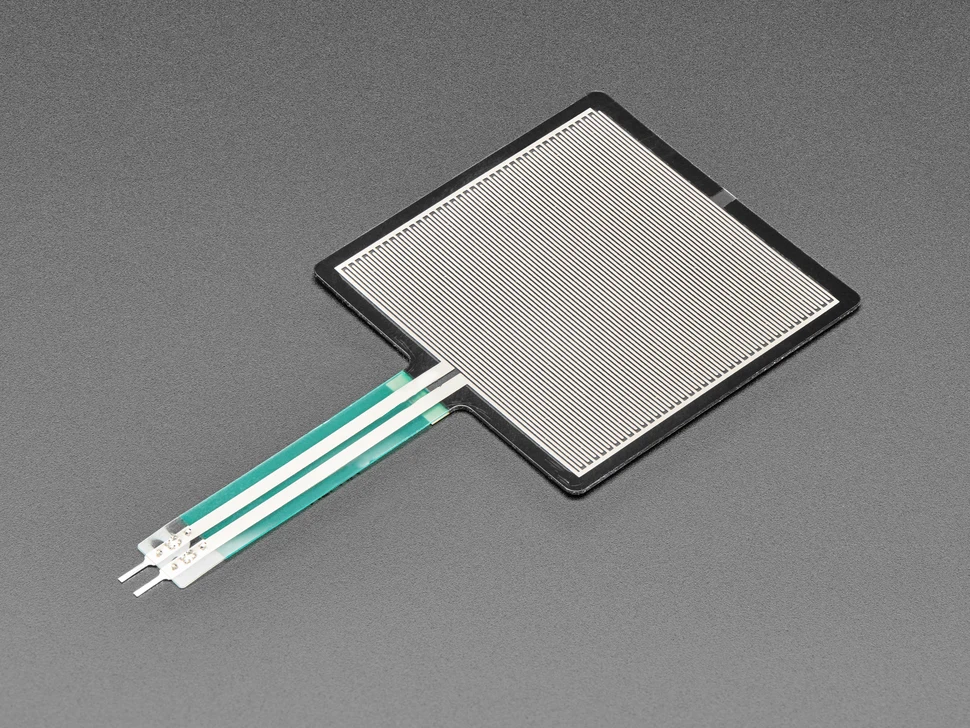
Force Sensing Resistors (FSRs)
FSRs change their electrical resistance when you press them. You put the sensor between your teeth. When you bite, it records the force. SOUSHINE’s FSRs have a bendy base and a special layer that carries electricity. This makes the sensor last longer and fit many shapes.
FSRs help dentists and doctors check bite force during exams. You see results right away. The sensor fits inside mouthguards or dental tools. You can use FSRs for checkups or research.
Here is a table comparing FSRs and other tools:
| Technology | Accuracy | Reliability |
|---|---|---|
| Force Sensing Resistors (FSRs) | Not as exact | Good for seeing if force is there and how it changes |
| Strain Gauges | Very exact | Needs careful setup and extra equipment |
FSRs give fast feedback. You can notice changes in bite force over time. Strain gauges are more exact but harder to set up.
Laboratory vs. Real-World Testing
Lab tests happen in controlled places. You bite on a sensor with set force levels. The BYTE device and Dental Prescale System work well in labs. You get the same results each time. Real-world tests use FSRs in mouthguards or splints. You can measure bite force while eating or talking.
Lab tools need setup and training. Real-world tools like SOUSHINE’s FSRs are easy and quick to use. You can use them at home or at the dentist.
Measurement Challenges
Measuring bite force can be tricky. Tooth shape and jaw movement can change the results. Sensors must fit your mouth well. If the sensor moves, the numbers can be wrong. Some tools cost more and need special training.
FSRs fix many of these problems. They are flexible and fit most mouths. You see results right away. Dentists use them for quick checks. You can watch your bite force over time.
Tip: If you want to know your bite force, ask your dentist about FSRs. They are safe, quick, and give good results.
Bite Force Influencing Factors
Jaw Anatomy and Muscle Strength
Your bite force depends a lot on the structure of your human jaw and the strength of your jaw muscles. The main muscles that help you chew are called jaw elevator muscles. These muscles work together to help you close your mouth and bite down. If you have strong jaw muscles, you can produce a higher bite force. The shape of your human jaw also matters. Some people have a wider or shorter jaw, while others have a longer or narrower one. These differences in jaw shape can change how much force you can use when you bite. For example, people with a broad, short jaw often have a stronger bite than those with a long, narrow jaw. The way your bones and muscles work together makes a big difference in how strong your bite is.
Dental Health and Tooth Condition
Healthy teeth and gums help you use your bite force well. If you have strong teeth, you can chew harder foods without problems. Damaged teeth or dental work, like fillings or crowns, can lower your bite strength. People who grind their teeth, a habit called bruxism, often have a higher bite force. This can lead to more broken teeth or dental repairs. The table below shows how dental health and bite force are linked:
| Key Findings | Details |
|---|---|
| Higher Maximum Bite Force | Linked to more fractures in teeth and dental work. |
| Bruxism Impact | People who grind their teeth have higher bite force and more fractures. |
| Statistical Significance | More fractures in people who grind their teeth than those who do not. |
If you take care of your teeth, you can keep your bite force strong and avoid dental problems.
Age, Gender, Genetics
Your age and gender also play a role in your bite force. As you grow, your jaw muscles get stronger, and your bite force increases. Boys and girls both see this change, but boys often develop a stronger bite after puberty. Men usually have a higher bite force than women because of muscle size and bone structure. Genetics can affect the shape of your jaw and how your muscles work. Some traits, like jaw shape, pass from parents to children. However, the bite force itself does not pass down as much as you might think. Your environment, like what you eat and how you use your jaw, also shapes your bite strength. If you live in a place where you eat tougher foods, your jaw muscles may grow stronger over time.
Tip: If you want to keep your bite force strong, focus on good dental care and healthy eating habits.
Lifestyle and Diet
Your daily habits shape your bite force more than you might think. What you eat and how you eat can change the strength of your jaw over time. If you eat regular meals and chew different types of food, your jaw muscles stay active. This helps you keep a strong bite.
You may notice that people who eat breakfast every day often have a higher bite force. Skipping breakfast can lead to weaker jaw muscles. When you eat in the morning, you give your jaw a workout. This helps your muscles stay strong and ready for the day.
The number of meals you eat each day also matters. If you eat more meals, you use your jaw more often. This keeps your muscles working and helps you build a stronger bite. Eating only once or twice a day may not give your jaw enough exercise.
How much you eat at each meal can also play a role. If you eat until you feel full, your jaw works harder. This extra effort can help you develop a stronger bite. People who eat small amounts may not use their jaw muscles as much.
Your overall eating habits have a big impact on your bite force. If you eat a variety of foods and chew well, your jaw muscles stay healthy. Long-term habits matter most. If you always eat soft foods, your jaw muscles may get weaker. Chewing tough foods like raw vegetables or lean meats can help your jaw stay strong.
Here is a table that shows how different eating habits relate to bite force:
| Habit | Relationship to Bite Force |
|---|---|
| Eating breakfast | People who eat breakfast tend to have a higher maximum bite force. |
| Number of meals | More meals per day often lead to a stronger bite. |
| Eating until full | Eating until you feel full can increase your maximum bite force. |
| Overall eating habits | Long-term eating patterns play a key role in keeping your bite force strong. |
You can see that your daily choices make a difference. If you want to keep your bite force strong, pay attention to your meals and how you eat. Try to eat regular meals, include breakfast, and chew your food well. Choose foods that make your jaw work. Over time, these habits help you keep a healthy and strong bite.
Tip: Chewing a mix of soft and hard foods helps your jaw muscles stay active. Try to include crunchy fruits and vegetables in your meals for better jaw strength.
Bite Force Comparison
Humans vs. Animals
You might wonder how your jaw strength compares to other animals. Humans have a bite force that averages between 150 and 200 psi. Orangutans, which are close relatives in the primate family, can reach 500 to 800 psi. This means orangutans can bite much harder than you can. Some animals have even greater power. Saltwater crocodiles top the list with a bite force of about 3,700 psi. Grizzly bears can reach 975 psi, and hippopotamuses can bite with 1,800 psi. These numbers show that while you can chew many foods, some animals have jaws built for much tougher tasks.
Note: Even though humans do not have the strongest jaws, your bite is still efficient for eating a wide range of foods.
Why Bite Force Varies
Bite force changes from one animal to another for several reasons. The shape and size of the head play a big role. Animals with larger heads often have more space for jaw muscles, which leads to stronger bites. The way an animal uses its habitat also affects its head shape, but not always its bite strength. Some animals develop special features to help them eat certain foods or survive in their environment.
Here is a table that shows why bite force can vary:
| Reason | Key Point |
|---|---|
| Morphological adaptations | Animals change their body shape and behavior to fit their habitat. |
| Head morphology and bite force | Bigger heads mean more room for jaw muscles and stronger bites. |
| Habitat impact on morphology | Where an animal lives changes its head shape, but not always its bite. |
You can see that many factors work together to shape how strong an animal’s bite will be.
Evolutionary Perspective
Your bite force did not stay the same through history. Early human ancestors, like Homo habilis, could not bite as hard as some earlier species. Their skulls changed, which limited their ability to eat very tough foods. This shift marked a big change in how humans ate and survived. Over time, humans developed lighter skulls but kept efficient jaws. You can still bite well, but not as hard as some animals or ancient relatives. This change helped humans adapt to new diets and ways of living.
Tip: Your jaw strength today reflects millions of years of change and adaptation.
Bite Force in Daily Life
Eating and Food Choices
You use your bite force every time you eat. The strength of your jaw helps you chew different foods. Hard foods like carrots or nuts need more force. Soft foods like bread need less. Your muscles work harder when you eat tough foods. This helps you break down food so your body can digest it.
Researchers use sensors to measure how much force you use when chewing. They found that the way you bite changes with each type of food. Foods fall into groups based on how much force you need to chew them. The table below shows what scientists learned:
| Key Findings | Description |
|---|---|
| Bite Force Measurement | Sensors track bite force, pressure, and impulse during chewing. |
| Food Classification | Foods are grouped by the shape and size of bite force curves. |
| Correlation | Strong link between maximum bite force and the force needed to break food. |
- Bite force shows how well your muscles work when you chew.
- You need enough force to break food at its edges.
- You need healthy muscles to chew well.
- Harder foods make your muscles work more.
Dental Health and Injury Risks
Your bite force can affect your dental health. Strong jaws help you chew, but they can also put stress on your teeth. Sports and active play can lead to dental injuries. Children and teens often get hurt during games or sports. Falls, bumps, or hitting hard objects can damage teeth.
- Sports injuries often cause dental trauma.
- Falls or collisions can break or chip teeth.
- Wearing a mouthguard protects your teeth during sports.
You can lower your risk by using protective gear. Mouthguards help keep your teeth safe when you play sports or do other activities.
Everyday Scenarios
Bite force matters in many parts of your daily life. Dentists use it to check how well you can chew. If you have a low bite force, you may have trouble eating or speaking. Some health problems link to weak jaw strength. For example, people with lower bite force may face a higher risk of heart disease.
- Dentists use bite force to measure how well you chew.
- Fewer teeth or gum disease can lower your bite force.
- Your physical health can affect your jaw strength.
You use your jaw every day, not just for eating. Talking, smiling, and even breathing can involve your jaw muscles. Keeping your teeth and gums healthy helps you keep a strong bite.
Improving Bite Force
Exercises and Training
You can strengthen your jaw muscles with simple exercises. Try chewing gum or eating crunchy foods like apples and carrots. These actions make your jaw work harder. You can also practice opening and closing your mouth slowly. Hold your mouth open for a few seconds, then close it. Repeat this several times each day. Some people use resistance tools made for the jaw. These tools help you build muscle strength. Always start slow and listen to your body. If you feel pain, stop the exercise.
Tip: Chew both sides of your mouth to keep your jaw muscles balanced.
Products Like SOUSHINE FSRs
You can use technology to track your progress. SOUSHINE’s Force Sensing Resistors (FSRs) help you measure how much force you use when you bite. These sensors fit into mouthguards or dental tools. You bite down, and the FSR records the pressure. You see your results right away. This helps you know if your exercises work. Dentists use SOUSHINE FSRs to check bite strength during visits. You can use them at home or in a clinic. The sensors are flexible and last a long time. They give you a safe way to monitor changes as you train your jaw.
Note: Always talk to a dentist before starting any new training or using new devices.
Risks of Increasing Bite Strength
Trying to increase your jaw strength without help can cause problems. You may hurt your teeth or gums. Some people try to move their teeth or change their bite at home. This can lead to pain and long-term damage. You should always work with a dental professional. They can guide you and keep you safe.
Here is a table that shows some risks of trying to increase jaw strength without supervision:
| Risk/Complication | Explanation |
|---|---|
| Misalignment | Moving teeth on your own can make your bite worse and cause new problems. |
| Damage to Tooth Roots | You may harm the roots, which can lead to tooth loss. |
| Gum Recession and Bone Loss | Incorrect movement can cause gums to pull back and bone to shrink. |
| Discomfort and Pain | You may feel pain that lasts a long time. |
| Increased Treatment Costs | Fixing damage from DIY methods often costs more. |
| Jaw and Bite Problems | You may have trouble chewing, speaking, or breathing. |
| Aesthetic Complications | Teeth may move unevenly, changing your smile. |
Alert: Always ask a dentist or orthodontist before you try to change your bite force. Professional guidance keeps you safe and healthy.
Bite Force Myths
Common Misconceptions
You may hear many myths about how strong your jaws are. Some people say humans have a weak bite. Others believe you can bite through metal or even your own finger as easily as a carrot. These ideas spread quickly, but they do not match what science shows.
Here are some common myths you might hear:
- Humans have a weak bite compared to other animals.
- You can bite off your own finger as easily as a vegetable.
- Your bite can break bones or metal objects.
- Only large animals have strong jaws.
Many of these beliefs come from movies, stories, or social media. They often ignore how your jaw and teeth really work.
You may also hear that your skull is too light to support a strong bite. Some people think only animals with heavy skulls can bite hard. This idea leads many to believe humans lost their strong jaws as they evolved.
Facts vs. Fiction
Let’s look at what science says. You have a bite that is stronger than many people think. A study led by Dr. Stephen Wroe found that modern humans have a surprisingly strong bite force. When you adjust for body size, your bite matches or even beats that of larger primates. Your skull’s shape helps you bite with less muscle effort. This means you do not need a heavy skull to bite hard. Your thick tooth enamel also shows that your teeth can handle strong pressure, just like animals known for powerful bites.
Here is a table to help you see the difference between myths and facts:
| Myth | Fact |
|---|---|
| Humans have a weak bite | Humans have a strong, efficient bite for their size |
| You can bite off your finger like a carrot | Your bones and nerves stop you from doing this easily |
| Only big animals have strong jaws | Skull shape and muscle use matter more than size |
| Light skull means weak bite | Human skulls allow strong bites with less muscle effort |
You can see that many myths do not match real science. Your jaw and teeth work together to give you a bite that is both strong and safe. You cannot bite through metal or bone without injury. Your body has limits that protect you from harm.
Remember: Science helps you understand what your body can really do. Do not trust myths that sound too wild to be true.
You now know the average human bite force is measured at 26.1 occlusal contacts. Studies show bite force numbers can change with different methods. Most people have bite force in a normal range. Knowing your bite force helps you keep teeth and jaws healthy.
- Bite force helps you chew and eat food.
- A balanced bite stops tooth wear and jaw pain.
- Low bite force makes eating tough and lowers life quality.
| Device Name | Type | Measurement Capacity | Key Features |
|---|---|---|---|
| GM10 | Hydraulic | 1000 N | Easy to carry, soft bite part, gives correct results |
| Pressure Transducer | Pneumatic/Hydraulic | Varies | Changes pressure into electric signals |
You should care about your bite force and dental habits. Regular dentist visits and safe tools help your mouth stay healthy. The answer is simple: bite force matters for eating, talking, and living well.
FAQ
What is the average human bite force?
You usually have a bite force around 162 PSI. This equals about 720 Newtons. Most people fall within this range.
Can you measure your own bite force at home?
You can measure your bite force at home with special sensors like SOUSHINE’s FSRs. These sensors fit into mouthguards or dental tools.
Does bite force change as you age?
Your bite force increases as you grow. It peaks in young adulthood. It may decrease as you get older.
Can you improve your bite force safely?
You can improve your bite force with jaw exercises and by eating tougher foods. Always ask your dentist before starting new routines.
Why do men usually have higher bite force than women?
Men often have larger jaw muscles and stronger bones. This gives them a higher bite force compared to women.
Is a strong bite force always better?
A strong bite helps you chew tough foods. Too much force can damage teeth or dental work. Balance is important.
What foods help strengthen your bite?
Crunchy fruits, raw vegetables, and lean meats help your jaw muscles stay strong. Chewing these foods gives your jaw a workout.
Can bite force affect dental health?
Yes. High bite force can cause tooth fractures or wear. Low bite force may make chewing harder. Dentists check bite force to keep your mouth healthy.