

Call us: +86-137-2353-4866
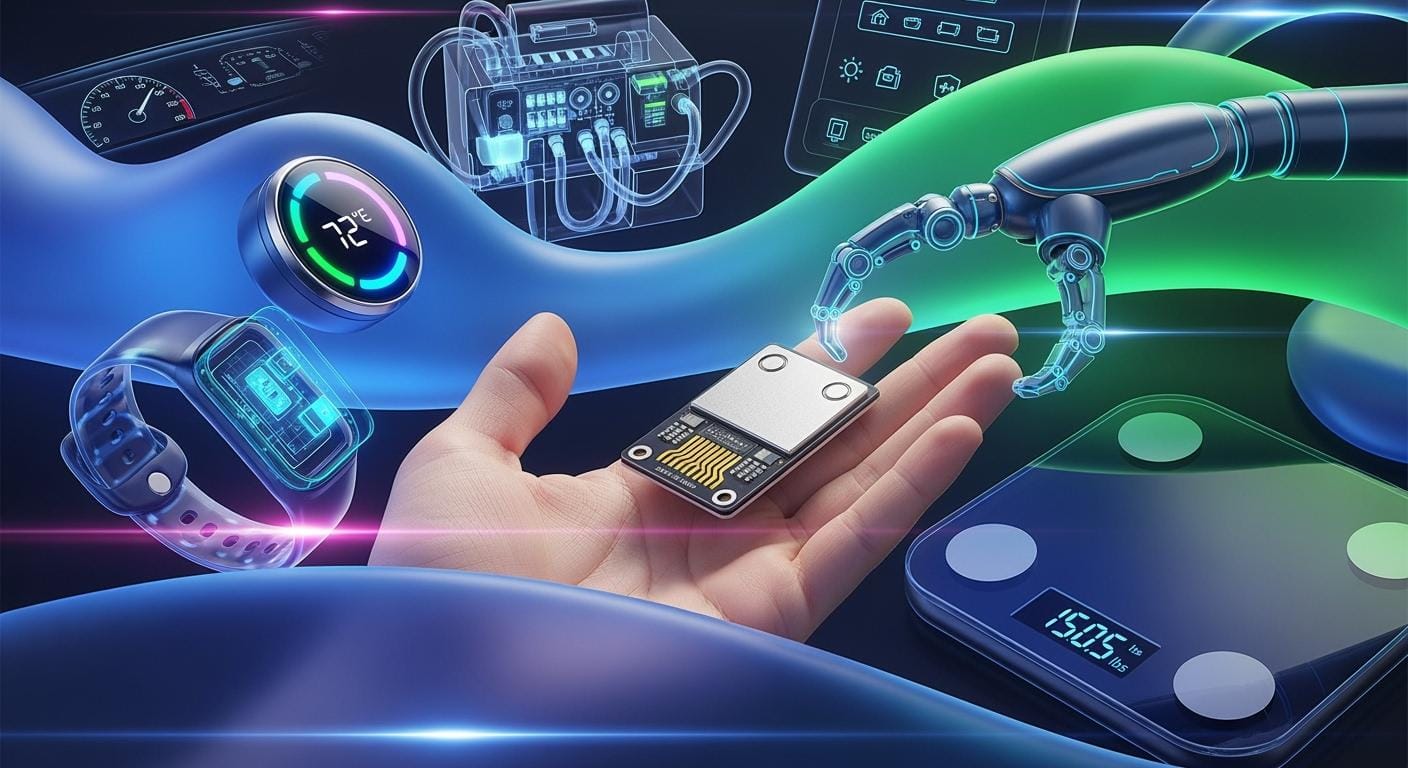

A resistive sensor lets you measure changes in force, pressure, or movement. It does this by changing its electrical resistance. You can find these sensors in many real-life uses. Some common types are:
- Resistive transducers for checking temperature and pressure
- Potentiometers for measuring how things move
- Strain gauges for finding out if something bends
Resistive sensors are used in circuits for electronics, cars, and medical tools. SOUSHINE is a leader in force sensing. They make strong force sensing resistor solutions for many uses.
Table of Contents
Key Takeaways
- Resistive sensors check changes in force, pressure, or movement by changing their electrical resistance.
- Touchscreens use resistive sensors. They can sense touches from fingers, styluses, or gloves.
- SOUSHINE’s Force Sensing Resistors (FSRs) give accurate touch feedback. This makes devices easier to use.
- In factories, resistive sensors watch fluid and gas pressure. This helps keep things safe and working well.
- Temperature sensors help control appliances and HVAC systems. They make energy use better and keep people comfortable.
- Robots use potentiometers and FSRs to track movement and position. This helps robots work more accurately.
- Wearable health devices use flexible resistive sensors. They check fitness and help with rehab progress.
- SOUSHINE FSRs are dependable and can be changed to fit needs. They work well in electronics, cars, and medical tools.
Touchscreen Applications
Resistive Sensor Technology in Touchscreens
Touchscreens are used every day. You find them on phones, tablets, and control panels. Many touchscreens have a resistive sensor inside. When you press the screen, the sensor feels the force. It changes its electrical resistance. This change helps the device know where you touched. It also tells how hard you pressed.
Pressure Detection Mechanism
Resistive sensors sense pressure. When you touch the screen, two layers meet inside. The sensor checks how much force you use. You can touch with your finger, a stylus, or gloves. This makes resistive touchscreens good for many places. They work well in factories and hospitals. You get steady touch input, even with covered hands.
Durability and Versatility
Resistive touchscreens are tough. You can use them where screens face hard use. They do not scratch or get damaged by chemicals. You do not need to worry about broken glass. This keeps you safe in strict places. These screens use less power. Your device lasts longer between charges. Dust and water do not bother them. This helps stop mistakes in factories.
Tip: If you need a strong touchscreen, resistive sensors are safe and reliable.
SOUSHINE FSRs for Touch Devices
SOUSHINE uses advanced force sensing resistor technology. You get exact measurements of how much force you use. Your device knows if you tap lightly or press hard. Controls feel smoother and easier.
- SOUSHINE FSRs change resistance all the time, so your device reacts to every touch.
- You can add these sensors to circuits easily, which helps engineers design devices.
- The sensors cost less and last long, so your devices stay cheap and strong.
SOUSHINE’s pressure sensors make devices better for users. You find them in phones, tablets, and smart panels. They are reliable and flexible, so many makers choose them. You can trust SOUSHINE for sensors at home, work, or in factories.
Resistive sensors are in many devices, but SOUSHINE’s force sensing resistor is special. Their sensors help make better touchscreens and products. You can learn more about SOUSHINE’s solutions for electronics and other uses, like humidity sensors and smart circuits.
Industrial Pressure Applications
Monitoring Systems with Resistive Sensors
Factories use sensors to keep things safe and working well. A resistive sensor checks pressure in many places at work. These sensors watch fluid and gas pressure in pipes, tanks, and machines. They give steady readings and react in just a few milliseconds. You get good data for jobs like checking water or air pressure in HVAC systems.
Fluid and Gas Pressure Measurement
You see pressure sensors in factories, chemical plants, and water plants. These sensors watch for changes in fluid and gas pressure. They help stop leaks and keep machines working right. They also help protect workers and the environment. If you need to check pressure in a steady system, resistive sensors are a good choice. They give fast and accurate results. Most jobs do not need super-fast readings, so these sensors work well.
- Resistive sensors are best for slow or steady pressure changes.
- They react in milliseconds, which is fast enough for most jobs.
- If you need very fast or exact readings, you might use capacitive or strain gauge sensors.
Automation and Safety
Machines use sensors to work by themselves and keep people safe. Resistive sensors can set off alarms, stop machines, or move valves. These sensors help with jobs like filling tanks or moving air. They work well in hot or wet places. If you add temperature and humidity sensors, you make a full safety system. This keeps your workplace safe and machines running well.
SOUSHINE FSRs in Industrial Use
SOUSHINE makes Force Sensing Resistors for tough jobs. Their sensors meet high standards and work in hard places. SOUSHINE tests each sensor with weights and special tools. Engineers check how fast, strong, and steady the sensors are in different temperatures. You get sensors that pass every test.
Note: SOUSHINE can make sensors just for you. You can ask for special shapes, sizes, or features.
SOUSHINE has important certificates for quality and safety. These rules help you trust their products:
| Certification | Application Area | Description |
|---|---|---|
| ISO 9001:2015 | General Quality | Makes sure factories keep good quality for many products. |
| AS9100D | Industrial/Aerospace | Quality rules for making things in planes and factories. |
| IATF 16949 | Automotive/Industrial | Quality rules for cars and factory products. |
| RoHS Compliance | Environmental | Stops bad substances, keeping people and nature safe. |
You get sensors that follow world rules. SOUSHINE checks each sensor carefully and writes down the results. You can trust their sensors for your work, whether you need pressure sensors, gas sensors, or other types.
Temperature Sensing Applications
Thermistors and Resistive Sensors
Thermistors and other resistive sensors help measure temperature. You find these sensors in many devices at home and work. They help control and watch temperature every day. Here are some places you see them:
- Home appliances like fridges, washing machines, and air conditioners use them to check temperature.
- HVAC systems use them to give exact temperature readings and control air flow.
- Medical devices need them to keep the right temperature in incubators and thermometers.
- Battery systems use them to watch battery heat and stop overheating.
- Factories use them to check machines and keep them from getting too hot.
Home Appliance Integration
Most home appliances today have temperature sensors inside. Your fridge uses them to keep food fresh by changing how it cools. Washing machines use them to pick the best water temperature for each load. Air conditioners use them to feel the room’s temperature and change cooling. These sensors help your appliances work better and use less energy.
Accurate Control
You want your devices to keep the right temperature. Resistive sensors give you exact numbers, so your systems can act fast. Most temperature sensors work from -40˚C to 120˚C. They are very accurate, with a small error of only 0.6˚C between -20˚C and +100˚C. Even at the full range, the error is just 0.8˚C. Some platinum sensors can measure from -200˚C to 600˚C. This helps in special jobs in factories.
| Parameter | Performance |
|---|---|
| Operating Temperature | -40˚C to 120˚C |
| Accuracy: (-20˚C to +100˚C) | 0.6˚C |
| Accuracy: (-40˚C to +120˚C) | 0.8˚C |
You get quick and steady temperature control. This keeps your home comfy and your machines safe.
SOUSHINE Solutions for Temperature Sensing
SOUSHINE gives you smart ways to sense temperature. Their technology is known for being very accurate and lasting a long time. You can trust SOUSHINE’s sensors to work well in any job. Here is how SOUSHINE compares to others:
| Feature | SOUSHINE’s Technology | Competitors |
|---|---|---|
| Accuracy | High | Lower |
| Durability | Long-lasting | Varies |
You get the benefit of SOUSHINE’s careful checks and new designs. Their sensors work great in home appliances, factory machines, and even in humidity sensors for climate control. When you pick SOUSHINE, you get temperature sensors that help your systems work safely and smoothly.
Position and Displacement Applications
Potentiometers and FSRs in Robotics
Robots must know where their parts are. They also need to know how far things move. Potentiometers and Force Sensing Resistors (FSRs) help measure these changes. Potentiometers change resistance when you turn or slide them. FSRs react when you press or bend them. Both sensors help robots understand movement and position.
Here are some ways these sensors are used:
| Application | Description |
|---|---|
| Volume Controls | Potentiometers let you change sound levels in audio equipment. |
| Joysticks and Game Controllers | Robots and games use these to turn hand movements into signals. |
| Motor Control Systems | Robots use these sensors to check how far a motor turns. |
You find these sensors in many robots. They help robots move arms, wheels, and tools with accuracy.
Feedback for Movement
Robots need feedback to move the right way. FSRs and potentiometers give real-time data about position and force. When a robot arm picks up something, the sensor tells how much force it uses. This feedback helps the robot change its grip. It stops the robot from dropping or crushing things. Robots become safer and smarter.
- You can measure torque and watch the load. This keeps robot parts safe.
- Sensors give force feedback. Robots can feel resistance like your hand does.
- You keep robots and people safe. Sensors stop overloads and prevent accidents.
- Engineers use sensor data to make robots move better.
- You can check if a robot works well during tests. This makes robots more reliable.
Precision in Automation
Robots need to do jobs with high accuracy. FSRs and potentiometers help robots repeat tasks the same way every time. They make sure robots put parts in the right spot. Robots move along a set path. This is important in factories, labs, and medical robots.
A stretch sensor can measure how much something bends or stretches. You can use it in soft robots or wearable devices to track movement.
SOUSHINE FSRs for Robotics
SOUSHINE’s Force Sensing Resistors give many benefits in robotics. You get sensors that fit your project. SOUSHINE can make them in different shapes and sizes. The sensors give real-time data, so your robot reacts quickly. You can use them to detect weight, even for small objects.
Here is how SOUSHINE compares to other brands:
| Feature | SOUSHINE Sensor | Typical Alternatives |
|---|---|---|
| Custom Fit | Yes | Limited |
| Real-Time Data | Yes | Sometimes |
| Weight Detection | Yes | Not always |
| Child Detection | Yes | Rare |
You get very accurate force readings. SOUSHINE sensors use little power, so your robot saves energy. You can pick the size, shape, and how sensitive the sensor is. The sensors react in less than 0.015 milliseconds. They work in hot or cold places, from -40°C to +85°C. You can measure light touches, from 10 grams to 1000 grams.
SOUSHINE’s FSRs help you build robots that move with skill and safety. You can trust these sensors for smart, reliable automation.
Wearable Health Applications
Flexible Resistive Sensors in Fitness Devices
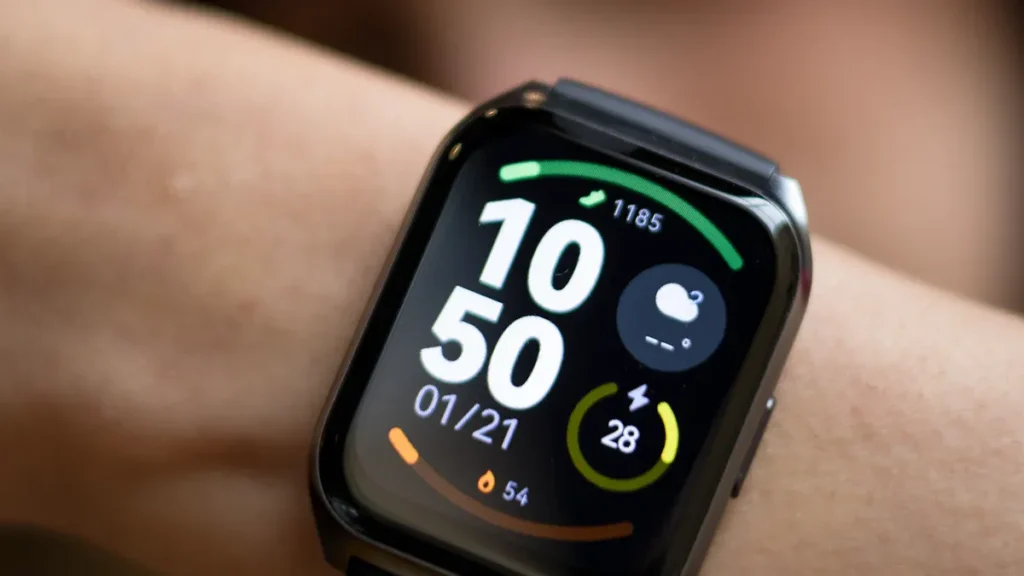
Flexible resistive sensors are in many fitness devices now. These sensors help you check force and movement when you exercise. They bend and stretch with your body. This means you get good readings if you run, jump, or lift weights. A flex sensor can tell how much your joints move or how hard you grip something. This technology makes your fitness tracker smarter and quicker.
Fitness wearables use new materials for comfort and better results. Some sensors use MXene nanosheets with a special polyester cloth. This mix gives high sensitivity and a wide range for detection. You get fast response and recovery, so your device records every move right away. Breathable layers keep the sensor comfy on your skin.
Here is a table that shows what flexible pressure sensors can do in health devices:
| Feature | Description |
|---|---|
| Sensor Type | Flexible pressure sensor |
| Material | MXene nanosheets with porous polyester textile |
| Sensitivity | 652.1 kPa⁻¹ |
| Detection Range | 0–60 kPa |
| Response/Recovery Time | 36 ms / 20 ms |
| Electrode Pattern | Serpentine pattern for strength and sensitivity |
| Breathability | Electrospun TPU nanofiber membranes |
| Application | Real-time blood pressure prediction with machine learning |
| Potential Use | Wearable health monitoring and cardiovascular diagnostics |
Force and Movement Tracking
Force and movement tracking helps you get better at workouts. Sensors check how much pressure you use and how you move. Your fitness band can tell if you step, squat, or stretch. It saves data to help you set goals and see progress. You get tips that help you stay safe and train better.
Rehabilitation Monitoring
Doctors and therapists use wearable sensors to watch rehab. You wear a device that checks your moves and force during therapy. The sensor records how much pressure you put on a limb or joint. Your care team uses this data to change your treatment plan. You heal faster because you get feedback just for you.
Tip: Wearable sensors let you and your doctor see progress right away. You stay safe and feel good about your recovery.
SOUSHINE FSRs in Health Tech
SOUSHINE Force Sensing Resistors are important in health tech devices. You find these sensors in medical tools that check blood pressure and patient health. Doctors use SOUSHINE FSRs to get good and steady readings.
- SOUSHINE FSRs help you measure blood pressure very well.
- You get steady results, which is important for patient checks.
- The FSR406 model has a square sensing area for better pressure checks.
- Strong design makes sure your device works for a long time.
SOUSHINE sensors help in many health jobs. You get good results and trust them, whether you use a fitness band or a medical tool. These sensors make health checks easier and better.
Automotive Applications
Safety Systems with Resistive Sensors
Modern cars use resistive sensors to keep you safe. These sensors help your car know who is sitting in each seat. They also check how much force you use. You find these sensors in many safety systems in your car.
Seat Occupancy Detection
Your car has seat occupancy sensors to see if someone is sitting. These sensors measure the pressure and weight of each person. When you sit down, the sensor sends data to the car’s computer. The car decides if it should turn on the airbag or remind you to buckle up. This helps keep you safe and makes sure airbags work only when needed.
- Seat occupancy sensors find out if a seat has someone in it and how much they weigh.
- The car uses this information for the Supplemental Restraint System, which controls airbags and seat belt pretensioners.
- Force-sensing resistors check pressure changes, so the system knows if a seat is empty or not.
Airbag and Seatbelt Control
Resistive sensors are important for airbags and seatbelts. When you sit in the car, the sensor checks your weight and where you are sitting. If you need protection, the system turns on the airbag. If you forget your seatbelt, the sensor reminds you. These sensors help the car act fast in an accident. You get better safety and fewer false alarms.
- Airbag systems use sensor data to go off at the right time.
- Seatbelt reminders use pressure sensors to warn you if you forget to buckle up.
- The system changes for kids or adults, so everyone gets the right protection.
SOUSHINE FSRs for Automotive Safety
SOUSHINE Force Sensing Resistors help make cars safer and easier to use. You get sensors that work in many car systems. These sensors help your car notice changes in pressure and movement. You find them in seat sensors and in pressure sensors for brakes.
Tip: SOUSHINE FSRs work even if you wear gloves, so you stay safe in cold weather.
SOUSHINE resistive sensors keep working in very hot or cold weather. They do not stop working if there is water or dust. Your car stays safe in any condition. These sensors are not expensive and last a long time. They are made to handle shaking, so you do not get wrong signals.
Here is a table that shows why SOUSHINE FSRs are a good choice for car safety:
| Feature | Description |
|---|---|
| Compliance with safety standards | Gives important data for systems that must follow rules like FMVSS, which is needed for airbags. |
| Cost-effectiveness | Gives a good solution for making lots of cars, saving money and working well. |
| Durability | Made to last in tough places, so your car stays safe for a long time. |
| Critical safety systems | Important parts in systems like Occupant Classification Systems, making cars safer. |
You get sensors that help your car make smart choices. SOUSHINE FSRs help with seat occupancy, airbag control, and seatbelt reminders. You also find them in brake pressure sensors. These sensors help your car keep you safe and comfortable every time you drive.
Environmental Monitoring Applications
Resistive Sensors for Climate Control
Resistive sensors help you watch the environment. You use them to measure humidity, temperature, and light. These sensors check how resistance changes when things get wet. This makes them great for climate control in greenhouses and farms. Humidity sensors keep the air good for plants. Temperature sensors help control heating and cooling. Light sensors show how much sun your crops get.
Humidity and Temperature Tracking
You need to check humidity and temperature to help plants grow. Resistive sensors measure water in the air. When the air is wetter, resistance changes. You can use this to turn on fans or heaters. Pressure sensors check air pressure in climate systems. Gas sensors tell you if bad gases are there. You can use these in smart buildings to keep rooms nice.
Resistive sensors work best when humidity is not too high or low. They give fast readings, but sometimes they are not exact. The sensors can show hysteresis, so readings may not match real humidity. You may need to check and fix them more often to keep them right.
Here is a table that shows how resistive sensors compare to others:
| Sensor Type | Accuracy | Long-term Stability | Calibration Frequency |
|---|---|---|---|
| Resistive | Lower | Lower | More frequent |
| Capacitive | Higher | Higher | Less frequent |
Agricultural Use
Farmers use resistive sensors to check soil and air. You can put humidity sensors in dirt to see if plants need water. Temperature sensors help you know when to plant or pick crops. Light sensors show how much sun plants get each day. Gas sensors help you know if the air is safe for animals and crops.
You can use these sensors to make smart farms. The sensors send data to computers. Computers can turn on sprinklers or open windows. This saves water and energy. You get better crops and healthy animals.
SOUSHINE FSRs in Environmental Systems
SOUSHINE Force Sensing Resistors give you good and steady force sensing. You can use them in many ways to watch the environment. The sensors work well in hard places, so rain or dust is not a problem. You can ask SOUSHINE to make sensors just for you. This helps your system be more right and steady.
- SOUSHINE FSRs help you measure force in climate systems.
- You can use them in smart farms and greenhouses.
- The sensors last long and work in tough spots.
- You get better data for your monitoring systems.
SOUSHINE sensors help you build smart systems for climate and farming. You can trust them to give good results every day.
Smart Home Applications
Light Dimmers and Smart Switches
Smart homes use resistive sensors to make things easier. You can control lights by touching or pressing a switch. Light dimmers and smart switches sense how much pressure you use. You change the brightness with a soft tap or a hard press. This lets you set your lights just how you want.
User Experience Enhancement
You want your home to feel nice and up-to-date. Resistive sensors help smart devices react to what you do. When you touch a smart switch, it feels how hard you press. The system changes the light to match your mood. You do not need old buttons anymore. Pressure controls make your home look cool and easy to use.
Sensor ICs are like the “eyes and ears” of smart devices. They measure things like temperature, movement, and air quality. Your smart thermostat uses these sensors to check the room’s temperature. The system changes settings to keep you comfy. Your devices know what you need, so you get a better experience.
Energy Efficiency
Smart homes save energy with resistive sensors. Light sensors and light dependent resistors check how much sunlight comes in. Your system uses this to change the lights in your room. If the sun is bright, smart lights get dim or turn off. You use less electricity and pay lower bills.
Power management ICs help smart devices use energy wisely. In smart lighting, these ICs change power use based on the room. You do not waste energy when you do not need more light. Your home stays bright only when you need it.
Tip: Smart sensors help you save energy and money every day.
SOUSHINE FSRs in Smart Home Devices
SOUSHINE Force Sensing Resistors give many benefits for smart homes. You get sensors that fit into thin and bendy designs. These sensors work well on touch panels, remotes, and smart switches. You enjoy controls that feel smooth and natural.
- SOUSHINE FSRs use little power, so batteries last longer.
- The sensors find blockages and send alerts to keep you safe.
- You get steady performance because there are no moving parts.
- The sensors do not wear out or get damaged easily, so they last years.
- SOUSHINE FSRs collect data about your habits to help your home system learn.
You can trust SOUSHINE sensors to make your smart home safer and smarter. The sensors help you control lights, change settings, and set up routines. You get a modern home that reacts to you and saves energy.
Medical Device Applications
Patient Monitoring with Resistive Sensors
Resistive sensors are used in many medical devices. These sensors help doctors and nurses watch patient health. Hospitals use them to check vital signs and movement. You find them in devices for blood pressure, heart rate, and breathing. The sensors give real-time data, so staff can act fast.
Pressure and Temperature Measurement
Pressure sensors are important for patient care. You see them in blood pressure monitors, beds, and wheelchairs. These sensors measure how much force a patient puts on a surface. They help stop bedsores and make patients more comfortable. Temperature sensors keep patients safe. They track body temperature and warn staff if it changes a lot. You get accurate readings to help with treatment.
Prosthetics and Smart Devices
Prosthetic limbs use resistive sensors for better control. These sensors measure force and movement. Users can grip things and move more naturally. Smart healthcare devices use these sensors to track patient actions. You see them in rehab tools that record force during therapy. This data helps doctors change treatment and improve recovery.
Here is a table that shows where resistive sensors are used in medical devices:
| Device Type | Application |
|---|---|
| Prosthetics | Tactile feedback for holding objects |
| Healthcare devices | Watching how users move |
| Industrial robotics | Feedback for work tasks |
SOUSHINE FSRs in Medical Equipment
SOUSHINE Force Sensing Resistors help make medical devices better. You find these sensors in blood pressure monitors. They help doctors measure blood flow and check heart health. Prosthetic limbs use these sensors to measure force for movement. This gives users more control.
- SOUSHINE FSRs are in hospital beds and wheelchairs. They help make patients more comfortable and improve care.
- These sensors track patient actions or force during surgery. This helps with better monitoring and results.
Resistive sensors, like force-sensitive resistors, are thin and flexible. You can put them in small medical devices. They use less power than load cells and strain gauges. Load cells are most exact, but they are bigger and need more energy. Strain gauges are smaller but need complex electronics. Piezoresistive sensors give good force measurement in many jobs, even if they are not as exact as load cells.
SOUSHINE FSRs help you make safer and smarter medical devices. You get accurate data, easy setup, and sensors that last long. These sensors help patients get better care and make healthcare technology work well.
Tip: If you pick SOUSHINE FSRs, you help keep patients safe and comfortable in every device.
Consumer Electronics Applications
Interactive Devices Using Resistive Sensors
Resistive sensors are in many electronics you use daily. These sensors help your devices know when you touch or move them. You see them in game controllers, remotes, and smart gadgets. They make using your devices easier and more fun.
Game Controllers
Game controllers use resistive sensors to check how hard you press. If you play a racing game, the sensor feels if you tap or push hard. This helps you control speed and direction better. You feel more part of the game because the controller reacts to you. Some controllers have flexible sensors to sense grip or finger position. You get more feedback and control.
- You can steer, speed up, or stop with different pressure.
- Sensors use little power, so you play longer.
- You get fast responses for a better gaming experience.
Responsive Controls
Resistive sensors make buttons and controls react quickly. You use them in smart remotes, music players, and touch screens. When you press a button, the sensor checks the force and sends a signal. Your device reacts right away. You can change volume, skip songs, or set options with a simple touch. Light sensors help your devices know when to turn on or off by checking room brightness.
Tip: Responsive controls make your devices easier and faster to use.
You find these sensors in smart watches, fitness bands, and kitchen tools. They help you set timers, change modes, or start programs with a gentle press. You get more comfort and control every day.
SOUSHINE FSRs for Electronics
SOUSHINE Force Sensing Resistors give you many good things in electronics. These sensors fit into thin and bendy designs. SOUSHINE FSRs work well in game controllers, smart remotes, and touch screens. Your devices react fast and work well.
| Feature | Benefit for You |
|---|---|
| Thin Design | Fits in slim gadgets |
| Fast Response | Quick reaction to your touch |
| Low Power Use | Longer battery life |
| Custom Shapes | Matches your device’s needs |
| Durable Build | Lasts through daily use |
SOUSHINE checks each sensor to make sure it works in many places. You get sensors that keep your devices working well. You can trust SOUSHINE to help you make smarter and more fun electronics.
Note: SOUSHINE’s team can help you pick the best sensor for your project. You get expert help and support.
Resistive sensors make things safer, more comfortable, and work better. You find them in cars, homes, factories, and medical devices. SOUSHINE offers Force Sensing Resistors you can trust for your needs. You can try new ideas and create smarter products with SOUSHINE’s help. If you want to know more, check out SOUSHINE’s website or ask their team for advice.
FAQ
What is a resistive sensor?
A resistive sensor checks force, pressure, or movement. When you press, bend, or touch it, resistance changes. This helps devices know what you are doing.
Where do you use Force Sensing Resistors (FSRs)?
FSRs are found in cars, robots, smart homes, and electronics. They also work in medical devices. These sensors measure pressure, force, and touch in many things.
How do SOUSHINE FSRs improve safety in cars?
SOUSHINE FSRs help cars know if seats are taken. They also help control airbags. The sensors check pressure and weight. This makes safety systems smarter and better.
Can you use resistive sensors in wearable devices?
Yes! Resistive sensors are in fitness bands and health monitors. They track movement and force. You can see your progress and stay safe when you exercise.
Why choose SOUSHINE for resistive sensors?
SOUSHINE gives you high-quality sensors. Each sensor is tested for accuracy and strength. You can ask for special shapes and sizes for your project.
How do resistive sensors help in smart homes?
Resistive sensors let you control lights and switches by touch. You can change brightness or settings easily. These sensors help save energy and make your home smarter.
Are SOUSHINE FSRs easy to add to devices?
You can put SOUSHINE FSRs in many devices. The sensors use simple circuits and fit in slim designs. You get quick response and steady performance.
What makes SOUSHINE FSRs different from other brands?
SOUSHINE FSRs are strong, use little power, and can be custom made. You get expert help and sensors that work well in tough places.