

Call us: +86-137-2353-4866

You use tactile sensors every day in 2025. The most common types are capacitive, piezoresistive, piezoelectric, optical, and elastoresistive sensors. These sensors help your devices react to touch, pressure, and movement. This makes your gadgets smarter and easier to use. For example, SOUSHINE is a leader with its force sensing resistor. It is a top pick for accurate force sensing in many gadgets.
| Application Area | Impact on User Experience and Functionality |
|---|---|
| Smart Home Systems | You get a natural feel with force feedback. This makes controls more fun to use. |
| Automotive Systems | Your safety gets better as sensors warn you with vibrations. This happens during lane changes. |
| Educational Tools | You can feel virtual objects. This makes learning more real and interactive. |
These sensor types are important. They make your devices react faster, keep you safer, and make them more fun to use.
Table of Contents
Key Takeaways
- Tactile sensors help gadgets work better. They let devices react fast to touch, pressure, and movement.
- Capacitive sensors are common in smartphones. They make touch smooth and easy. They let you use multi-touch gestures.
- Piezoresistive sensors check changes in pressure. They work well in cars and healthcare devices.
- Optical sensors give clear feedback in smart home gadgets. They help control appliances and security systems exactly.
- Elastoresistive sensors are great for wearables. They track movement and health on your body in a comfy way.
- SOUSHINE’s Force Sensing Resistors can be customized. They last long and save energy. Many industries trust them.
- The market for tactile sensors will grow a lot. People want smarter and more interactive devices.
- New tactile sensors will be more sensitive. They will work with AI. They will be used in virtual and augmented reality.
Tactile Sensors Overview
What Are Tactile Sensors
Tactile sensors help gadgets feel touch, pressure, and movement. You see them in things like smartphones, smartwatches, and robots. These sensors notice when you tap, swipe, or press. They can measure force, heat, and humidity. You use tactile sensors every day, often without knowing.
Sensing Principles
Tactile sensors notice changes when you touch or press them. Some sensors measure force. Others sense temperature or texture. For example, a sensor in your phone screen knows how hard you press. This helps your phone decide if you want to zoom or open a menu. Many tactile sensors use special materials. These materials change their electrical signals when touched. Some advanced sensors can sense two things at once, like pressure and temperature. This makes them act more like human skin.
Note: Tactile sensors help find out how hard, what shape, or what texture something is. They also measure temperature. These sensors measure force, heat, and humidity. New tactile sensors can sense pressure and temperature at the same time. This makes devices smarter and quicker to respond.
Importance in Modern Gadgets
User Experience
You like gadgets that respond fast and smoothly to touch. Tactile sensors make this happen. They help your devices give feedback, like a vibration when you press a button. This feedback makes using gadgets feel more natural and fun. You can control your devices with simple gestures. This makes them easier to use.
Device Functionality
Tactile sensors are important for how gadgets work. They help devices sense things by touch. Robots use tactile sensors to feel objects and stay safe around people. Smart home devices use them for touch controls. You get better safety and smarter features because of tactile sensors.
Here is a table that shows what tactile sensors do in electronics:
| Function/Role | Description |
|---|---|
| Touch-sensitive Controls | Used for modern buttons that respond to touch and give feedback. |
| EMI/EMC Shielding | Protected to avoid problems from extra electrical signals, so they work well in noisy places. |
| Digital and Analogue Outputs | Give digital signals for easy use and work well even with interference. |
| Capacitance Change Detection | Notice changes in capacitance from touch, pressure, or force, and turn this into useful data for devices. |
You see tactile sensors in many gadgets. Robots need sensors to detect and understand touch. This helps robots explore and stay safe. Tactile sensors make this possible.
SOUSHINE is a top company for force sensing resistor technology. You get good prices, custom designs, and strong quality checks. SOUSHINE also helps with technical support from design to setup. This makes them a trusted choice for tactile sensors.
| Attribute | Description |
|---|---|
| Competitive Pricing | Good prices without losing quality. |
| Customization | Can make FSRs in special shapes and sizes. |
| Quality Assurance | Made with strict checks for long-lasting use. |
| Technical Support | Help from design to after setup. |
You depend on tactile sensors to make gadgets smarter, safer, and more fun to use.
Types of Tactile Sensors
Capacitive Sensors
Mechanism
You use capacitive tactile sensors when you touch screens. These sensors use your skin’s electricity to sense touch. When you put your finger on a screen, the sensor sees a change. This change happens because your body carries electricity. The sensor sends a signal to the device. The device reacts to your touch.
Capacitive tactile sensors work smoothly and reliably. You see them in many gadgets because they are simple to use. Their design lets screens be thin and look nice. Linear tactile sensors are a kind of capacitive sensor. They are popular in electronics you use every day. They give precise touch feedback and last a long time.
Uses in Smartphones
Smartphones use capacitive tactile sensors for their screens. You swipe, tap, and pinch to control your phone. The sensors react fast and correctly. This makes your phone easy and fun to use. Capacitive tactile sensors help with multi-touch gestures. You can zoom in on photos or switch apps.
People want easy-to-use devices, so these sensors are growing. You see them in MP3 players, tablets, and home appliances. Touch sensors have the biggest market share and keep growing. You get faster and smoother touch experiences.
Piezoresistive Sensors
How They Work
Piezoresistive tactile sensors sense changes in resistance when you press them. You push on the sensor, and its resistance drops. The device reads this change and knows how much pressure you used. These sensors work well in gadgets that need to sense different force levels.
New materials have made piezoresistive tactile sensors better. Flexible and stretchable materials make sensors comfy to wear. Nanocomposites like carbon nanotubes and graphene make sensors stronger and more sensitive. Thin-film deposition makes sensors very thin for flexible devices. Biocompatible materials let you wear sensors on your skin. Self-healing materials help sensors last longer. Multifunctional materials allow sensors to power themselves.
SOUSHINE Force Sensing Resistor
SOUSHINE makes advanced resistive tactile sensors called Force Sensing Resistors. You use these sensors in cars, healthcare, and robots. SOUSHINE FSRs measure force very accurately. Their design uses a flexible base, a spacer, and a conductive layer. When you press the sensor, the conductive layer touches the circuit. The resistance drops, and the device measures the force.
SOUSHINE FSRs are strong, easy to customize, and simple to use. They use little power, so they are good for battery gadgets. The table below shows how SOUSHINE FSRs compare to other sensors:
| Feature | SOUSHINE FSRs | Other Piezoresistive Sensors |
|---|---|---|
| Accuracy | Superior accuracy | Varies |
| Durability | High durability | Moderate |
| Customization | Extensive | Limited |
| Power Consumption | Low | Higher |
| Ease of Integration | Easy | May require more effort |
You find SOUSHINE FSRs in car seats, medical devices, and smart wearables. They are reliable and flexible, so many industries use them.
Piezoelectric Sensors
Operation
Piezoelectric tactile sensors make electricity when you press them. You touch the sensor, and it creates a voltage. The device reads this voltage and knows how much force you used. These sensors react quickly and can sense small pressure changes.
Piezoelectric tactile sensors use special materials that change shape when pressed. This change makes electricity. You see these sensors in devices that need fast touch sensing.
Haptic Feedback Devices
You feel piezoelectric tactile sensors in haptic feedback devices. These sensors help gadgets vibrate or give you a physical response. You feel a buzz when you press a button on your phone or game controller. This feedback makes using gadgets more real and fun.
Piezoelectric tactile sensors are in electronics, cars, and healthcare devices. You find them in smartwatches, fitness trackers, and medical monitors. They make user experience better with advanced touch interfaces. This helps wearable technology and smart devices grow.
Tip: You can have more fun and interactive experiences with gadgets that use piezoelectric tactile sensors for haptic feedback.
Optical Sensors
Technology
You can find optical tactile sensors in smart home gadgets. These sensors use light to sense touch and pressure. An optical sensor has a camera, a light, and a soft silicone top. When you touch it, the camera sees changes in the light. The sensor checks how hard you press and which way you move.
Optical sensors give you lots of details and clear feedback. They can sense tricky touches, like when you press at an angle. These sensors last longer than some other types. But they can cost more and are sometimes big. They do not work well for wearables because they miss very light touches and need more space.
Here is a table that lists the main features of optical tactile sensors in smart home gadgets:
| Feature/Aspect | Description |
|---|---|
| Integration | Has a camera, light, and soft silicone to sense touch. |
| Detection Capabilities | Senses touch, pressure, direction, and tricky forces like angled pushes. |
| Resolution | Gives lots of details and many data points. |
| Durability | Lasts longer than some other tactile sensors. |
| Limitations | Costs more, is bigger, needs space, misses light touches, and is not good for wearables. |
You see optical sensors in smart panels, security systems, and smart appliance controls. These sensors help your gadgets react to your touch with great accuracy.
Smart Home Applications
You use optical tactile sensors in smart home gadgets every day. These sensors help you control lights, heat, and security with a touch. When you press a smart panel, the sensor finds your finger and checks the pressure. Your devices answer fast and correctly.
Optical sensors also help keep your home safe. You can set up panels that only react to special touch patterns. This keeps your home safe and easy to use. You find optical sensors in smart ovens and fridges. You can change settings with a gentle tap.
You get smarter and more fun gadgets because of optical sensors. You also get clear feedback and good results from many smart home devices.
Elastoresistive Sensors
Material Properties
You find elastoresistive tactile sensors in bendy and stretchy gadgets. These sensors use special stuff that changes resistance when you stretch or press it. The sensor checks how much force you use by watching the resistance. You get good readings even if the sensor bends or twists.
Elastoresistive sensors use things like silicone, rubber, or soft plastics. These materials make the sensors comfy and easy to shape. You see these sensors in gadgets that need to fit many shapes and surfaces.
You notice elastoresistive sensors work well where other sensors might break. The soft materials help the sensor last longer and stay strong.
Wearable Devices
You use elastoresistive tactile sensors in wearables like fitness bands and smart clothes. These sensors check your moves, posture, and pressure. When you move, the sensor bends and stretches with you. It tracks your activity and sends info to your gadget.
Wearable gadgets use elastoresistive sensors because they are soft and bendy. You can wear them on your skin or in your clothes. The sensor stays comfy and does not bother you. You get instant feedback about your health and fitness.
You also see elastoresistive sensors in medical wearables. These sensors help doctors watch your moves and healing. You get good and comfy tracking in sports, health, and rehab gadgets.
Emerging Sensor Types
Hybrid Sensors
You see hybrid tactile sensors in new gadgets that mix different sensor types. Hybrid sensors use optical, capacitive, and resistive tactile sensors together. You get better accuracy and more features in one gadget. For example, a hybrid sensor might use capacitive tactile sensors for touch and piezoresistive sensors for force.
Hybrid sensors help your gadgets react to many kinds of input. You can control your gadgets with touch, pressure, or even gestures. These sensors make your gadgets smarter and more useful.
You see hybrid sensors in robots, smart home panels, and medical gadgets. You get better results and more trust because the sensor uses more than one type.
Flexible Sensors
You find flexible tactile sensors in new wearable and portable gadgets. Flexible sensors use materials that bend, stretch, and twist without breaking. You can wear these sensors on your skin or stick them to curved things.
Flexible sensors often use elastoresistive or piezoresistive materials. You get good force and pressure readings even when the sensor moves with you. These sensors help you track your health, control smart gadgets, and use robots.
You like flexible sensors because they fit many shapes and sizes. You get comfort, strength, and good results in your daily gadgets.
Tip: You can pick gadgets with flexible or hybrid tactile sensors for more comfort and smarter features.
Sensor Applications in Gadgets
Smartphones & Tablets
Touchscreens
You use your phone or tablet every day. Touchscreens have tactile sensors that notice your finger moves. When you tap or swipe, the device reacts right away. Capacitive sensors help with this. They sense the charge from your skin and send signals to the device. You get smooth scrolling and quick typing because of these sensors.
Companies put tactile sensors in foldable screens and touchpads. You see these features in new phones and tablets. More people want devices that react fast and work well. The market for capacitive sensors keeps growing. You enjoy better experiences and more reliable gadgets.
Pressure Sensitivity
You see pressure sensitivity when you draw or write on your tablet. The device knows how hard you press. Artists and students use this for sketching and notes. Pressure-sensitive tactile sensors measure the force of your touch. You get thick lines with hard presses and thin lines with soft touches.
Phones and tablets use these sensors for games and shortcuts. You press harder to open menus or use special features. This makes your device more fun and useful. Pressure sensitivity lets you control your device in new ways.
Wearables & Fitness Trackers
Health Monitoring
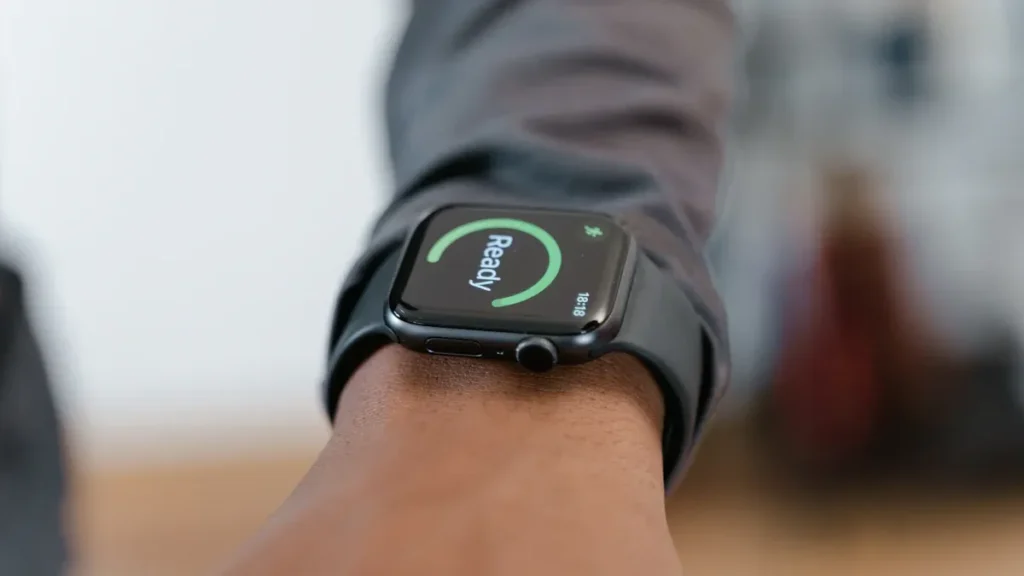
You wear fitness trackers and smartwatches to check your health. These gadgets use tactile sensors to track heart rate, steps, and sleep. The sensor touches your skin and collects data as you move. You get instant feedback about your activity and health.
Doctors and athletes use wearables for health checks. Tactile sensors in these devices help track recovery and performance. You can see your progress and set goals for better health. The sensor works quietly and gives you accurate results.
Gesture Control
You control your wearable with simple gestures. Tactile sensors notice taps, swipes, and wrist twists. You can answer calls or skip songs with quick moves. Gesture control makes your device easy to use without buttons.
Fitness trackers use tactile sensors to know different gestures. You can start a workout or pause music with a wave. This helps you stay active and connected. You enjoy hands-free control and a smooth experience.
Smart Home Devices
Appliance Controls
You use smart home gadgets to control lights and appliances. Tactile sensors let you change settings with a touch. You tap a panel to turn on lights or swipe to change the temperature. The sensor reacts fast and gives you feedback.
Companies design smart home gadgets with tactile sensors for easy use. You get clear feedback and controls that work well. These sensors make your home smarter and more comfy. You can set routines and change settings with simple touches.
Security Systems
You keep your home safe with smart security systems. Tactile sensors help you arm or turn off alarms with a touch. Some panels use pressure-sensitive sensors to know your fingerprint or how hard you press. You get safe access and quick response.
Security systems use tactile sensors to spot unwanted access. If someone tries to mess with the panel, the sensor sends an alert. You feel safe knowing your home is protected. Tactile sensors in security devices give you peace of mind and easy control.
Tip: You can make your life better by picking gadgets with advanced tactile sensors. These uses make your devices smarter, safer, and more fun.
Robotics & Assistants
Tactile Sensing
Robots and assistants are in homes, hospitals, and factories. These machines need to sense touch to work safely. Tactile sensors help robots feel pressure, texture, and force. When a robot picks up something, the sensor tells it how hard to grip. This stops the robot from dropping or crushing things.
You find tactile sensors in many robots. Rehabilitation devices use them to check the force you use during exercises. This keeps your movements safe and correct. Companion robots use tactile sensors to know how much pressure you use when you touch them. They can answer with a gentle move or a friendly sound.
Here is a table that shows how tactile sensors help robots and assistants:
| Application | Description |
|---|---|
| Rehabilitation Devices | Tactile sensors check force during exercises to keep movements safe. |
| Companion Robots | They sense touch pressure and texture, so robots can answer people the right way. |
| Healthcare Robots | Help robots work gently with patients for safety and comfort. |
You get safer and more helpful robots because of these sensors.
Human Interaction
You interact with robots and assistants more easily when they sense touch. Tactile sensors help robots understand your gestures and answer right away. When you shake a robot’s hand or pat its head, the robot feels your touch and reacts. This makes robots friendlier and easier to trust.
Robots in healthcare use tactile sensors to care for patients. They can help lift or move people gently. In schools, robots use touch to teach and play with students. You see robots that can high-five, hug, or guide you with a gentle touch. These features make robots better helpers in your daily life.
Gaming & Entertainment
Haptic Feedback
You want games and entertainment devices to feel real. Haptic feedback uses tactile sensors to make vibrations and movements. When you press a button on a game controller, you feel a buzz or a pulse. This feedback tells you if you scored or hit something.
Game consoles and VR headsets use haptic feedback to make things more exciting. You feel the rumble of a car or the jump’s impact. Tactile sensors measure your actions and send signals for these effects. You get a richer and more interactive gaming experience.
Immersive Experience
You enjoy games and movies more when they feel lifelike. Tactile sensors help make immersive experiences by tracking your movements and touch. In virtual reality, gloves with sensors let you grab and move things. The system knows how hard you squeeze or tap.
Entertainment systems use tactile sensors to make movies and games come alive. You can feel the beat of music or the wind in a racing game. These features pull you into the action and make you part of the story.
Tip: Pick gaming devices with advanced tactile sensors for a more realistic and fun experience.
SOUSHINE FSR Applications
Automotive Sensors
You rely on cars that use advanced force sensing resistors from SOUSHINE. These sensors help detect if someone sits in a seat, making airbag systems smarter and safer. Pressure sensors in braking systems use SOUSHINE FSRs to measure how hard you press the pedal. Some cars use haptic feedback controls to give you a gentle vibration when you touch a button.
Here is a table that shows important uses of SOUSHINE FSRs:
| Sector | Applications |
|---|---|
| Automotive | Seat detection, pressure sensors for brakes, haptic feedback controls. |
You get safer and more comfortable rides because of these technologies.
Medical Devices
You see SOUSHINE FSRs in many medical devices. Patient monitors use them to track pressure and movement. Rehabilitation equipment uses these sensors to make sure you exercise safely. Surgeons use tools with FSRs to measure force during delicate operations. Prosthetic limbs use SOUSHINE FSRs to give users better control and comfort.
| Sector | Applications |
|---|---|
| Medical | Patient monitoring, rehab equipment, surgical tools, prosthetic limbs. |
You benefit from better care and safer treatments with these devices.
Sports & Rehabilitation
You use smart sports gadgets that have SOUSHINE FSRs inside. Smart insoles track your steps and measure how you walk or run. Pressure-sensitive sensors in sports equipment help you improve your performance. Rehabilitation devices use SOUSHINE FSRs to monitor your progress and keep your movements safe.
| Sector | Applications |
|---|---|
| Sports Gadgets | Smart insoles for walking analysis, pressure sensors for tracking performance. |
You get accurate feedback and better results in sports and recovery.
Note: SOUSHINE’s force sensing resistors help many gadgets in cars, medical devices, and sports. You enjoy safer, smarter, and more useful technology every day.
Benefits & Challenges
Advantages of Tactile Sensors
Enhanced Experience
You notice gadgets feel more real and quick to respond. Tactile sensors give high sensitivity and great spatial resolution. You control devices with easy touches, swipes, or presses. These sensors sense force from many directions, so feedback is accurate. Your gadgets last longer and work well after lots of use.
- High sensitivity means you can use gentle touches.
- Superior spatial resolution helps devices know your exact touch spot.
- Multidirectional force detection gives you better control.
- Robust endurance keeps gadgets working for a long time.
Energy Efficiency
You save battery with new tactile sensors. Many gadgets use less power, so you charge less often. Energy-efficient sensors help smartwatches, phones, and fitness trackers last all day. You get more use from your devices because they need less energy.
Customization
You pick gadgets that fit your needs. Companies make tactile sensors in many shapes and sizes. You find sensors in smart clothes, medical devices, and game controllers. Customization lets you choose devices that match your life. You get more comfort and better performance.
Current Challenges
Durability
You want gadgets to last a long time. Some tactile sensors have problems with wear and tear. Makers try to make sensors stronger with new materials and tough designs. You see sensors that resist bending, stretching, and lots of use.
Integration
You see gadgets getting smaller and smarter. Putting tactile sensors in these devices is hard. Companies must lower cost, size, and energy use. Good integration of new materials and designs is needed for mass production. Solutions use tiny microstructures and new sensing methods.
- Better sensitivity and reliability are needed.
- Advanced materials help sensors last longer.
- Scalable production makes gadgets cheaper.
Security
You trust gadgets with your personal info. Tactile sensors in electronics can cause worries about privacy. Devices that collect sensitive data can be targets for hackers. Makers add strong protections and safe designs to stop cyber threats.
- Data privacy matters to users.
- Devices must block hacking.
- Security features keep your info safe.
Future Trends
Innovation
You will see big changes in tactile sensors soon. Better sensitivity and precision make gadgets smarter. Haptic feedback gives you more real touch experiences. Touch tech will be in virtual and augmented reality, making games and learning more fun. New materials like graphene make sensors work better. Artificial intelligence with capacitive sensing will improve how people and machines interact.
Market Growth
You see more gadgets with tactile sensors every year. The consumer electronics sensors market was $6.80 billion in 2023. Experts think it will reach $13.07 billion by 2030. The market will grow 10.1% each year from 2024 to 2030. You will find tactile sensors in more devices as people want them more.
Tip: You can look forward to smarter, safer, and more interactive gadgets as tactile sensor technology gets better.
You find tactile sensors in lots of gadgets, like phones and robots. These sensors help devices feel touch and pressure. This makes things easier and keeps you safe. SOUSHINE is a top company for Force Sensing Resistor technology. You get cool features like custom shapes, strong sensors, saving power, and good data.
| Feature | Description |
|---|---|
| Customization | FSRs can be made in many shapes and sizes. |
| Durability | Sensors work well for a long time. |
| Energy Efficiency | Devices need less energy to run. |
| Data Accuracy | You get steady and safe control. |
Experts say SOUSHINE’s products are great for robots and smart gadgets:
- They work well in messy places
- They help robots hold things better
- They can tell if something is slipping
- They help robots know objects and how they are turned
- They make working with people safer
You will see new ideas in tactile sensors soon. Check out SOUSHINE’s products for smarter gadgets.
FAQ
What is a tactile sensor?
A tactile sensor lets your device feel when you touch it. It can sense pressure or movement. You see these sensors in phones, wearables, and robots.
How do SOUSHINE Force Sensing Resistors work?
You press the sensor, and its resistance goes down. Your device checks how much force you use. SOUSHINE FSRs have a bendy base and a special layer. This helps them give accurate results.
Where do you find tactile sensors in daily life?
You see tactile sensors in smartphones and smartwatches. They are in gaming controllers, car seats, and medical devices. These sensors help gadgets react to your touch.
Why do gadgets need tactile sensors?
You get quicker response and better control. Tactile sensors make devices smarter and safer. They also make gadgets more fun to use.
Can you customize SOUSHINE FSRs for your project?
Yes! You can ask SOUSHINE for special shapes and sizes. Their team helps you choose the right sensor for your project.
Are tactile sensors energy efficient?
Most tactile sensors use very little power. You save battery in wearables, phones, and smart home gadgets.
What makes SOUSHINE FSRs different from other sensors?
You get great accuracy and strong durability. They are easy to use in many devices. SOUSHINE makes sensors you can trust for lots of jobs.