

Call us: +86-137-2353-4866
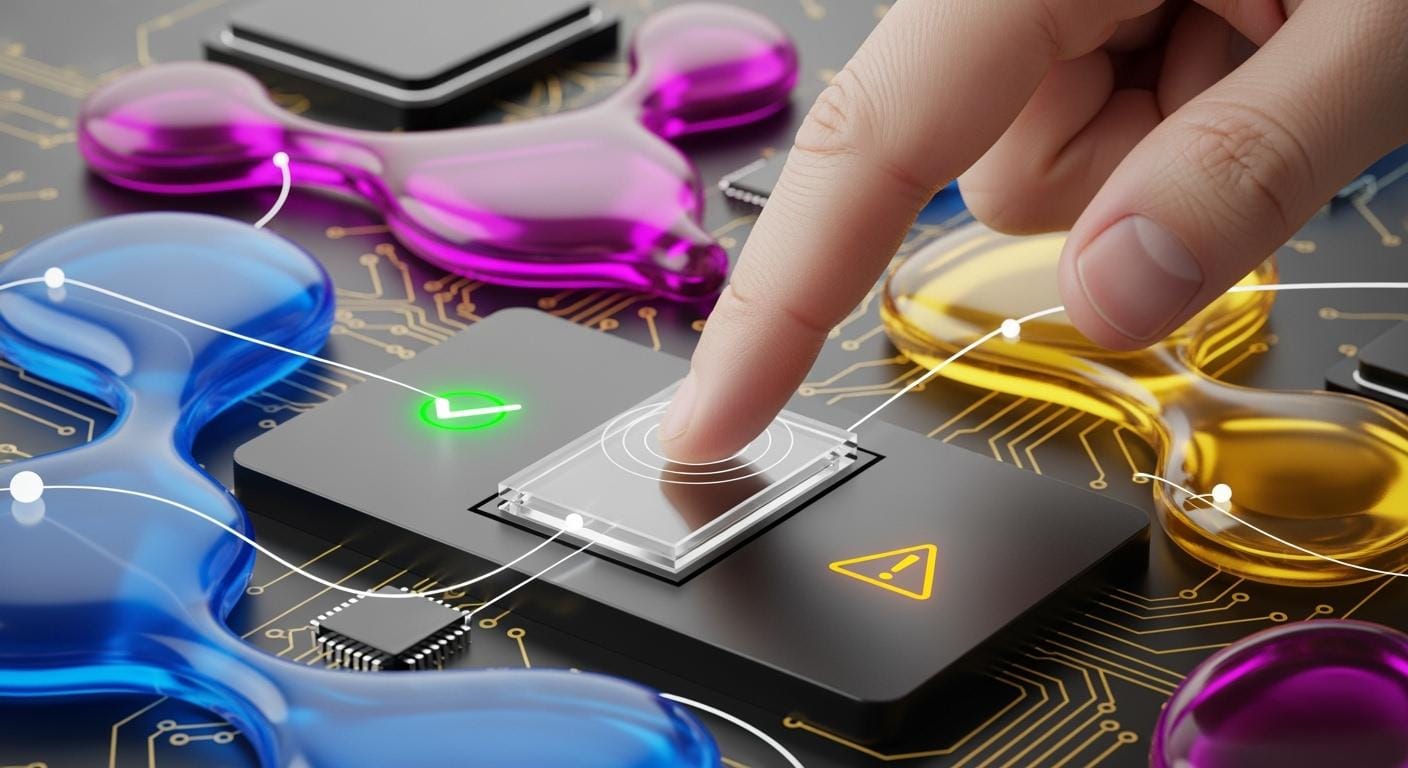

If you want to pick the best sensor for your project in 2026, a thin film force sensor has good points and some problems. More devices use force sensors because they are sensitive and flexible. The market for force sensors is getting bigger. You can look at the main good and bad points in the table below:
| Advantage/Disadvantage | Description |
|---|---|
| Sensitivity | Finds small force changes, helpful in healthcare and robots. |
| Flexibility | Bends and stretches for wearable tech. |
| Cost-Effectiveness | Costs less than many other sensors. |
| Low Power Consumption | Helps batteries last longer. |
| Precision Issues | Might not be very accurate. |
| Temperature Sensitivity | Works differently when it gets hot or cold. |
You can find force sensors in healthcare, robots, and electronics people use. Knowing these facts helps you make smart choices when you design things.
Table of Contents
Key Takeaways
- Thin film force sensors are very sensitive and bend easily. This makes them great for healthcare and robots.
- These sensors do not cost much money. You can use them for cheap projects and still get good results.
- They use little power, so batteries last longer. This helps when you use them in wearables and IoT devices.
- Sometimes, they are not very exact. You should always check calibration to get correct measurements.
- They can change if the temperature is too hot or cold. Pick sensors made for tough weather if you need them.
- SOUSHINE has sensors you can change to fit your needs. This helps make your project work in many ways.
- You need to check and fix sensors often. This keeps them working right for a long time.
- Thin film force sensors are used more in smart gadgets, medical tools, and cars.
Thin Film Force Sensor Overview
Operating Principles
You can learn how a thin film force sensor works by following some easy steps. When you press the sensor, it reacts in a special way. Here is what happens:
- You push down on the sensor’s surface.
- The membrane inside bends or changes shape.
- This bending makes resistance or capacitance change inside.
- The sensor turns these changes into electrical signals.
- You get data from the sensor for your electronics project.
This process helps force sensitive resistor sensors measure force and pressure fast and well. You can use these sensors in many electronics because they give feedback right away.
Key Features for Electronics
Thin film force sensors have special things that make them good for electronics. You can see how these things help you build better devices in the table below:
| Key Feature | Description |
|---|---|
| Accurate Pressure Sensing | You can find pressure changes with high precision, so you control devices better. |
| Thin and Lightweight Design | You can put sensors in small electronics without making them heavy or big. |
| High Sensitivity | You can notice tiny force changes, which gives you better control and feedback. |
| Durability and Stability | You can use force sensitive resistor sensors for a long time, even in tough places. |
These things let you use force sensitive resistor sensors in lots of electronics projects. You can count on them to work well and last long.
Common Applications
You will see thin film force sensors in many electronics uses. The table below shows where you can use these sensors and what they do:
| Application Area | Description |
|---|---|
| Force Measurement | You can measure force in machines and tools, even with heavy loads. |
| Pressure Measurement | You can check pressure on surfaces, which helps you control tools and devices. |
| Temperature Measurement | You can record temperature on parts that touch other things, making your electronics smarter. |
| Wear Measurement | You can track wear in hard-to-reach places, which helps machines last longer. |
Force sensitive resistor sensors help you make electronics safer, easier to control, and more efficient. You can use them in robotics, healthcare, and devices people use every day.
SOUSHINE Force Sensing Resistor
You want sensors that work well and last a long time. SOUSHINE Force Sensing Resistors (FSRs) give you both things. SOUSHINE is a top company in force sensor technology. You get sensors that measure force and pressure very well. You can trust SOUSHINE to give you good results for your projects.
SOUSHINE uses special materials and smart designs. You see sensors that fit many shapes and sizes. You can choose the sensor that works best for you. You get tough sensors that can do hard jobs. You also get sensors that use little power, so your devices last longer.
Tip: You can ask SOUSHINE for custom sensors. You get help by email, phone, or even a visit.
You find SOUSHINE sensors in lots of places. In cars, you use them to check if someone sits in a seat. This helps control airbags and seatbelt reminders. In healthcare, you use them to watch how patients move or measure pressure in medical devices. In robotics, you use them to help robots feel touch and move safely. In consumer electronics, you use them to make smart gadgets that react to your touch.
You can see how SOUSHINE compares to other brands in the table below:
| Feature | SOUSHINE’s Technology | Competitors |
|---|---|---|
| Accuracy | High | Lower |
| Durability | Lasts long | Changes |
| Customization | Many choices | Fewer choices |
| Power Consumption | Low | Higher |
| Integration Ease | Simple | Harder |
You get more value with SOUSHINE. You see sensors that last longer and work better. You get many choices for your project. You save energy and make your devices smarter.
You also see how SOUSHINE is strong and reliable:
| Brand | Durability | Reliability |
|---|---|---|
| SOUSHINE | Strong, lasts long | Sensitive and strong for many projects |
| Interlink | Lasts long | Trusted for projects needing reliability |
| FlexiForce | Thin, light | Good for jobs not needing perfect accuracy |
You pick SOUSHINE when you want sensors for many uses. You get sensors for cars, health devices, robots, and smart electronics. You see SOUSHINE’s promise of quality, new ideas, and happy customers in every product.
You can count on SOUSHINE to help you build better and safer devices. You get support and advice for your sensor needs. You make your projects stronger with SOUSHINE Force Sensing Resistors.
Advantages of Thin Film Force Sensors
High Precision and Sensitivity
Detecting Minor Pressure Changes
Thin film force sensors can find very small force changes. These sensors help you measure force with great accuracy. Doctors use them in medical devices to track tiny pressure shifts. Robots use force sensitive resistor sensors to feel gentle touches and change their grip. You get good results because these sensors are very steady and repeatable. You can trust the numbers every time you use them.
- Thin film force sensors give you steady and repeatable results.
- You can make them more accurate with good calibration.
- These sensors are easy to put in and save money for many uses.
Real-Time Data Response
Force sensitive resistor sensors give you quick feedback. These sensors react fast when force changes. You see the results right away on your device. This fast data helps you control things better. In healthcare, you can watch patient moves instantly. In robots, you can make machines react to touch right away. You get smooth and safe use in your projects.
Tip: You can use force sensors in things that need fast reactions, like smart watches or automatic machines.
Flexibility and Lightweight Design
Integration in Compact Devices
Thin film force sensors fit into small electronics easily. They are light and thin, so you can add them without making things heavy. Your device stays slim and modern. These sensors work well in phones, tablets, and other small gadgets. You get good sensitivity and performance without losing space or adding weight.
Thin film force sensors can bend and stretch to fit different shapes. You can change their shape to match your design. This lets you use them in many ways, like curved screens or tiny medical tools.
Wearable and Flexible Electronics
You can use force sensitive resistor sensors in wearable tech. These sensors bend and stretch when you move. You get good force readings even when the sensor changes shape. Smart watches, fitness bands, and health trackers use these sensors to measure force and pressure. You get comfort and steady data at the same time.
Flexible force sensors fit on tricky surfaces. You can put them on clothes, shoes, or sports gear. You get instant feedback on force and movement. This makes them great for wearable electronics.
Low Power Consumption
Battery Efficiency
Force sensitive resistor sensors help you save energy. These sensors use very little power. Your electronics can run longer on one battery charge. This helps you make devices that last all day without charging a lot.
Energy-Saving for IoT
Thin film force sensors work well in IoT devices that need to save energy. These sensors are good for smart homes, remote controls, and wireless gadgets. You get low power use and steady force measurement. This makes your devices work better and cost less.
| Feature | Description |
|---|---|
| Thickness | 0.203 mm (0.008 in) |
| Flexibility | Flexible |
| Weight | Lightweight |
| Power Consumption | Low-Power |
| Customization | Customizable |
| Accuracy | Accurate |
| Ease of Use | Simple to Use |
| Cost Effectiveness | Cost Effective |
Force sensitive resistor sensors help you make better electronics. You get accuracy, sensitivity, flexibility, and low power use all together.
Cost-Effective Manufacturing
Affordable Production
You want to spend less money on your project. Thin film force sensor technology helps you save. Companies use simple materials and easy steps to make these sensors. This means they cost less to make. These sensors do not need much material or energy. Making smaller electronics also saves more money. You get force sensitive resistor sensors that last a long time. You do not have to buy new ones often.
Here is a table that shows how saving money helps you:
| Advantage | Description |
|---|---|
| Superior long-term stability | These sensors work for years, so you buy fewer replacements. |
| Low power consumption | You pay less for energy, which helps with big electronics projects. |
| Miniaturization capabilities | You use less material and make small designs, so your costs go down. |
Competitive Pricing
Thin film force sensor solutions are not expensive. These sensors cost less than many other types. You can buy more sensors for your projects without spending too much. This helps you make more products and sell to more people. Force sensitive resistor sensors give you good results at a price you can afford.
Versatile Applications
Medical, Automotive, Robotics
You see force sensors used in many areas. Thin film force sensor technology works for lots of electronics. In medical devices, force sensitive resistor sensors help doctors check pressure and force. In cars, these sensors see if someone is sitting and help control airbags. Robots use force sensors to feel things, hold objects, and move safely.
You can see how force sensors help in different ways:
- Robots use touch to grab and move things.
- Sensors help robots walk and keep balance.
- Robots can feel when people touch them.
- Sensors watch for problems by finding strange force.
You get good force measurement every time. Force sensitive resistor sensors make things safer and easier to use.
Customizable Solutions
You want sensors that fit your needs. Thin film force sensor technology lets you pick what works best. You can get sensors in many shapes and sizes. You can choose how sensitive they are. Force sensitive resistor sensors work on flat, curved, or tiny places. You can use them in wearables, smart gadgets, and machines.
You can ask for special sensors for your project. Companies like SOUSHINE help you design the right sensor. You get the best force measurement for your job.
SOUSHINE Product Benefits
You want sensors that are strong and easy to use. SOUSHINE force sensitive resistor sensors last a long time. You can trust them in hard places. You can put them in your electronics fast.
Here is a table that shows how SOUSHINE’s FSRs compare to others:
| Feature | SOUSHINE’s FSRs | Competitors’ FSRs |
|---|---|---|
| Durability | High | Moderate |
| Ease of Integration | Simple | Complex |
You get strong sensors that keep working for years. You save time because they are easy to add to your electronics. SOUSHINE gives you sensors you can trust, with good sensitivity and many uses. You make your products safer and better with SOUSHINE force sensors.
Tip: You can talk to SOUSHINE if you need special force sensitive resistor sensors. You get help from experts for your projects.
Disadvantages of Force Sensors
Precision Limitations
High-Resolution Measurement Challenges
Force sensors can have trouble with very small force changes. Thin film sensors sometimes do not measure tiny forces well. The table below shows what problems you might see:
| Limitation | Impact on Precision |
|---|---|
| Temperature fluctuations | Accuracy drops and you might get wrong readings. |
| Strain and plastic deformation | Sensors do not last as long or work as well. |
| Need for improved temperature compensation | Stops force numbers from changing too much. |
Temperature changes and bending can make force sensors less exact. If you need perfect force numbers, you should think about these problems. Some sensors need extra help to stay accurate when it gets hot or cold.
Suitability for Critical Tasks
You may want to use force sensors for important jobs. Medical devices and safety systems need very good accuracy. Thin film force sensors may not always be good enough for these jobs. If you need perfect force numbers, you might need a different sensor. Always check if the sensor is right for your project before you pick it.
Signal Drift and Stability
Long-Term Reliability
Force sensors can change over time and give different signals. Heavy loads or rubbing can change the inside of the sensor. This makes the signal drift and less steady. If the cover breaks, the sensor can stop working well. You should watch for these problems if you want your sensors to last.
Note: Signal drift can make your force numbers wrong. Check your sensors often to make sure they work right.
Calibration Needs
You need to check and fix force sensors often to keep them working well. Over time, signals can change and make your numbers wrong. Calibration helps you fix these changes and keep your force numbers right. If you do not calibrate, you might get wrong data. Make a plan to check and adjust your sensors.
Temperature Sensitivity
Performance in Extreme Conditions
Force sensors can lose power in very hot or cold places. Thin film sensors may not work well if it gets too hot. Some sensors can work up to 900 °C, but most stop working well above 350 °C. If you need sensors for very hot places, look for special materials like aluminum nitride.
- Thin film sensors do not work well when it is very hot.
- Some new sensors can work up to 900 °C.
- Most sensors do not work well above 350 °C.
- Aluminum nitride helps sensors work better in hot places.
Industrial and Outdoor Use
You may want to use force sensors outside or in factories. Changes in temperature, wet air, and rough places can hurt your sensors. If you use sensors in these places, check how much heat and cold they can take. Some sensors need extra protection to keep working outside or in tough places. Pick sensors that fit your project for outdoor or factory use.
Tip: Always read the sensor’s details before you use it in hard places. This helps you stop problems with force numbers and keeps your sensor working.
Durability Concerns
Physical Damage Risks
You should think about how force sensors handle damage. These sensors are often in places where people press or bend them. Sometimes, people drop devices with sensors inside. If you use them in a phone or wearable, you might see scratches or cracks. In factories, machines can hit or squeeze sensors by accident. When this happens, sensors may stop working or give wrong readings.
Some force sensors have thin layers that can tear or break. If you bend them too much, they might get damaged. You should protect sensors with covers or put them in safe spots. If you use sensors in sports gear or medical tools, check them often for wear. You want your devices to stay safe and work well.
Lifespan Compared to Alternatives
You should also think about how long force sensors last. Some sensors get pressed or touched thousands of times each day. Over time, the materials inside can wear out. This can make the readings less accurate or cause the sensors to stop working.
The table below shows common durability concerns for force sensors in electronics:
| Concern | Description |
|---|---|
| Lifespan under repeated use | Check how long sensors last when used a lot, especially in tough places. |
If you use force sensors outside or in factories, check how long they last. Some sensors work longer than others. Other types, like load cells or piezoelectric sensors, may be better for hard jobs. Always pick the sensor that fits your needs so your devices stay reliable.
Electrical Constraints
System Compatibility
You must make sure force sensors work with your system. Some sensors need special circuits or connectors. If your device uses a different voltage or signal, the sensor may not work. You should read the sensor’s datasheet before you install it. This helps you avoid problems with readings or errors.
If you use many sensors in one device, plan how they connect. Too many sensors can slow down the system or cause signal problems. You should test your setup before you finish your design.
Voltage Limitations
Force sensors have limits on how much voltage they can take. If you use too much voltage, you can break the sensor. If you use too little, the sensor may not give a clear signal. Always follow the voltage range in the instructions.
Some sensors work best with low voltage. This helps save energy, but your device must give the right amount. If you use the wrong voltage, you might lose data or break the sensor.
Note: Always check the voltage and wiring before you turn on your device. This keeps your sensors safe and your readings correct.
2026 Trends for Thin Film Force Sensors
Market Growth
Thin film force sensors will be in more things by 2026. Many businesses want sensors that measure force fast. Companies put these sensors in cars, medical tools, and smart devices. The market grows because people want safer electronics. You see more wearables and robots using force sensors. Hospitals use them to watch how patients move and stay healthy. Car makers add sensors to seats and steering wheels for safety. You find these sensors in sports gear and smart homes. More people want thin film force sensors as technology gets better.
Technology Innovations
You will see new materials and better designs in thin film force sensors. Companies use flexible films and nanostructures to make sensors that bend and stretch. These materials help sensors fit in small and curved places. You see sensors that connect easily with IoT platforms. This lets your devices share data and work together. Vendors team up to make their technology better and offer improved products. The table below shows some big changes you will notice:
| Innovation Type | Description |
|---|---|
| Material Advancements | Flexible and nanostructured films make sensors stronger and more adaptable. |
| IoT Integration | Sensors connect with smart devices for better data sharing and control. |
| Vendor Capabilities | Companies work together to create more advanced and reliable sensors. |
You get benefits from these new ideas because your devices get smarter and easier to use. Sensors last longer and give better results.
Evolving User Needs
People want sensors that help them live better lives. Many users want sensors in prosthetic hands to feel how hard they grip things. This helps people use their hands in a natural way. Hospitals use sensors to watch patients and react fast if something changes. Elderly care centers use sensors to track movement and stop accidents. You find sensors in sports gear that help athletes train safely. The list below shows how user needs help make new sensors:
- Prosthetic hands use force sensors to help users control grip strength.
- Hospitals use sensors for real-time patient monitoring and quick medical response.
- Elderly care centers rely on sensors to track movement and prevent falls.
Thin film force sensors make life safer and more comfortable. Companies like SOUSHINE listen to users and make sensors for many needs. You get products that work well in healthcare, sports, and everyday electronics.
Leading Brands and Products
When you want thin film force sensors, you look for top brands. In 2026, some brands are easy to spot because they make good products and have new ideas. SOUSHINE is one of the best brands. SOUSHINE is known for quality and smart designs. They care about what customers need.
SOUSHINE makes force sensing resistors for many uses. You see their sensors in cars, hospitals, robots, and smart gadgets. The company uses strong materials and smart designs. Their sensors last a long time and work well. You can pick from many shapes and sizes. You can also ask for a special design.
You want to know what other people think. Many customers say good things about SOUSHINE’s thin film force sensors:
- Car makers use SOUSHINE’s seat sensor for safety.
- The sensor is easy to put in and works well.
- People say safety is better and installation is faster.
- Parents like the child detection feature for family safety.
- Fleet managers say repair costs are lower and sensors last longer.
SOUSHINE listens to feedback and keeps making better sensors. They test every sensor before sending it out. This helps you avoid problems and saves time. You also get help from SOUSHINE’s team if you have questions.
Here is a table that shows how SOUSHINE compares to other brands:
| Brand | Key Strengths | Main Applications |
|---|---|---|
| SOUSHINE | Customization, durability, support | Automotive, healthcare, IoT |
| Interlink | Thin design, flexible options | Wearables, consumer devices |
| FlexiForce | Lightweight, easy integration | Robotics, sports equipment |
SOUSHINE stands out because it has strong products and good service. The company follows new trends and brings new ideas. You can trust SOUSHINE to help you make safe and smart electronics.
Tip: If you need a special sensor, you can ask SOUSHINE for a custom one.
When you pick a brand, choose one that cares about your needs and keeps getting better. SOUSHINE shows you what a good partner looks like for thin film force sensors.
Practical Guidance for Force Sensors
Choosing Thin Film Force Sensors
Ideal Use Cases
You need to pick the right sensor for your project. Thin film force sensors work well in small or bendable devices. You see them in smart watches, health gadgets, and robots. These sensors help you measure force with good accuracy. They are great when you need high sensitivity. Use them in places where size and weight are important, like fitness bands or smart shoes.
Matching Features to Needs
You should match sensor features to what you need. Here is a simple list to help you choose:
- Check how you will mount the sensor. Decide if you need it for things that stay still or move. See if you want to mount it on the side or use a threaded mount.
- Think about how much force you need to measure. Make sure the sensor can handle both small and big forces. Pick one that works even with extra force.
- Look at the size and shape. Choose a sensor that fits your device and works where you use it. Some sensors can work underwater or in hot places.
- Pick the output type you need. Decide if you want analog, digital, or serial signals. Make sure the sensor matches your system.
You get better results when you pick a sensor that fits your project.
When to Avoid Thin Film Force Sensors
Alternative Solutions
Sometimes thin film force sensors are not the best choice. If you need very exact measurements or must use sensors in very hot places, try other options. Load cells or piezoelectric sensors work better for tough jobs. Use these in factories or science labs where you need perfect accuracy.
Risk Assessment
You should check for risks before you choose a sensor. If your device gets hit hard or needs to last a long time, test how the sensor works over time. Make sure it does not lose sensitivity or give wrong numbers. Always read the sensor’s details and test it in real life.
Tip: You lower risks by picking sensors with strong covers and testing them before you use them in important jobs.
Integration Tips
Design Considerations
You make your electronics work better by planning how you add sensors. Put the sensor where it gets the right force and stays safe. Use the right connectors and wires for your system. Make sure the sensor fits your device’s shape and size. You get better accuracy when you design your device with the sensor in mind.
Maintenance Advice
You keep your sensors working by checking them often. Clean the sensor so dust and dirt do not change the readings. Calibrate the sensor to keep force measurements correct. If you see strange numbers, check for damage or wear. Replace sensors that stop working well.
SOUSHINE helps you with technical support, installation tips, calibration help, and advice for care. You get quick answers and help with repairs. You can ask for custom sensors for your project. SOUSHINE’s support makes your job easier and your electronics stronger.
Note: You get better results when you use SOUSHINE’s consultation services for tailored force sensing resistor solutions.
Thin film force sensors help electronics in many ways. These sensors bend and stretch easily. They notice tiny changes in force. They use little power, so batteries last longer. You can save money when you buy them. They fit inside small gadgets without trouble. Before you pick one, check the voltage it needs. Make sure it is accurate enough for your job. The table below shows important things to think about:
| Key Point | What You Should Know |
|---|---|
| Durability | Works after more than 10 million presses |
| Sensitivity | Finds very small forces |
| Cost-Effectiveness | Costs less than other sensor types |
| Precision | Needs to be checked and fixed often |
- More cars, medical tools, and robots use force sensors every year.
- Thin film force sensors are good for small, bendy, and cheap devices.
You choose the best sensor by matching its features to your project.
FAQ
What is a thin film force sensor?
You use a thin film force sensor to measure force or pressure. The sensor changes its electrical resistance when you press it. You see this change as data in your device.
Where can you use force sensors in electronics?
You find force sensors in smart watches, medical devices, robots, and car seats. These sensors help you track movement, measure pressure, and improve safety in many products.
How do you install a thin film force sensor?
You place the sensor on a flat or curved surface. You connect it to your device using wires or connectors. You follow the instructions for mounting and wiring.
Can you customize a force sensor for your project?
You can ask for custom shapes, sizes, and sensitivity levels. Companies like SOUSHINE help you design a sensor that fits your needs. You get support for special projects.
How do you keep a force sensor working well?
You clean the sensor to remove dust. You check for damage and calibrate it often. You replace the sensor if you see wrong readings or wear.
What are the main benefits of using thin film force sensors?
You get accurate force measurement, low power use, and easy integration. These sensors work in small devices and last a long time. You save money and improve your product.
Do force sensors work in extreme temperatures?
You need to check the sensor’s specifications. Some sensors work in hot or cold places, but most have limits. You pick the right sensor for your environment.
Tip: Always read the datasheet before you use a sensor in tough conditions.