

Call us: +86-137-2353-4866

You want the best force sensitive resistors for your projects in 2025. The top brands are SOUSHINE, Interlink, Tekscan, Flexiforce, SparkFun, Adafruit, and Sensitronics. Makers like these force sensing solutions because they are very sensitive. They are also accurate and last a long time. You can customize them to fit your needs. They do not cost too much. The companies also provide excellent support.
- Try a force sensitive resistor for precise force sensing.
- Choose a force sensing resistor that aligns with your project’s requirements.
- Get a force sensor that enables you to create smarter devices.
This guide helps you make your selection with confidence.
Table of Contents
Key Takeaways
- SOUSHINE force sensors are very sensitive and strong. They are great for careful measurements in robots and healthcare.
- Interlink sensors are thin and bend easily. They fit well in small spaces. They react fast in wearable tech and smart gadgets.
- Tekscan sensors are very accurate. They help map force in detail. They work well for research and sports science.
- Flexiforce sensors come in many sizes and pressure levels. They work for both light and heavy force jobs.
- SparkFun force sensors are easy to use. They are good for beginners. You can add them to DIY projects and learning tools easily.
- Adafruit sensors do not cost much and work well. They are great for quick setups in wearables and art that you can interact with.
- Sensitronics has force sensors you can change to fit your needs. Makers can make them work for special projects.
- Extra-long force sensitive resistors are best for big spaces. They give steady force sensing in things like car safety and smart furniture.
Best Force Sensitive Resistor Products 2025
SOUSHINE Force Sensing Resistors
If you want a force sensor that is accurate and reliable, SOUSHINE is a good choice. These force sensitive resistors can notice even very small changes in force. They are great for projects where you need exact measurements. You might use them in robots, health tools, or smart devices.
Here’s what makes SOUSHINE special:
| Feature | Description |
|---|---|
| Sensitivity | Can notice tiny changes in force. |
| Precision | Measures small forces with good accuracy. |
| Reliability | Gives steady readings every time. |
SOUSHINE resistors are strong and last a long time. They work well even in tough places. You can pick from many shapes and sizes. This helps you find the best one for your project. If you want a sensor that is both sensitive and strong, SOUSHINE is a great pick.
Tip: SOUSHINE lets you customize your sensor. You can get one that fits your needs.
Interlink Force Sensitive Resistors
Many makers like Interlink force sensitive resistors. They are very thin, so you can use them in small spaces. They can measure both soft and hard pushes. This gives you more ways to use them. Interlink sensors react fast, so your device responds quickly.
Here are some important details about the Interlink FA408 model:
| Feature | Specification |
|---|---|
| Model | FA408 |
| Dimension | 171.61 × 12 mm |
| Sensing Dimension | 160 × 12 mm |
| Force Measuring Range | 200g ~ 20KG |
| Thickness | ≤0.3 mm |
| Force Repeatability (Single Part) | ±2.5% (8KG, 10 times) |
| Force Repeatability (Part to Part) | ±20% |
| Off Resistance | 2MΩ |
| Hysteresis | 10% average |
| Response Time | <1 ms |
| Working Temperature | -30℃~60℃ |
| Connector | Multiple options |
You can use Interlink sensors in many fun ways: – Check grip strength in robots. – Measure how people or animals walk. – See if someone is sitting in a wheelchair. – Add pressure sensing to music tools. – Make smart boxing gloves. – Measure pressure in shoe insoles.
Interlink sensors are not too expensive and have good sensitivity. They are small and bend easily. This makes them good for pressure maps and wearable tech. If you need a thin and fast sensor, Interlink is a smart pick.
Tekscan Force Sensors
Tekscan force sensors are very accurate and reliable. You can use them for projects that need careful force mapping. They are good for robots, sports science, or research. Tekscan sensors can collect the same data again and again, even when things move fast.
| Key Features & Benefits | Key Applications |
|---|---|
| Can measure tire patch at speeds up to 265 km/h | Study tire contact at high speeds |
| Makes data collection easy with test plans | Show how tires wear out |
| Light and wireless electronics | Help make better tire models |
| Wireless control and data transfer | Check rolling resistance |
| Data can be looked at in software or exported | Test FEA models |
| Electronics stick to belt with a sleeve | Pick the best tires for cars |
You can trust Tekscan for detailed force mapping. Many scientists use Tekscan to measure walking and pressure. Studies show Tekscan’s force readings are close to those from force plates. You get good results for simple or hard projects.
If you want a sensor with high accuracy and smart features, Tekscan is a great choice.
Flexiforce Force Sensors
Flexiforce force sensors are good for hard jobs. You can pick from many sizes and pressure ranges. They work for both light and heavy force projects. These sensors are used in robots, medical tools, and sports gear.
Here is what Flexiforce gives you:
- Sensing areas go from very small (1.86 mm) to very big (over 400 mm).
- You can measure up to 10,000 psi or 1,700 bar.
- Some models work in hot places, up to 200°C (400°F).
- You can talk to the company to get a sensor that fits your needs. They help you choose the right range and set up calibration.
Flexiforce gives you many choices for your project. You can use them where other sensors might not work. Their many options make them popular with makers who want to try new things.
Tip: Flexiforce sensors are good if you need a special sensor for a hard project.
SparkFun Force Sensitive Resistor
SparkFun force sensitive resistors make projects simple. You can use them to measure pressure easily. These sensors work right away when you get them. You do not need to be an expert to use them.
When you press a SparkFun sensor, its resistance changes. You can connect it to a microcontroller and see how much force you use. This makes it easy to add touch or pressure sensing to your projects. Many people use these sensors in music tools, robots, and art.
You will like SparkFun’s force sensing resistor if you want:
- Easy setup and fast results
- Simple use with Arduino or Raspberry Pi
- Good performance for everyday projects
You can trust SparkFun for force-sensitive resistor solutions that help you build and test ideas quickly.
Adafruit Force Sensitive Resistor
Adafruit gives you a force sensor that is cheap and has many features. The sensor has a 1/2″ (12.5mm) active area. You can measure forces from 0 to 20 pounds (0 to 100 Newtons). It uses less than 1mA of power, so it is good for battery projects.
Here is what you get:
| Feature | Details |
|---|---|
| Size | 1/2″ (12.5mm) active area |
| Price | $7.00 |
| Resistance range | Infinite/open circuit to 200Ω |
| Force range | 0 to 20 lb. (0 to 100 N) |
| Power supply | Any, uses less than 1mA |
You can use Adafruit force sensitive resistors in many ways. They work with Arduino and Raspberry Pi. You can find guides and forums to help you. The sensors respond in less than 1ms, so you get quick feedback. They last for over 5 million uses and work in cold or hot places from -30°C to +85°C.
| Specification | Value |
|---|---|
| Force sensitivity range | 30g to 1000g (0.3N to 10N) |
| Force Resolution | Continuous (Analog) |
| Response time | <1ms |
| Life cycle | > 5 Million |
| Operating temperature | -30°C to +85°C |
Adafruit’s force sensing resistor is easy to use and works well. If you need help, you can join their forums or read guides. This makes Adafruit a great choice for makers who want to start fast and see results soon.
Note: Adafruit sensors are a good pick if you want quick response and lots of help from others.
Sensitronics Force Sensors
You want a sensor that fits your project well. Sensitronics gives you many options. You can choose from different force sensitive resistors. Each type has its own special features. Some are good for simple touch. Others help you see force and position on a surface. If you need something special, Sensitronics can make one for you.
Here is a quick look at what Sensitronics offers:
| Sensor Type | What It Does |
|---|---|
| Single-Zone Force Sensing Resistors | Thin and bendy. Measures still or moving force. Good for easy jobs. |
| MatrixArrays | Shows force and position in an area. Great for projects with many touches. |
| XactFSR | Custom sensors with high accuracy. They cost less than some others. |
| XYZ Pads | Measures X, Y, and force together. Good for smart controls and trackpads. |
| Discrete Arrays | Many single-zone sensors on one board. Used in game controllers and keyboards. |
| Force Sensing Linear Potentiometers | Measures force and position along a line. Used in electronic music tools. |
You can use Sensitronics sensors in lots of ways. Try them in music tools, smart surfaces, or custom controllers. If you want a sensor that fits your needs, Sensitronics makes it easy to find the right one.
Tip: Sensitronics can help you make a force sensing resistor for your project. You get the features you want and do not pay for extras.
Extra-Long Force Sensitive Resistors
Sometimes you need a sensor for a big area. Extra-long force sensitive resistors can do that job. You can use them in seats, beds, or on robot arms. These sensors work well even after lots of use. You get steady and accurate signals every time.
Here is why makers like extra-long force sensitive resistors:
- They last a long time and stay strong, even with heavy use.
- You can use them in cars for safety or in hospitals for care.
- They cost less than many other sensors, so you save money.
- Their thin shape lets you put them in tight or curved spots.
You can trust extra-long force sensors for big projects. They work well in cars, hospitals, and more. If you want a sensor that covers more space and saves money, this is a smart pick.
Note: Extra-long force sensitive resistors help you add force sensing to large or odd shapes. You get both flexibility and good value.
Why Makers Choose These Force Sensor Products
Sensitivity and Accuracy
You want your project to notice even a light touch. Sensitivity and accuracy are very important when picking a force sensor. Force sensitive resistors help you measure small pressure changes. This lets your device react how you want.
Using a force-sensitive resistor gives you better control. If your sensor is not accurate, your project may not work well. Some sensors can be wrong by up to ±50% if they do not repeat measurements. That is a big problem for wearables and smart gadgets. Makers learned that the materials and design of force sensitive resistors change how sensitive and accurate they are. For example, the fabric or plastic you use with your sensor can change how well it works.
Here is how sensitivity and accuracy affect your project:
| Issue | Description |
|---|---|
| Poor Repeatability | Big errors in measurements can make your project not work right. |
| Performance Limits | Some sensors cost too much or do not work well enough. |
| Solutions | New ways, like Period Averaging, help lower errors in sensor readings. |
You can change sensitivity by picking different materials or shapes for your force sensing resistor. This helps you get the best results for your project.
- Different fabrics or plastics can make your sensor more or less sensitive.
- How you build your sensor changes how much force it can measure.
- For better repeatability, pick materials that do not stretch or change shape.
Durability and Customization
You want your force sensor to last a long time, even with daily use. Durability is important for any maker project. Force-sensitive resistor products are tested to make sure they can handle lots of use. Makers look at things like drift, hysteresis, deadband, and linearity to see how strong a sensor is.
| Test Metric | Description |
|---|---|
| Drift | Shows how much the sensor’s reading changes after holding a load for a while. |
| Hysteresis | Measures the difference between pressing and releasing the sensor. |
| Deadband | Tells you the smallest force the sensor can notice. |
| Linearity | Shows how straight the line is when you plot force against voltage. |
You can also change many force sensitive resistors to fit your project. You might need a special shape, size, or pressure range. Some brands let you pick what you need. This means you can build a force sensing system that fits your design.
- Pick from different shapes and sizes.
- Choose a sensor that works in hot, cold, or wet places.
- Ask for a custom force sensor if you need something special.
Maker-Friendly Features
You want a force sensor that is easy to use. Many force sensor products have features that help you start fast. In 2025, makers like sensors that work with digital systems and follow safety rules. You can find force sensing resistor models that log data, send it wirelessly, or keep your information safe.
Here is what makes these products good for makers:
- Digital integration lets you connect your sensor to computers or microcontrollers.
- Wireless and handheld options make it easy to test anywhere.
- Ergonomic designs help you use the sensor without much training.
- Automated audit trails help you track your data for healthcare or aerospace projects.
You can set up your force sensor quickly and start testing right away. If you want to build smart devices, these features make your job easier.
Tip: Pick force sensor products that have guides, support, and easy connections to your favorite platforms. This saves you time and helps you get better results.
Price and Availability
You want a force sensor that fits your budget and arrives when you need it. Price and availability matter a lot when you pick a force-sensitive resistor for your project. You do not want to wait weeks for a part or pay too much for something simple. Let’s look at what you can expect in 2025.
Most top brands offer force-sensitive resistor products at prices that work for makers. You can find basic models for just a few dollars. Some advanced force sensors cost more, but they give you extra features like higher accuracy or special shapes. If you need a custom force sensing resistor, you might pay a bit more, but you get exactly what you want.
Here’s a quick table to help you compare:
| Brand | Typical Price Range | Where to Buy | Custom Options | Shipping Speed |
|---|---|---|---|---|
| SOUSHINE | $3 – $20 | Online, Distributors | Yes | Fast (1-2 weeks) |
| Interlink | $4 – $25 | Online, Retailers | Yes | Fast (1-2 weeks) |
| Tekscan | $10 – $50+ | Direct, Distributors | Yes | Medium (2-3 weeks) |
| Flexiforce | $8 – $40 | Online, Distributors | Yes | Fast (1-2 weeks) |
| SparkFun | $5 – $15 | SparkFun, Retailers | No | Fast (1 week) |
| Adafruit | $7 – $20 | Adafruit, Retailers | No | Fast (1 week) |
| Sensitronics | $6 – $30 | Direct, Distributors | Yes | Medium (2-3 weeks) |
You can buy most force-sensitive resistor products from big online stores or directly from the brand. Many brands keep their force sensor products in stock, so you do not have to wait long. If you want a special size or shape, you can ask for a custom order. Some companies, like SOUSHINE, make it easy to get a force sensor that matches your design.
You should also think about shipping costs and taxes. Sometimes, a cheap force sensing resistor costs more after you add shipping. Check if the seller ships to your country and how long it takes. Many brands offer fast shipping, so you can start your project soon.
Tip: Buy a few extra force-sensitive resistor parts. You might need spares for testing or if you make a mistake.
You can find force sensitive resistors in many places, so you do not have to worry about running out. Most brands update their stock often. If you need a lot of sensors for a big project, you can ask for bulk pricing. This helps you save money and makes sure you have enough parts.
In 2025, you have more choices than ever. You can pick a force sensor that fits your project and your wallet. With so many options, you can always find the right force sensing solution for your needs.
Force Sensitive Resistors: Basics and Benefits
What Is a Force Sensitive Resistor?
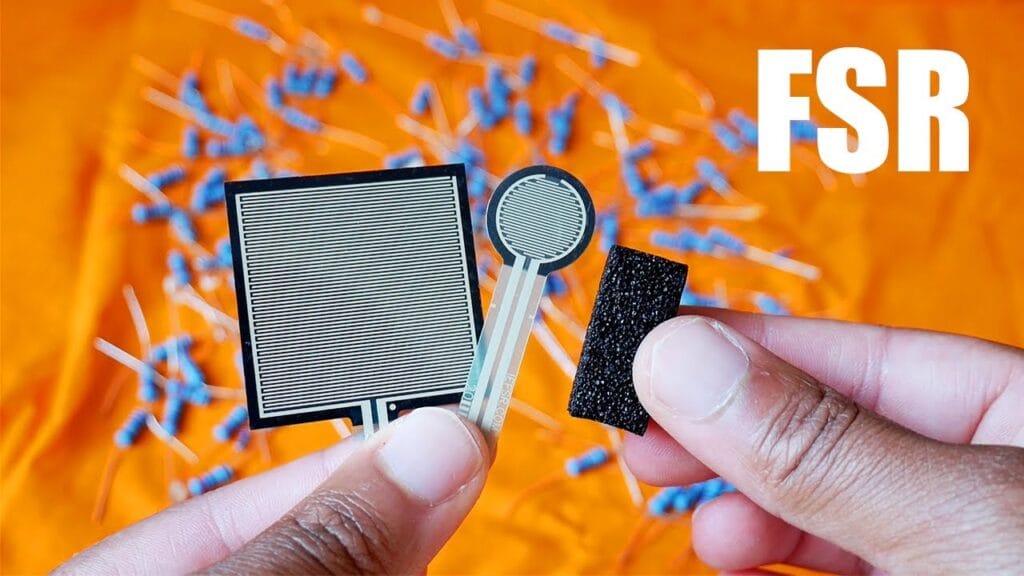
You may ask what a force-sensitive resistor does. This small part changes resistance when you press it. If you push harder, resistance goes down. When you stop pressing, resistance goes up again. You can use a force-sensitive resistor to check how much force you use on a surface. These sensors come in many shapes and sizes. Some are round, some are square, and some are long strips. Makers like them because they fit many kinds of projects.
How Force Sensitive Resistors Work
A force-sensitive resistor works in a simple way. Inside, there are two thin layers. One layer has special ink that lets electricity move. The other layer has wires or traces. When you press, the layers touch each other. This makes electricity flow more easily. If you press harder, resistance gets lower. You can connect a force sensor to a microcontroller like Arduino. The microcontroller checks the resistance and shows how much force you used.
Here’s a quick look at how it works:
| Step | What Happens |
|---|---|
| 1 | You press on the sensor |
| 2 | The layers inside touch each other |
| 3 | Resistance drops as force increases |
| 4 | The circuit measures the change |
Tip: You can use a force sensing resistor to add touch or pressure controls to your project. It is easy to set up and test.
Key Benefits for Makers
You get many good things when you use a force sensor. Here are some reasons why makers pick force-sensitive resistor products:
- Easy to Use: You can connect them with just a few wires. You do not need special tools.
- Flexible Design: You can cut or shape some sensors to fit your project.
- Low Cost: Most force sensors cost less than other types of sensors.
- Fast Response: You get instant feedback when you press or touch.
- Durable: Many force-sensitive resistor models last for millions of presses.
- Custom Options: Some brands let you order special shapes or sizes.
You can use force sensitive resistors in many ways. They work well in robots, wearables, music tools, and art projects. If you want to measure force, pressure, or touch, a force sensing resistor gives you a simple and reliable answer.
Common Maker Applications
You may wonder where you can use a force-sensitive resistor. Makers use these sensors in many creative projects. You can find them in both simple and advanced devices. Let’s see some popular ways people use them.
- Arduino Projects: You can connect a force-sensitive resistor to an Arduino. This helps you measure how hard you press a button or touch something. Many people use this for games, music, or smart controls. You get quick feedback, which makes your project more exciting.
- Wearable Technology: You can put a force sensor in a wearable device. This lets you track movement or check pressure. Some smartwatches use force-sensitive resistors for touch screens and buttons. You can also make fitness trackers that count steps or check grip strength.
- Healthcare Devices: You can use a force sensor in medical tools. These sensors help doctors and therapists watch how patients are doing. For example, a force sensing resistor can go in a rehab glove. It checks how much force a patient uses when moving their hand. This helps track healing and gives important data.
- Automotive Safety: You can find force-sensitive resistors in cars. They help tell if someone is sitting in a seat. This makes safety features, like airbags, work better. You can also use a force sensor to check pressure in seats or steering wheels.
- Ergonomic and Rehabilitation Tools: You can use force sensitive resistors in tools that help people move better. For example, you can make a smart cushion that checks how someone sits. This helps stop injuries and makes sitting more comfortable. Rehab tools use force sensors to track exercises and help therapy work better.
- Interactive Art and Installations: You can make art that reacts to touch or pressure. Artists use force sensors to make sculptures or paintings that change when pressed. You can build art that lights up or plays sounds when touched.
Here is a table that shows how force-sensitive resistor uses fit different projects:
| Application Area | Example Project | Why Use a Force Sensor? |
|---|---|---|
| Arduino Projects | Pressure-sensitive game controller | Adds interactive feedback |
| Wearable Technology | Smart fitness band | Tracks movement and pressure |
| Healthcare Devices | Rehabilitation glove | Monitors patient progress |
| Automotive Safety | Seat occupancy sensor | Improves safety features |
| Ergonomic Tools | Smart cushion | Enhances comfort and health |
| Interactive Art | Touch-responsive sculpture | Creates engaging experiences |
Tip: You can use a force sensing resistor with other sensors to make your project smarter. Try adding lights, motors, or sounds for more fun.
You see force sensitive resistors in many places because they are easy to use. You can start with a simple project and try harder ones later. If you want to build a robot, a wearable, or art, a force sensor helps you measure force and bring your ideas to life.
In-Depth Reviews: Top Force Sensing Resistor Products
SOUSHINE Force Sensing Resistor Review
Features and Specs
You get many benefits with SOUSHINE force-sensitive resistor products. These sensors measure force and pressure very well. You can choose from lots of shapes and sizes. The flexible design fits into small or special projects. SOUSHINE force sensors have a special build with a flexible base, a spacer, and a layer that conducts electricity. This setup gives you results you can trust every time. The sensors work in tough places and use little power.
| Feature | Details |
|---|---|
| Sensitivity | Detects small force changes |
| Customization | Many shapes and sizes |
| Durability | Long-lasting, tough build |
| Power Use | Low energy consumption |
| Application Range | Automotive, healthcare, robotics, consumer electronics, industrial automation, aerospace |
Pros and Cons
Tip: SOUSHINE lets you change your force sensor to fit your project.
Pros:
- High sensitivity and accuracy
- Strong and durable
- Many choices for customization
- Works in harsh places
- Uses little power
Cons:
- You might need to ask SOUSHINE for special shapes or sizes
Best Use Cases
You can use SOUSHINE force-sensitive resistor products in lots of ways. Try them in robots for grip control. Use them in healthcare tools to watch patient movement. Add them to smart gadgets for better touch. They also work in cars for safety and in factories for automation.
Interlink FSR Review
Features and Specs
Interlink force-sensitive resistor products are thin and bendy. You can put them in small spaces. The FA408 model is 171.61 × 12 mm and can sense forces from 200g to 20KG. The sensors react in less than 1 millisecond. You get quick and steady force sensing for your projects.
| Feature | Specification |
|---|---|
| Model | FA408 |
| Size | 171.61 × 12 mm |
| Force Range | 200g ~ 20KG |
| Thickness | ≤0.3 mm |
| Response Time | <1 ms |
| Repeatability | ±2.5% (single part) |
Pros and Cons
Pros:
- Very thin and bendy
- Fast reaction time
- Good for light and heavy force
- Not expensive for most makers
Cons:
- Some models may have bigger differences between parts
Best Use Cases
You can use Interlink force sensors in wearable tech, smart gloves, and pressure maps. They work in music tools and sports gear. If you need a sensor for a small space or fast reaction, Interlink is a good choice.
Tekscan Force Sensor Review
Features and Specs
Tekscan force-sensitive resistor products are made for high accuracy and detailed force maps. You get sensors that can measure fast forces, like tire contact at high speeds. Tekscan sensors can send data wirelessly and work easily with software.
| Feature | Details |
|---|---|
| Accuracy | High, for detailed mapping |
| Speed | Measures fast-moving forces |
| Data Transfer | Wireless options available |
| Application Range | Research, sports science, robotics, automotive testing |
Pros and Cons
Pros:
- Great accuracy and repeatability
- Wireless data choices
- Good for research and testing
- Detailed force maps
Cons:
- Costs more than basic models
Best Use Cases
You can use Tekscan force sensors in labs, sports science, and robots. They help you collect detailed data for research or hard projects. If you need the best accuracy, Tekscan is a smart pick.
Flexiforce Sensor Review
Features and Specs
You get a lot of choices with Flexiforce sensors. These force-sensitive resistor products come in many shapes and sizes. You can pick a sensor for light touches or heavy pressure. Some models handle up to 10,000 psi. Others work in hot places, even up to 200°C. Flexiforce sensors use a thin, flexible design. You can fit them into tight spots or curved surfaces. The sensors give you steady readings, even after many uses.
| Feature | Details |
|---|---|
| Sensing Area | 1.86 mm to 400+ mm |
| Force Range | Up to 10,000 psi |
| Temperature | Up to 200°C (400°F) |
| Thickness | Very thin and flexible |
| Custom Options | Yes, for special projects |
Pros and Cons
Tip: You can talk to Flexiforce for help picking the right sensor for your project.
Pros:
- Wide range of sizes and force levels
- Works in tough environments
- Flexible and easy to fit
- Custom options for special needs
Cons:
- Some models cost more than basic sensors
- You may need to calibrate for best results
Best Use Cases
You can use Flexiforce sensors in many ways. Try them in sports gear to measure grip or pressure. Use them in medical tools for patient care. They work well in robots that need to sense touch or force. If you want a force sensor for a hard job, Flexiforce gives you lots of options.
SparkFun FSR Review
Features and Specs
SparkFun makes force-sensitive resistor products that are easy to use. You can set them up fast. These sensors work with Arduino and other boards. The active area is usually round and about the size of a coin. You get a simple way to measure force or pressure. The sensors respond quickly and last for many presses.
| Feature | Details |
|---|---|
| Active Area | About 0.5 inch (12.5 mm) |
| Force Range | 0 to 10 kg (0 to 22 lbs) |
| Response Time | Less than 1 ms |
| Life Cycle | Over 1 million presses |
| Power Use | Low, good for battery projects |
Pros and Cons
Pros:
- Very easy to use
- Works with many boards
- Fast response
- Good for learning and testing
Cons:
- Not for very high force
- Limited size choices
Best Use Cases
You can use SparkFun force sensors in DIY projects. Try them in music tools, art, or simple robots. If you want to learn about force sensing, SparkFun gives you a great place to start.
Adafruit FSR Review
Features and Specs
Adafruit offers a force-sensitive resistor that is both affordable and reliable. The sensor has a 1/2 inch active area. You can measure forces from a gentle touch up to 20 pounds. It uses very little power, so it works well in portable projects. The sensor responds in less than a millisecond and lasts for millions of presses.
| Feature | Details |
|---|---|
| Active Area | 1/2 inch (12.5 mm) |
| Force Range | 0 to 20 lbs (0 to 100 N) |
| Power Use | Less than 1 mA |
| Response Time | Under 1 ms |
| Life Cycle | Over 5 million presses |
Pros and Cons
Note: Adafruit has lots of guides and a helpful maker community.
Pros:
- Low price
- Fast and reliable
- Works with Arduino and Raspberry Pi
- Lots of support and tutorials
Cons:
- Only one size for most models
- Not for very heavy loads
Best Use Cases
You can use Adafruit force sensors in wearables, smart gadgets, and interactive art. If you want a force sensing resistor that is easy to use and well-supported, Adafruit is a smart choice.
Sensitronics Force Sensor Review
Features and Specs
You want a force sensor that fits your project just right. Sensitronics gives you many choices. You can pick single-zone models, matrix arrays, or sensors that sense both position and force. Sensitronics makes force sensitive resistors that are thin and easy to bend. You can put them in small or tight places. Some models let you sense both force and position. This is helpful for smart controls or music tools.
Here is a table that shows what you can get:
| Sensor Type | Features | Best For |
|---|---|---|
| Single-Zone | Thin, flexible, simple | Touch detection |
| Matrix Arrays | Force + position mapping | Multi-touch surfaces |
| XYZ Pads | X, Y, and force sensing | Trackpads, smart controls |
| Linear Potentiometer | Force + position along a line | Music tools, sliders |
You can ask Sensitronics to make a custom force sensing resistor. They help you pick the size, shape, and force range you need.
Pros and Cons
Tip: Sensitronics can make a sensor just for your project.
Pros:
- Many types for different projects
- Thin and bendy designs
- Good for sensing force and position
- Custom options if you need them
Cons:
- Some special models cost more money
- Custom orders might take longer
Best Use Cases
You can use Sensitronics force-sensitive resistor products in art that reacts to touch. They work in smart surfaces and custom controllers. If you want to make a music tool that senses touch, Sensitronics makes it simple. You can use their sensor arrays to map pressure in beds or seats. Makers also use these sensors in game controllers and keyboards.
Extra-Long Force Sensitive Resistor Review
Features and Specs
Sometimes you need a force sensor for a big space. Extra-long force sensitive resistors help you measure force across beds, seats, or robot arms. These sensors are thin and bend easily. You can cut them to fit your project. They are good for sensing force over a wide area.
Here is what you get with extra-long models:
- Lengths can be several feet long
- Thin and easy to bend
- Measures force all along the strip
- Simple to put in curved or tight places
| Feature | Details |
|---|---|
| Length | Up to several feet |
| Thickness | Less than 1 mm |
| Force Range | Changes by model |
| Life Cycle | Millions of presses |
Pros and Cons
Note: Extra-long force sensitive resistors are great for big projects.
Pros:
- Covers a lot of space
- Easy to bend and shape
- Good for measuring force everywhere on the strip
- Not too expensive for large projects
Cons:
- Not as detailed as small sensors
- Might need extra help to set up right
Best Use Cases
You can use extra-long force-sensitive resistor products in car seats to check if someone is sitting. Hospitals use them in beds to watch patient movement. Makers put them on robot arms for grip control. You can also use these sensors in smart furniture or art that reacts to touch. If you need to sense force over a big area, extra-long models are a good pick.
Force Sensitive Resistor Comparison Table
You want to find the best force sensor for your project. It helps to see all the top force-sensitive resistor products together. You can look at their specs, features, and what they are best for. This table shows you what each force sensor can do.
| Brand | Model Name / Type | Force Range | Features | Best Use Cases |
|---|---|---|---|---|
| SOUSHINE | Customizable FSRs | Wide (customizable) | High sensitivity, durable, flexible shapes | Robotics, healthcare, automotive, smart devices |
| Interlink | FA408 | 200g ~ 20KG | Thin, fast response, bendable | Wearables, pressure maps, smart gloves |
| Tekscan | Tire Patch Sensor, Research FSRs | Up to 10,000 psi | Wireless, high accuracy, force mapping | Sports science, research, robotics |
| Flexiforce | Standard and custom sensors | Various | Thin, flexible, high durability | Medical tools, factory machines |
| SparkFun | Thin and bendy FSRs | 0 to 10 kg | Easy to use, quick setup | School projects, DIY electronics |
| Adafruit | Round FSR Alpha MF01A-N-221-A01 / A05 | 0.3 ~ 100 Newton | Fast response, low power, affordable | Touch controls, displays, simple robots |
| Sensitronics | LowDrift, MatrixArrays, XYZ Pads | N/A (customizable) | Custom options, force + position sensing | Custom applications, smart surfaces |
| Extra-Long | Strip FSRs | Varies by model | Covers large area, flexible | Seats, beds, robot arms, smart furniture |
Tip: Use this table to help pick a force sensor for your project. Look at the force range and features. Think about where you want to use the force-sensitive resistor.
What Makes Each Force Sensor Stand Out?
- SOUSHINE gives you force-sensitive resistor products that are very sensitive. They come in many shapes. You can use them in robots, cars, or health tools.
- Interlink has thin sensors that fit in tight spaces. They measure force quickly for wearables and smart gloves.
- Tekscan makes force sensors for research and sports. You can map force with high accuracy and use wireless features.
- Flexiforce lets you choose from many sizes and force ranges. These force sensors work well in medical tools and machines.
- SparkFun makes force-sensitive resistor products that are easy for beginners. You can use them in school projects or DIY electronics.
- Adafruit gives you affordable force sensors that respond fast. You can add them to touch controls or simple robots.
- Sensitronics helps you get custom force and position sensing. You can use their force sensors in smart surfaces or special projects.
- Extra-Long FSRs cover big areas. You can use them in seats, beds, or robot arms for force sensing.
How Should You Choose?
You want a force sensor that matches your needs. If you need high sensitivity, SOUSHINE and Tekscan are good picks. For simple projects, SparkFun and Adafruit are easy to use. Flexiforce and Sensitronics help with custom force measurement. Extra-long force-sensitive resistor products are good for large spaces.
Note: Always check the force range and features before you buy a force sensing resistor. You can ask for custom options if your project needs something special.
You can use force sensitive resistors in lots of ways. You might build a robot, a smart cushion, or a music tool. The right force sensor helps your project work better and last longer.
How to Choose the Right Force Sensing Resistor
Choosing the right force-sensitive resistor can feel tricky, but you can make it simple by focusing on what matters most for your project. Let’s break down the key things you should look for and how to match the best force sensor to your needs.
Key Selection Criteria
Sensitivity and Range
You want your force sensor to pick up the right amount of pressure. Some projects need to sense a gentle touch, while others need to measure a strong push. Always check the sensitivity and range before you buy. If you build a robot hand, you need a sensor that can notice both light and firm grips. For automation in factories, you might need a sensor that handles heavy loads.
Size and Form Factor
Think about where you will put your force-sensitive resistor. Some sensors are tiny and fit into small spaces, while others are long strips for bigger areas. If you work on a robot finger, pick a small sensor. For a robot seat or arm, choose a larger or extra-long sensor. The right size helps your project work better.
Durability and Lifespan
You want your force sensor to last. Look for sensors that can handle lots of presses and tough conditions. If your robot works in a busy place or your automation system runs all day, pick a sensor with a strong build and high life cycle.
Price and Availability
Check your budget and how fast you need the sensor. Some force-sensitive resistor models cost more because they offer special features. If you need many sensors for a robot or automation project, look for bulk deals. Make sure the sensor is easy to find and ships quickly.
Platform Compatibility
Make sure your force sensing resistor works with your electronics. Many sensors connect easily to Arduino, Raspberry Pi, or other boards. If you build a robot or automation system, check that the sensor fits your setup.
Matching Force Sensors to Projects
Robotics and Automation
Robots use force sensors to grip, move, and sense objects. You can add a force-sensitive resistor to a robot hand to control how hard it grabs. In automation, sensors help machines press, push, or sort items. You might use several sensors in a robot arm for better control. Automation lines use sensors to check if parts are in place or if a robot needs to stop.
Wearables and Soft Circuits
Wearable tech needs small, flexible sensors. You can put a force sensor in a smart glove or shoe to track movement. Soft circuits use thin sensors that bend and move with your body. These sensors help you build comfy and smart wearables.
DIY Musical Instruments
You can use a force-sensitive resistor to make a drum pad or piano key. The sensor lets you play louder or softer by pressing harder or lighter. Many makers use these sensors to build custom music tools that react to touch.
Interactive Art and Installations
Artists use force sensors to make art that responds to people. You can build a sculpture that lights up when touched or a wall that plays sounds when pressed. These sensors help you create fun and interactive displays.
Other Maker Projects
You can use force sensors in toys, games, or smart furniture. If you want a chair that knows when someone sits or a game that reacts to pressure, a force-sensitive resistor is a great choice.
Tips for Testing and Integrating FSRs
When you add a force sensor to your project, you want it to work well every time. Here are some best practices:
- Use known weights to calibrate your sensor. This helps you get accurate readings.
- Test your sensor for response time, repeatability, and durability. Try it in different temperatures and places to make sure it works everywhere.
- Keep notes on your tests. Good documentation helps you fix problems and keep your sensors working the same way.
- If you have trouble, reach out for support. Many companies offer help after you buy, so you can solve issues fast.
Tip: Always test your force sensing resistor before you finish your project. This saves time and helps you catch problems early.
You can build better robots, automation systems, and creative projects when you pick the right force sensor and follow these tips.
Force Sensor Market Trends 2025
Market Growth and Opportunities
More makers and companies use force-sensitive resistor technology each year. The market for these sensors is growing quickly. Here are some facts about the market right now and what is coming:
- The force sensitive resistor market is worth USD 659 million in 2024.
- Experts think the market will grow by 7.2% every year from 2025 to 2033.
- By 2033, the market might reach USD 1,232 million.
New industries are starting to use force sensor solutions. More companies want smart devices, so they look for good force sensor and force sensing resistor products. This growth gives you more choices and better deals.
Innovations in Force Sensing Technology
You get cool new upgrades in force sensing. Makers use tiny strain gauge parts and new piezoelectric crystals. These materials make sensors more sensitive and help them work in tough places. You also get instant analysis of force data in many directions because of better digital signal processing. This lets you change your projects quickly.
Wireless standards now help you send data easily. You can make projects that connect to the Internet of Things or work with Industry 4.0 systems. These changes make force-sensitive resistor and force sensor products better for everyone, from hobbyists to experts.
Future Applications for Makers
You will see force-sensitive resistor technology in lots of new places soon. Makers like you can try creative projects in these areas:
| Application Area | Description |
|---|---|
| Smart Textiles | Put force-sensitive resistor parts in clothes for smart wearables. |
| Wearable Electronics | Use force sensor pieces in health trackers and smartwatches. |
| Biomedical Implants | Make medical devices that need force sensing to work better. |
| Soft Robotics | Build robots that feel and react to touch and pressure. |
| Automotive Safety Systems | Make cars safer with seat sensors and airbag controls. |
| Industrial Automation | Watch and improve machines with force sensor feedback. |
| Consumer Electronics | Add force sensing to gadgets for better user experiences. |
You can use force-sensitive resistor and force sensor products in smart clothes, medical tools, or soft robots. These new uses help you make smarter, safer, and more fun devices. The future is bright for anyone who wants to try force sensing resistor technology.
Force-sensitive resistor products help you make smarter projects. The best force sensor brands give you high quality choices. These force sensitive resistors are known for being sensitive, flexible, and not too expensive. Here is a table that shows their main benefits:
| Key Benefit | Description |
|---|---|
| Sensitivity | Modern force sensors notice even small changes. |
| Flexibility | You can use them in wearables and cool designs. |
| Cost-effectiveness | Force sensors cost less than most other sensors. |
| Low power consumption | They work well in battery-powered devices. |
| Eco-friendly | New ways make sensors better for the planet. |
This guide helps you choose the right force-sensitive resistor for your project. You can try new things and see what force sensing can do. If you want to learn more, look at these helpful resources:
- Interlink Electronics guide for setting up force-sensitive resistors
- Hall RS et al. (2008) about conditioning and calibrating force-sensitive resistors
- Paredes-Madrid et al. (2017) about the physics of force-sensitive resistor materials
FAQ
What is the difference between a tension sensor and a pressure sensor?
A tension sensor checks pulling force. A pressure sensor checks how hard you push on something. You use a tension sensor for weighing or stretching things. A pressure sensor is better for touch, pressing, or squeezing.
Can I use a force sensing resistor as a tension sensor?
You can use a force sensing resistor for some tension jobs. But it works best for pressure. If you need to measure pulling or stretching, use a tension sensor or a displacement sensor. These give you more accurate results.
How does a displacement sensor compare to a pressure sensor?
A displacement sensor tracks movement or changes in position. A pressure sensor measures how hard you press. If you want to know how far something moves, use a displacement sensor. If you care about how much force you use, pick a pressure sensor.
Are piezoelectric sensors better than force sensing resistors?
Piezoelectric sensors react quickly and sense small shakes. They are good for fast changes. Force sensing resistors give steady readings for constant pressure. If you want to measure quick taps, use a piezoelectric sensor. For steady force, use a force sensing resistor.
Where should I use a tension sensor in my project?
Use a tension sensor when you need to measure pulling or stretching. Try it in smart gym tools, robot arms, or weighing systems. A tension sensor helps you track force when you pull or lift things.
What are the top extra-long force-sensitive resistor picks for large projects?
Look at extra-long force-sensitive resistors for seats, beds, or robot arms. These sensors cover big spaces and give steady pressure readings. They work well in hospitals, cars, and smart furniture.
Can I combine a displacement sensor with a pressure sensor?
Yes! You can use both in one project. A displacement sensor shows how far something moves. A pressure sensor shows how hard you press. Together, they help you build smarter robots, music tools, or interactive art.
How do I choose between a piezoelectric sensor and a tension sensor?
Think about what your project needs. If you want to sense quick taps or shakes, pick a piezoelectric sensor. If you need to measure pulling force, use a tension sensor. Each sensor is good for different jobs, so match them to your goal.
Tip: Always test your sensors before you finish your project. This helps you get the best results.