

Call us: +86-137-2353-4866


You can find medical sensors almost everywhere now, like on your wrist or next to your bed. These small tools help you watch your health and find problems early. Some important sensors are heart rate, SpO2, temperature, blood pressure, glucose, ECG, and force sensing resistor sensors. You can use these tools at home, at work, or when you travel. They help you check your health or help someone who needs care. Think about which sensor could help you or your family the most.
Table of Contents
Key Takeaways
- Medical sensors are important tools for checking your health. They help you watch things like heart rate, blood pressure, and oxygen levels.
- Using medical sensors at home can help you find health problems early. This means you can get help sooner and stay healthier.
- Wearable devices, like smartwatches, make it easy to check your health. They give you real-time data and send alerts about your health.
- Oximeters and glucometers are helpful for certain health needs. They let you check your oxygen levels and blood sugar easily.
- Checking your blood pressure at home can help control high blood pressure. Home checks give good results and help you talk to your doctor.
- Force sensing resistors make medical devices work better. They are used in many things, like smart beds and infusion pumps.
- Smart thermometers and activity trackers help you learn about your health. They let you check your temperature and track your activity simply.
- Remote patient monitoring is the future of health care. It helps you stay in touch with your doctor and manage your health at home.
Understanding Medical Sensors
What Are Medical Sensors?
You use medical sensors almost every day. Sometimes you do not even notice them. These small devices help you check your health. They measure things like heart rate, temperature, or blood sugar. Experts say medical sensors mix electronics with biomedicine. They collect health data right away. The sensors turn this data into numbers you can read. They send the numbers to your phone or another device. This helps you watch your health at home, at school, or anywhere you go.
| Source | Definition |
|---|---|
| ScienceDirect | Medical sensors are devices that use electronic technology and biomedicine. They help with smart, remote, and gentle health checks. |
| ScienceDirect | Medical sensors are small devices that watch health data in real time. They process it and send it to your phone. |
Role in Everyday Health
Medical sensors are important in your daily life. You might wear a smartwatch that counts your steps or checks your heart rate. Some people use blood pressure cuffs or glucose meters at home. These sensors help you find health problems early. For example, a smartwatch can warn you if your heart rhythm changes. A thermometer can show if you have a fever. Many sensors now work without touching your skin. This makes them more comfortable and helps your skin stay healthy. Hospitals use these sensors to keep things clean and safe.
Tip: Using medical sensors at home can help you and your doctor find health problems before they get worse.
Medical sensors also let you share your health data with your doctor. This means you can get help faster if something changes. Studies show people who use home devices visit the hospital less. They also have better health. You can feel more in control of your health when you use these tools every day.
Types of Monitoring Devices
You have many choices for monitoring devices. Some common ones are:
- Thermometers to check your temperature
- Blood pressure cuffs to track blood pressure
- Glucometers to measure blood sugar
- Pulse oximeters to check oxygen levels
- Wearable devices like smartwatches to track heart rate, steps, and sleep
- Scales to watch your weight
- ECG sensors for heart health
You can also find sensors that remind you to take your medicine. Some track how you use an inhaler. Some sensors check your temperature by touching your skin, like thermistors and thermocouples. Others, like infrared sensors, check your temperature without touching you.
Here are some main types of medical sensors you might use:
- Contact temperature sensors: thermistors, thermocouples, resistance temperature detectors (RTDs)
- Non-contact temperature sensors: infrared temperature sensors, fiber optic temperature sensors
- Wearable sensors for heart rate, sleep, and movement
- Drug delivery sensors that help you remember your medicine
The number of connected devices grows every year. Look at how many people use wearables now:
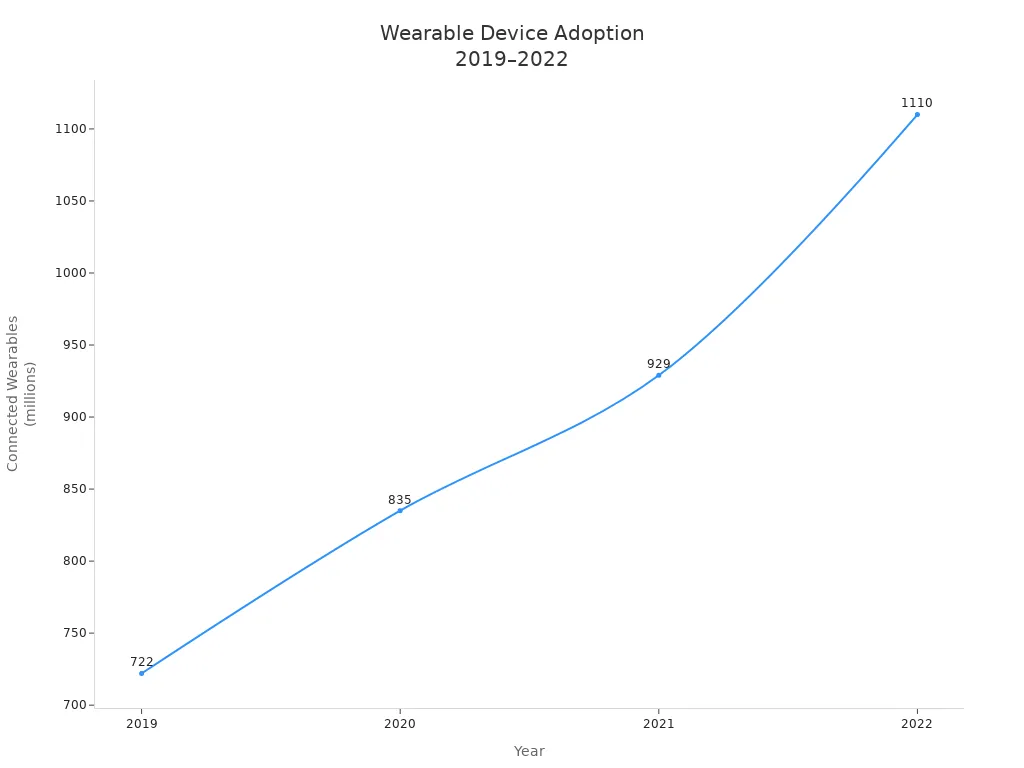
You can see more people trust these devices to stay healthy. As technology gets better, you will find even more ways to use medical sensors every day.
Force Sensing Resistor in Healthcare
SOUSHINE Force Sensing Resistor
If you want a sensor you can trust, SOUSHINE is a good choice. SOUSHINE Force Sensing Resistors (FSRs) show numbers you can believe. These sensors last a long time, even in busy places. They do not use much power, so you do not worry about batteries. You can put them in many medical devices without problems. This makes SOUSHINE FSRs a smart pick for easy health checks.
- High accuracy for exact measurements
- Strong for long use
- Uses little power for good monitoring
- Simple to add to health systems
Applications in Medical Devices
SOUSHINE FSRs are used in many medical tools you might see. Here are some examples:
| Medical Device | Purpose |
|---|---|
| Hospital Beds | Find pressure and weight to help care for patients |
| Wheelchairs | Watch weight to stop problems like blood clots |
Smart Beds and Patient Safety
Smart beds use SOUSHINE FSRs to watch how a patient moves. The sensors check pressure spots and help nurses know when to turn someone. This stops bedsores and keeps patients comfy. The sensors also tell staff if a patient tries to get up, which can stop falls.
Infusion Pumps and Fluid Control
Infusion pumps must give the right amount of medicine. SOUSHINE FSRs check the force inside the pump. If something blocks the flow or the pump pushes too hard, the sensor warns you. This keeps patients safe and makes sure the medicine works.
Prosthetics and Sensory Feedback
Prosthetic hands and arms use SOUSHINE FSRs to feel grip strength. When you pick up something, the sensor tells the device how hard you squeeze. This helps you hold things safely and makes daily tasks easier.
Benefits of Force Sensing Technology
Force sensing technology gives many good things in healthcare. These sensors show real-time data about how a patient moves or sits. This helps doctors and nurses act fast if something changes. The technology also makes medical devices safer and better.
- Exact measurement and control in important care
- Better safety and comfort for patients
- Real-time alerts for movement or pressure changes
- Good fluid delivery and blockage warnings in pumps
- Natural grip and feedback in prosthetic tools
Note: SOUSHINE FSRs follow strict safety rules and work well in busy hospitals. Studies show they help find sleep apnea with up to 95% accuracy and give quick results in wearable heart monitors.
Force sensing resistors help a lot in healthcare. They give you and your care team the right information fast, so you get better care and feel safe.
Oximeter for Oxygen Monitoring

How an Oximeter Works
You may have seen a small clip on your finger at the doctor. This is called an oximeter. It checks how much oxygen is in your blood. The oximeter shines a light through your skin. It measures how much light your blood takes in. Then, it shows your oxygen level as a percent. Most people see numbers from 95% to 100%. If your number is under 90%, you should talk to a doctor.
Oximeters work best when your oxygen is between 90% and 100%. The numbers can change if your oxygen drops lower. For example:
- Oximeters are most correct when your oxygen is 90% to 100%.
- They are less correct when your oxygen is 80% to 90%.
- If your oxygen is under 80%, the number may not be right.
- Most FDA-cleared oximeters are within 2 to 3% of the real number.
- About 95% of readings are within 0 to 6% of the true value.
- Oximeters may show higher numbers for people with darker skin.
Things around you can also change the results. If you use an oximeter in a loud or very bright room, the number might go down or up. Hot rooms or high places can also change your oxygen reading.
Tip: For the best results, use your oximeter in a quiet room with normal light.
Everyday Uses of Oximeters
You can use an oximeter at home or in a clinic. People use these sensors to check their oxygen levels fast and easy. Here are some common ways to use them:
| Application Type | Description |
|---|---|
| Remote Monitoring | Connects with phone apps for easy care at home. |
| Diagnostic Tool | Helps doctors find pneumonia in kids. |
| Telehomecare Monitoring | Lets you watch your child’s health at home. |
| Cardiovascular Disease Monitoring | Checks for changes in people with heart risks. |
| Blood Oxygenation Monitoring | Checks your oxygen during daily life. |
| Post-operative Monitoring | Watches patients after surgery. |
| Clinical Trials Data Capture | Collects health data for research. |
| Long-term Oxygen Therapy Optimization | Helps doctors adjust oxygen for patients. |
| COPD Management | Supports people with long-term lung disease. |
Home Oxygen Level Checks
You can use an oximeter at home to check your oxygen any time you feel short of breath. Many people with lung or heart problems keep one close. If you use oxygen therapy, the oximeter helps you know if it works. You can also share your numbers with your doctor during a video call or visit.
Managing Chronic Conditions
If you have a long-term problem like COPD, asthma, or pulmonary fibrosis, an oximeter is helpful every day. You can see changes in your oxygen before you feel sick. This helps you act fast and stay safe. Doctors use oximeter numbers to see if you need more care or a new medicine. For asthma, using an oximeter and a peak flow meter gives a better look at your health. Oximeters also help doctors show you need home oxygen, which can help with insurance.
Note: Oximeters make it easy to watch your health without blood tests or pain. You get quick answers and feel calm.
Glucometer for Blood Sugar
How a Glucometer Functions
You might wonder how a glucometer checks your blood sugar so quickly. When you place a drop of blood on the test strip, the device gets to work right away. The strip contains a special enzyme called glucose oxidase. This enzyme reacts with the glucose in your blood. The reaction creates a small electric current. The glucometer measures this current and shows your blood sugar level on the screen. The higher the glucose, the stronger the current. This method gives you a fast and accurate reading, so you know your numbers in seconds.
Most glucometers use this electrochemical process. The test strip and the meter work together to turn a chemical reaction into a digital number you can read. You do not need to understand the science to use it, but knowing how it works can help you trust the results.
Daily Use for Diabetes
If you live with diabetes, you know how important it is to check your blood sugar every day. A glucometer makes this task simple and quick. You can use it at home, at school, or even when you travel. Regular monitoring helps you see how food, exercise, and medicine affect your numbers. You can spot patterns and make better choices for your health.
Tip: Keep your glucometer and test strips in a cool, dry place. This helps you get the most accurate results.
You should know that while glucometers have become more accurate, some things can change the results. How you use the device, the environment, and even the type of meter can affect the reading. Studies show that some meters may read a bit higher than lab tests. You should use your glucometer for daily checks, but always talk to your doctor for a full diagnosis.
Continuous Glucose Monitoring
You do not have to check your blood sugar with a finger prick every time. Many people now use continuous monitoring systems. These sensors stick to your skin and check your glucose all day and night. You get updates every few minutes. This helps you catch highs and lows before you feel them. Continuous monitoring is great for people who want to see trends and avoid surprises.
Integration with Health Apps
You can make your life easier by connecting your glucometer or continuous monitoring system to a health app. Many devices send your numbers right to your phone. You can track your progress, set reminders, and even share your data with your doctor or family. This makes it simple to stay on top of your diabetes care.
Here are some ways daily blood sugar checks help you manage diabetes:
- You learn how meals, exercise, and medicine change your numbers.
- You can work with your doctor to create a plan that fits your life.
- You lower your risk of problems by catching changes early.
- You feel more in control of your health.
A glucometer gives you the power to make smart choices every day. With regular monitoring, you and your care team can work together for better results.
Blood Pressure Monitoring Devices
How Blood Pressure Sensors Work
You might know someone who checks blood pressure at home. These devices use smart sensors for fast results. Most new blood pressure monitors use different technologies for good numbers. Some use photoplethysmography, which shines light to check blood flow. Others use electrocardiography to watch your heart’s signals. Some devices measure how long your pulse takes to move. This is called pulse transit time or pulse wave velocity. These ways help sensors notice blood pressure changes, even if you move.
Here are the main technologies in these devices:
- Photoplethysmography (PPG): Uses light to see blood volume changes.
- Electrocardiography (ECG): Watches your heart’s electrical activity.
- Pulse Arrival Time (PAT): Times how long your pulse takes to reach a sensor.
- Pulse Transit Time (PTT): Checks how fast your pulse wave moves between two places.
- Pulse Wave Velocity (PWV): Looks at how fast pressure waves move in your arteries.
These sensors work together to show your blood pressure. You get results in seconds, so you can watch your health.
At-Home Blood Pressure Checks
You can check blood pressure at home with a small monitor. Many people use these monitors every day. Doctors say home blood pressure checks are good for people with hypertension or at risk. Studies show about half of adults in the U.S. should use home blood pressure monitors. That is over 100 million people! When you check at home, you can see changes early and tell your doctor.
Most home monitors are simple to use. You put the cuff on your arm, press a button, and wait for the number. New monitors connect to your phone, so you can track your numbers. These tools help you see patterns and make better health choices.
Hypertension Management
If you have hypertension, checking at home is important. Home checks help you and your doctor see if your treatment works. You can find high numbers before they cause trouble. Home checks also find “white-coat hypertension,” when your blood pressure is high at the doctor but normal at home. This helps you avoid medicine you do not need.
Doctors trust home checks because they show your real daily life. You can take readings at different times and see how food, stress, or exercise change your numbers. This helps you manage hypertension and lowers your risk of heart problems.
SOUSHINE FSR in Blood Pressure Monitors
SOUSHINE’s Force Sensing Resistors make blood pressure checks better. These sensors measure the force in the cuff as it fills and empties. You get good numbers every time. The sensors work fast, so you do not wait long. They last a long time, even if you use them every day.
SOUSHINE FSRs help the monitor fit each person well. This means you get a comfy fit and better results. Hospitals and clinics use these sensors because they are safe. When you use a monitor with SOUSHINE FSRs, you know your numbers are right.
Tip: Always use a tested blood pressure monitor for the best results. Most new monitors are safe and work well at home.
ECG Sensors for Heart Health
How ECG Sensors Operate
You might wonder how doctors check your heart’s rhythm without any pain. ECG sensors make this possible. These sensors pick up the tiny electrical changes that happen every time your heart beats. When you use an ECG, the device records these signals and shows them as a wave on a screen. This wave helps you and your doctor see how your heart’s electrical signals move from one part to another.
Wearable sensors have made this process even easier. You can now use wearables with built-in ECG features right at home. These devices use small electrodes to touch your skin and collect heart data. The information goes straight to your phone or computer. You get a clear picture of your heart’s activity in real time. This helps you spot any changes quickly.
Tip: If you ever feel dizzy or your heart skips a beat, using an ECG wearable can help you catch problems early.
Everyday Heart Monitoring
You do not have to visit a hospital every time you want to check your heart. ECG sensors let you keep an eye on your heart’s health from your own home. Many people use these devices for daily monitoring. You can track your heart rhythm, especially if you have a heart condition or want to stay healthy.
Here are some common uses for ECG sensors in everyday life:
- You can detect arrhythmias, like atrial fibrillation, which is a common heart rhythm problem.
- Most ECG wearables focus on finding these rhythm changes.
- You can use these devices at home for self-monitoring.
- Wearables make it easy for you to share your results with your doctor.
Wearable ECG Devices
Wearable ECG devices have changed how you look after your heart. You can wear a smartwatch or a patch that checks your heart’s signals all day. These wearables fit into your daily routine. You do not need wires or big machines. Just put on your device and go about your day.
Let’s look at what makes wearable ECG devices so helpful:
| Feature | Benefit for You |
|---|---|
| Small and lightweight | You can wear them all day |
| Real-time monitoring | You get instant updates on your heart |
| Easy to use | No special training needed |
| Data sharing | You can send results to your doctor |
Wearable sensors give you peace of mind. You can check your heart anytime, anywhere. If you notice something unusual, you can act fast. Many people with heart conditions use these devices to feel safer and more in control.
Note: Wearables with ECG sensors are not just for patients. Anyone who wants to keep track of their heart health can use them. You might even spot a problem before you feel any symptoms.
You can trust these devices to help you stay on top of your heart health. With wearable sensors, you have a powerful tool right on your wrist.
Temperature Sensors in Medicine
How Medical Thermometers Work
You probably use a thermometer when you feel sick. This small device helps you check if you have a fever. Medical thermometers use temperature sensors to measure how warm your body is. You can find different types, like digital, ear, forehead, or even smart thermometers.
Digital thermometers use electronic sensors to read your body temperature. You place the tip under your tongue, in your armpit, or sometimes in your ear. The sensor inside reacts to your body heat and changes its electrical signal. The thermometer then shows your temperature on a screen. Some thermometers use infrared sensors to check your temperature without touching your skin. These are quick and easy, especially for kids or when you need to check many people.
Tip: Always clean your thermometer before and after you use it. This keeps you and your family safe from germs.
Fever and Health Tracking
You can use temperature sensors to track your health every day. If you feel tired or have chills, you might want to check your temperature. A fever can be the first sign that your body is fighting an infection. When you catch a fever early, you can rest, drink water, and call your doctor if needed.
Many parents use thermometers to watch their child’s health. You can check your child’s temperature in the morning and at night. If you see a high number, you know it is time to take action. Some schools and workplaces also use temperature checks to keep everyone safe.
Smart Thermometers
Smart thermometers make health tracking even easier. You can connect these devices to your phone or tablet. The thermometer sends your temperature to an app. You can see your numbers over time and share them with your doctor. This helps you spot patterns, like if you get sick at the same time every year.
Here are some ways smart thermometers help you:
- Track your temperature every day
- Set reminders to check your health
- Share your data with your doctor or nurse
- Get tips on what to do if you have a fever
Smart thermometers work well for families. You can keep records for each person in your home. If a patient has a long-term illness, you can use these sensors to watch for changes. Doctors trust this data because it is accurate and easy to read.
Note: If you use a smart thermometer, check that your app is up to date. This keeps your health data safe and private.
Temperature sensors help you stay in control of your health. You can catch problems early and take care of yourself or a patient at home.
Activity and Fitness Trackers
How Activity Sensors Work
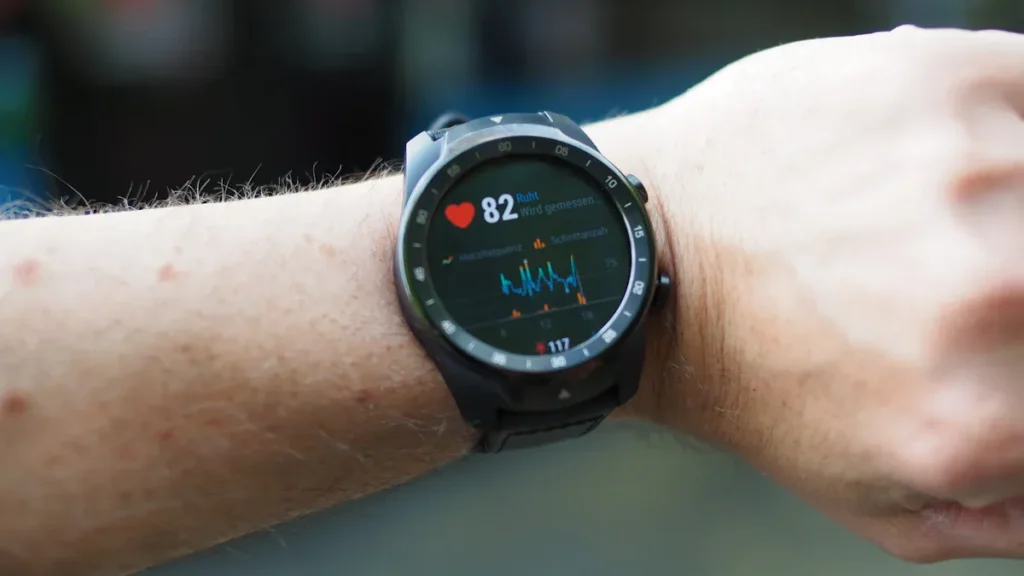
You probably see people wearing bands or watches on their wrists. These are activity trackers. They use sensors to watch your movement, steps, and even your sleep. When you walk, run, or jump, the sensors inside the tracker pick up the motion. Most trackers use something called an accelerometer. This tool measures how fast and how much you move. Some trackers also use a gyroscope to know if you turn or twist.
You do not need to be a tech expert to use these devices. You just wear the tracker, and it does the work for you. The sensors collect data all day. They count your steps, track your heart rate, and even notice when you sit still for too long. Some trackers buzz to remind you to get up and move. Others show your progress on a screen or send it to your phone.
Tip: If you want to get more active, try setting a daily step goal on your tracker. Watching your progress can help you stay motivated!
Daily Fitness and Sleep Tracking
Activity trackers do more than count steps. They help you learn about your health every day. When you wear a tracker, you can see how much you move, how many calories you burn, and how well you sleep at night. The sensors inside the tracker watch your heart rate while you exercise or rest. Some trackers even check your breathing.
You can use activity trackers to set goals for walking, running, or biking. Many trackers let you join challenges with friends or family. This makes getting healthy more fun. If you want to sleep better, your tracker can show how long you sleep and how often you wake up. You might see patterns that help you change your bedtime routine.
Here is a simple table to show what most activity trackers can do:
| Feature | What It Tracks |
|---|---|
| Steps | How much you walk |
| Heart Rate | Your heart’s beats |
| Sleep | How long and well you sleep |
| Calories | Energy you use |
| Movement Alerts | Reminders to move |
Doctors sometimes use activity trackers to help a patient recover after surgery or illness. The tracker shows if the patient moves enough each day. This helps the doctor see if the patient is getting stronger. You can also share your tracker data with your doctor to get advice on your health.
Note: You do not need to be an athlete to use activity trackers. Anyone can use them to learn more about their body and feel better every day.
Activity trackers make it easy to watch your health. You can see your progress, set new goals, and celebrate your wins. With these tools, you take charge of your fitness and well-being.
Respiratory Rate Sensors
How Respiratory Sensors Function
You breathe in and out all day, but you might not notice how often you do it. Respiratory rate sensors help you keep track of your breathing. These small devices measure how many breaths you take each minute. You can find them in hospitals, at home, or even in wearable gadgets.
Most sensors work by watching the rise and fall of your chest. Some use a stretchy band that wraps around your chest or stomach. When you breathe, the band stretches and sends a signal to the device. Other sensors use a small pad under your mattress or seat. The pad feels the movement when you breathe and counts each breath. Some advanced sensors use light or sound to check your breathing without touching your skin.
You do not need to do anything special to use these devices. Just wear the band or sit on the pad, and the sensor does the rest. The device shows your breathing rate on a screen or sends it to your phone. You can see if your breathing is normal or if you need to talk to a doctor.
Tip: If you feel short of breath or notice fast breathing, check your rate with a sensor. This can help you catch problems early.
Breathing and Sleep Monitoring
You might wonder why you should care about your breathing rate. Your breathing can tell a lot about your health. If you get sick, your breathing might speed up or slow down. Doctors use respiratory rate sensors to watch for changes in a patient’s breathing. This helps them find problems like infections, asthma, or sleep apnea.
At home, you can use these sensors to check your breathing while you sleep. Some people stop breathing for short times during the night. This is called sleep apnea. If you have this problem, you might feel tired during the day. A sensor can show if you stop breathing or breathe too fast at night. You can share this information with your doctor to get the right help.
Here is a simple table to show how you can use respiratory rate sensors:
| Use Case | What It Helps With |
|---|---|
| Hospital monitoring | Tracks patient breathing in real time |
| Home health checks | Lets you watch your own breathing |
| Sleep studies | Finds sleep apnea or other issues |
You can use these sensors every day or just when you feel unwell. They help you and your doctor see changes before they become serious. You get peace of mind knowing you can watch your health at home.
Note: Always follow your doctor’s advice if your breathing changes. Sensors give you information, but your doctor can help you understand what it means.
Remote Patient Monitoring Trends
Advances in Medical Sensors
New technology is changing healthcare every day. Remote patient monitoring lets you and your doctor check your health from home. You do not need to go to the clinic for every visit. Now, you can use smart devices at home. These devices have sensors that collect data about your body right away. You get updates on your phone or tablet. Your doctor can see your numbers quickly. This helps you find problems early and stay healthy.
SOUSHINE makes advanced sensors for health. Their force sensing resistors give you feedback in real time. You can trust these devices in many places. Hospitals, clinics, and homes use them for patient care. You get correct numbers every time.
Integration with Remote Patient Monitoring
You might ask how these devices work together. Remote patient monitoring links your health devices to your doctor’s office. You wear a sensor or use a smart monitor at home. The device sends your data to your healthcare team right away. They watch your numbers and call you if something changes.
Here is how remote patient monitoring helps you:
- You save time because you do not need extra doctor visits.
- You get alerts if your numbers change.
- Your doctor can change your care plan quickly.
- You feel safe because someone is watching your health.
SOUSHINE works with other companies to make these systems better. Their sensors fit into many remote patient monitoring tools. You get a smooth and easy experience.
Note: Remote patient monitoring gives you more control over your health. You can check your numbers anytime and share them with your doctor.
Future of Monitoring Devices
You will see more changes soon. Remote patient monitoring will use smarter sensors and faster connections. Devices will get smaller and easier to use. You might wear a patch or use a tiny device that checks your health all day. Real-time updates will help you and your doctor act fast.
SOUSHINE wants to keep making their sensors better. They want remote patient monitoring to be safer and more reliable. You can expect new features and better results. Other companies will also bring new ideas. You will have more choices for health tracking.
Here is what you can look forward to:
| Future Feature | What It Means for You |
|---|---|
| Smaller devices | Easy to wear and use |
| Faster data sharing | Real-time help from doctors |
| Smarter sensors | More accurate health checks |
| Better safety | Fewer mistakes and problems |
Remote patient monitoring will keep growing. You will have more ways to stay healthy and get help when you need it.
You have many ways to use medical sensors in your daily life. These tools help you track your health, spot problems early, and feel more in control. Check out the table below to see how sensors can help you and every patient:
| Benefit | Description |
|---|---|
| Real-Time Health Monitoring | Track vital signs and catch issues early for quick care. |
| Improved Patient Engagement | Stay involved in your health with easy daily checks. |
| Enhanced Remote Monitoring | Get help from doctors even if you are far away. |
| Optimized Decision-Making | Doctors use your data to make better choices for each patient. |
| Reduced Healthcare Costs | Prevent problems and save money with smart monitoring. |
Try out different sensors to see which ones fit your needs or help someone you care about. When you learn about new sensor technology, you give yourself a better chance for good health. Start using these tools today and take charge of your well-being!
FAQ
What is a medical sensor?
A medical sensor is a small device that checks your body’s health. It can measure things like heart rate, temperature, or blood sugar. You use these sensors at home, in the hospital, or even on your wrist.
Can I use medical sensors at home?
Yes, you can! Many sensors work right at home. You just follow the instructions. You can check your health anytime. This helps you spot problems early and share results with your doctor.
How do I know which sensor I need?
Think about your health goals. Do you want to track your heart, blood sugar, or sleep? Pick a sensor that matches your needs. You can also ask your doctor for advice.
Are medical sensors safe for kids?
Most medical sensors are safe for kids. Always read the instructions and use the sensor as directed. If you have questions, ask your doctor or nurse before using a new device.
How often should I check my health with these sensors?
You can check as often as your doctor suggests. Some people check every day. Others check only when they feel sick. Regular checks help you stay on top of your health.
Do I need an app to use these sensors?
Some sensors work with apps. The app helps you track your numbers and see trends. You can use many sensors without an app, but apps make it easier to share data.
What should I do if my sensor shows a strange number?
Stay calm. Check the instructions and try again. If the number still looks wrong, call your doctor. Sometimes, sensors need new batteries or a reset.
Where can I find more information about SOUSHINE sensors?
You can visit the SOUSHINE official website for details, product guides, and support. You can also contact their team if you have questions.