

Call us: +86-137-2353-4866
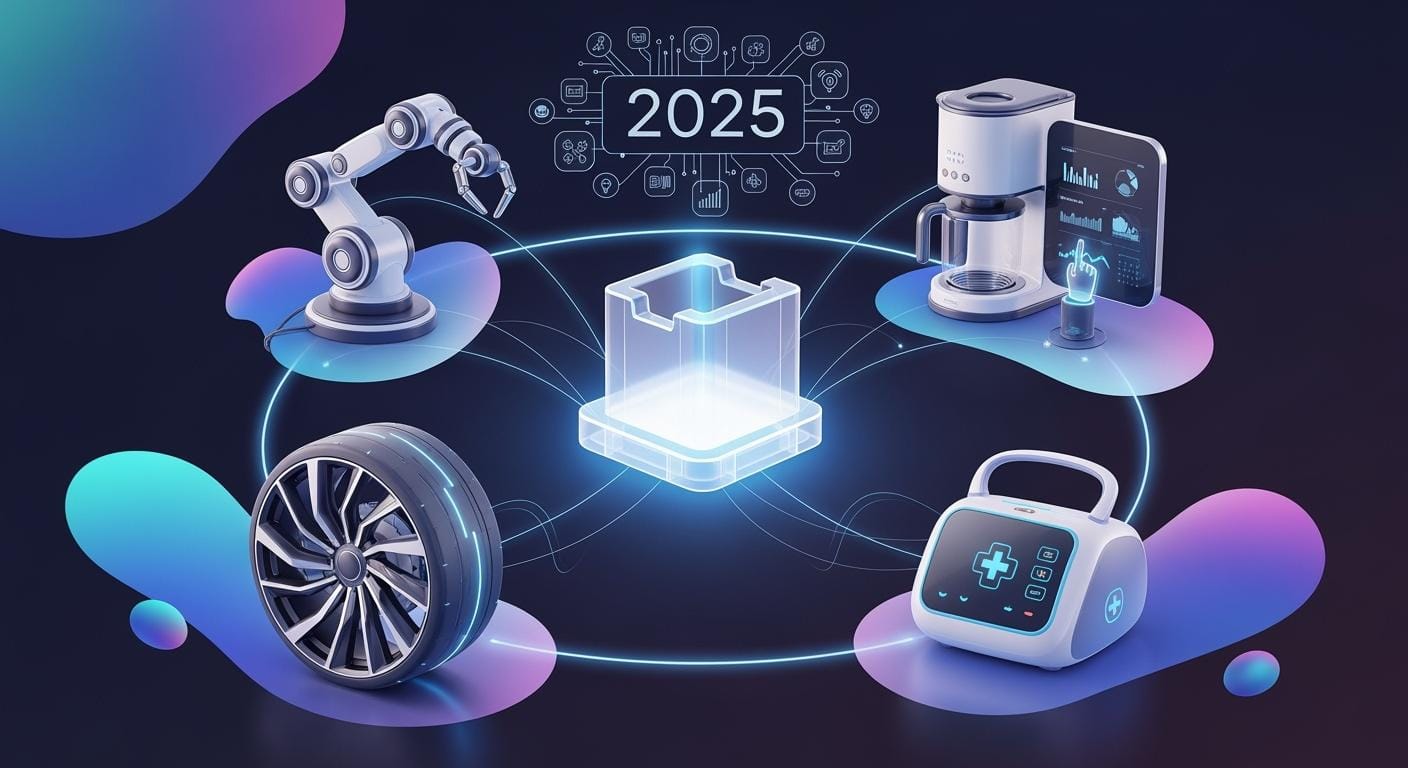

A load cell is a device that measures force or weight by converting pressure into an electrical signal you can read. If you’ve ever wondered what is a load cell, you’ll find them in everyday places like grocery store scales, as well as in advanced machines used in hospitals and factories. These innovative devices are essential for modern industries, making operations more efficient and reliable. Many companies now rely on force sensing resistor technology for smart machines, enhanced safety, and improved patient care. The use of force sensing and force sensing resistor solutions is expanding rapidly:
- The Asia-Pacific region accounts for nearly half of all load cell usage.
- Over 40% of new products now feature eco-friendly and IoT capabilities.
- Automotive and healthcare sectors use load cells and force sensing resistor technology for quality assurance and patient monitoring.
Curious about what is a load cell and how force sensing can impact your daily life? Get ready to discover some exciting and unexpected applications for this technology in 2025!
Table of Contents
Key Takeaways
A load cell checks force or weight by turning pressure into an electrical signal. Load cells are used in things like grocery scales and medical machines. There are different load cells, like strain gauge and hydraulic. These types help many industries and jobs. In 2025, load cells will make smart homes better. Furniture will react when people are near. Load cells will help doctors care for patients. They will track weight and movement in hospital beds. This happens without bothering the patient. Robots will use load cells to feel things they touch. This helps robots hold items gently and safely. Farmers will use load cells to weigh crops automatically. This helps them make good choices and waste less. Picking the best load cell means thinking about what you need. You must look at where it will be used and how exact it should be.
What is a load cell
Definition
Many people wonder what is a load cell. A load cell is a device that measures force or weight. It changes pressure into an electronic signal you can read. You can find load cells in many places. They are in grocery store scales and factory machines.
- Load cells change force into an electronic signal.
- People use them in many jobs and industries.
- They give accurate and strong results.
- Load cells are important for weighing things in stores.
- They help make sure measurements are correct in many fields.
- Load cells are a big part of electronic scales, so you get the right weight every time.
Principle
A load cell works using smart science. Most load cells use strain gauges and a Wheatstone bridge circuit. When you push on the load cell, it bends a little bit. Strain gauges feel this bending and their resistance changes. The Wheatstone bridge circuit finds this change and makes a voltage. This voltage shows how much force you used. The elastic material inside lets the load cell go back to its shape. This makes the load cell work well and give the same results every time.
How load cells work
Measurement process
You might ask how a load cell measures force. Here is how it works:
- The load cell turns force, like pulling or pushing, into an electrical signal.
- The signal changes as you add more force.
- Inside, there is a spring part called a flexure.
- A strain gauge checks how much the flexure bends.
- When the beam bends, the output changes. The Wheatstone bridge circuit uses strain gauges to process this change.
This lets you use load cells for many things, like weighing food or testing materials.
Signal conversion
After the load cell feels the force, it must turn it into a signal you can read. The first signals are very small and can be changed by noise or heat. To fix this, the load cell uses signal conditioning. This step makes the signal steady and clear, so you get a good reading.
Here is a simple table with common signal conversion methods:
| Signal Conversion Method | Description |
|---|---|
| Strain Gauge | Strain gauges stick to an elastic part in a Wheatstone bridge circuit. This helps with temperature changes and makes the sensor more sensitive. |
| Wheatstone Bridge | The bridge output is made stronger by a signal conditioner and changed to the right output signal. |
You connect the strain gauge to a circuit to check resistance changes. The Wheatstone bridge puts voltage across the circuit. You measure the voltage at two points in the middle. This setup helps you get the best results.
When you use a load cell, you can trust it to be accurate. You might need to weigh a box or check a patient’s bed. You count on the load cell to give the right answer. Load cells are now used in almost every modern job because they work so well.
Types of load cells
There are different types of load cells. Each type is made for a special job. Some are good for heavy machines. Others are used for tiny measurements in labs. Let’s look at three common types you see in factories and everyday tools.
Strain gauge load cell
Principle
A strain gauge load cell uses a smart idea. It has a thin wire grid called a strain gauge. When you put weight on it, the metal bends a little. This bending changes the resistance in the wire grid. The Wheatstone bridge circuit turns this change into an electrical signal. You get a number that shows the force or weight. This way is very accurate and works for many jobs.
Applications
Strain gauge load cells are found in many places. You see them in factories, labs, and farms. Here are some ways people use them:
- Big machines use them to measure force.
- Manufacturing lines use them to weigh materials and products.
- Food plants use them to check food weight.
- Oil and gas companies use them in tough places.
- Labs use them for careful experiments.
- Farms use them in equipment.
Tip: Strain gauge load cells work for both pushing and pulling. You can use them for single-point, s-type, and multi-axis load cells.
You also find them in platform, shear beam, and button load cells. These help you measure force in different ways.
Hydraulic load cell
Principle
A hydraulic load cell works differently. It uses fluid, not wires. When you put weight on it, a piston pushes oil in a chamber. This pressure moves the fluid. A gauge measures the change. The output is linear and shows the weight. Hydraulic load cells are not bothered by electrical noise or lightning. They work well outside.
Here’s a quick comparison:
| Feature | Hydraulic Load Cell | Strain Gauge Load Cell |
|---|---|---|
| Mechanism | Measures weight as a change in pressure | Measures weight through resistance |
| Output | Linear, unaffected by fluid | Can vary with temperature |
| Accuracy | Up to 0.25% full scale | High, but sensitive to environment |
| Environmental Suitability | Immune to voltage surges | Sensitive to interference |
Applications
Hydraulic load cells are used for tough jobs. They are strong and reliable. Here are some places you might see them:
- Weighing tanks, hoppers, and production lines.
- Weighing trucks and trains.
- Measuring grain in silos or loads on tractors.
- Weighing minerals or equipment in construction and mining.
- Checking product weights and machines in factories.
- Balancing loads on freight cars.
- Safety systems for bridges and cranes.
- Wind turbines and oil rigs in energy.
- Mixing and packaging in food and drinks.
- Ships and offshore platforms in harsh places.
Hydraulic load cells work well in platform, single-point, and button load cells. They give steady results, even in bad weather.
Pneumatic load cell
Principle
A pneumatic load cell uses air, not oil or wires. When you put weight on it, it pushes on a diaphragm or bellows. This changes the air pressure inside. The load cell turns this change into an electrical signal. You get a reading that matches the force. Pneumatic load cells do not use electricity for measuring. They are safe in risky places.
Applications
Pneumatic load cells are used where safety and cleanliness matter. Here are some top uses:
- Chemical plants need explosion resistance.
- Medicine factories need clean and accurate weighing.
- Food lines need good hygiene.
- Car testing needs sensitive force measurement.
- Aerospace needs safe and exact readings.
Note: Pneumatic load cells work well in platform, single-point, and button load cells. They handle small loads with high sensitivity and resist temperature changes.
You also find them in s-type and multi-axis load cells for special tests. Pneumatic load cells help keep work safe and measurements clean.
Quick Look: Load Cell Types and Their Features
| Load Cell Type | Accuracy | Environmental Sensitivity |
|---|---|---|
| Strain Gauge | High | Sensitive to Temperature |
| Hydraulic | High | Susceptible to Fluid Leaks |
| Pneumatic | Medium to High | Susceptible to Air Leaks |
You can pick from many types of load cells. Some are single-point, s-type, platform, button, multi-axis, shear beam, and canister load cells. Each type has its own strengths. Multi-axis and s-type load cells are good for measuring force in more than one direction. Button and platform load cells fit in small spaces.
If you need a load cell for a special job, you can get custom designs. This helps you get the best results and accuracy for your needs.
Capacitive load cell
Principle
You may ask how a capacitive load cell works. This load cell uses changes in capacitance to measure force. Inside, there are two plates. One plate does not move. The other plate moves when you push or pull. When you use force, the space between the plates changes. This change makes the capacitance different. The load cell senses this and makes an electrical signal. You can read this signal to know the force. You get fast and correct results.
- Capacitive load cells find force by sensing capacitance changes.
- They have two plates: one stays still, one moves with force.
- When you push or pull, the gap changes, so the capacitance changes.
Applications
Capacitive load cells are used in many places. They are chosen because they are very accurate and fast. Here are some ways people use them:
- Factories use them to check weight with high accuracy.
- Testing machines use them to check how strong things are.
- Medical tools use them to measure force exactly.
- Robots and machines use them to control and check force.
- Airplane makers use them to test plane parts.
- Car companies use them for brake and crash tests.
- Packing machines use them to watch force during packing.
- Science labs use them for experiments.
Capacitive load cells are special because they are sensitive and quick. You can trust them for jobs that need good and fast measurements.
Piezoelectric load cell
Principle
Piezoelectric load cells use a special effect called the piezoelectric effect. When you press or bend some materials, like quartz or ceramics, they make electricity. In this load cell, you push on a crystal inside. The crystal gets squeezed and makes a voltage. The load cell sends this voltage to a circuit. The circuit reads how much force you used.
- When you push, the crystal inside gets squeezed.
- The squeeze makes a voltage.
- Quartz and ceramics make voltage when pressed or bent.
Applications
Piezoelectric load cells are best for measuring fast forces. You see them where forces change quickly. Here are some ways to use them:
- You can measure quick hits or shakes in machines.
- They help test engines and motors.
- They check how strong things are in quality control.
- They work in labs for tests with changing forces.
- Robots use them to feel quick changes in grip.
These load cells make an AC signal that changes with force. They need special tools, like charge amplifiers, to read the signal. You get fast and correct results, especially for quick changes.
Force sensing resistor (FSR)
Principle
Force sensing resistors, or FSRs, work in a different way. When you press on an FSR, its resistance goes down. The harder you press, the lower the resistance gets. The load cell reads this change and tells you the force. FSRs use something called piezoresistivity.
Construction
FSRs are made from bendy materials. They have a thin base, a spacer, and a special layer that carries electricity. When you press, the layers touch more, and the resistance changes. This lets you use FSRs where you need a thin or light sensor.
Here’s a quick table to compare FSRs and other load cells:
| Feature | Load Cells | Force Sensing Resistors (FSRs) |
|---|---|---|
| Measurement Principle | Uses strain gauges to measure force | Works on piezoresistivity, changing resistance |
| Accuracy | Gives steady and exact measurements | Good for quick and touch jobs |
| Durability | Metal parts, good for tough places | Made of bendy materials, can twist and bend |
| Size | Often bigger and heavier | Thin and light, many shapes |
| Application Scenarios | Best for weighing and steady force checks | Great for fast and flexible uses |
Applications
You see FSRs in many new devices. SOUSHINE’s FSRs are in smart shoes to check foot pressure. Hospitals use them to watch patients and stop bed sores. Robots use FSRs to feel and hold things softly. Shelves use them to sense the weight of items. FSRs are also in game controllers and smart clothes.
- Sports shoes use FSRs to make shoes better.
- Hospital beds use them to watch for sore spots.
- Robot arms use FSRs to feel how hard they grip.
- Shelves use them to help track items.
- Game controllers and smart clothes use FSRs for touch.
- Cars use FSRs for steering and safety.
- Factory robots use FSRs for packing and checking.
- Electronics use FSRs for touch screens and wearables.
FSRs are great because they are flexible and fast. You can use them where other load cells do not fit. SOUSHINE has FSRs in many shapes and sizes, so you can pick the best one for your job.
Other load cell types
You might think all load cells look the same, but you have many shapes and designs to choose from. Each type fits a special job. Let’s look at some of the most useful ones you might see in 2025.
Bending beam
Bending beam load cells work by bending a metal bar when you put weight on it. The strain gauges inside sense this bending and turn it into a signal. You often find these in small scales, packaging machines, and conveyor belts. If you need to measure small forces with good accuracy, this type works well. You can trust bending beam load cells for steady performance in busy environments.
Pancake
Pancake load cells look flat and round, like a pancake. You use them when you need to measure force in both tension and compression. These load cells handle heavy loads and give you reliable measurement. You see them in testing machines, truck scales, and even in aerospace projects. Pancake load cells help you get strong and stable readings, even when the force changes quickly.
S-type
S-type load cells get their name from their S-shaped design. You use them for both pulling and pushing forces. They are popular in hanging scales, material testing, and industrial weighing. S-type load cells give you high accuracy and are easy to install. If you want a simple way to measure force in two directions, this type is a great choice.
Canister
Canister load cells look like small cylinders. You use them for very heavy loads, like in silos, tanks, and truck scales. These load cells can handle tons of weight and still give you precise measurement. Canister load cells are strong and last a long time, even in tough weather or dirty places. You can count on them for top performance in big jobs.
Single point
Single point load cells are the most common type in small scales. You find them in grocery store checkouts and kitchen scales. They measure weight at one spot and can handle off-center loads. This means you get accurate results even if you don’t place the item right in the middle. Single point load cells make your daily weighing tasks easy and reliable.
Planar
Planar load cells are thin and flat. You use them in places where space is tight, like in medical devices or slim industrial machines. They give you good measurement without taking up much room. Planar load cells help you design smart, compact products without losing accuracy.
Did you know? New types of load cells are always being developed for special uses. For example, miniature load cells fit into tiny spaces but still give you precise results. Multi-axis load cells can measure force in several directions at once. You see these in robotics, aerospace, and even in sports science.
Here’s a quick table to help you compare some of these emerging types:
| Load Cell Type | Key Features | Applications |
|---|---|---|
| Load Button & Miniature | Small size, fits tight spaces, precise measurement | OEM devices, medical tools, robotics |
| Multi-Axis | Measures force in several directions, advanced feedback | Robotic arms, wind tunnel tests, biomechanical studies |
You have many types of load cells to choose from. Each one helps you get the best measurement and performance for your project. When you pick the right type, you make sure your results are accurate and your equipment works its best.
Surprising uses of load cells in 2025
Smart home automation
Weight-sensing furniture
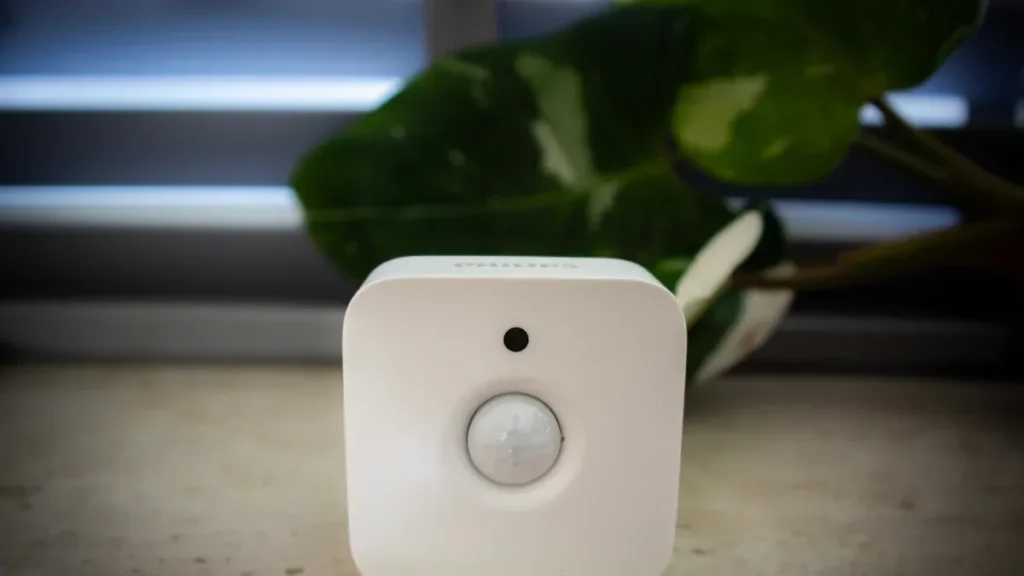
Think about your couch knowing when you sit down. It could turn on the lights for you. In 2025, smart homes will use load cell technology in furniture. This will make life easier and more comfortable. Sofas, beds, and chairs may have sensors inside. These sensors can tell when someone is sitting or lying down. They can also track how comfortable you are. Your home can then do things for you, like turn on the TV or change the temperature.
SOUSHINE’s Force Sensing Resistors (FSRs) are important for smart furniture. You get instant feedback about who is using the furniture. The sensors also show how much pressure is on the seat. This helps your home save energy and work better. For example, smart beds can watch your sleep patterns. Chairs can remind you to stand up if you sit too long.
Here is a quick table showing how load cells help smart homes:
| Application Type | Description |
|---|---|
| Smart Home Appliances | Load cells are used in smart washing machines and kitchen tools. They help measure things exactly, making life easier. |
| Automated Pet Feeders | Small load cells are in automatic pet feeders. This makes feeding pets simple for owners. |
| IoT and Smart Sensors | More load cells are now wireless and connect to the internet. This lets you check data in real time. |
| Diverse Applications | Load cells are now in many products, from home tools to robots. This shows they can be used in lots of ways. |
You will see more homes using these sensors to save energy. They will also help with daily routines. Smart furniture with load cell technology is just the start.
Medical devices
Patient monitoring beds
Hospitals and clinics are getting smarter, too. By 2025, patient beds will use load cell systems to watch health and comfort. These beds can check a patient’s weight and movement without bothering them. This helps nurses and doctors act fast if something changes.
SOUSHINE FSRs make these beds more accurate and reliable. You get instant data about patient weight. This is important for giving the right medicine and care. The sensors also help stop bed sores by noticing changes in how a patient lies. This keeps patients safe and comfortable.
Here are some ways load cells help patient beds:
- Hospital beds with load cells can check patient weight exactly.
- These beds help keep patient dignity by not needing manual weighing.
- Tracking weight and movement gives nurses real-time data.
- The sensors help stop bed sores by watching weight changes.
- Load cells give weight readings that are very accurate, even small changes matter.
You will see more hospitals using these beds to give better care. This makes life easier for both patients and staff.
Robotics and AI
Tactile feedback
Robots are getting more lifelike every year. In 2025, robots will use load cell technology to feel touch and pressure. This helps robots pick up things gently and work safely with people. SOUSHINE’s FSRs let robots feel, making them smarter and more helpful at home, in factories, and in hospitals.
Better load cell technology makes robots stronger and last longer. You get robots that can do careful jobs, like helping in surgery or sorting breakable items. The sensors let robots change their grip and react to force. This is important for safety and doing things right.
Robots with touch feedback can:
- Pick up and move things without breaking them.
- Help doctors in surgery by feeling pressure.
- Work in factories by handling items gently.
- Be friendly and safe when working with people.
You will see more robots using load cell technology for better control. This will help robots do more jobs in everyday life.
Sustainable agriculture
Automated crop weighing
Farms in 2025 will use more technology than before. Automated crop weighing is making farming easier and smarter. With a load cell, you can weigh crops right after picking them. This gives you instant numbers to help you make better choices.
Farmers put load cell systems in tractors, harvesters, and bins. These sensors show the exact weight of crops. You do not have to guess how much you picked. You see the numbers right away. This helps you plan, sell, and store crops with confidence.
SOUSHINE’s Force Sensing Resistors (FSRs) are important for new farm tools. You can put them in small spots on machines or bins. They give fast and correct readings. You can also use them to check water pressure or animal feed. These uses make farms smarter and more efficient.
Here are ways load cell technology helps in farming:
- You use only what you need for planting and watering.
- You get important data to help your machines work better.
- You make better choices about planting, watering, and picking crops.
- You always know how much you have, so you do not waste food.
- You track your harvest as it happens, so you use resources wisely.
- You can change how you plant based on what worked before.
- You manage fertilizer, water, and feed more carefully.
- You make harvest reports and store crops with less work.
Let’s see some ways load cell technology improves farming:
| Improvement Aspect | Description |
|---|---|
| Measurement Accuracy | Load cell technology gives better crop measurements, which is important for smart farming. |
| Data Collection | You collect more helpful data, so you can make better choices for your farm. |
| Crop Yield Optimization | You can change growing conditions to get the best crops and more food. |
More farms will use these systems every year. Automated crop weighing helps save money and protect the earth. It also helps you grow better food. With load cell technology, you can trust your numbers and focus on feeding your community.
Tip: If you want your farm to be greener, start with automated weighing systems. They help you use less water, fertilizer, and energy, while growing more crops.
You will see even more smart uses for load cells soon. As technology grows, farms will get more connected and productive.
Choosing the right load cell
When you pick a load cell, you want to make sure it fits your needs. The right choice helps your project work better and last longer. Let’s look at what matters most when you decide.
Key factors
Application needs
First, think about what you want the load cell to do. Every project is different. Some need to measure tiny weights, while others handle heavy loads. You should ask yourself a few questions:
- What will you measure? Is it a person, a machine part, or a crop?
- How much weight or force do you expect?
- Will the load stay still, or will it move around?
- Do you need fast results or just steady readings?
Check out this table to see some important things to consider:
| Factor | Description |
|---|---|
| Load Capacity | Different types have different limits, from grams to tons. |
| Direction of Load | Decide if you need to measure pushing, pulling, or both. |
| Performance Targets | Know how exact you need the results to be. |
| Application Environment | Think about where you will use it—indoors, outdoors, wet, or dry places. |
| Load Cell Electronics | Make sure it works with your display or control system. |
Environment
Next, look at where you will use the load cell. Some places are hot, cold, wet, or dusty. You want a sensor that can handle these conditions. Stainless steel works best if you need corrosion resistance. If you use the sensor outside or in harsh spots, pick one with welded seals. For special cases, like underwater or extreme heat, you might need a custom design.
- Stainless steel protects against rust.
- Welded seals keep out water and dust.
- Some sensors work in very hot or cold places.
Accuracy
Accuracy matters a lot in many applications. If you need to track small changes, pick a sensor with high resolution. For safety, always choose a load cell that can handle more than your biggest expected load. This keeps your system safe and working well.
Tip: Always check the accuracy and safety ratings before you buy. This helps you avoid mistakes and keeps your project running smoothly.
SOUSHINE selection tips
Customization
Sometimes, you need a sensor that fits a special shape or size. SOUSHINE offers many options for customization. You can get Force Sensing Resistors (FSRs) in different shapes, sizes, and sensitivities. This means you get a sensor that matches your exact needs, whether you use it in smart homes, medical devices, or farming equipment.
Support
Choosing the right sensor can feel tricky. SOUSHINE’s expert team helps you every step of the way. You get advice on picking the best sensor, help with design, and support during setup. If you have questions, you can reach out and get answers fast. This support makes your project easier and helps you get the best results.
Note: When you work with SOUSHINE, you get both great products and friendly help. This makes your experience smooth from start to finish.
You now know that a load cell measures force or weight and plays a big role in many industries. You saw different types like strain gauge, hydraulic, pneumatic, capacitive, piezoelectric, and FSRs—each with unique uses. In 2025, you’ll find load cells in smart homes, medical beds, robots, and farms.
Ready to try something new? SOUSHINE can help you find the right load cell for your project. Explore this technology and see how it can make your ideas real!
FAQ
What does a load cell actually do?
A load cell measures force or weight. You press or put weight on it, and it turns that force into an electrical signal you can read. You see load cells in scales, machines, and even smart furniture.
Where do I find load cells in daily life?
You spot load cells in grocery store scales, elevators, hospital beds, and even in some smart home gadgets. They help you get accurate weight readings and make many devices smarter.
How do SOUSHINE FSRs help in smart homes?
SOUSHINE FSRs let your furniture or appliances sense touch and weight. Your couch can turn on lights when you sit. Smart beds can track your sleep. These sensors make your home more comfortable and energy-efficient.
Can load cells improve patient care in hospitals?
Yes! Load cells in hospital beds track patient weight and movement. Nurses get real-time updates. This helps prevent bed sores and makes sure patients get the right care without moving them too much.
Are load cells important for robots?
Absolutely! Robots use load cells to feel how hard they grip things. SOUSHINE FSRs give robots a sense of touch. This helps robots handle objects gently and work safely with people.
What makes SOUSHINE FSRs different from other sensors?
SOUSHINE FSRs are thin, flexible, and customizable. You can fit them into many shapes and sizes. They work well in smart homes, medical devices, robots, and farming tools. You get fast, reliable results every time.
How do load cells help farmers?
Farmers use load cells to weigh crops, animal feed, and even water. SOUSHINE FSRs fit into small spaces on machines or bins. You get instant, accurate data to help you grow more food and waste less.
Can I use load cells for my own DIY projects?
Yes, you can! Load cells and FSRs are great for home projects. You can build smart scales, touch-sensitive gadgets, or even custom furniture. SOUSHINE offers support if you need help picking the right sensor.