

Call us: +86-137-2353-4866
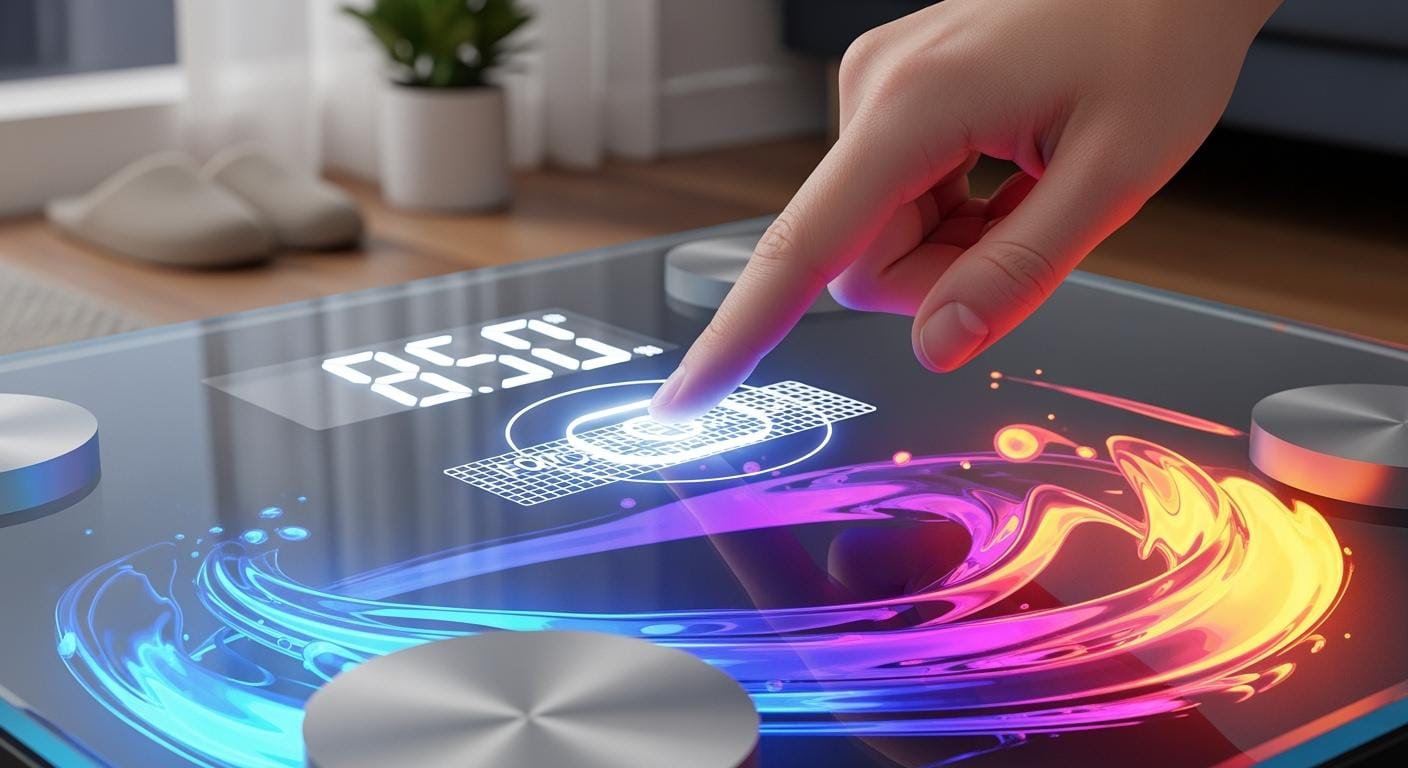

Many everyday devices rely on a force sensing resistor to function effectively. If you’re wondering what is force sensing resistor, it’s a compact sensor that changes its electrical resistance when you apply pressure, allowing for accurate force sensing in various applications. SOUSHINE is a leader in force sensing technology, producing advanced force sensing resistor solutions for a wide range of products. You’ll find force sensing in smartphones, automobiles, and medical equipment, enhancing performance and safety.
- The global market for force sensing resistor technology is projected to reach USD 4.12 billion by 2031.
- With an annual growth rate of 6.80%, force sensing is becoming increasingly vital across industries.
Table of Contents
Key Takeaways
- Force sensing resistors change resistance when you press them. This helps measure force in many devices.
- FSRs are used in phones, game controllers, and cars. They also help in medical devices. FSRs make things safer and easier to use.
- These sensors come in many shapes and sizes. You can put them in lots of products.
- FSRs use little power. This helps batteries last longer. They save money for makers and users.
- FSRs can measure force that stays the same or changes. This makes them useful for many things.
- SOUSHINE is a top company for FSR technology. They make strong and trustworthy sensors. Their sensors work well even in tough places.
- In hospitals, FSRs help watch patients and keep them safe. They find pressure changes in medical tools.
- As technology gets better, FSRs will be used more. This will make cars, health tools, and electronics smarter.
What is Force Sensing Resistor
FSR Definition
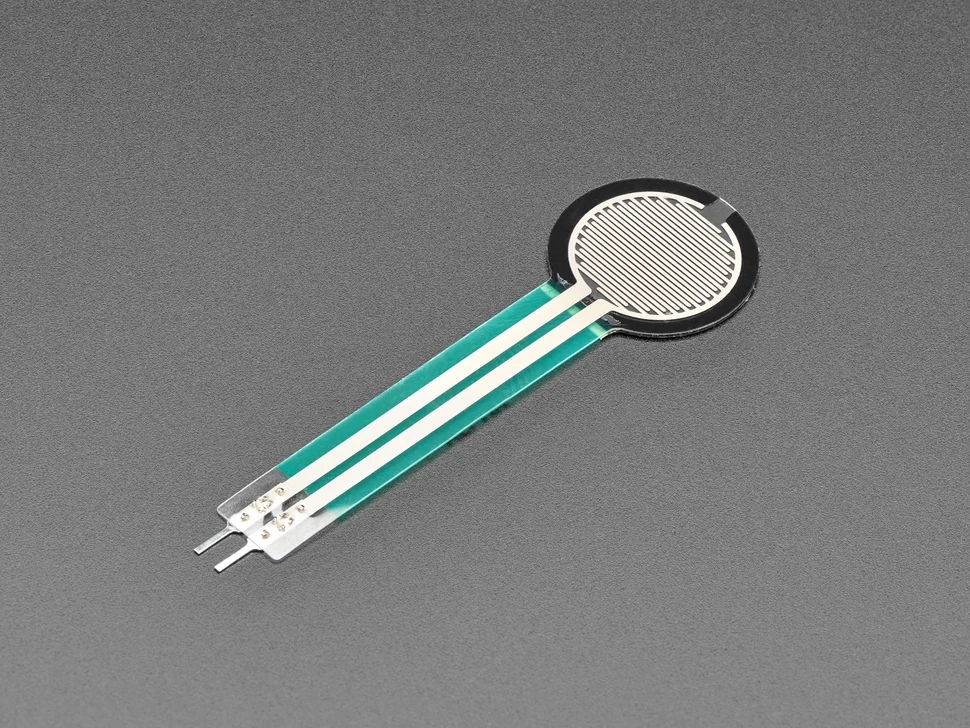
You might wonder what a force sensing resistor does. It is a small electronic part that changes resistance when you press it. The sensor has two thin layers. One layer holds a special material that resists electricity. The other layer has a circuit. When you push on the sensor, the resistance gets lower. When you stop pressing, the resistance goes up again. This lets you measure how much force you use.
SOUSHINE makes these sensors with new technology. They use a bendable base and a special material that conducts electricity. This helps the sensor last longer and fit many shapes. You can find force sensing resistors in things like phones and cars.
Key Features
Force sensing resistors have some cool features. Here are a few in the table below:
| Feature | Description |
|---|---|
| Customizable Shapes and Sizes | FSRs come in many shapes, sizes, and thicknesses. |
| Durability and Reliability | These sensors keep working after lots of use. |
| Low Power Consumption | FSRs use little power, so they save energy. |
| Ease of Integration | You can add them to devices easily. |
SOUSHINE’s sensors use a bendy base and a special layer that conducts electricity. This layer changes resistance when you press it. If you press harder, the resistance drops more. When you let go, the resistance goes up again. This helps measure force right away.
You may wonder how resistance changes with force. Here is what happens:
- The sensor has high resistance when you do not press it.
- When you press, tiny particles move closer, and resistance drops.
- The change in resistance is almost straight, so you can measure force easily.
How FSRs Differ from Other Sensors
You might ask how force sensing resistors are different from other sensors. Force sensing resistors use piezoresistive technology. This means they sense force by changing resistance. Other sensors, like pressure sensors, work in other ways. The table below shows some differences:
| Feature | Force Sensors | Pressure Sensors |
|---|---|---|
| Main Structure | Solid block, beam, or disc | Thin diaphragm |
| Measurement Focus | Total force or torque | Force per unit area (pressure) |
| Signal Output | Direct force readings, multi-axis | Pressure readings, single or differential |
| Material Selection | Metals for strength and durability | Metals, ceramics, silicon for flexibility |
| Integration | Robotics, industrial machines | Pipelines, HVAC, medical devices |
Force sensing resistors measure total force, not just pressure. You can use them anywhere you need to know how hard something is pressed. SOUSHINE’s technology makes it easy to add these sensors to products. You get a simple way to measure force, which helps your device work better.
If you ask what force sensing resistors are used for, you will see them in many everyday things. SOUSHINE’s technology helps you get good results, save energy, and make better products.
How Force Sensing Resistors Work
Pressure and Resistance
When you press a force sensing resistor, it works differently. These sensors act like resistors that can change. If you do not press, the resistance is very high. It can be millions of ohms. When you push down, the resistance drops fast. This helps you measure how much force you use. Pressing harder makes resistance get even lower. The link between force and resistance is almost straight. You can trust the readings for most daily uses.
- Force sensing resistors use piezoresistive technology.
- They sense pressure, which means force over an area.
- The resistance change depends on how big the contact area is.
You see this when you use a game controller or touchpad. Pressing harder gives a different result than a soft touch. This makes measuring force easy and reliable in many devices.
Materials and Design
The materials inside force sensing resistors make them special. SOUSHINE uses a bendy base and a special material that conducts electricity. This design helps the sensor last longer and fit many shapes. Different force sensing resistors use different materials and ways to build them. Here is a table that shows some common types:
| Type of FSR | Materials/Construction Methods | Performance Impact |
|---|---|---|
| Single Zone FSRs | Two electrodes with special ink on one spot. | Makes resistance lower in one area. Simple and cheap. |
| Shunt Mode FSRs | Uses certain electrodes based on force direction. | Senses which way force is applied. |
| Array Sensors | Many single zone FSRs on one base. | Senses force at many spots. Good for keypads or touch screens. |
| Polymer Thick Film (PTF) | Uses thick film inks. | Works well but gets worse over time. |
| Metalized Polymer Thick Film | Thick film with metal bits added. | Lasts longer and works better. Costs a bit more. |
| Velostat | Special plastic that conducts electricity. | Cheap and works in many ways. |
| Carbon/Graphite Loaded | Has carbon or graphite in rubber or silicone. | Very tough and works well, but costs more. |
SOUSHINE’s special material helps the sensor work better and last longer. You can use these sensors in many systems, like medical devices and home electronics.
Static vs Dynamic Force Measurement
Force sensing resistors can measure force when things are still or moving. If you stand on a sensor, it measures static force. If you walk or move, it measures dynamic force. In tests, people pressed down for several minutes to check static loads. For dynamic force, the sensor was pressed and released, like walking or tapping. This showed how well the sensor worked during changes.
- Static force measurement works for standing or sitting.
- Dynamic force measurement helps with walking or using exercise gear.
- Force measurement systems use these sensors to track both types of force right away.
You can find force sensing resistors in many devices that need to measure steady and changing forces. This makes them useful for health, gaming, and cars.
Everyday FSR Applications

You use force sensing resistor technology every day. You might not notice it. These sensors help devices react to your touch. They measure how hard you press. This makes your experience smoother. Let’s see some common force sensing uses in daily life.
Touch Devices
Phones and Tablets
You use your phone or tablet for lots of things. Force sensing resistors are important in these devices. When you tap or press the screen, the sensor checks how much force you use. Your device reacts differently to a light tap or a hard press. For example, a soft touch can open an app. A harder press might show more options. This technology makes your device easier to use.
- Many phones and tablets use force sensing resistors for better touch.
- These sensors help detect your input with high accuracy.
- You get different actions based on how much pressure you use.
- This gives you faster and more accurate responses.
Every time you use a touch device, force measurement happens. The sensor inside checks the force of your touch. It sends this information to your device. This helps your phone or tablet know what you want.
SOUSHINE Panels
SOUSHINE makes panels with force sensing resistor technology for touch devices. These panels fit many shapes and sizes. Manufacturers use them in lots of products. You might see SOUSHINE panels in smart home controls. They are also in remote controls and stylus pads. The panels are very sensitive and respond quickly.
- SOUSHINE panels work in small and large devices.
- The flexible design makes it easy to add to new products.
- You get good performance, even after many uses.
Musical Instruments
Drum Pads
If you play electronic drums, you use force sensing resistors. Every time you hit a pad, the sensor checks how hard you hit. This changes the sound. It can be louder or softer. You can play with more feeling because the drum reacts to your touch.
Keyboards
Electronic keyboards use force sensing resistors too. When you press a key, the sensor checks the force. It changes the sound. You can play soft notes or strong chords. Many synthesizers use this for aftertouch. Aftertouch means the keyboard senses extra pressure after you press a key.
Here’s a table showing how force sensing resistors help in musical instruments:
| Functionality | Description |
|---|---|
| Measure Force | The sensor changes resistance when you press harder, letting you control sound. |
| Common Use | You find them in aftertouch features on synthesizers and controllers. |
| Construction | Flexible layers inside the sensor change resistance with pressure, helping you play with more feeling. |
You also find force sensing resistors in controllers like the Nintendo Power-Glove. This lets you control music or games with your hand.
Gaming Controllers
Pressure Buttons
Gaming controllers use force sensing resistors to make games more fun. When you press a button, the sensor checks how hard you push. The game reacts in different ways. A light press might make your character walk. A hard press could make them run. You feel more connected because the controller reacts to you.
- Force sensing resistors measure the force you use on each button.
- This helps make feedback like vibrations or movements.
- You feel more involved in the game.
If you drive a virtual car or use a virtual weapon, the sensor lets you feel the action. The controller uses force measurement for a better gaming experience.
SOUSHINE Accessories
SOUSHINE makes accessories for gaming controllers with force sensing resistor technology. These accessories help you play better games. You can add them to your controller for more control and faster response. SOUSHINE designs these products to last a long time.
- SOUSHINE accessories fit many controllers.
- You get better sensitivity and durability.
- The flexible design makes it easy to upgrade your gaming setup.
Force sensing resistors have many uses in your daily life. They are in touch devices, musical instruments, and gaming controllers. These sensors make your experience better. SOUSHINE keeps making new ideas for force sensing applications.
Medical Devices
Force sensing resistors are important in many medical devices. You see them in hospitals and clinics. These sensors help doctors and nurses watch patients. They make care better. You find them in smart beds, infusion pumps, and surgical tools.
Patient Monitors
Hospital beds can tell when a patient moves. Smart beds use force sensing resistors to sense movement. This helps stop falls and warns staff if help is needed. Infusion pumps use these sensors to check fluid flow. If there is a blockage or pressure change, nurses get an alert fast.
Ventilators use force sensing resistors to track air pressure. This keeps breathing support safe. Blood pressure monitors use force measurement to control cuff inflation. Prosthetics with feedback use these sensors to help users grip things. This gives people more control over their artificial limbs.
- Common medical devices with force sensing resistors:
- Smart beds for patient monitoring
- Infusion pumps
- Respiratory equipment (ventilators)
- Blood pressure monitors
- Prosthetics with sensory feedback
- Surgical devices
Surgical devices use force sensing resistors for feedback. Catheters and endoscopes measure pressure inside the body. This helps doctors work safely and make good choices during surgery.
Rehab Equipment
Rehab equipment uses force sensing resistors to track progress. A hand grip device can measure squeezing force. Therapists see if your strength gets better. Balance boards and walking aids use these sensors too. They measure weight shifts and pressure. This data helps your recovery and keeps you safe.
Automotive Systems
You use force sensing resistors when you ride in a modern car. These sensors help keep you safe and comfortable. They work in systems that check if someone is in a seat or if an airbag should go off.
Airbag Sensors
Airbag systems use force sensing resistors to decide when to work. The sensor checks if someone is in the seat and their weight. If a child or light object sits there, the airbag may not go off. This keeps people safer. The sensor reacts fast, so airbags work at the right time.
Seat Detection
Seat detection systems use force sensing resistors to know if a seat is used. This helps with seat belt reminders and airbag control. The sensor is easy to put in and works in hot or cold weather. Car makers like these sensors because they last and save money.
- Benefits of force sensing resistors in automotive applications:
- Quick response for safety features
- Accurate weight classification
- Durable in extreme weather
- Easy installation for manufacturers
Home and Fitness
You use force sensing resistors at home and when you exercise. These sensors make appliances and fitness gear smarter and easier.
Appliances
Many new appliances use force sensing resistors instead of old buttons. You can change settings with a gentle touch. For example, press harder or softer to change lamp brightness or speaker volume. These touch surfaces are easy to clean and last longer than old buttons.
- Advantages in home appliances:
- Touch-sensitive controls
- Easy cleaning
- Durable and long-lasting
Exercise Gear
Fitness equipment uses force sensing resistors to track how you do. Athletic shoes with these sensors measure how you run. The data shows your form and helps you get better. Treadmills and bikes use force measurement to track your effort. You get feedback right away, so you can change your workout and reach your goals.
- Benefits in fitness equipment:
- Track running form and impact
- Real-time feedback for better technique
- Support for safer and more effective workouts
Force sensing resistors help in medical, automotive, and home devices. You get better safety, comfort, and control every day.
Benefits of Force Sensing Resistors
Convenience
Force sensing resistors make devices easier to use. These sensors fit into tight spaces. They work with lots of products. You can add them to new designs easily. They use very little power, so batteries last longer. Force sensing resistors cost less than other sensors. You save money when you use them. When you press a button or touch a screen, you get fast results. SOUSHINE makes sensors in many shapes and sizes. You can pick the right sensor for your project.
- Easy to put in many devices
- Low power use saves energy
- Good price for makers and users
- Flexible design fits many shapes
Tip: Pick a sensor that fits your device. This makes upgrades easy.
Safety
Force sensing resistors help keep people safe at home, in cars, and in hospitals. These sensors can spot overloads and stop machines from breaking. They can set off alarms or turn off equipment if there is a problem. Medical devices use them to measure pressure and protect patients. Wearable systems use them to check balance and help stop falls. Retail systems use them to find objects and keep people safe.
| Safety Measure | Description |
|---|---|
| Overload Detection | Sensors can spot overloads or too much force, stopping equipment from breaking and keeping people safe. |
| Automatic Shutdown | FSRs can set off alarms or turn off machines to make things safer. |
- Used in medical devices to check pressure and keep patients safe
- Used in wearables to check balance and lower fall risks
- Used in stores to spot objects and keep people safe
SOUSHINE makes sensors that work well in tough places. You get safety features you can trust in every product.
User Experience
Devices with force sensing resistors give you better control and feedback. These sensors react to how hard you press. You get more choices when you use them. Gaming, music, and touch devices feel smoother. The sensor works for thousands of times, so you do not worry about it wearing out. They fit in thin devices because they are small. You get a good way to make technology easier to use.
| Feature | Benefit |
|---|---|
| Precise pressure sensitivity | Lets you control things easily and get good feedback. |
| Versatility | Works in many areas, making devices better and more useful. |
| Low profile | Fits in small spaces, good for many devices. |
| Economical | Saves money while making devices better to use. |
| Long lifespan | Lasts a long time, so you can trust it. |
SOUSHINE keeps making sensors better. You get products that last longer and work well. You enjoy using your devices every day.
Choosing Force Sensing Resistors
When you pick a force sensing resistor for your project, you should think about a few things. Picking the right one helps your device work well and last longer.
Selection Factors
You want your force sensing resistor to fit your needs. Here are some important things to look at:
| Factor | Description |
|---|---|
| Durability | The sensor should not break when used a lot or pressed hard. |
| Environment | Think about dust, water, and heat where you will use the sensor. |
| Form Factor | The sensor’s size and shape must fit your device. |
| Repeatability | The sensor should give the same results every time, which helps when making many devices. |
| Sensitivity | The sensor must notice small changes in force. |
| Cost | You need to find a good balance between price and how well it works. |
Sensitivity
Sensitivity means how well the sensor can notice small changes in force. If you want to measure light touches, pick a sensor with high sensitivity. SOUSHINE force sensing resistors can sense very soft touches and measure forces from 10g up to 1000g. This makes them good for things like medical devices or touch screens.
Durability
Durability means the sensor can last through lots of use and tough places. You want a sensor that works in hot, cold, or dusty spots. SOUSHINE force sensing resistors use strong materials and bend easily. They keep working even after many presses. This makes them great for cars, exercise gear, and other busy devices.
SOUSHINE Products
SOUSHINE has many force sensing resistors for different jobs. You can find sensors for medical, car, and home products. Here are some good things about SOUSHINE force sensing resistors:
- Senses even tiny pressure
- Works in many shapes and sizes
- Handles tough places
- Lasts through lots of use
You can pick a SOUSHINE force sensing resistor by checking its details. For example, the SOUSHINE FSR FA402 model works for many uses:
| Specification | Value |
|---|---|
| Model | FSR FA402 |
| Dimension | 17.47mm x 18.3mm |
| Sensing dimension | 14.68mm diameter |
| Force measuring range | 100g ~ 10KG |
| Thickness | ≤0.3mm |
| Force repeatable | ±2.5%, 8KG applied, 10 times |
| Off resistance | 2MΩ |
| Hysteresis | 10% average |
| Response time | <1 ms |
| Working temperature | -30℃ ~ 60℃ |
| Connector | Multiple options |
Tip: Look at the force range and size before you pick a sensor. This helps you get the best one for your device.
You can use SOUSHINE force sensing resistors in many projects. They give you good results, are easy to set up, and last a long time. If you need help picking the right one, check what your device needs and match it to the sensor’s features.
Future of Force Sensing Resistors
Innovations
Force sensing resistors will change how you use technology. In the last five years, these sensors got smarter and more helpful. Now, you can find FSRs in many new things.
- Smart bandages use FSRs to check pressure on wounds. This helps stop sores before they start.
- Wearable devices use FSRs to watch your health signs. You can check your health at home.
- Prosthetic limbs use FSRs to give pressure feedback. This helps people move with better control.
- Robots use FSRs to feel touch and change their grip. This keeps people safe when working with robots.
SOUSHINE is a leader in these changes. Their work makes sensors smaller and cheaper. They use new materials and better ways to build sensors. This gives you more accurate results. Now, you can put FSRs in many devices that could not use them before.
Expanding Uses
You will see force sensing resistors in more places every year. The table below shows where you might see them soon:
| Industry | Application Examples |
|---|---|
| Automotive | Seat detection, driver-assist systems, touch-sensitive controls |
| Healthcare | Wearable monitors, smart prosthetics, surgical tools |
| Wearable Tech | User interfaces for phones, tablets, and smartwatches |
FSRs are in cars to check if someone is sitting or to help drivers stay safe. In healthcare, FSRs help doctors and patients by making devices smarter and safer. Wearable tech uses FSRs to make screens and buttons react to your touch.
FSRs will grow because of new materials and digital tools. The Internet of Things (IoT) lets you connect more devices. FSRs help these devices sense touch and pressure, making them smarter.
SOUSHINE helps make these changes happen. Their sensors work in automation, healthcare, and robots. You get better control and safety in medical tools and smart electronics. SOUSHINE sensors also help with pressure maps and flow checks in machines.
Healthcare is growing fast. In North America, more hospitals use medical devices with FSRs every year. This means you will see even more uses for force sensing resistors soon.
As technology gets better, you will find force sensing resistors in more places. SOUSHINE will keep leading with new ideas and better sensors.
Force sensing resistors change how much resistance they have when pressed. They are found in lots of devices because they are thin and bend easily. These sensors are simple to add to many products. SOUSHINE FSRs help your phone, game controller, and fitness tracker work better.
| Device Type | How SOUSHINE FSRs Help |
|---|---|
| Smartphones | Detect pressure for touch controls |
| Game Controllers | Give feedback and improve gameplay |
| Fitness Trackers | Track movement and give quick results |
You can find FSRs inside your favorite gadgets. These sensors will help make new tools for healthcare, cars, and smart devices. As FSRs get better, you will see more cool features in your devices.
FAQ
What is a force sensing resistor?
A force sensing resistor helps measure how hard you press. The sensor changes resistance when you push on it. This lets devices know how much force you use.
Where do I find force sensing resistors in daily life?
You see force sensing resistors in phones and tablets. They are also in cars, medical tools, and fitness gear. These sensors help devices react to your touch and pressure.
How do I know if my device uses a force sensing resistor?
Look at your device’s manual or product info. If your device reacts to different pressure levels, it probably has a force sensing resistor.
Can I use force sensing resistors in my own projects?
Yes, you can use force sensing resistors for DIY electronics. They work in robotics and smart home projects too. You can connect them easily to many controllers.
How long do force sensing resistors last?
Force sensing resistors last for many uses. SOUSHINE makes sensors that work after thousands of presses. They also work well in tough places.
Are force sensing resistors safe for medical devices?
Yes, force sensing resistors are safe for medical tools. You find them in patient monitors and rehab equipment. They help doctors and nurses track movement and pressure safely.
What makes SOUSHINE force sensing resistors special?
SOUSHINE uses a bendy base and special material. Their sensors fit many shapes and last longer. They work well in lots of places.